What Does Mercedes-Benz "OH" Mean? The Rear-Engine Chassis That Modernized Latin America's Buses
Stand at a bus stop anywhere from Buenos Aires to São Paulo to Mexico City and you'll see the same little badge on the back of bus after bus: a couple of letters and four numbers — OH-1718, OH-1721, OF-1418. To most passengers it's meaningless. To anyone who knows the code, it's a full spec sheet: where the engine sits, how heavy the chassis is, and roughly how much power it makes.
This is Mercedes-Benz's chassis nomenclature, and in Latin America it's almost a second language. Learn it once and you can read any bus on the street — and predict how it'll behave before you turn a wheel. Here's the decoder.
"O" is for Omnibus, "H" is for Heckmotor
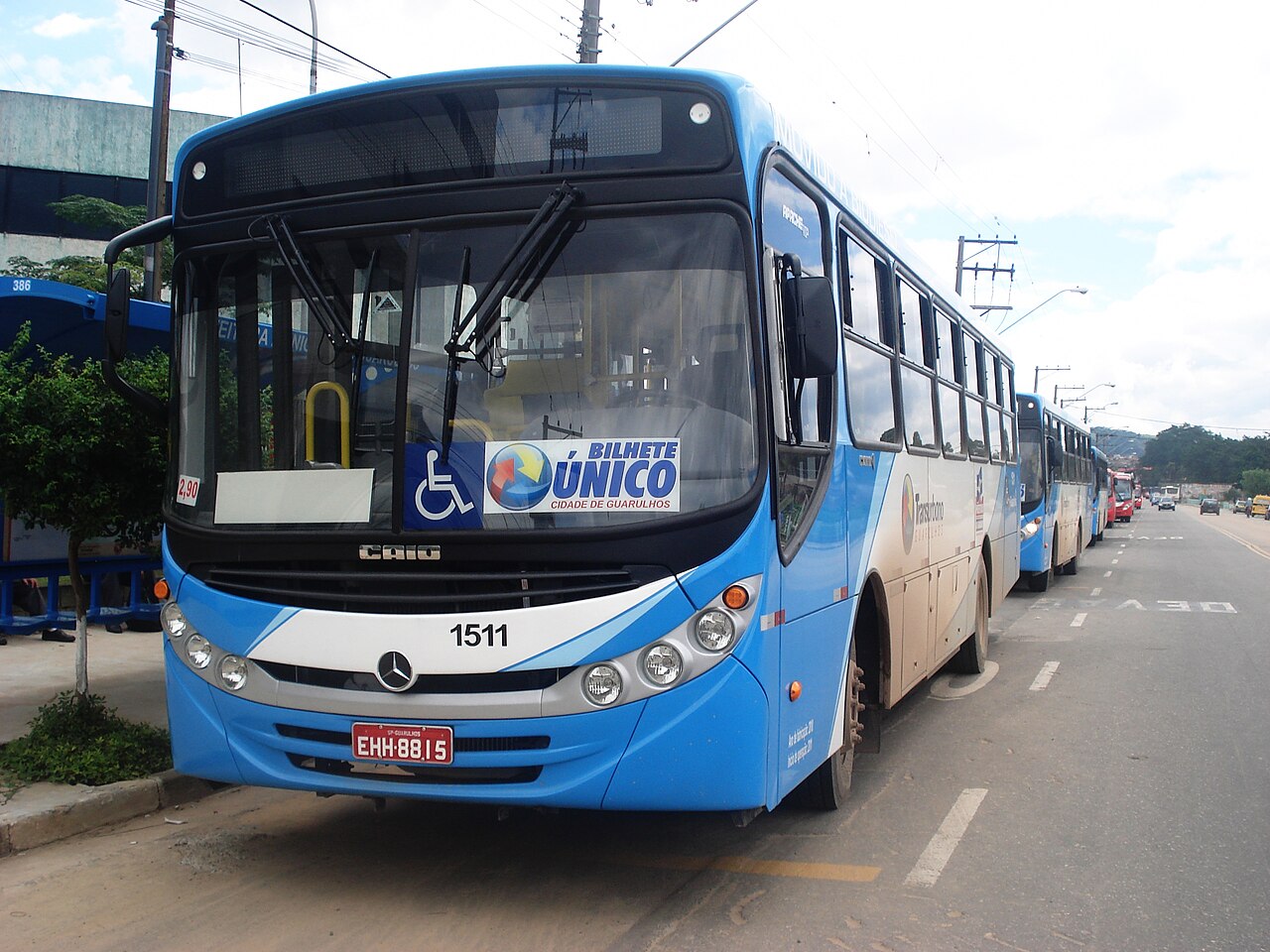
Start with the letters. The O stands for Omnibus — German for bus. The crucial second letter tells you where the engine lives: H is for Heckmotor, German for "rear engine." So an OH is a rear-engined bus chassis. Its sibling, the OF, uses F for Frontmotor — a front engine. That single letter is the most important thing on the badge, because it dictates almost everything about how the bus is laid out and how it drives.
The numbers: tonnage and power
After the letters come four digits, and the most widely-cited reading splits them into two pairs: the first two are the chassis's gross vehicle weight in tonnes, and the next two are the engine's horsepower. By that logic an OH-1718 is roughly a 17-tonne chassis with about 180 hp, and an OH-1721 a 17-tonne chassis with about 210 hp — the same backbone with a stronger engine. A handy worked example from the current range: the OH-1621 is a 16-tonne, ~210 hp rear-engine chassis.
One honest caveat: a few enthusiast sources flip the two pairs (reading power first, then weight). The tonnage-then-power reading is the better-sourced and more internally consistent one, so that's what we use here — but treat the precise digits as a strong guide rather than gospel.
The suffixes: L and SB
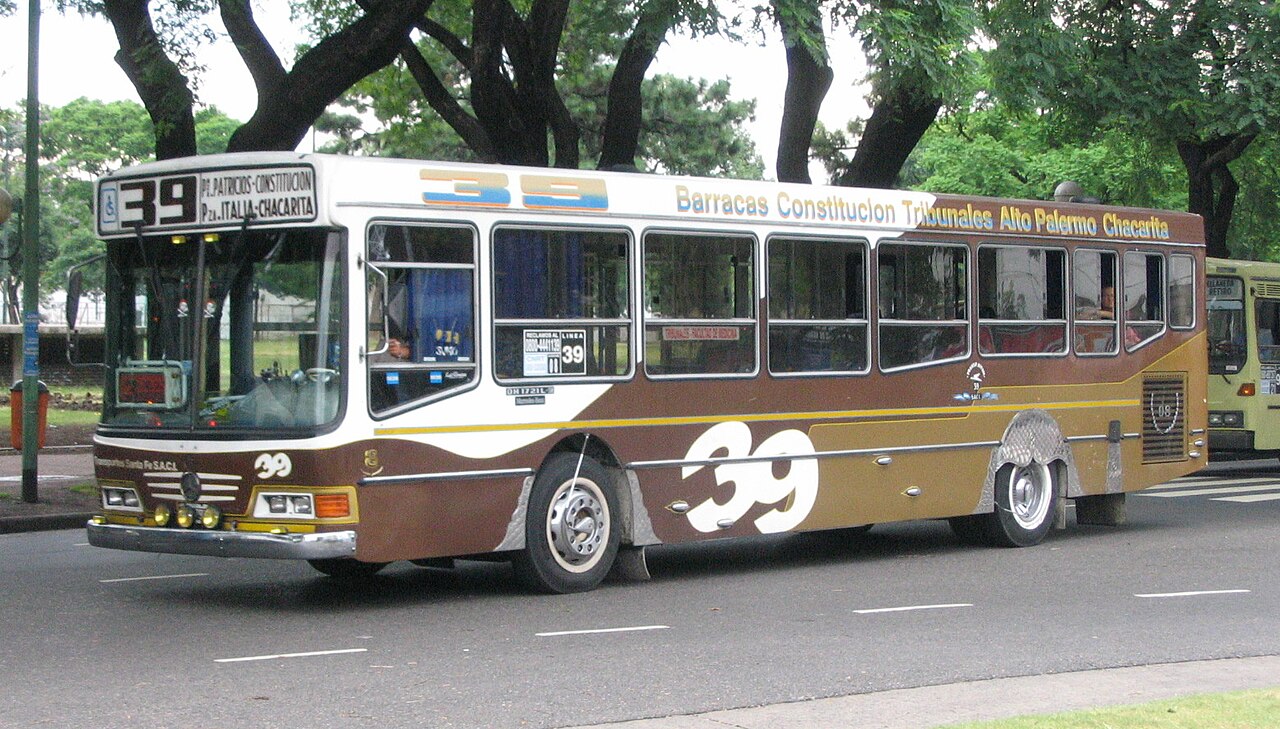
Many codes carry a tail of letters, and two are worth knowing. L signals air (pneumatic) suspension instead of plain leaf springs, and SB stands for superbaja — "super-low," i.e. a low-floor, step-free entrance. So a full badge like OH-1718 L-SB decodes to: rear engine, 17-tonne class, ~180 hp, air suspension, low-floor. The whole personality of the bus, in eight characters.
1987: the rear-engine revolution
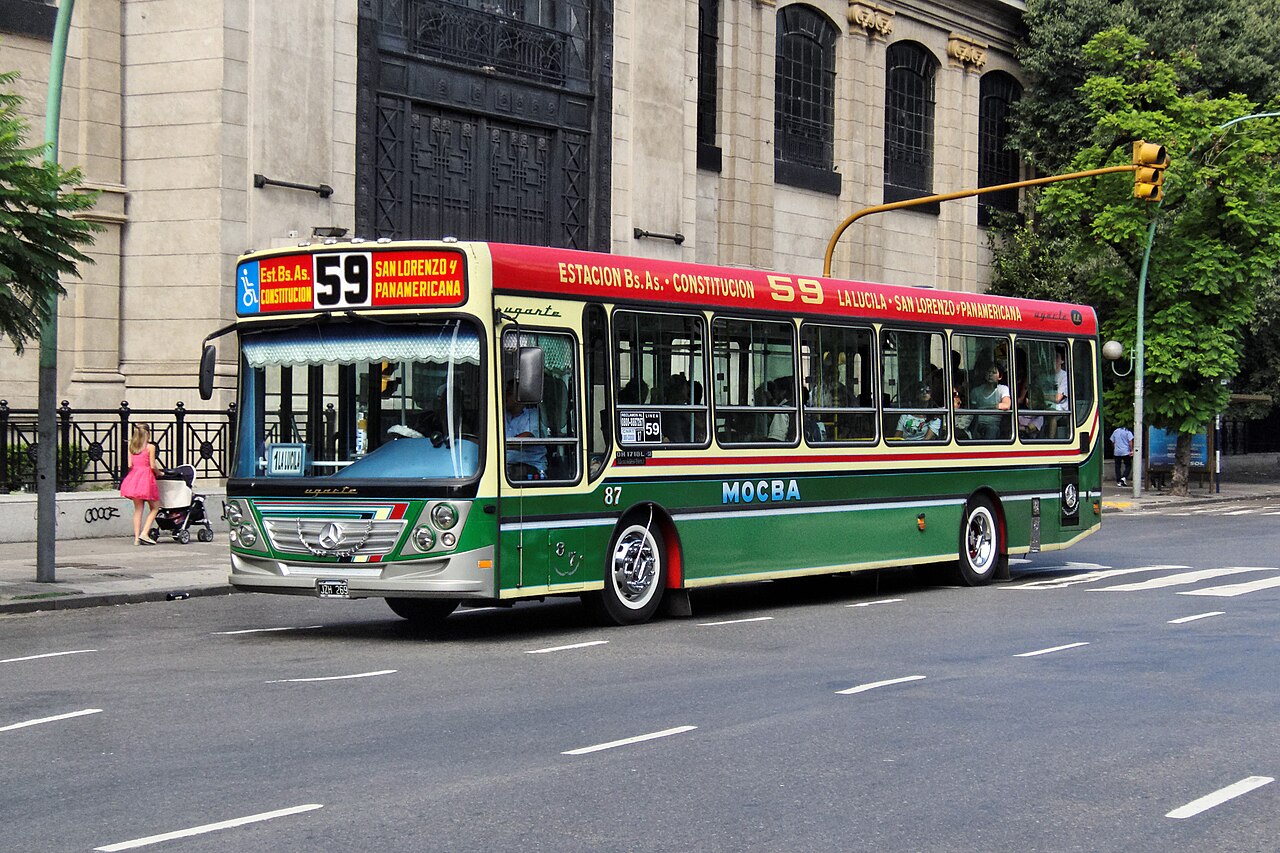
The OH matters because it changed the Latin American bus for good. For decades the region's city buses were front-engine machines with the motor in a bonnet beside the driver. Then, in 1987, the Argentine bodybuilder El Detalle launched a rear-engine model — and Mercedes-Benz Argentina answered late that year with its own rear-engine chassis, the OH-1314 (on sale from 1988). The flat-fronted, rear-engine layout freed up interior space and suited crowded urban work, and it became the template for the modern colectivo. (We tell that side of the story in the history of the colectivo.)
A Latin American workhorse — and beyond
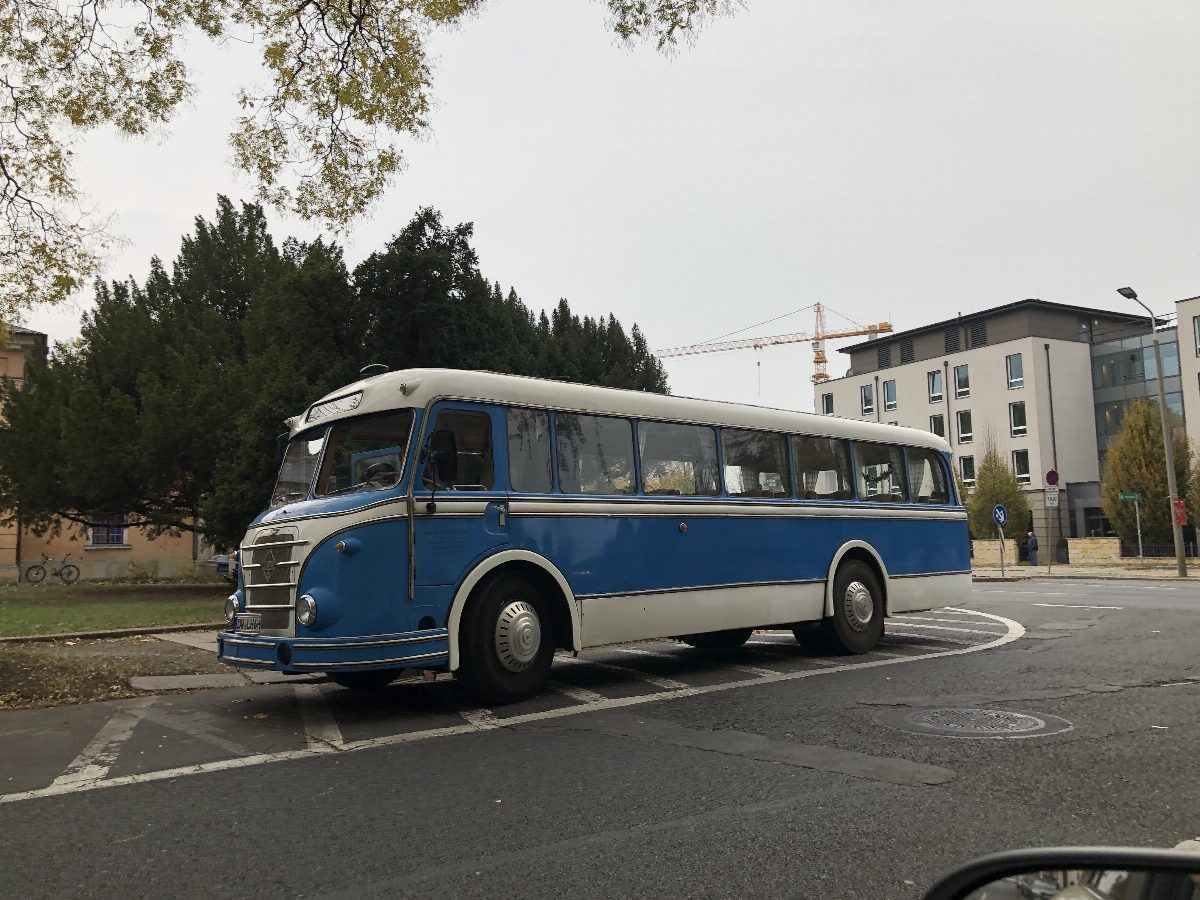
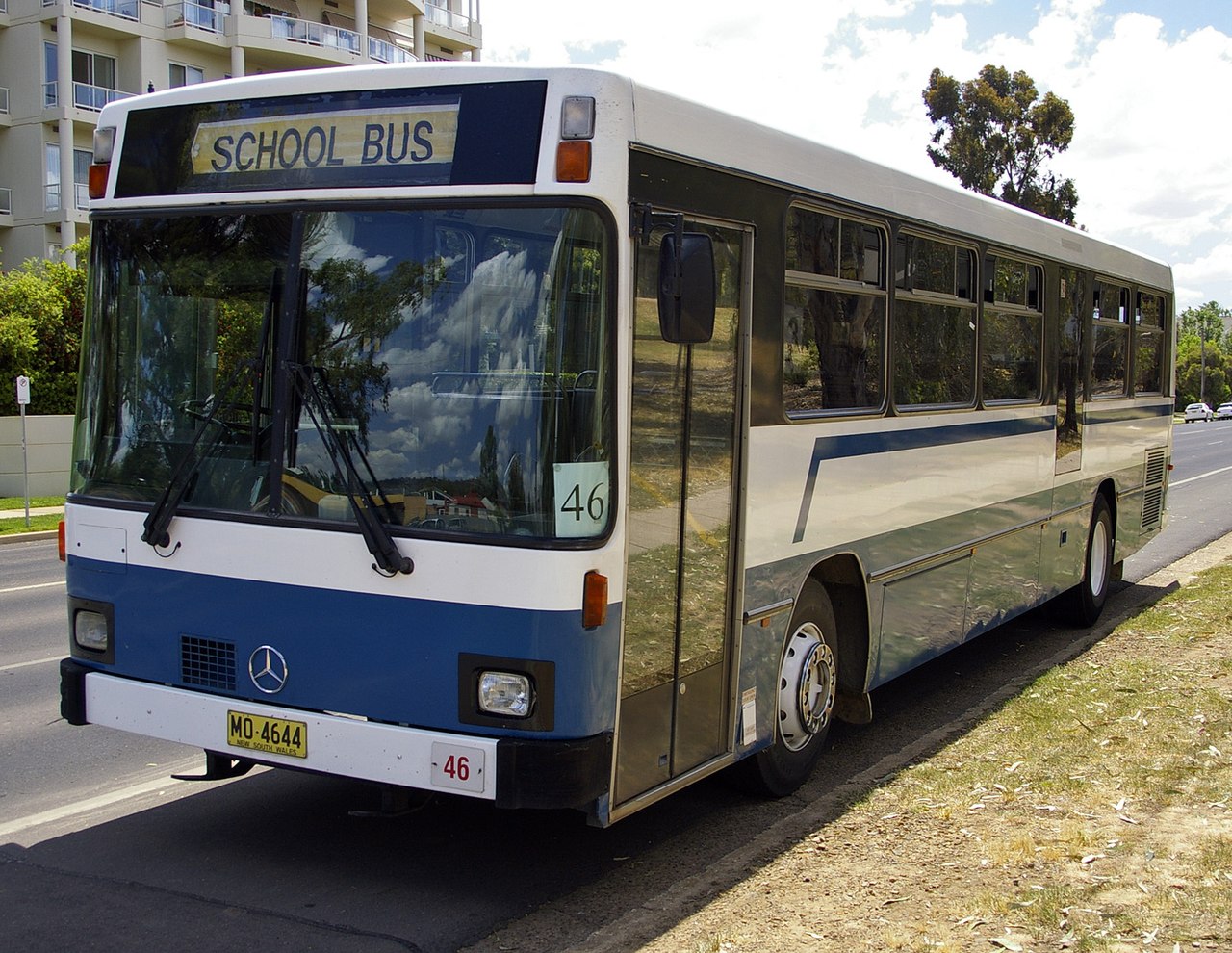
From there the OH family spread across the continent. Built in Argentina and Brazil for the South American market since the early 1980s, OH chassis were bodied by the great Latin American coachbuilders — Marcopolo, Metalpar, Ugarte, La Favorita and more — and turned up as urban and intercity buses from the Southern Cone to Mexico. The chassis even travelled further: OH-1418s were bodied and run as route and school buses as far away as Australia, proof of how versatile the platform was.
Read the badge, then drive it
Once you can read OH, you can hear it. Rear engine (the H) means the diesel rumble sits behind your seat instead of beside you, the cab is quieter, and the loaded rear axle gives traction but asks for care in a fully-laden corner. Swap to an OF and the engine note, the heat and the balance all move to the front. The four digits, meanwhile, tell you whether you're in a light 13-tonne urban runabout or a muscular 17-tonne intercity machine before you even pull away — exactly the kind of thing that makes one bus mod feel different from another.
In Proton Bus Simulator you can drive the code: the Bimet Corwin on a Mercedes OH-1721 is a textbook rear-engine colectivo, and the Metalpar Iguazú II rides the related O500 platform. Find more on the Mercedes-Benz mod page, and if you want the European side of the same naming system, see what Mercedes-Benz bus names mean.
FAQ
What does "OH" mean on a Mercedes-Benz bus?
What do the numbers in OH-1718 or OH-1721 mean?
What do the suffixes L and SB mean?
Why is the Mercedes-Benz OH so common in Latin America?
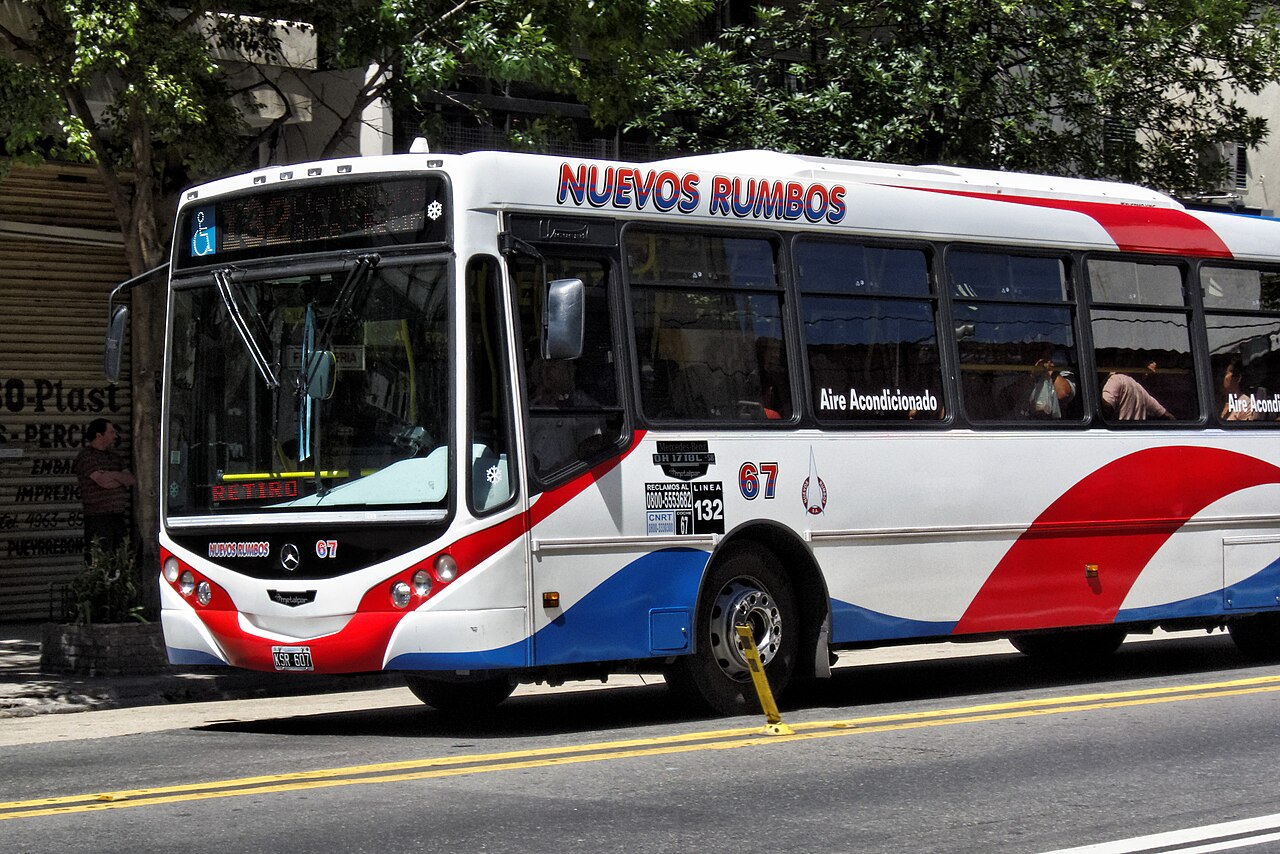
Hero: an OH-1718 colectivo (Metalpar Iguazú body) on line 132 in Buenos Aires — Photo: Barcex, CC BY-SA 3.0, via Wikimedia Commons. In-body photos credited individually in their captions.