What Do Mercedes-Benz Bus Names Mean? (O500, Conecto, OF-1721 Explained)
Spend any time browsing bus mods and you run into the same wall: a Mercedes-Benz badge that reads like a license plate. O500. OF-1721. OH-1418. O530. They look random, but every one of them is a sentence — once you know the grammar, the badge tells you what the bus weighs, how much power it makes, and where its engine lives before you ever turn the key.
We pulled apart the whole system so you don't have to. Here is how to read any Mercedes-Benz bus name, from a 1970s Brazilian workhorse to the Citaro rolling past your stop today.
O is for Omnibus
Start with the letter that never changes. The O in front of every classic Mercedes-Benz bus stands for Omnibus — simply the German word for bus (itself from the Latin omnibus, "for all"). It is the family surname: if a Mercedes commercial vehicle's designation opens with O, it carries people, not cargo. Trucks got L (Lastwagen); buses got O.
The numbers: weight, then power
Those digits after the letters aren't a serial number. Mercedes-Benz introduced a designation system in 1963 that still echoes through its commercial range: the first one or two digits are the gross vehicle weight in tonnes (rounded), and the last two digits are the engine power in tens of horsepower.
So an OF-1721 decodes cleanly: O for Omnibus, F for the engine position (more on that next), 17 tonnes of gross weight, and 21 → roughly 210 horsepower. An OH-1418 is a 14-tonne-class bus with about 180 hp. Once you see it, you can't unsee it — the number is a spec sheet hiding in plain sight.
OF, OH, OC: where the engine sits
This is the part most people miss, and it's the most useful. The letter right after the O tells you the engine layout — and that single fact shapes how the whole bus drives and sounds:
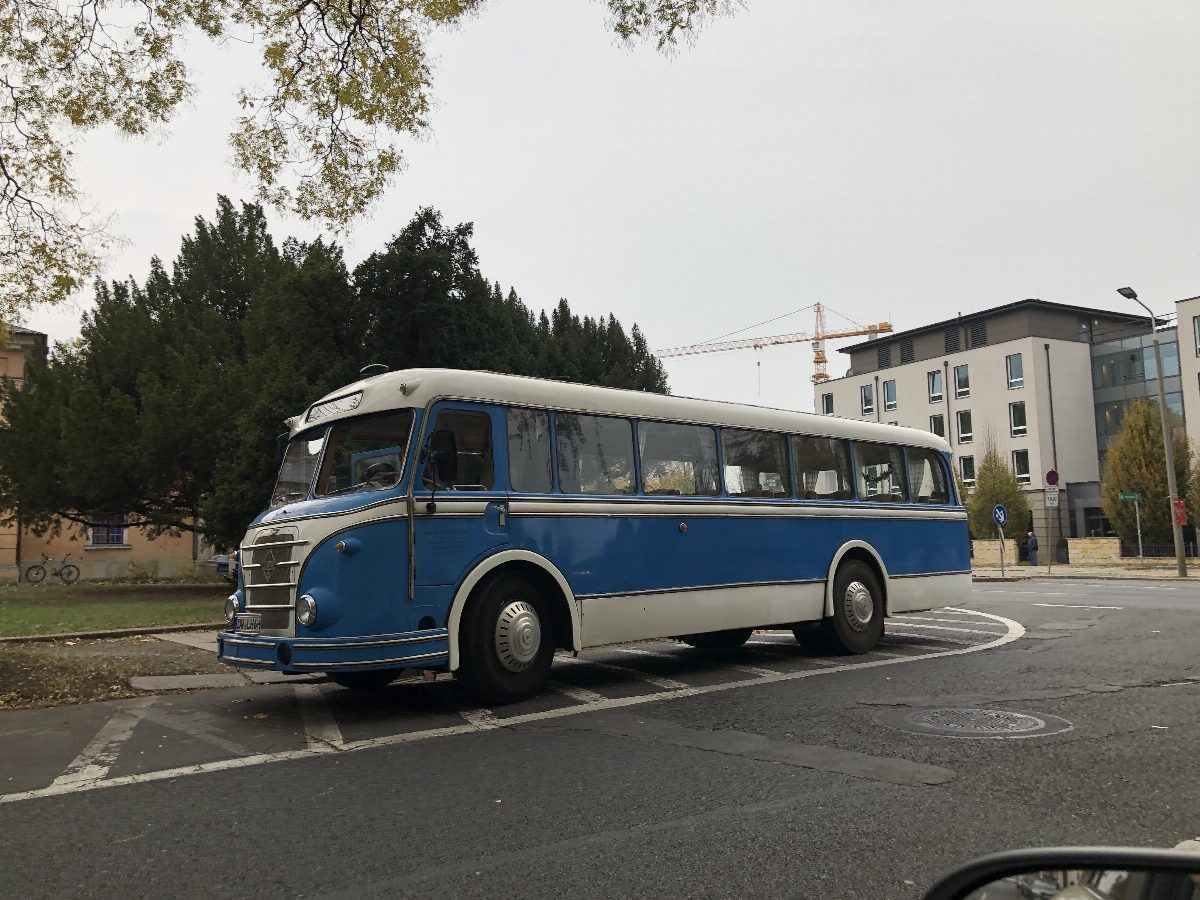
- OF — Omnibus Frontmotor: front engine, mounted ahead of the front axle. The classic "snout" intercity and rural chassis.
- OH — Omnibus Heckmotor: rear engine, hung behind the rear axle. The layout that became standard for modern city and coach work.
- OC / O 500: the modular chassis generation that replaced the old codes (we'll get to it below).
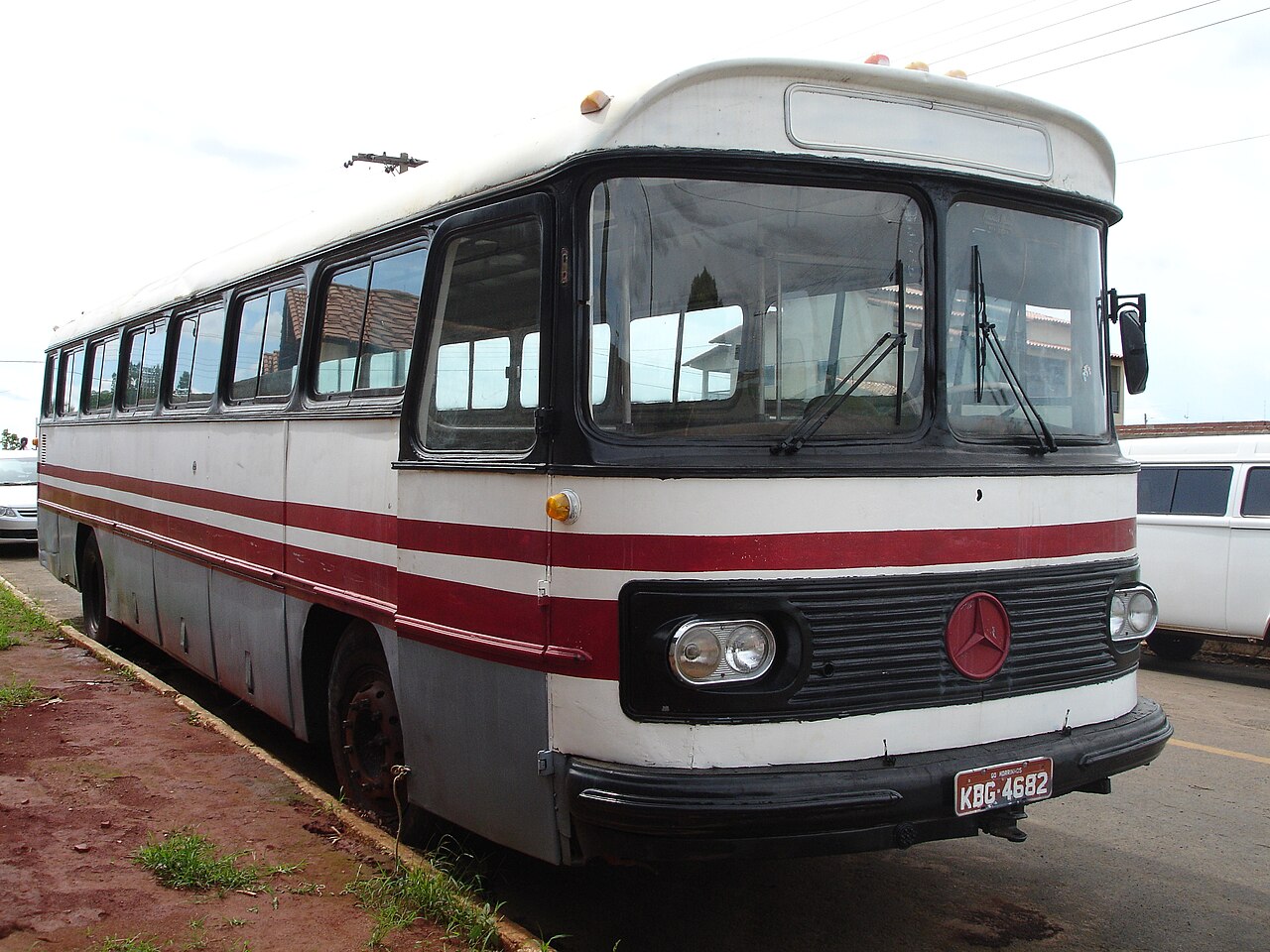
These were the backbone of Mercedes-Benz's enormous South American business: the OF (front-engine) and OH (rear-engine) chassis were built in Brazil and Argentina for decades — the rear-engine OH 1313 and front-engine OF 1313 were both unveiled back in 1970. Mercedes sold you the running chassis; a coachbuilder like Marcopolo or Busscar wrapped the body around it.
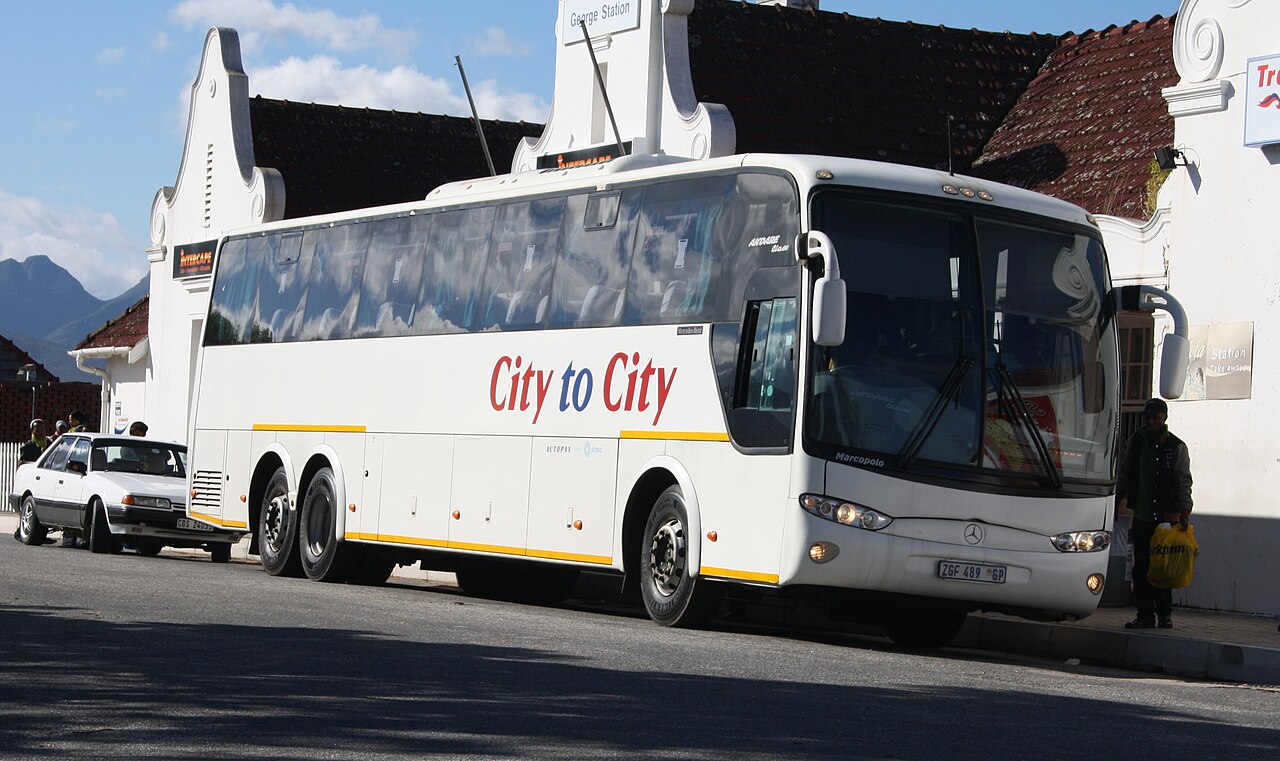
The O 500: one modular family, many bodies
By the late 1990s Mercedes-Benz do Brasil folded the old split into a single modular range: the O 500. It is the top-of-the-range Brazilian chassis family, supplied worldwide, and it covers everything from a low-floor city bus to a high-deck intercity coach by mixing and matching modules. You'll see it badged with suffixes — OC 500 variants among them — where the extra letters flag low-entry versus raised-floor, urban versus road. One platform, a dozen jobs: that's the whole point of "modular."
When the numbers became names
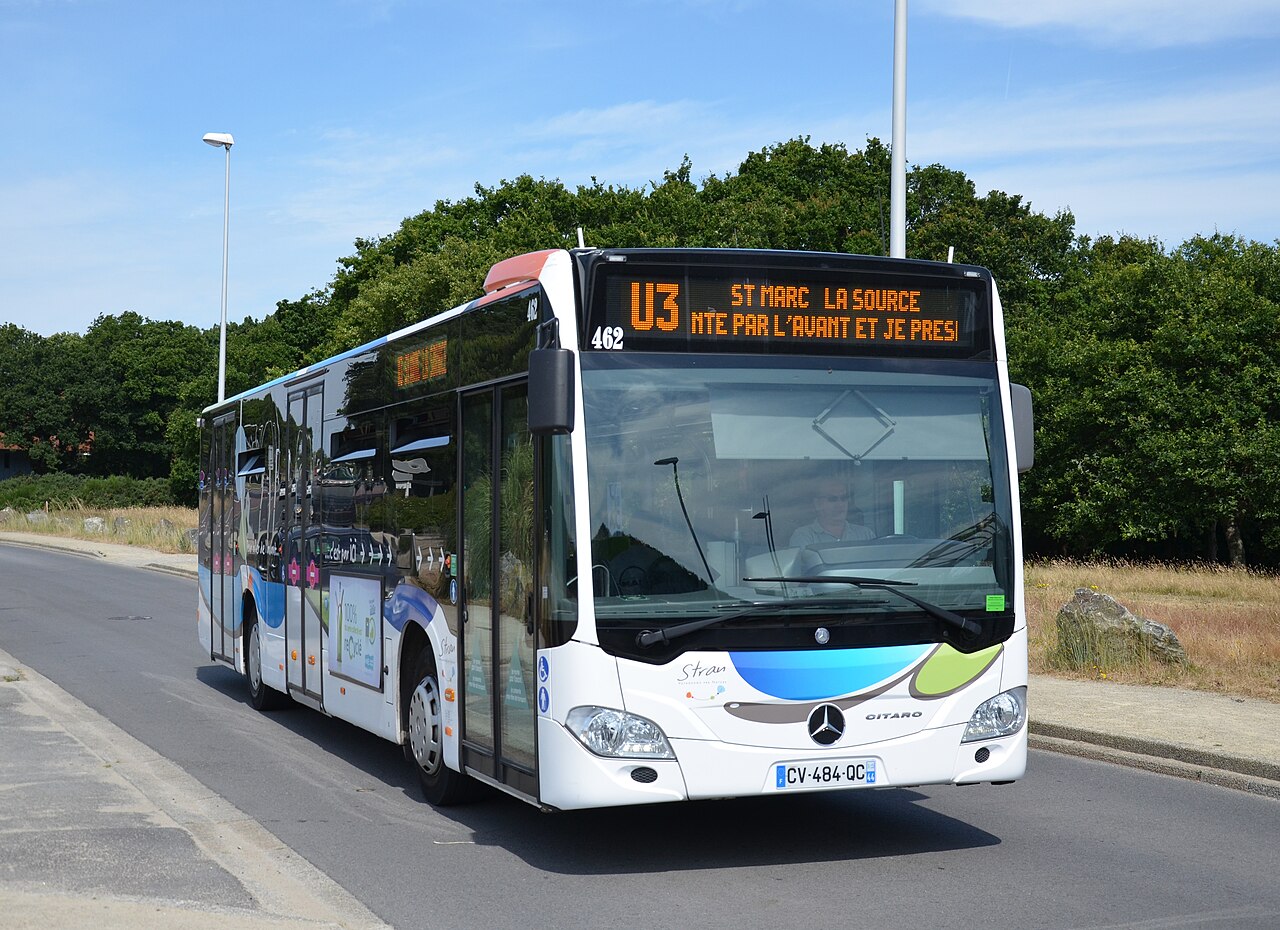
For its European range, Mercedes-Benz eventually retired the bare numbers and gave each job a proper name. The internal O-codes still exist underneath (the Citaro is officially the O530), but what you read on the brochure is a word — and each word maps to a clear mission:
Citaro — the city bus
The Citaro is the low-floor urban workhorse, and it's one of the most successful buses ever made. Launched in 1997 with its world premiere at the UITP Congress in Stuttgart, it succeeded the boxy O405N and redrew what a city bus looked like. Daimler Buses has built more than 60,000 Citaro and eCitaro units over 25 years — by the company's own account, it "has shaped the city bus scene like no other bus." If you've ridden a European city bus this decade, odds are it was a Citaro.
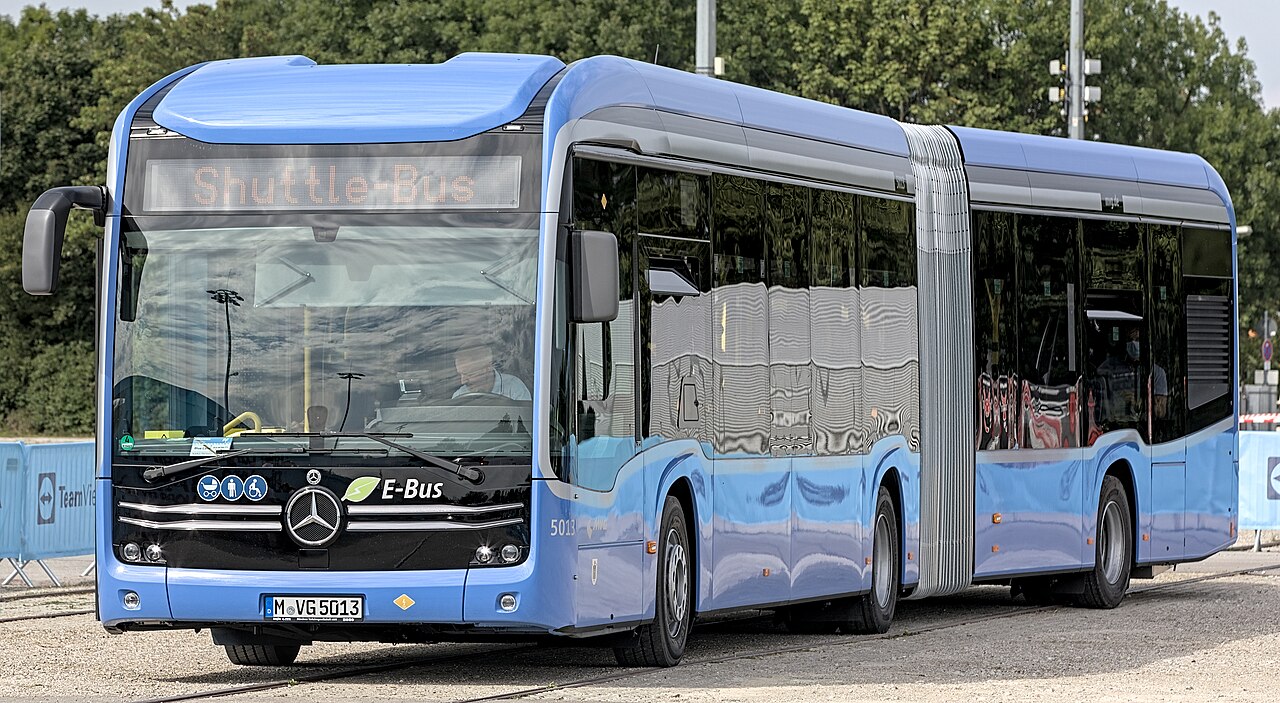
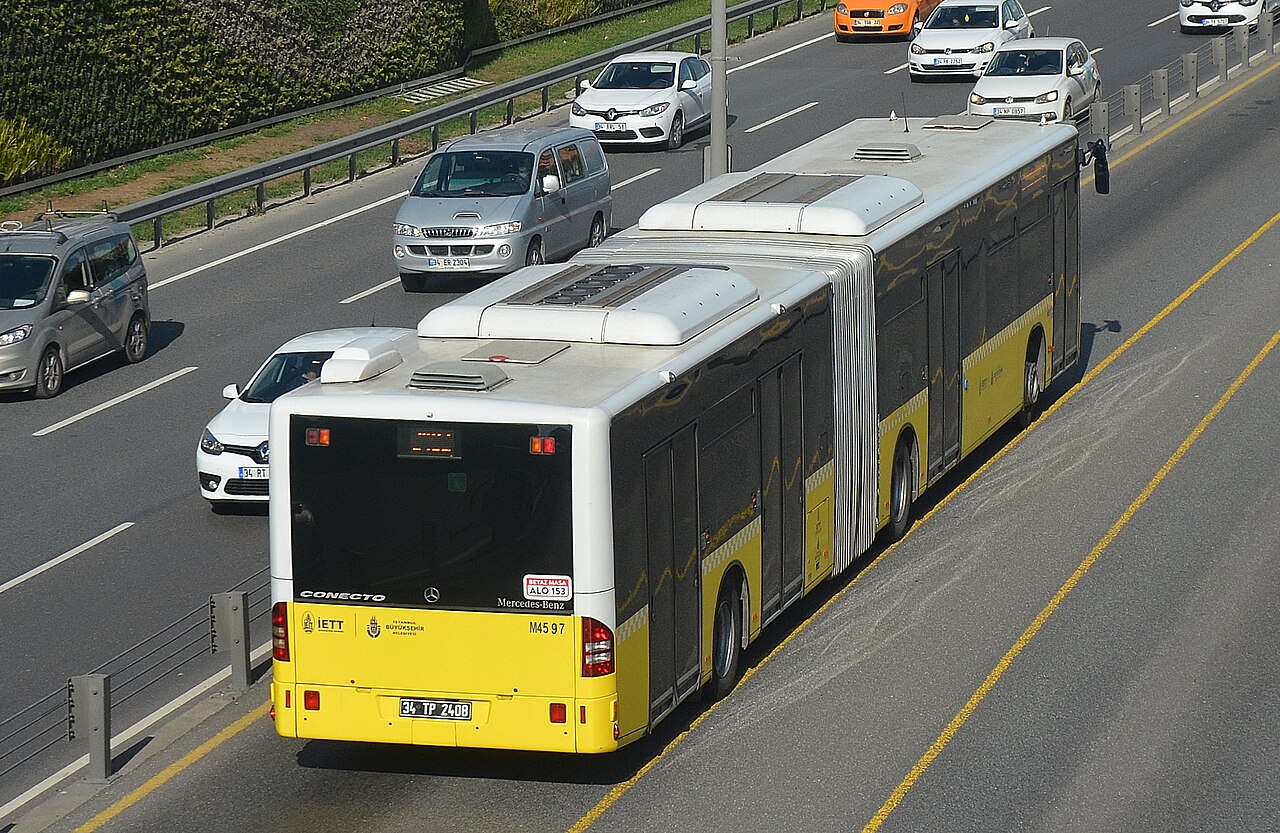
Conecto — the value city bus
The Conecto is the Citaro's budget-minded sibling: a fully low-floor city bus engineered for economical operation and low running costs, sold as a three-door solo or a four-door articulated. Crucially, it's built at the Hoşdere plant in Istanbul by Mercedes-Benz Türk — in production there since 2007 — which is exactly why the Conecto is everywhere on Turkish streets and a favourite in the Mercedes-Benz buses of Turkey. Demand is so strong that from September 2026 Otokar will also build the Conecto for Daimler at its Sakarya plant.
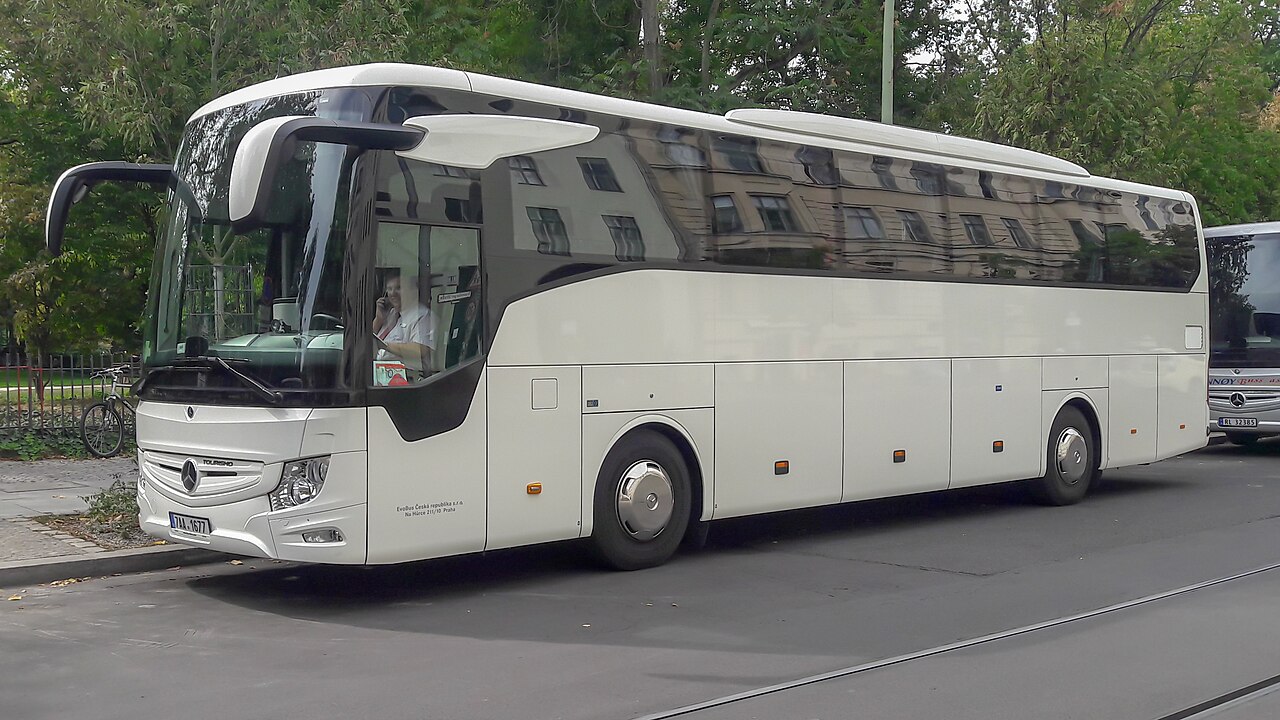
Tourismo — the touring coach
Step up to long-distance travel and the name changes again. The Tourismo is Mercedes-Benz's high-deck touring coach — the economic all-rounder for long-haul work, with a wide choice of engines and lengths. Reclining seats, luggage bays underneath, a tall body for the view: this is the holiday-and-highway end of the range.
Intouro — the intercity all-rounder
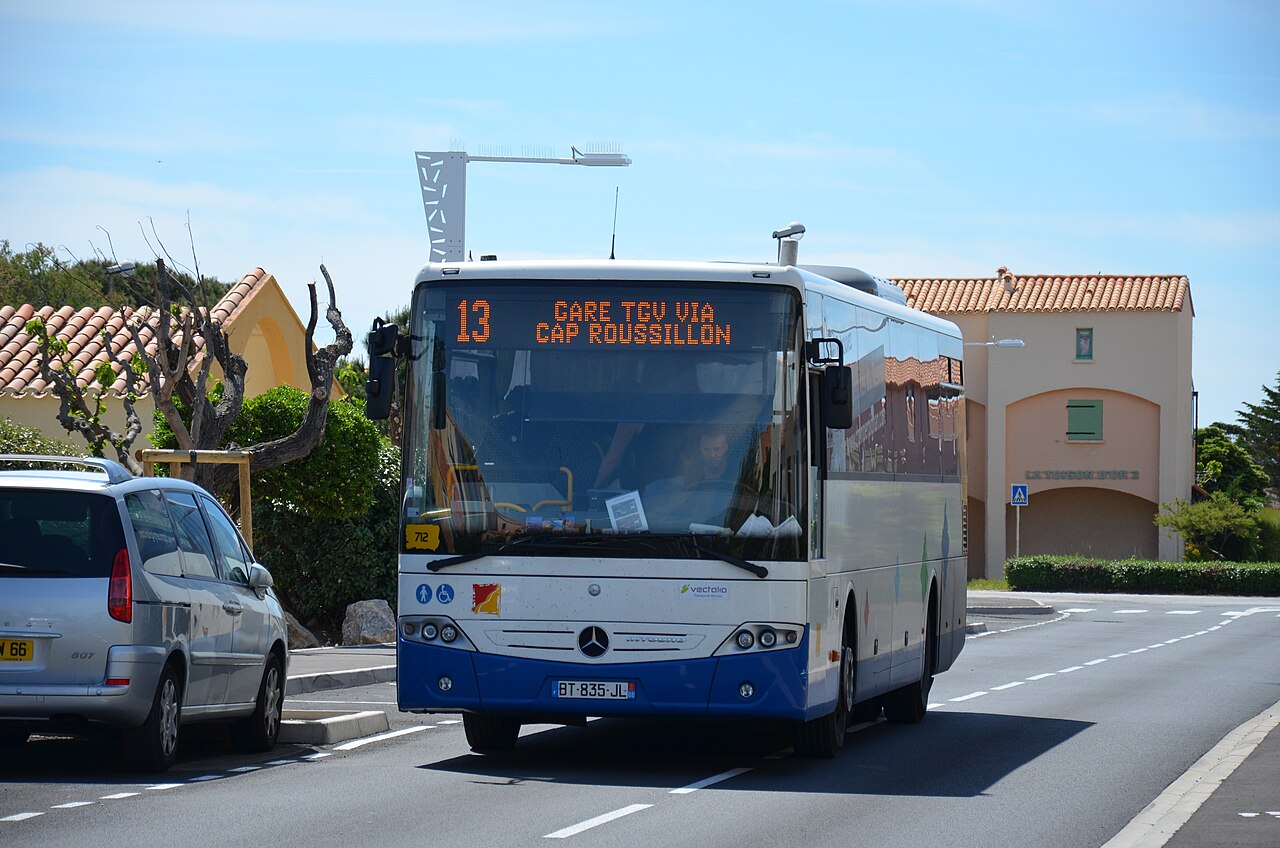
Between the city bus and the touring coach sits the Intouro: a high-floor intercity bus aimed squarely at the price-sensitive interurban segment. It's the one that does school runs, shuttle duty and weekend excursions on the same chassis, switching between functional regular-service seating and more comfortable travel seats. Less plush than a Tourismo, far more flexible than a city bus.
What the badge tells you in the driver's seat
Here's why any of this matters once you're behind the wheel in a simulator. The code isn't trivia — it's a handling and sound preview:
- An OF (front engine) puts the diesel ahead of you. You get the engine note and heat up front and weight over the front axle — nose-heavy, with that old-school intercity feel.
- An OH or O 500 (rear engine) drops the rumble behind your shoulder and plants the driven rear axle. A high-floor OH coach also rides tall, so the body leans more in a corner — high centre of gravity, more roll to manage.
- A low-floor Citaro or Conecto sits its mass low and flat. That means a stable, planted city bus — but the real gameplay is the door cycle and the kneeling routine at every stop, not top speed.
Read the badge, predict the bus. It's the difference between guessing and knowing how a mod will feel before you spawn it. When you're ready to put the theory to work, browse every Mercedes-Benz bus mod in the catalogue and see how many of these codes you can now read on sight.
FAQ
What does the O in Mercedes-Benz bus names mean?
What does OF-1721 mean?
What's the difference between OF and OH?
Is the Citaro an O-number too?
Hero & illustrations via Wikimedia Commons: Citaro C2 — Florian Fèvre, CC BY-SA 4.0. Full per-image credits in each caption above.