Two Germanys, Two Buses: How East and West Built Their Fleets in Opposite Ways
Same country, same language, one Wall — and two completely different ways of putting a bus on the street. In the West, rival companies competed for every city's order, all building to a blueprint they had agreed on together. In the East, a committee in another country decided what everyone would drive. Divided Germany ran two bus systems that were near-perfect mirror images: the same goal — a cheap, standard, reliable city bus — reached by opposite economics.
We have told the two ends of this story before: the saga of Ikarus, the Hungarian bus the Cold War built and broke, and the fleet of Berlin's yellow BVG. This is the piece in the middle — the two systems, side by side, and what happened when the Wall came down and they crashed into each other.
The East: a country told to stop building buses
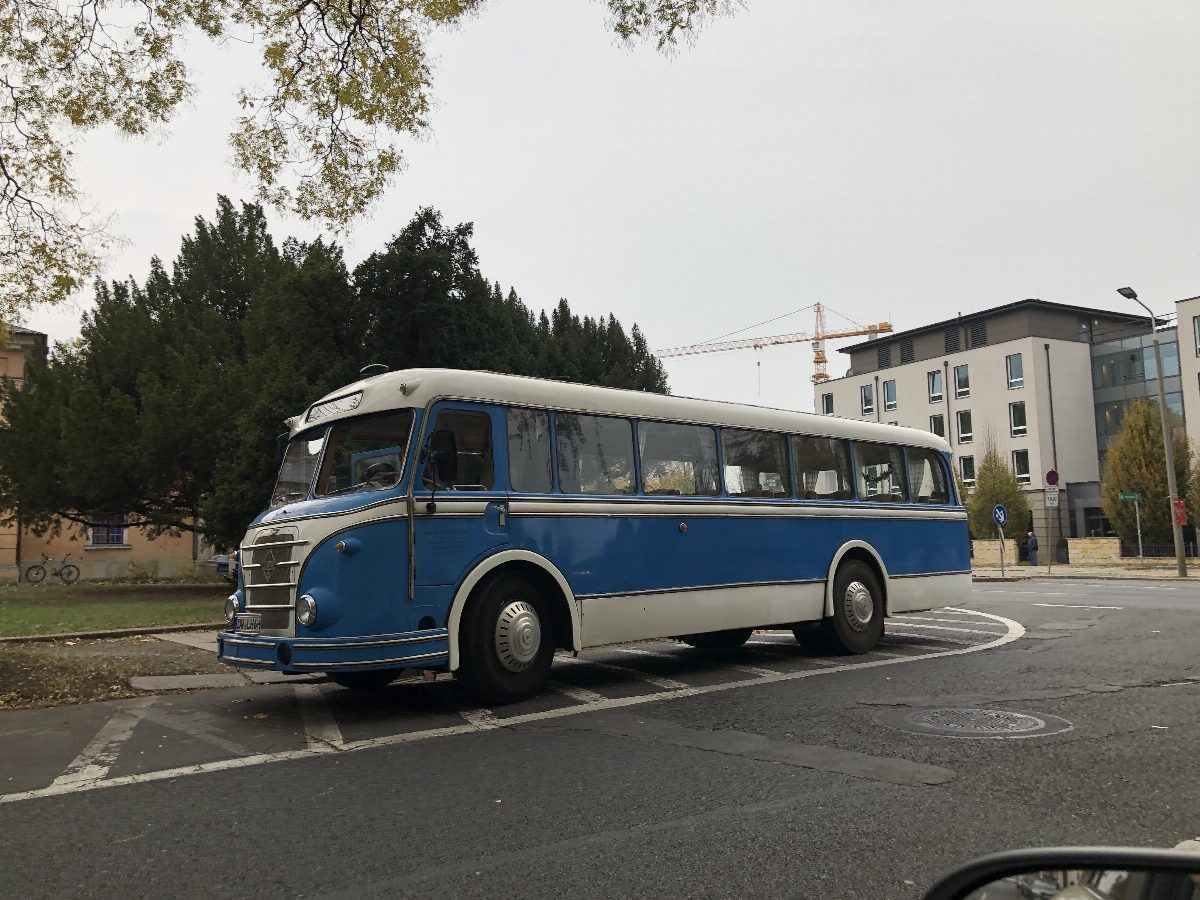
East Germany did build its own buses — at first. In the 1950s the IFA H6B rolled out of a state-owned VEB works in Werdau: a big, upright city bus that was entirely home-grown, the DDR's own idea of what a bus should be.
Then it was taken away from them. Around 1959–60, a decision inside COMECON — the socialist bloc's economic union — reorganised who built what, and large-bus production was assigned to Hungary. East Germany was, in effect, ordered to stop making its own big buses. The H6B was wound down, and its very design documents were handed over to Ikarus. From then on, the country that had just built its own bus imported every city bus it needed from Budapest.
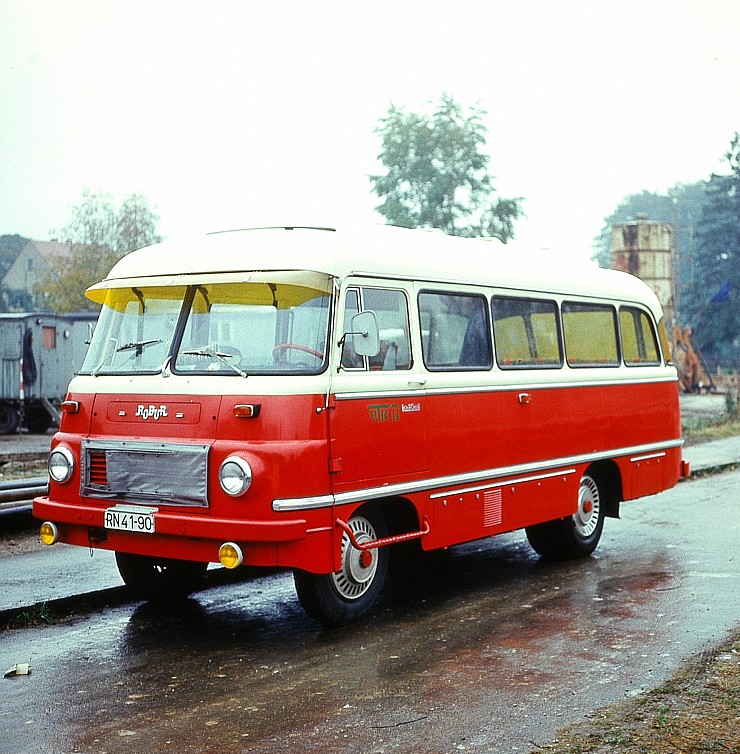
That is the whole Eastern model in one decision: no competition, no domestic bus industry, one supplier chosen not by a buyer but by a committee. It made planning simple and it made the fleet uniform — every East German city ran the same Ikarus — but nobody in the DDR could ever choose a different bus, because there was no other bus to choose.
The West: rivals racing to build the same bus
West Germany arrived at a uniform fleet too — but from the opposite direction. There was no decree. Instead the operators' own association, the VÖV, wrote a voluntary standard for a city bus, the Standard-Linienbus, first agreed in 1968. The motive was thrift: if every bus shared the same dimensions, cities could share spare parts, service bays and driver training. (It was Hamburg's Hochbahn that first pushed for it.)
Here is the crucial difference. The standard said what the bus should be — but it did not say who should build it. So the big West German makers all raced to build their own version of it: Mercedes-Benz as the O305, alongside MAN, Büssing and Magirus-Deutz. Same blueprint, rival factories, every one of them fighting for each municipal contract. It was standardisation by market agreement, not by command.
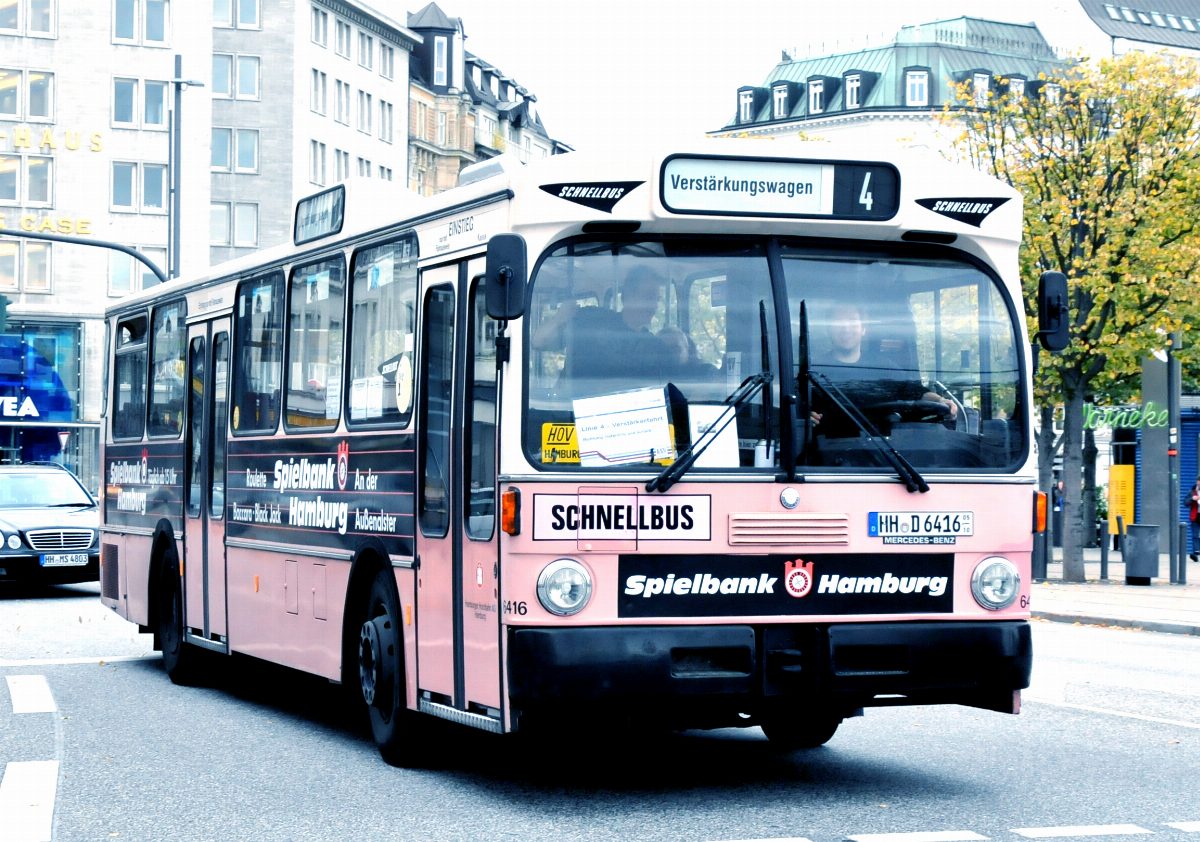
The result was a strange near-symmetry. Both Germanys ended up with a standardised, interchangeable fleet — but the West got there with a competitive industry intact, and the East got there by giving its industry away. (Why that shared Western blueprint went on to make nearly every European bus look identical is its own story — we untangled it in why European city buses all have the same flat back.)
Berlin: the two systems in one city
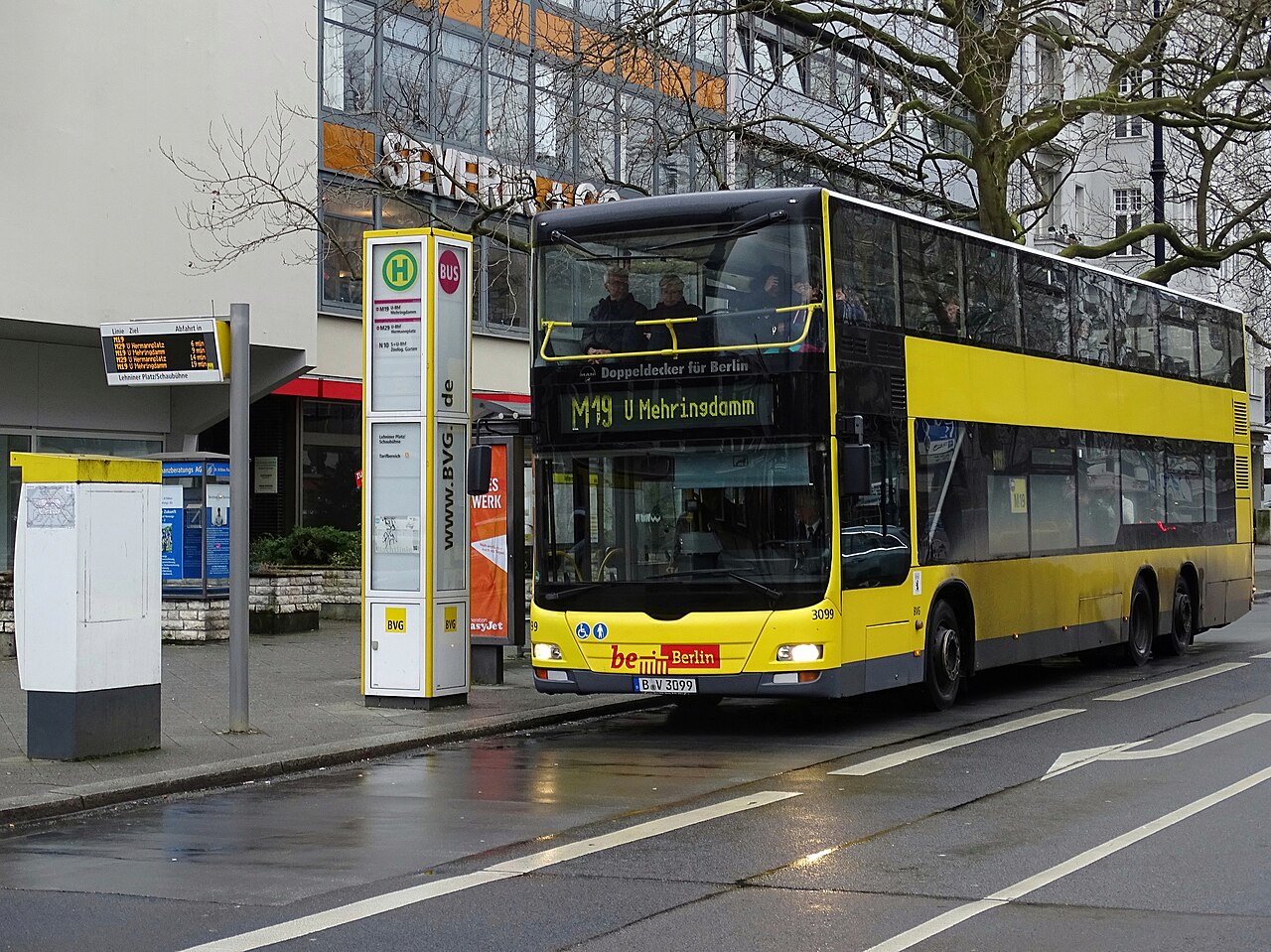
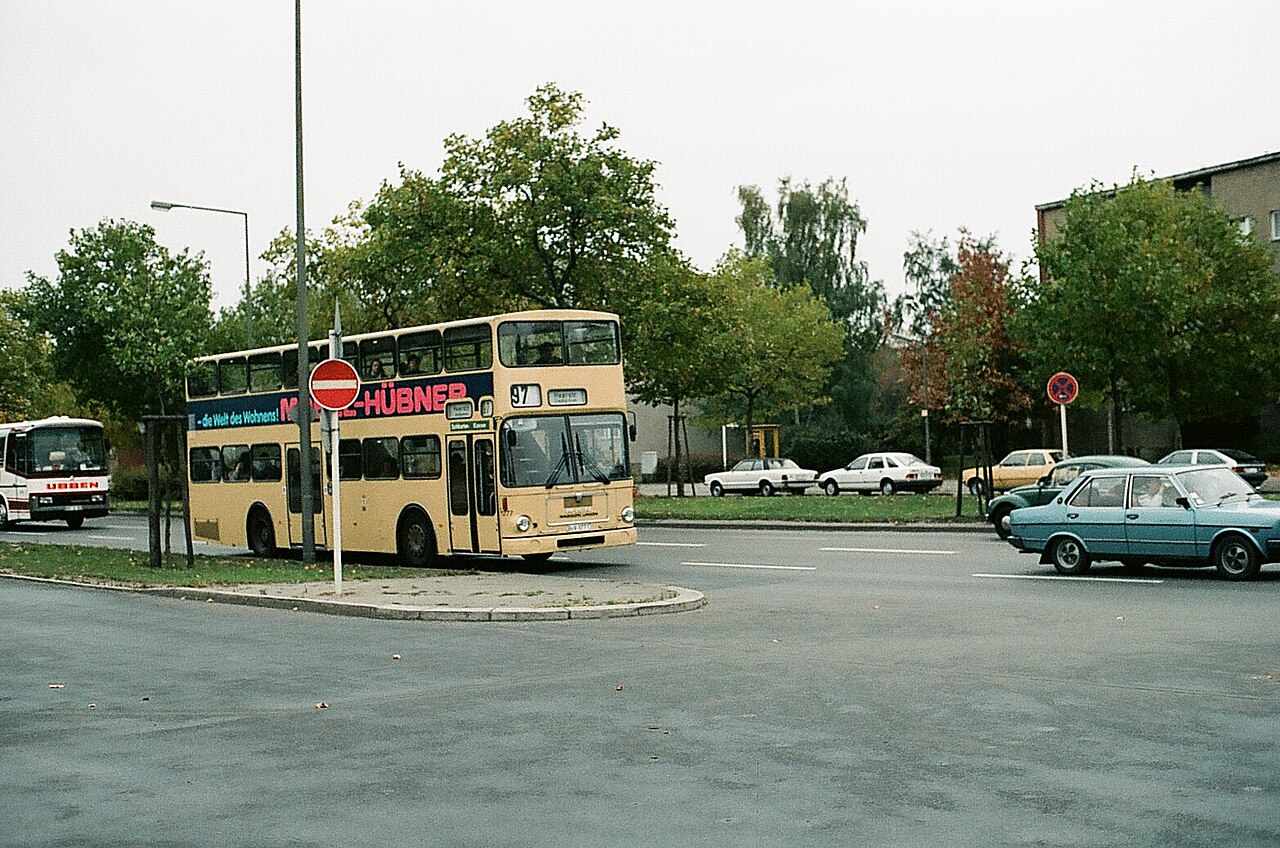
Nowhere were the two models parked closer together than in Berlin. On the western side, the BVG ran home-market German buses bought on open tender — including the tall MAN double-deckers that became the city's signature.
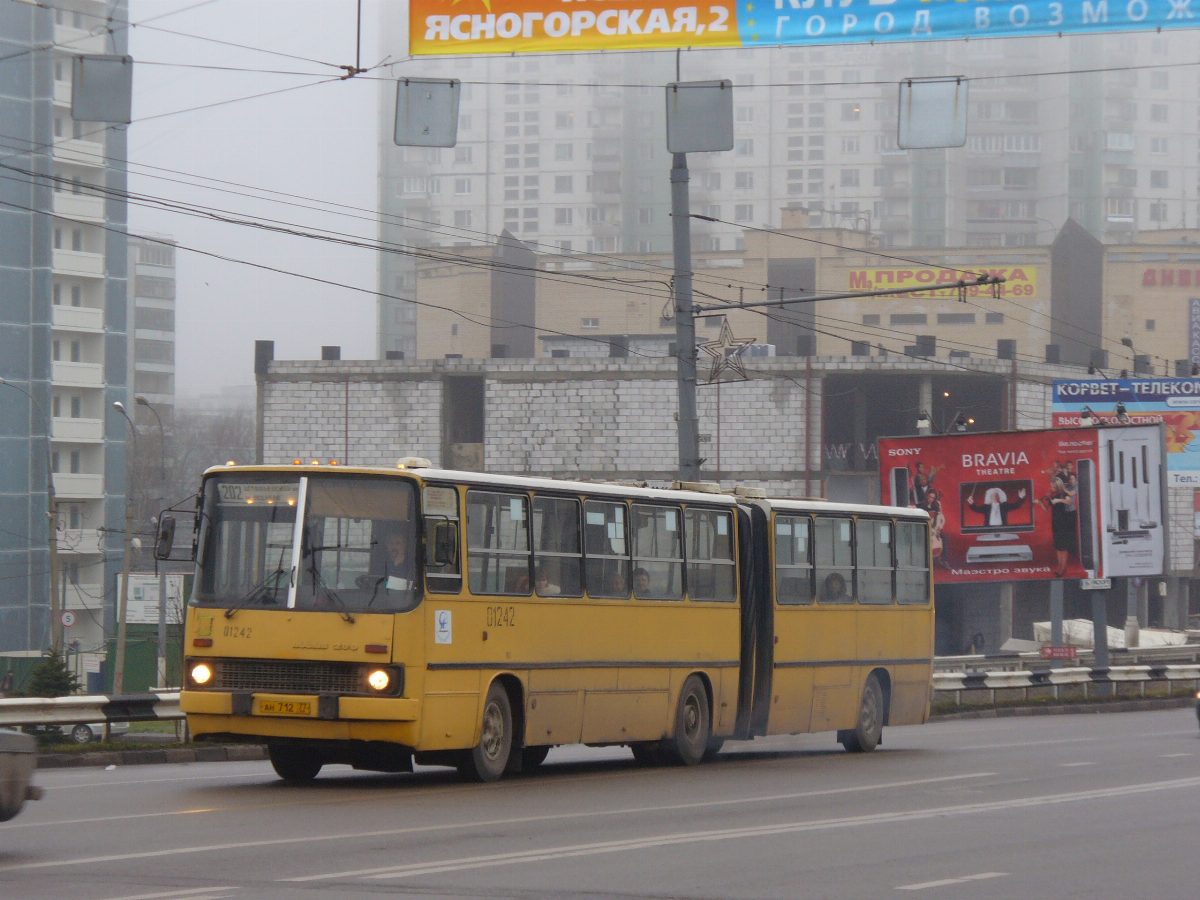
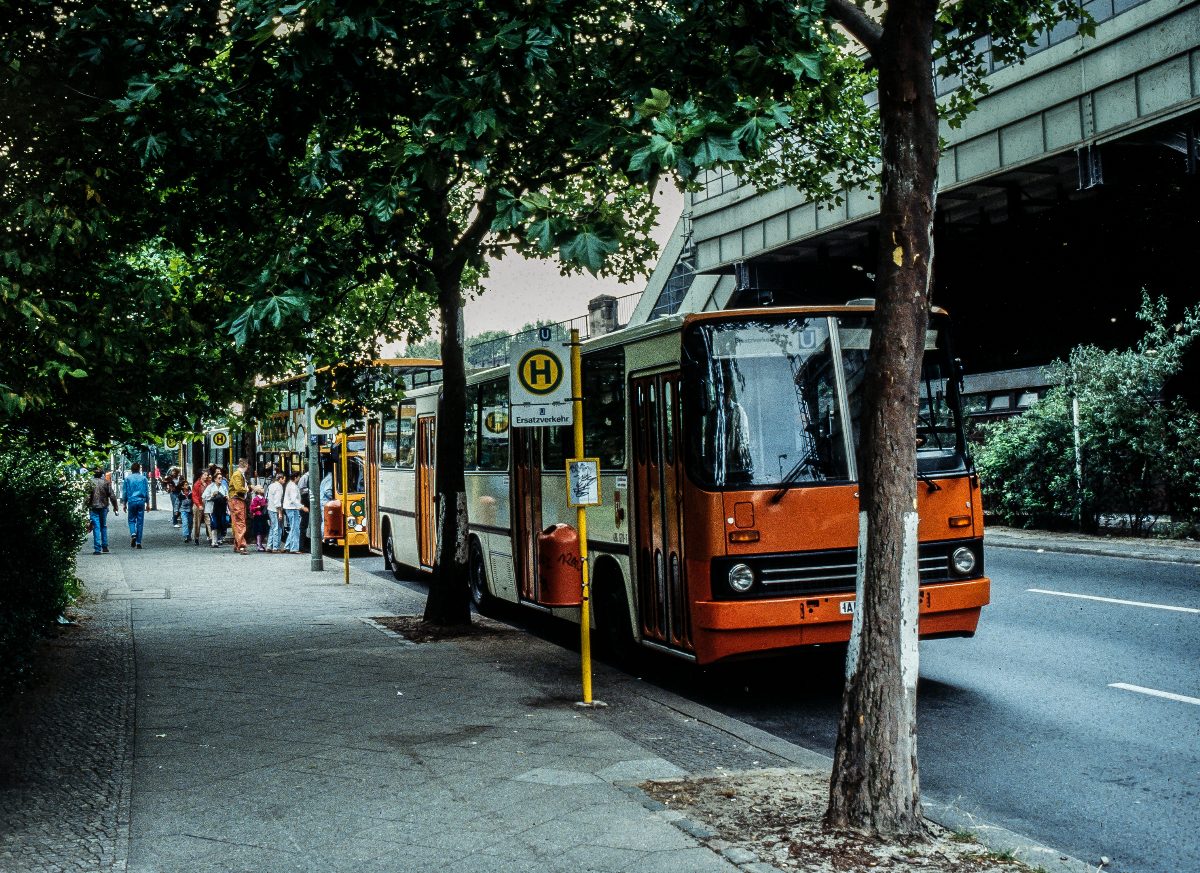
A few kilometres east, across the Wall, the very same job was done by a Hungarian import the plan had supplied — the Ikarus 280.
1990: when the two systems collided
Reunification did not just merge two countries; it slammed two bus systems together overnight. The East's Ikarus fleet had been supplied by a planned economy that, by 1991, no longer existed — and now those buses had to survive in a free market they were never designed to compete in.
East German cities promptly did the one thing the West had always been able to do: they shopped. Freed to choose, they bought Mercedes and MAN, and within a few years the Ikarus had all but vanished from German streets. The whole reunified country converged on the Western, competitive-market way of buying buses. The command system did not lose a fair fight — it simply stopped existing, and the market absorbed what was left. (The blow this dealt to Ikarus itself — cancelled orders, buses stranded in the yard, bankruptcy in 1991 — is the heart of the Ikarus story.)
Driving both Germanys in the sim
The good news for a simulator driver is that both halves of this history are still drivable. Put an Ikarus 280 on a Berlin or Eastern-bloc route and you are driving the command economy — the bus a committee assigned. Load a Mercedes O305 or a MAN from the German bus mods and you are driving the market — the bus that had to win its contract. Same era, same country, two machines that only a border and an ideology kept apart.
FAQ
Did East Germany make its own buses?
Why did East and West Germany use different buses?
What was the VÖV standard bus?
What happened to East Germany's buses after reunification?
Sources
- IFA H6B — Wikipedia (DE) — the East German city bus built 1952–1959 at the VEB works in Werdau, and the 1959/60 COMECON decision that ended DDR bus production, reassigned it to Hungary, and saw the H6B replaced by imported Ikarus buses.
- VöV-Standard-Bus — Wikipedia — West Germany's voluntary operator-written city-bus standard (first generation from 1968), requested by the Hamburger Hochbahn and built by rival makers including Büssing, Magirus-Deutz and Daimler-Benz.
- Mercedes-Benz O305 — Wikipedia — Mercedes-Benz's version of the VÖV standard bus (1969–1988), one of several competing implementations of the shared blueprint.
- Ikarus (Hungarian company) — Wikipedia — the COMECON specialization that made Hungary the bloc's bus supplier, East Germany as a major Ikarus market, and the collapse of that market after reunification.
Hero: a restored IFA H6B by LutzBruno, CC BY-SA 4.0, via Wikimedia Commons. In-body photos are credited in their captions.