What Do Marcopolo Bus Names Mean? Paradiso, Viaggio, Torino and More
If you've ridden a long-distance bus anywhere in South America, you've almost certainly ridden a Marcopolo — and you've seen one of those elegant Italian names on the side: Paradiso, Viaggio, Torino, Audace, Viale. They sound like a holiday brochure, but each one is a precise label that tells you what the bus is for before you even step aboard.
There's a twist that trips up newcomers, though: that Marcopolo name doesn't tell you who built the bus's mechanicals. Marcopolo builds the body — the chassis underneath is usually a Volvo, a Scania or a Mercedes-Benz. Understanding that split is the key to reading any Brazilian bus, and it's exactly the kind of thing you start noticing once you drive these mods in Proton Bus Simulator.
Marcopolo builds bodies, not buses
Start with the most important fact. Marcopolo is "a Brazilian bus, coach and rail manufacturer" that "manufactures the bodies for a whole range of coaches" — it is an encarroçador, a coachbuilder. Founded "on 6 August 1949 in the southern Brazilian city of Caxias do Sul," it grew into "the largest bus car manufacturer in Latin America and the third worldwide," and today "over half of the bus bodies in Brazil are from the company." The Paradiso alone has been "produced since its launch in 1984, on various chassis with rear or mid-engine: Mercedes-Benz, Volvo, Scania and Volkswagen."
So a "Marcopolo Paradiso" is a body design. Bolt that same body onto a Scania K-chassis, a Volvo B-chassis or a Mercedes platform and you get three buses that look identical but sound and drive differently — because, as we explained in our guide to Scania bus names, the chassis is where the engine and its behaviour live.
The road coaches: Paradiso, Viaggio and Audace
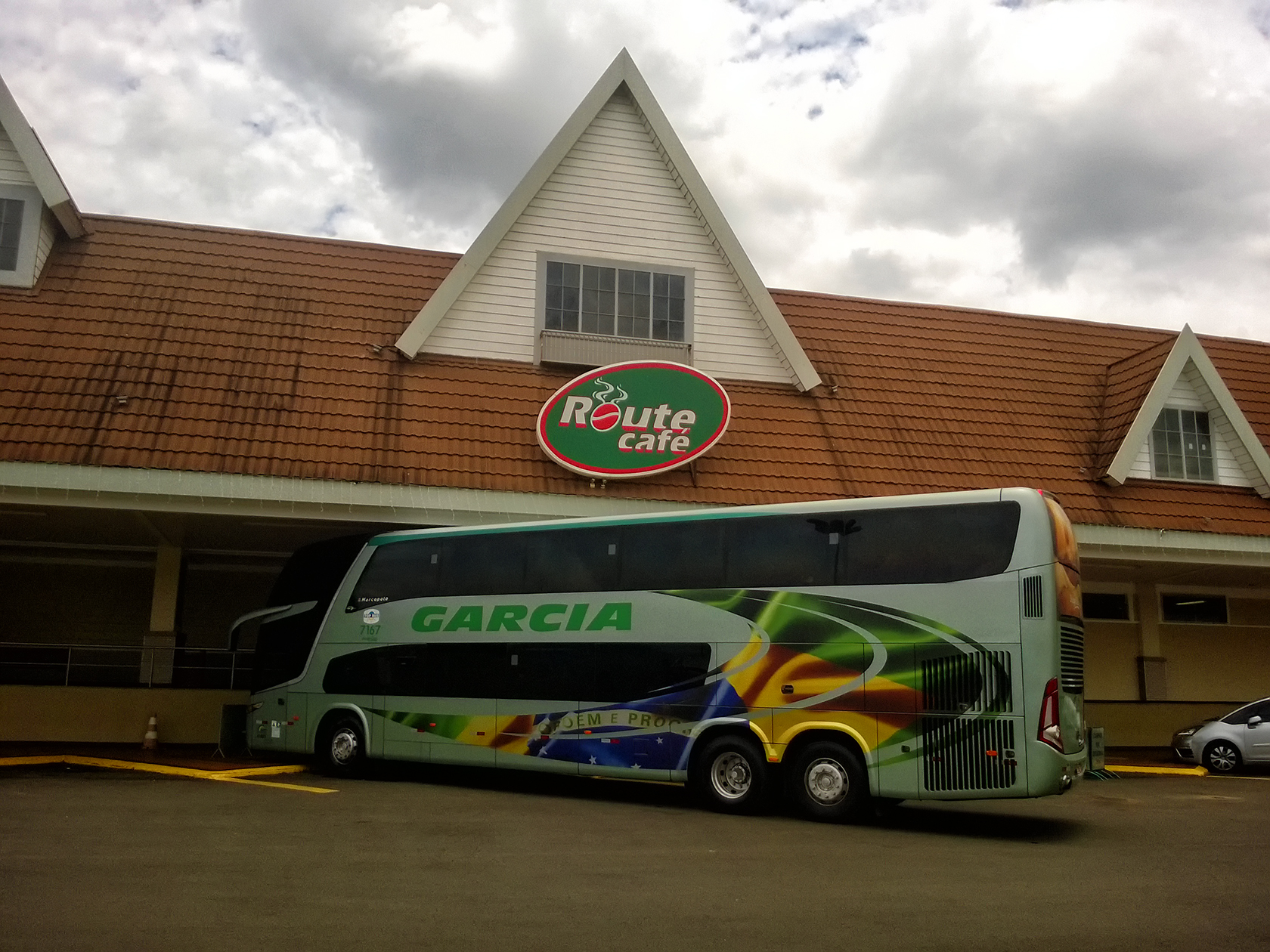
Marcopolo's long-distance range is a clean three-step ladder, and the Italian names hint at the order. The Paradiso ("paradise") is the flagship — "a coach body for medium and long-distance buses," the premium tier you ride on an overnight intercity haul. Below it, the Viaggio ("journey") is the versatile mid-range coach for regional and intercity work. Entry to the road family is the Audace ("bold"), aimed at charter and shorter standard-line routes. One word on the flank, and you already know whether you're looking at a premium cruiser or a workhorse.
Reading the numbers — and the famous "1800 DD"
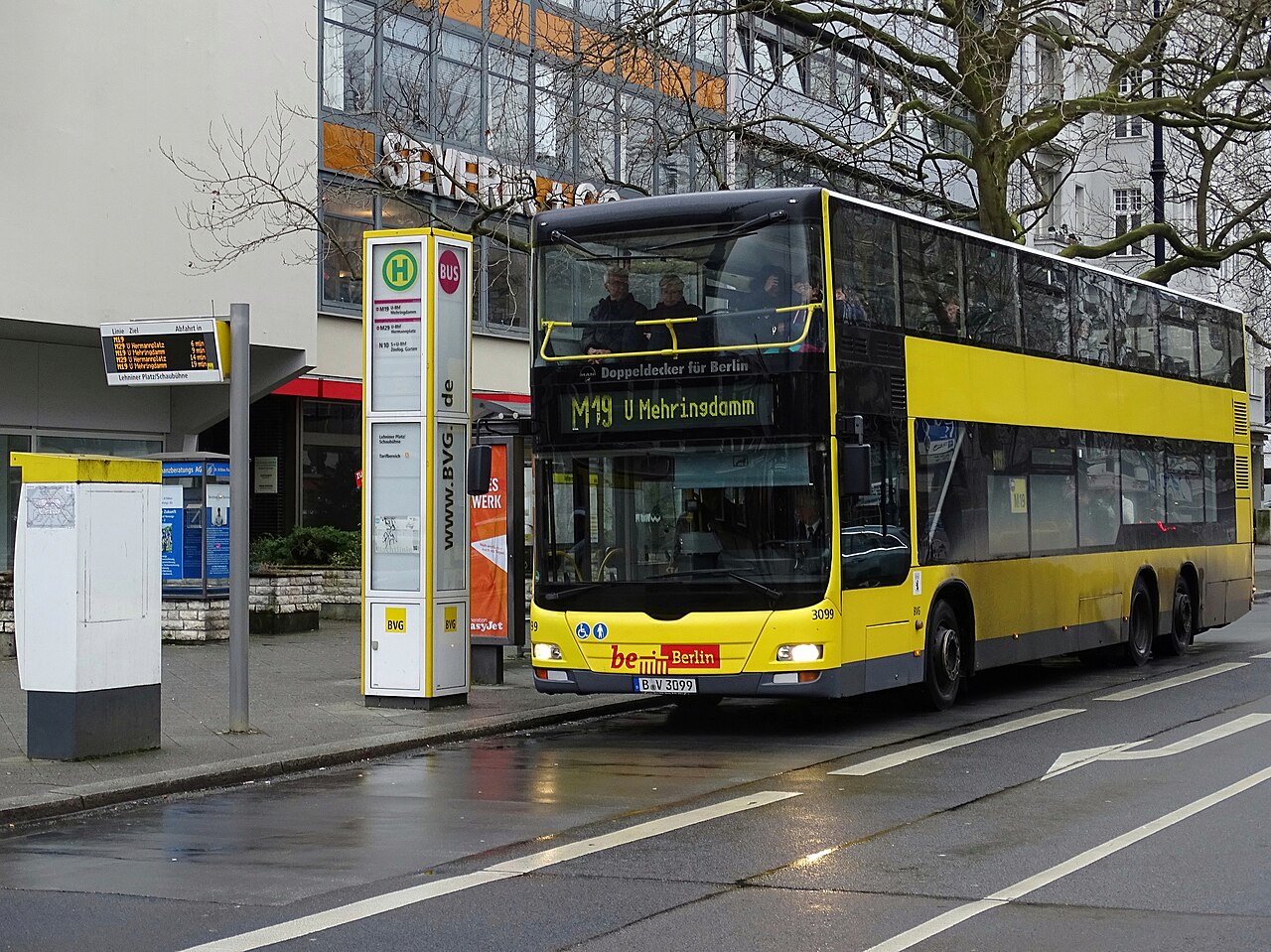
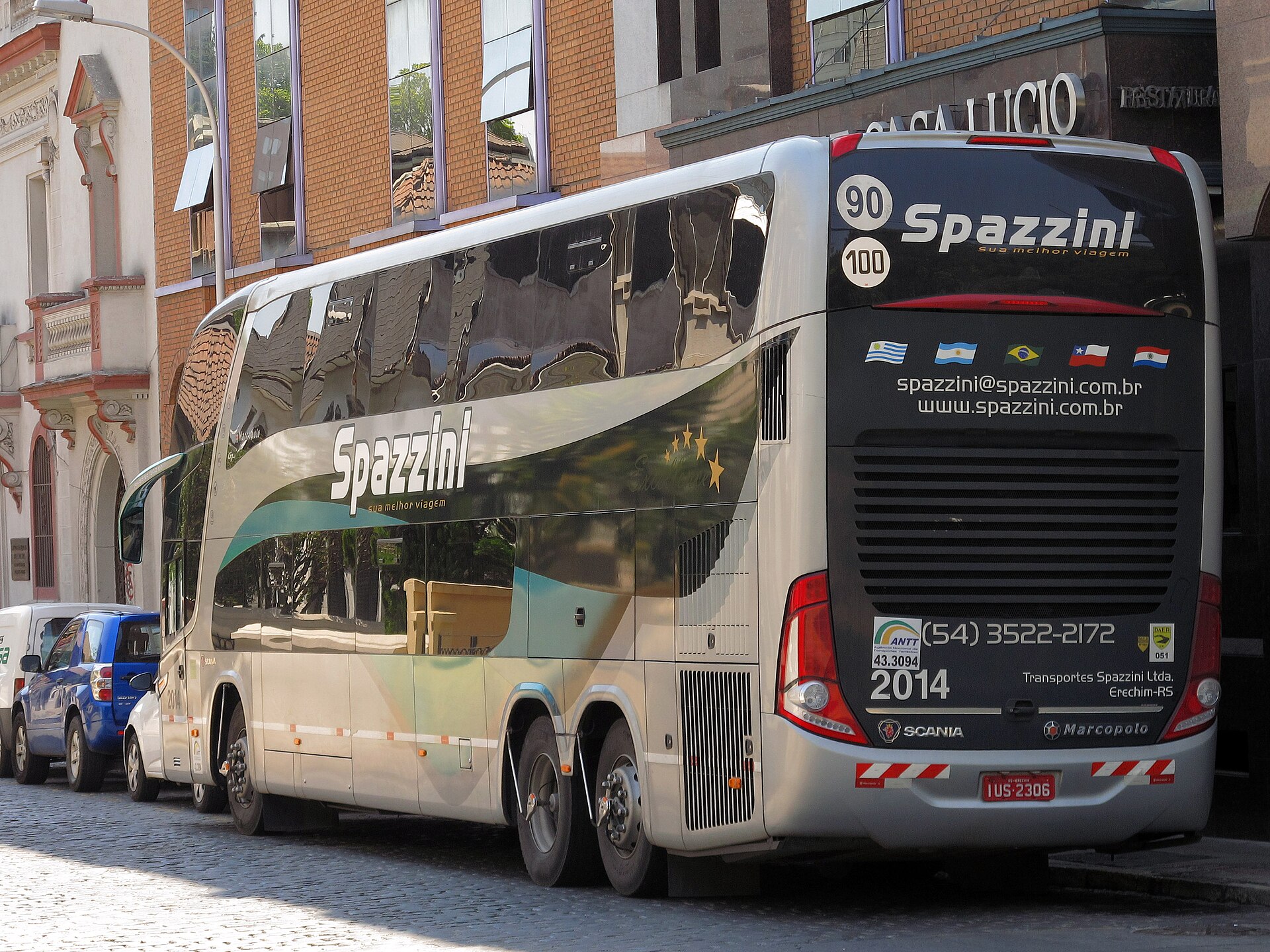
After the name comes a number, and it tracks size and height: the Paradiso family runs through the 1050, 1200 and 1350 up to the 1800 DD. That last badge is the one enthusiasts chase. "DD" means double-decker, and the Paradiso 1800 DD is Marcopolo's largest and most luxurious coach — a two-storey road palace that rules the continent's premium overnight routes. If you want to know why a bus that tall leans the way it does, we covered the physics in our story of the double-decker bus.
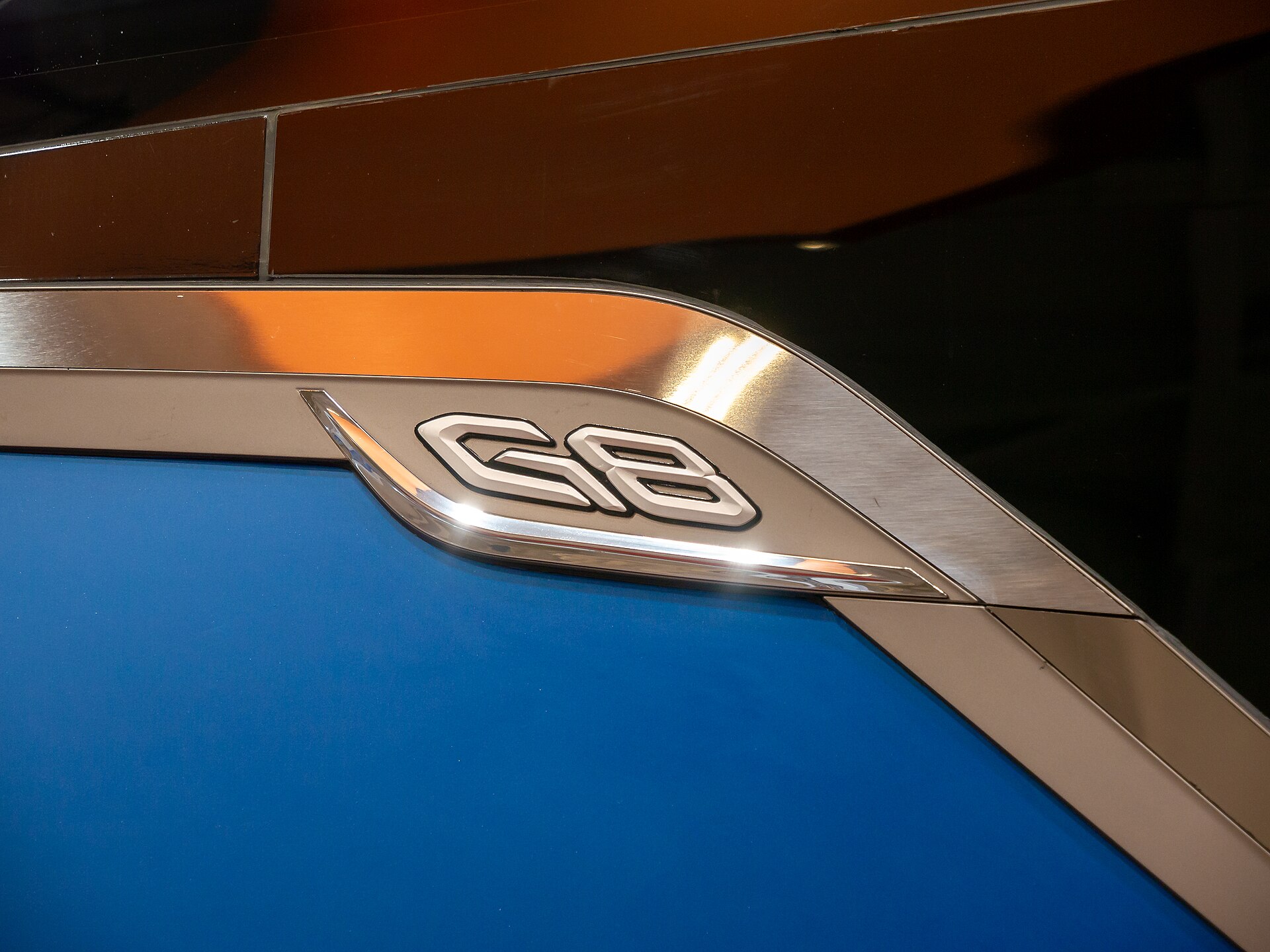
The letter-plus-G code tells you the generation. The Paradiso has evolved through "Paradiso G4, Paradiso GV, Paradiso G6, Paradiso G7 and Paradiso G8," each redrawing the front and the lighting, and "on July 20, 2021, Marcopolo presented a new generation of the Paradiso, generation 8." Marcopolo even celebrated its thousandth G8 with — fittingly — a Paradiso 1800 DD, and has since gone further still, reportedly building the world's first four-axle double-decker coach for an operator in South Africa.
The city side: Torino, Viale and BRT
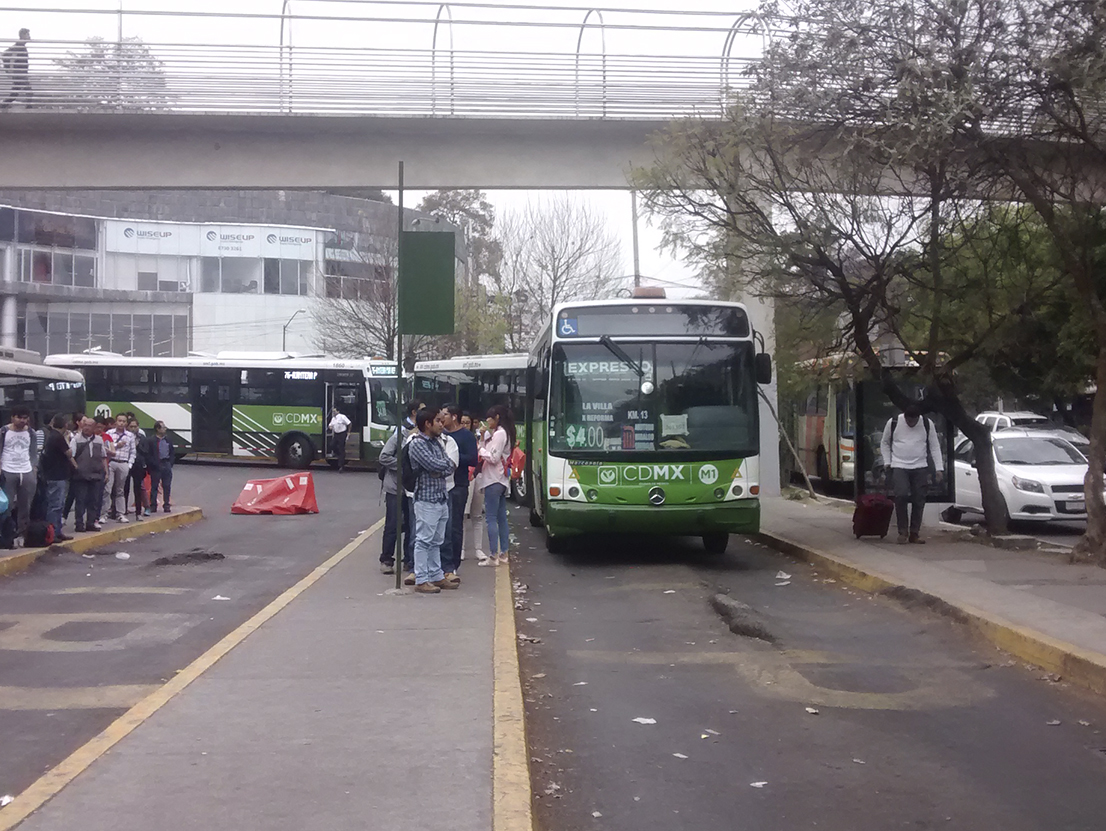
Marcopolo's urban range uses a different set of names. The Torino and Viale are its city buses — low, simple, built for stop-and-go work rather than long-haul comfort. The Viale BRT and the articulated Gran Viale push the urban family into Bus Rapid Transit, the high-capacity trunk-line role. In the catalog you can sample the whole spread: the Torino Low Entry, the Viale on a VW chassis in São Paulo SPTrans colours, and the BRT-spec MP60 Gran Viale.
Reading the badge in the simulator
Put it together and a Marcopolo badge becomes a two-part prediction. The name tells you the body's job: a Paradiso 1800 DD is a tall, top-heavy double-decker that leans into bends and demands smoothness, while a Torino sits low and planted for darting between stops. The chassis underneath tells you how it sounds and pulls: a Paradiso on a Scania K has that upright rear inline-six growl, where the same body on a Volvo or Mercedes answers differently. Learn to separate "Marcopolo" (the shape) from the chassis badge (the soul) and you can read any Brazilian bus at a glance.
Browse the full range on the Marcopolo mods hub, and pair it with our Scania naming guide to decode the chassis sitting under all that bodywork.