Mercedes-Benz Citaro: 25 Years and 70,000 Buses (The Most Successful City Bus Ever)
Stand at almost any bus stop in Europe and wait a few minutes. Sooner or later, something low-floored, rounded at the corners and faintly familiar will hiss up to the kerb — and the odds are good it wears a three-pointed star. The Mercedes-Benz Citaro is so ordinary, so woven into the texture of European city life, that it is easy to forget what a deliberate piece of engineering it is. We dug into Daimler's own press archive to put a number on that ubiquity, and it is a big one: in late 2024 the company marked the 70,000th Citaro built since the bus premiered in 1997.
That makes it, by Daimler's own description, the most successful bus in the company's history — simultaneously the everyday workhorse you stop noticing and a serial award winner. This is the story of how a single platform held that title across nearly three decades, four distinct body formats, two full generations and a complete switch of propulsion, from a rear diesel to a near-silent battery pack.
1997: the low-floor turning point
The Citaro made its world debut in 1997 at the UITP public-transport congress in Stuttgart, and Daimler does not undersell the moment: it describes that first generation as marking "the turning point towards passenger-friendly, economical and safe urban transport using low-floor buses." The point was the floor. A genuinely low, step-free floor changed who could use a city bus — wheelchair users, parents with prams, anyone with a heavy shopping trolley — and it changed how fast a full bus could load and unload at every stop.
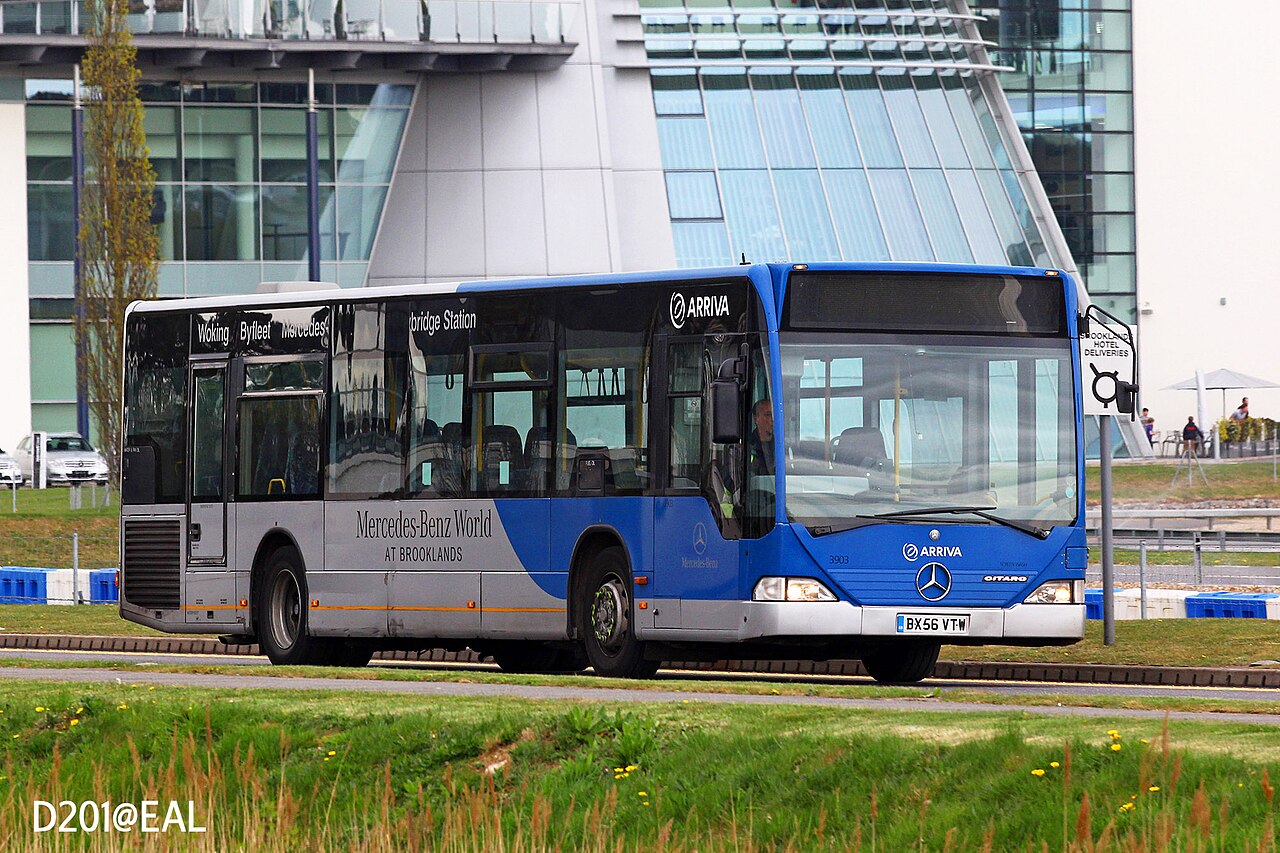
Mechanically the formula was conservative on purpose: a rigid 12-metre body (factory code O530), a transversely or longitudinally mounted inline-six diesel at the back, two or three doors depending on how an operator wanted to trade seats against boarding speed. We cover the badge logic — what "O530" and the rest of the alphanumerics actually decode to — in our guide to what Mercedes-Benz bus names mean. If you want the wider context for why the late 1990s was the moment the step disappeared from the city bus, that is its own story in the low-floor revolution.
The Citaro G: 18 metres, one joint, and London
From the start the Citaro was a family, not a single bus. Daimler launched it "as a Citaro solo bus and Citaro G articulated bus" — the G (for Gelenkbus, "articulated bus") being the 18-metre, three-axle bendy version with a turntable joint in the middle. The articulated Citaro is where the platform's reach becomes obvious: it is a fixture of European trunk routes and bus rapid transit corridors, and it carries well over 140 passengers where a conventional decker would manage half that.
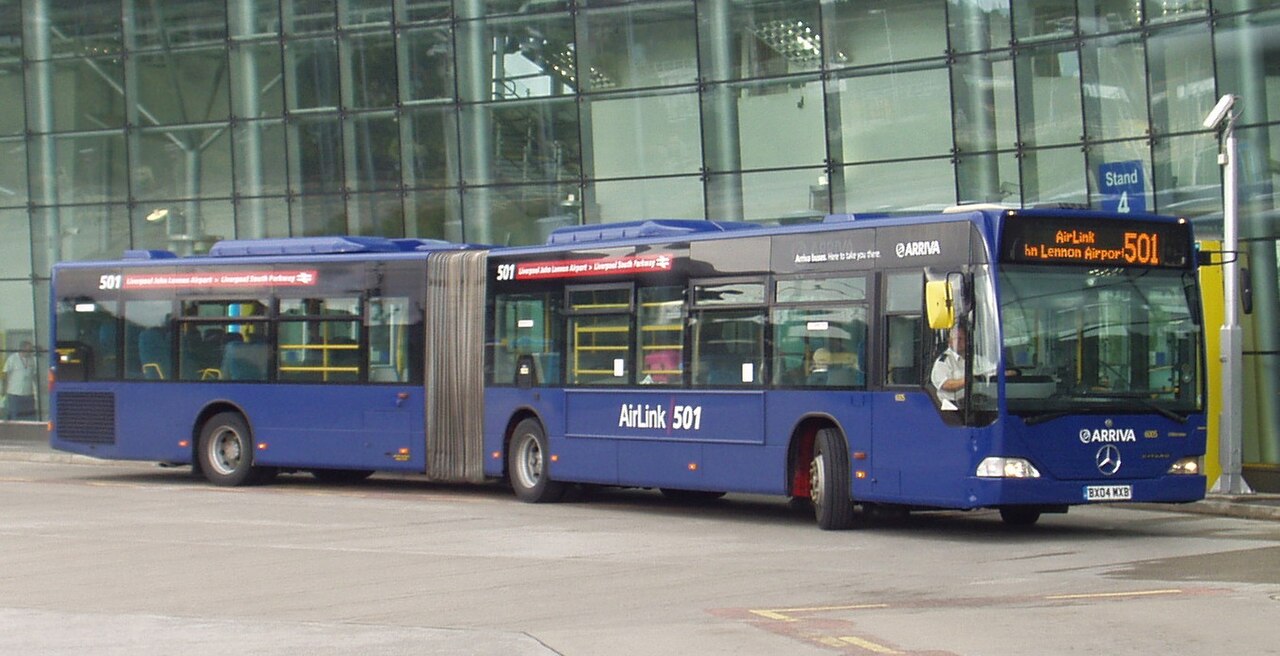
Its most-quoted posting is London. Right-hand-drive Citaro Gs entered service on 2 June 2002, first on the Red Arrow routes 507 and 521, and the bendy bus went on to run a dozen of the capital's busiest corridors. Their arrival was bound up with the retirement of the open-platform AEC Routemaster, which no longer met the UK's 1995 disability-access law: a high-capacity, level-boarding artic was the modern answer to a 1950s icon. (The experiment did not last — London withdrew its final Citaro G in December 2011, well before the rest of Europe tired of the format.) The bendy bus's reputation never fully recovered in Britain, but across the Continent the Citaro G remains everywhere.
CapaCity: when 18 metres still isn't enough
For the busiest corridors of all, even the standard articulated bus runs out of room. Daimler's answer arrived in the mid-2000s as the CapaCity, introduced in 2005 — a four-axle, extra-long articulated Citaro derivative built to swallow BRT-level passenger loads on a single vehicle rather than running two buses nose to tail. It is the rarest member of the family and the one most people never see, because it only makes sense where demand is relentless.
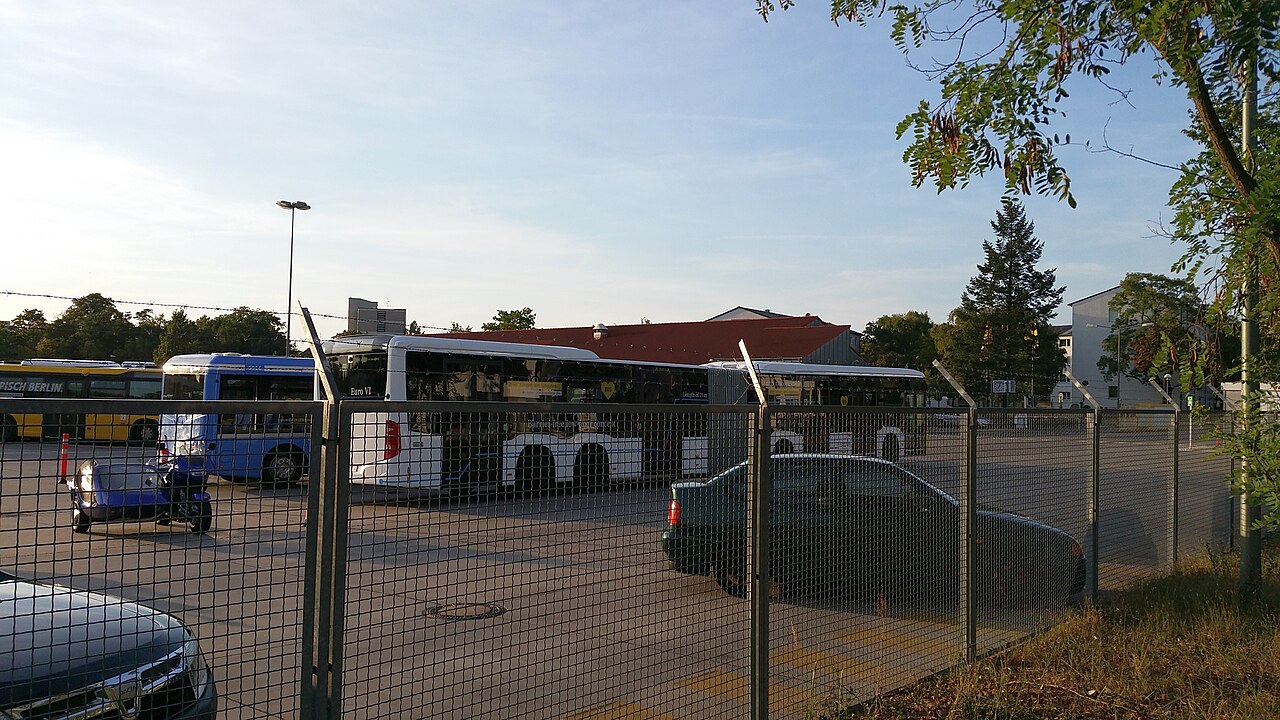
Around the same time the whole range was quietly modernised: a 2005 facelift, first previewed on the low-entry Citaro LE, rolled changes into every Citaro model through spring 2006. It is the kind of mid-life refresh that keeps a platform competitive without a clean-sheet redesign — and it bought the first generation another half-decade at the top of the sales charts.
2011: the second generation (C2)
By the time Daimler drew a line under the first generation, it had built "more than 32,000 units" of it — a staggering run for a single bus design. The second-generation Citaro, known internally as the C2, launched in 2011 with sharper, more angular styling, a redesigned interior and a raft of efficiency and safety updates. It is the version most likely to be picking you up today.
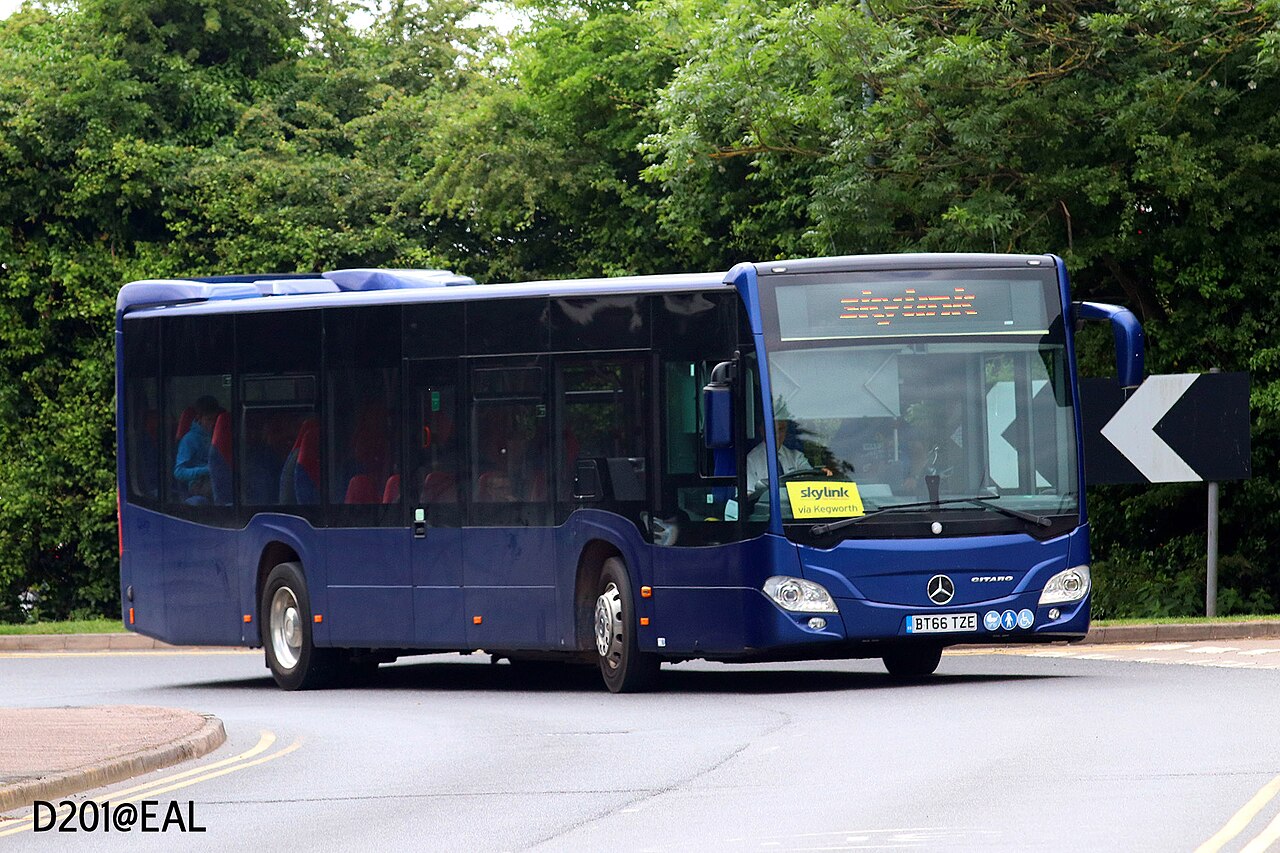
The awards followed the buses. The Citaro has won the European "Bus of the Year" title several times, and in the influential German Busplaner customer prize it took its class more than 20 times between 1998 and 2022. There is a real tension in that record: a bus this common is, almost by definition, a compromise machine built to a price for thousands of operators — and yet it kept winning. That is the Citaro's quiet trick. For more on how Mercedes-Benz adapts a single platform to wildly different cities, see how the related Conecto found a second life on the streets of Istanbul.
2018: the eCitaro and the switch to electric
The Citaro's most recent reinvention is also its most fundamental. The battery-electric eCitaro was unveiled at the IAA commercial-vehicle show in Hanover in September 2018, and Daimler frames it bluntly as "the path that Daimler Buses will consistently continue to take in the coming years." Fittingly, the 70,000th Citaro of all — the one that triggered this milestone — was itself an eCitaro, delivered into Dutch service.
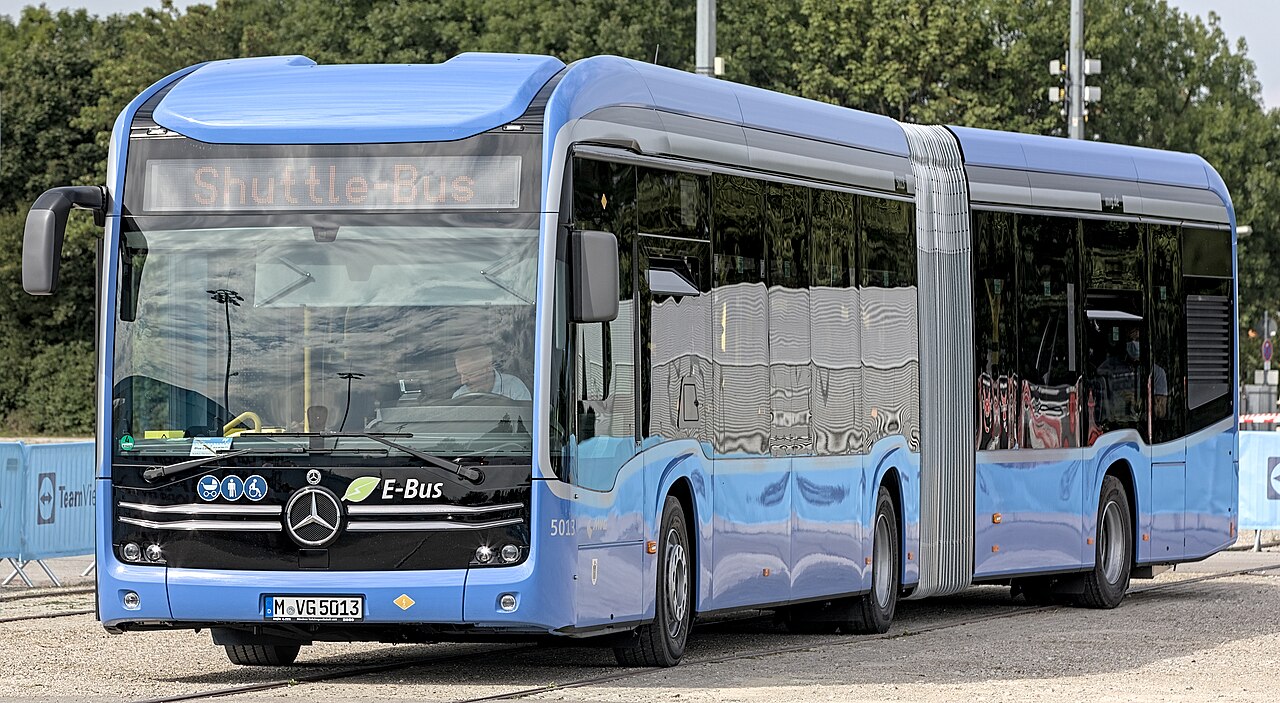
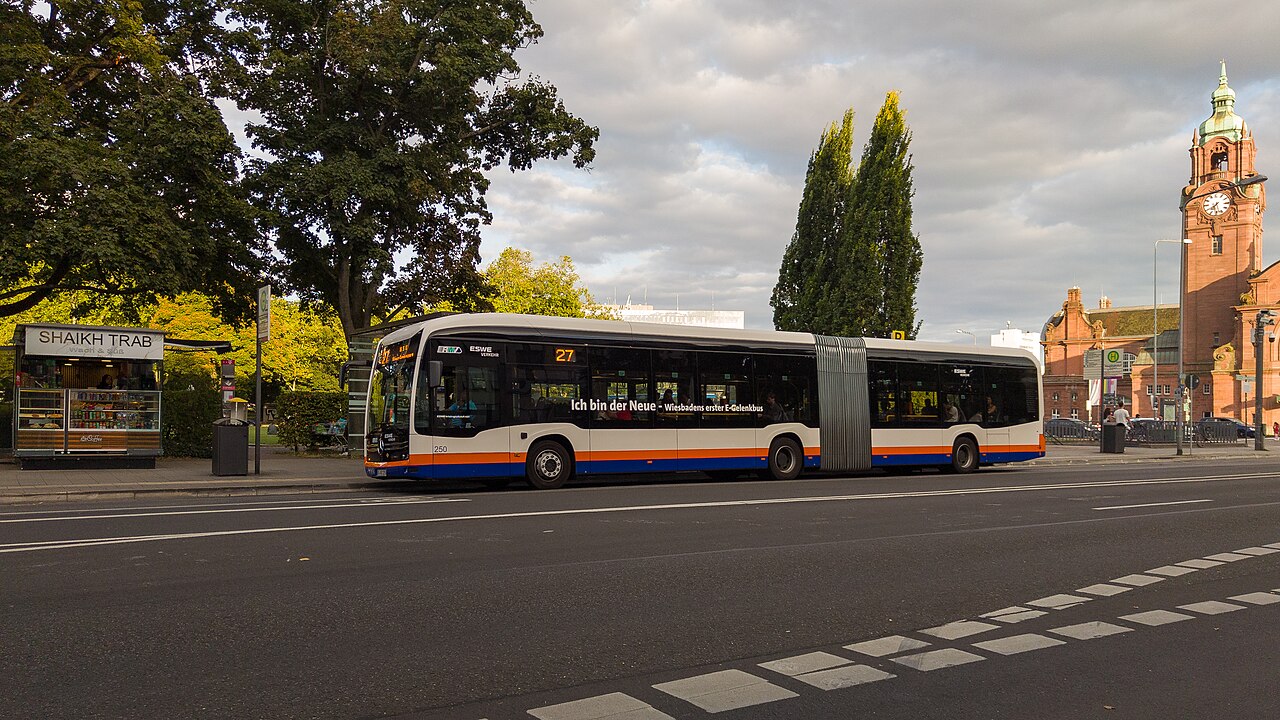
What is striking is how little the silhouette changed. Strip away the diesel note and the eCitaro is recognisably the same bus that debuted in 1997 — proof of how durable that original low-floor package was. The Citaro is, all at once, the most common city bus on European roads and a perennial prize-winner; the eCitaro simply carries that double identity into the electric era.
How the generations feel in the sim
This is where a bus simulator earns its keep, because each Citaro generation has a distinct personality once you are the one steering. In Proton Bus Simulator the contrast between the variants is exactly what makes the family worth collecting.
- The first-gen O530 (rigid): the honest baseline — a torquey rear diesel, a tall greenhouse, and the simple satisfaction of nailing a kerbside stop dead level with the door. Our community's three-door O530 leans into that, with the full front-middle-rear layout that rewards reading passenger flow at busy stops.
- The Citaro G (articulated): the one that teaches you respect. That centre joint means the rear section follows a line of its own through a tight roundabout or a cramped terminal — push the throttle mid-corner and you can feel the back end pivot and shove. The 18-metre O530G mod models that bending behaviour, and it is a genuinely different driving discipline from the rigid bus.
- The eCitaro: the sensory inversion. No idling diesel rumble at the lights, no gearchange shove — just the kneeling whine as the bus drops to the kerb and the faint electric hum as it pulls away. Driving it back to back with the diesel is the fastest way to understand what the 2018 switch actually changed for the people on board.
Whether you prefer the laid-back rigid bus or the discipline of swinging 18 metres through a town centre, the same lesson lands that Daimler's engineers learned the hard way over 25 years and 70,000 units: a great city bus is the one that disappears into the everyday. Browse the rest of the family on the Mercedes-Benz hub, and if coaches are more your thing, we break down the difference in coach vs city bus.
Frequently asked questions
How many Mercedes-Benz Citaro buses have been built?
Daimler marked the 70,000th Citaro in late 2024, counting every variant from the 1997 debut through the all-electric eCitaro. It is the best-selling bus in the company's history.
When did the Citaro launch, and when did the electric version arrive?
The Citaro premiered in 1997. The articulated Citaro G followed at launch, the four-axle CapaCity arrived in 2005, the second-generation C2 in 2011, and the battery-electric eCitaro in September 2018.
Did the Citaro really replace the London Routemaster?
Articulated Citaro Gs entered London service in June 2002 as part of the city's switch away from older, less accessible buses including the open-platform AEC Routemaster, which failed 1990s disability-access rules. London withdrew its last Citaro G in December 2011.
Image credits: First-generation Citaro 12m — Samson Ng (D201@EAL), CC BY-SA 4.0. Articulated Citaro G — Quackdave, CC BY-SA 3.0. CapaCity — Dirk1981, CC BY-SA 4.0. Second-generation Citaro C2 — Samson Ng (D201@EAL), CC BY-SA 4.0. eCitaro at IAA — Alexander Migl, CC BY-SA 4.0. Articulated eCitaro G in Wiesbaden — Matti Blume, CC BY-SA 4.0. All via Wikimedia Commons.