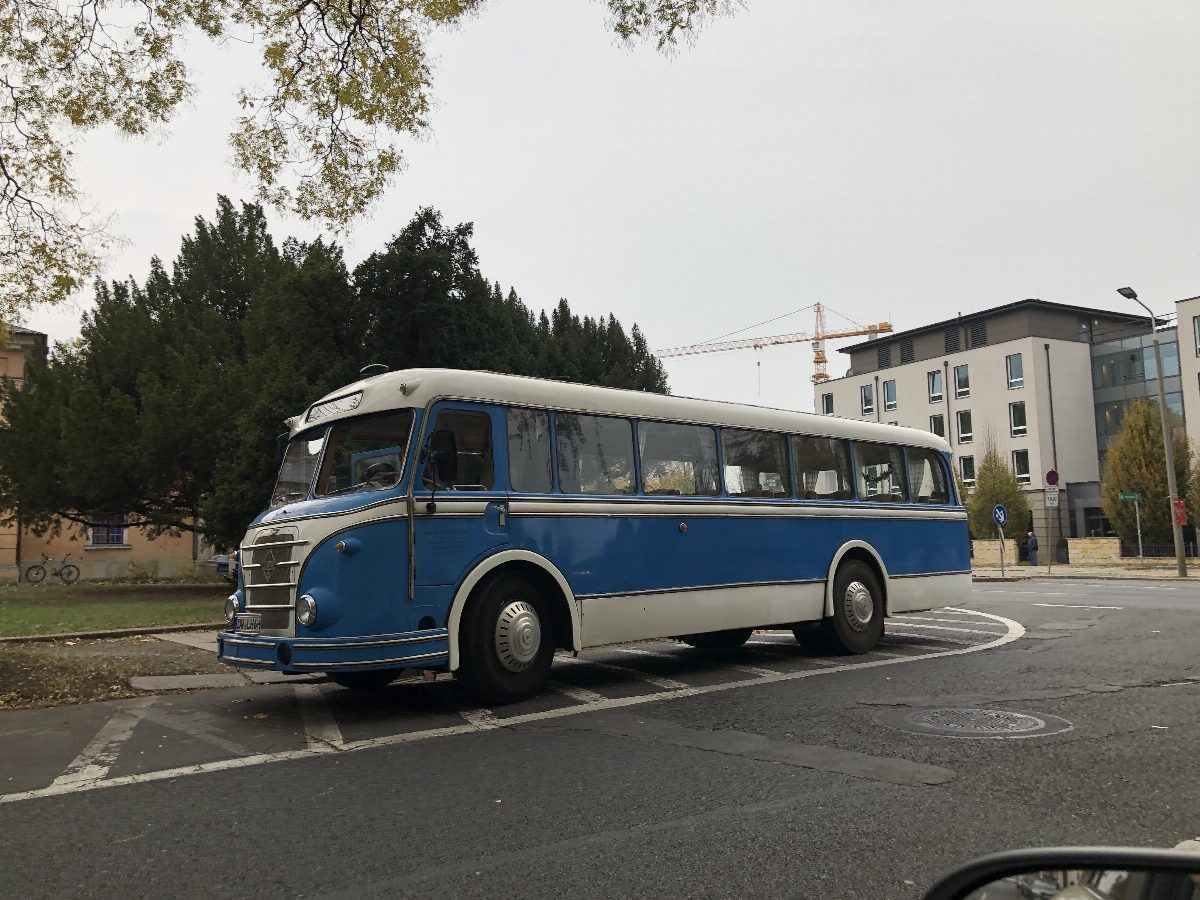
Coach vs City Bus: Two Completely Different Machines, One Badge
Mercedes-Benz builds the Citaro and the Tourismo. Both are buses. Both wear the same three-pointed star. And yet they are about as similar to drive as a hatchback and a long-haul truck. One is built to crawl a city, stopping every 300 metres; the other is built to eat motorway for six hours straight. Same badge, completely different machine.
The split between the city bus and the coach is the most fundamental divide in the whole bus world — and once you can see it, you'll read every model in the catalogue differently. Here's what actually separates them.
The floor tells the whole story
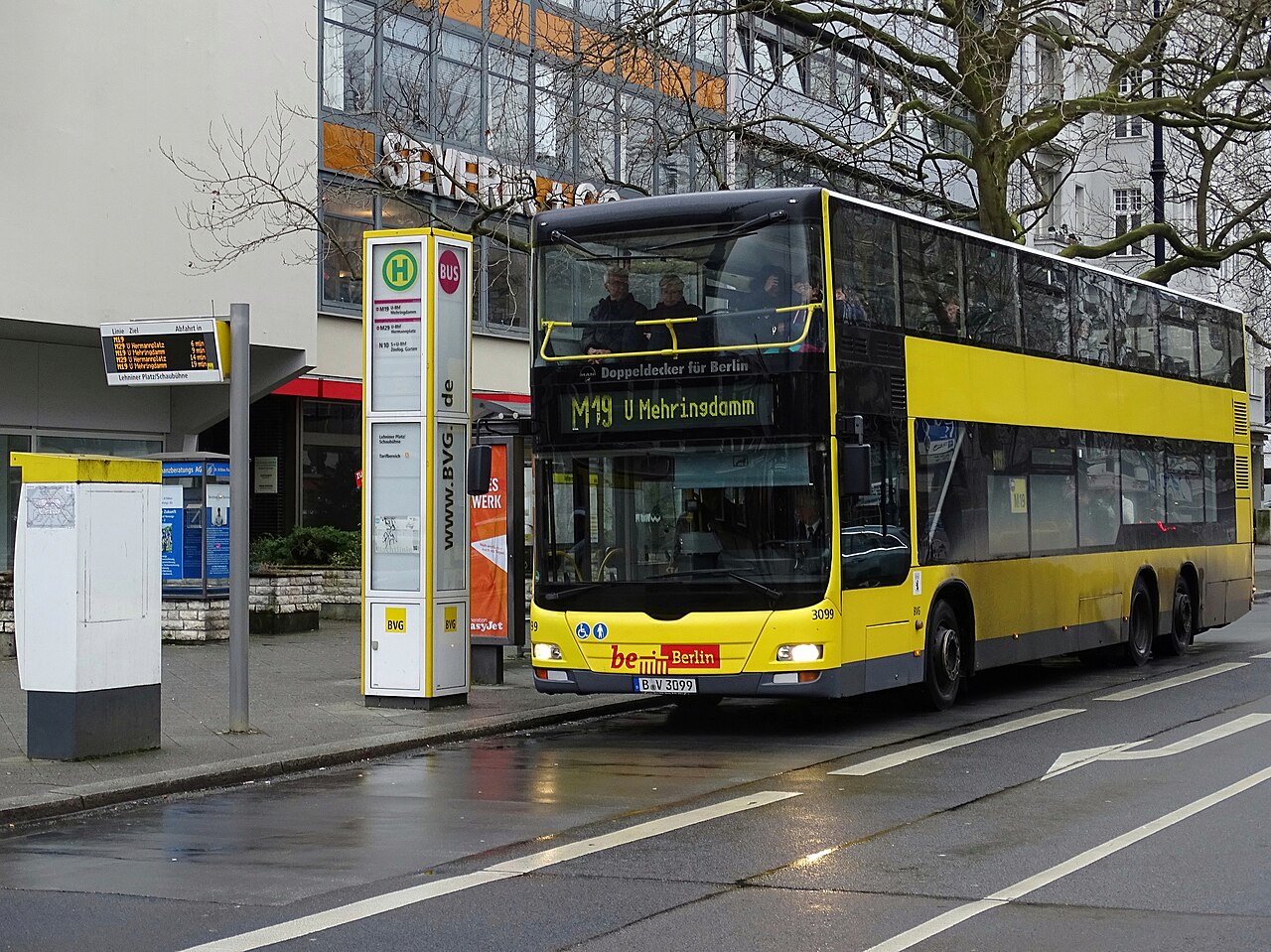
If you only learn one thing, learn this: the difference starts at the floor. A city bus is low-floor — the deck sits just above the road so passengers (including wheelchair users and parents with strollers) can step or roll straight on, no climb. That low floor is largely a response to accessibility law, and it defines the whole vehicle. The trade-off: there's no room underneath for much of anything.
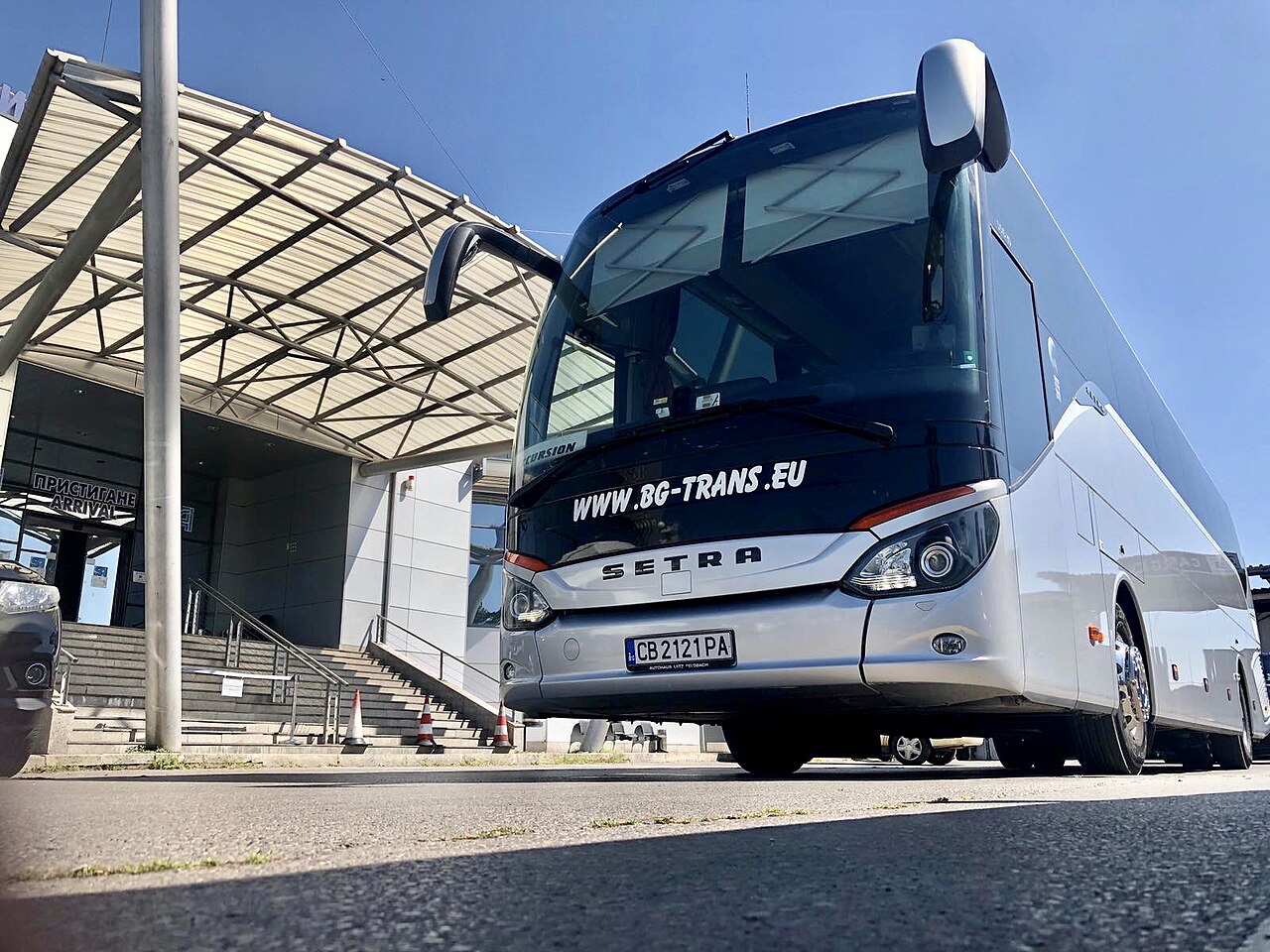
A coach is high-floor. Passengers climb a few steps up to a raised deck — and that height isn't an accident. It buys an enormous luggage hold underneath the cabin, exactly what you need for airport runs and multi-day tours. Modern motor coaches are almost always high-floor for precisely this reason.
Seats, doors and standing room
Step inside and the divide continues. A city bus is built for throughput: hard-wearing seats arranged to maximise capacity, lots of standing room, and multiple wide doors so a crowd can flow on and off in seconds. A coach is built for comfort over distance: plush forward-facing reclining seats, generous legroom, often a toilet and climate control — and no standing allowed, because everyone's belted in for the long haul. One door is plenty.
City bus: move the most people the shortest distance. Coach: move people the longest distance in the most comfort. Every design choice flows from that one sentence.
The bus in between
Of course, reality isn't binary. Sitting squarely between the two is the intercity bus — the Mercedes-Benz Intouro is the classic example. It's high-floor like a coach (so it gets luggage space and a comfortable ride), but it's stripped back and flexible for regular interurban service: school runs on a weekday, an excursion at the weekend. Less plush than a touring coach, far more capable over distance than a city bus.
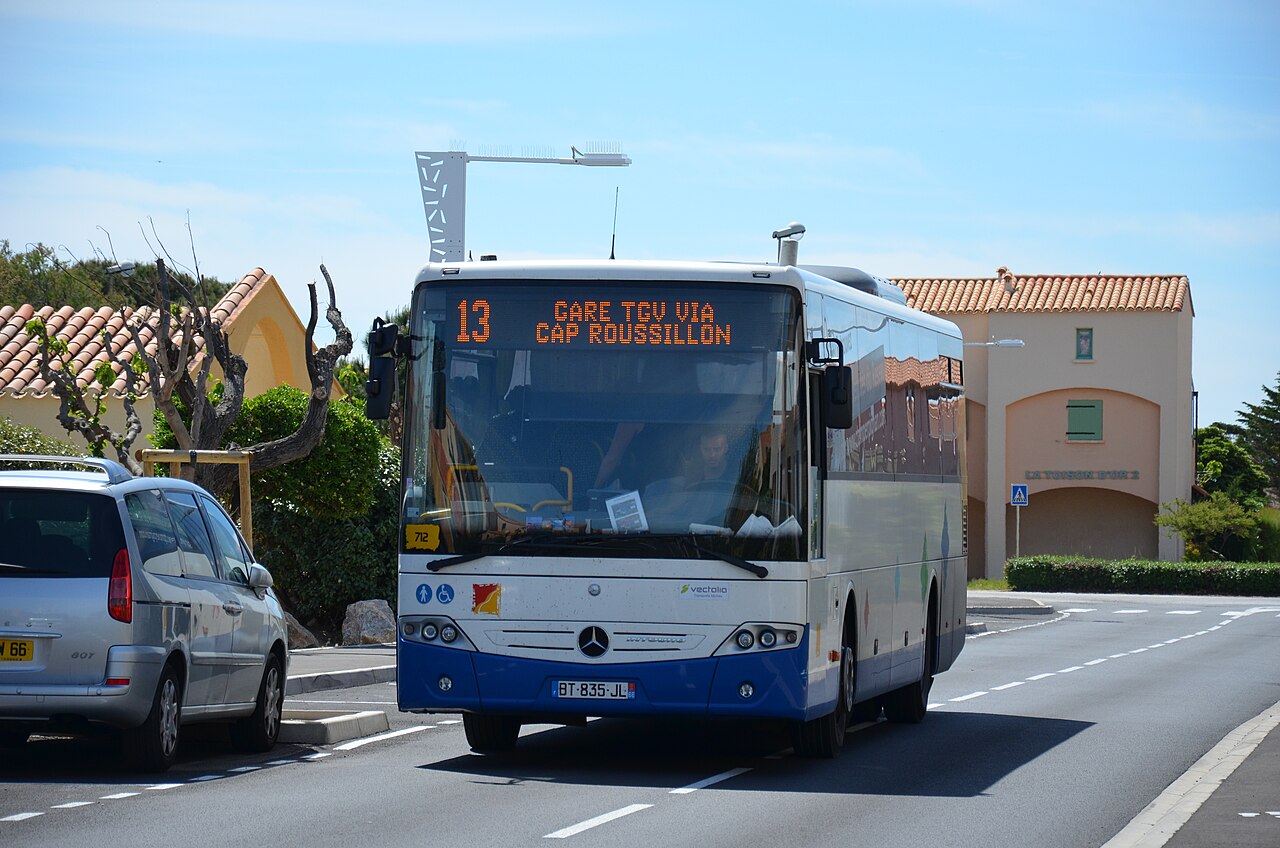
How far up does it go?
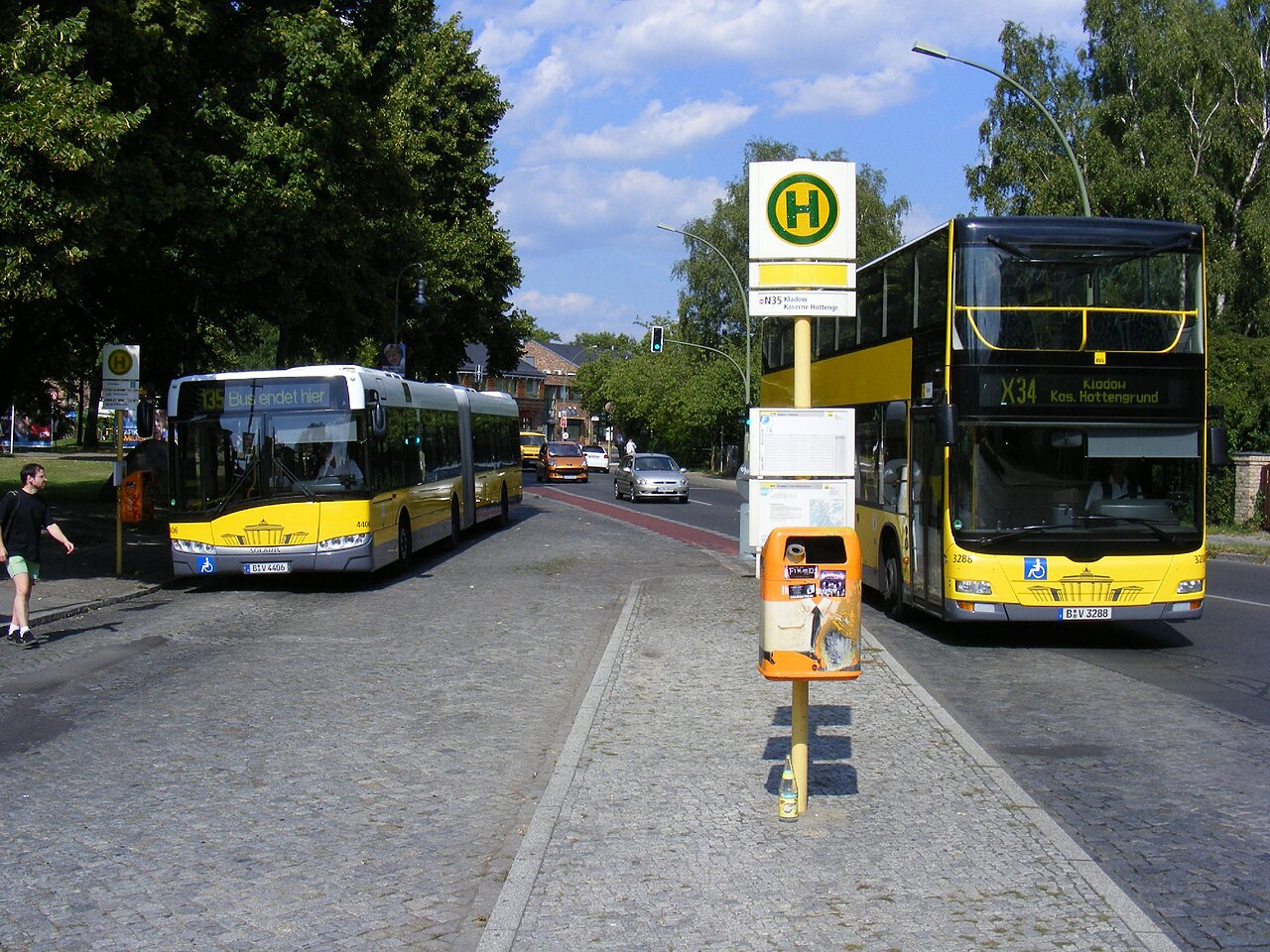
At the very top of the coach world, the body simply grows a second storey. A double-deck coach like the Setra S 531 DT stacks passengers two levels high to maximise seats per metre of road — the long-distance cousin of the city double-decker we covered in the story of the double-decker bus.

2026: the year of the coach
For years, sims and headlines leaned heavily toward the city bus. That's changing fast. Bus Simulator 27, due in September 2026, makes a point of it: for the first time in the series, you'll be able to get behind the wheel of long-distance coaches. And the electric transition — long focused on city buses — has reached the coach too: Mercedes-Benz is rolling out the eIntouro, its first fully electric intercity bus, while MAN's Lion's Coach E begins deliveries from the end of 2026. The high-floor machine is finally having its moment.
Two completely different ways to play
This is where the divide gets fun in a simulator, because the two machines reward opposite skills:
- The city bus is a rhythm game. Low centre of gravity, planted and stable, but the challenge is the loop: ease level with the stop, kneel, cycle the doors, watch the mirrors, pull back into traffic. Precision and timing over speed.
- The coach is an endurance game. It's tall and heavy, with a higher centre of gravity that leans into corners, so you plan your braking far ahead and carry momentum smoothly. It's about the long, composed cruise — not darting between stops.
Knowing which machine you're climbing into changes how you drive before you've moved an inch. Ready to pick a side? Browse the Setra coaches for the high-floor experience, or dive into the Mercedes-Benz range for everything from city bus to coach.
FAQ
What's the main difference between a coach and a city bus?
Why are coaches high-floor?
What is an intercity bus?
Can you drive coaches in Bus Simulator 27?
Hero & illustrations via Wikimedia Commons: hero (Setra coach) — BG Trans, CC BY-SA 4.0. Full per-image credits in each caption above.