The Mercedes-Benz Conecto: The Budget City Bus That Took Over Istanbul
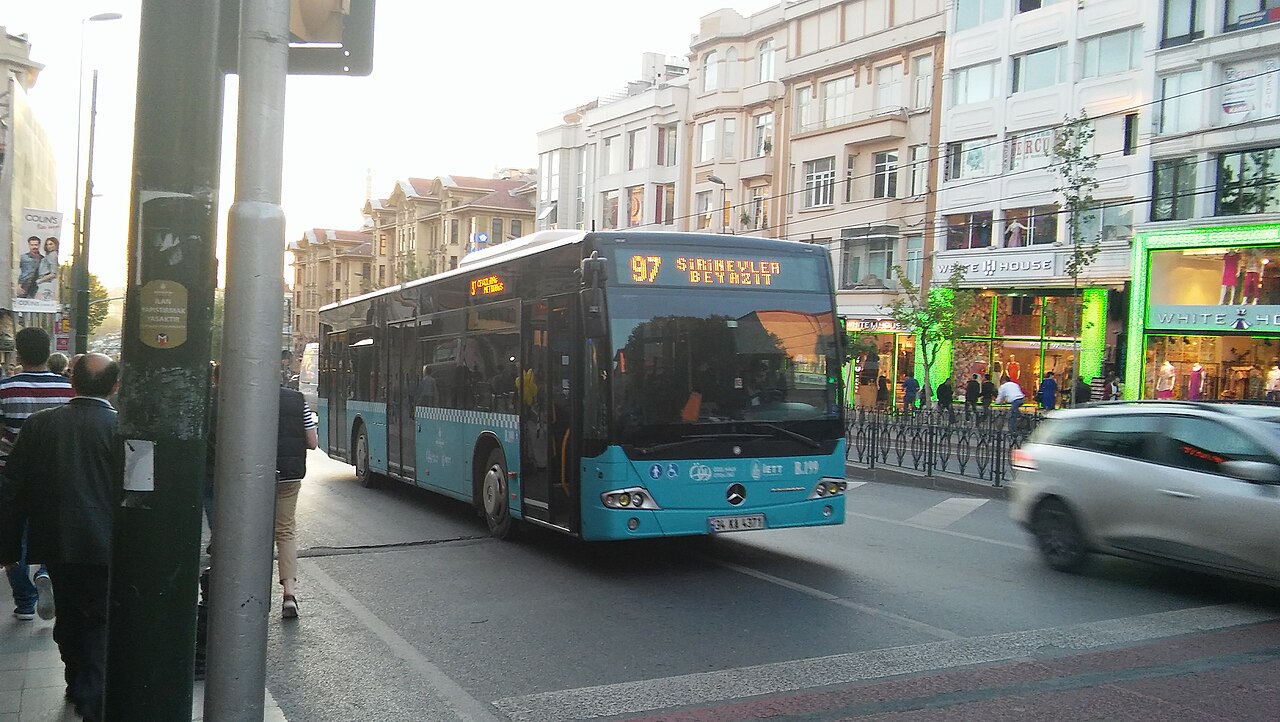
If you've ridden a city bus in Istanbul, you've almost certainly ridden a Mercedes-Benz Conecto — you just may not have known its name. It doesn't have the glamour of a touring coach or the badge-recognition of the Citaro. What it has is a job, and it does that job better than almost anything on the road: move huge numbers of people, cheaply, all day, every day.
This is the story of the bus that quietly became the workhorse of one of the largest urban fleets on Earth.
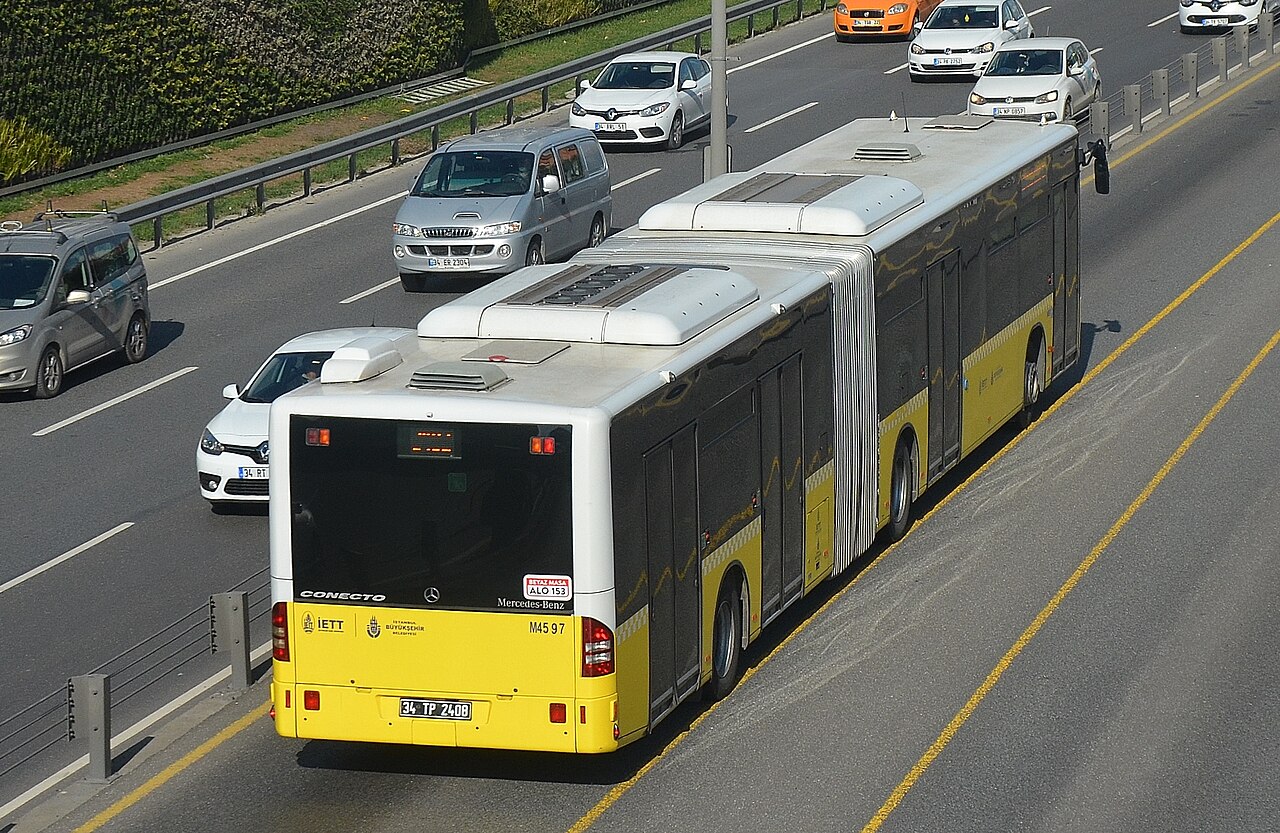
A budget badge with a big job
The Conecto is, in plain terms, the Citaro's value-minded sibling. It's a fully low-floor city bus engineered around one priority: economical operation and low running costs. Same basic mission as the Citaro — level, step-free urban transit — but stripped of the premium price tag, aimed at operators who need to buy and run buses by the hundred. If you want to understand exactly how the Conecto name fits into the wider lineup, our guide to decoding Mercedes-Benz bus names lays out the whole family tree.
Born in Istanbul
Here's the twist most people miss: the Conecto isn't a German bus that happens to be sold in Turkey. It's built in Turkey. Mercedes-Benz Türk has produced the Conecto at its Hoşdere plant in Başakşehir, Istanbul, since 2007. The bus that fills Istanbul's streets is, in the most literal sense, a local — designed for the European range but assembled on the Bosphorus.
That home-field advantage is about to grow. Demand for Mercedes-Benz and Setra buses is strong enough that, from September 2026, the Turkish manufacturer Otokar will also build the Conecto for Daimler at its Sakarya plant. And from 2027, Daimler will even launch the Conecto on its home German market — the budget bus going upmarket.
The backbone of the İETT
Istanbul's public transport is run by the İETT — İstanbul Elektrik Tramvay ve Tünel İşletmeleri, the "Istanbul Electricity, Tram and Tunnel Establishments," an authority whose roots go back over a century. Today it oversees a road fleet of roughly 2,700 standard buses plus several hundred bus-rapid-transit vehicles, and Mercedes-Benz is the single largest marque in that fleet — on the order of 1,569 buses. A huge share of those wear the Conecto badge. When you picture an Istanbul bus grinding up a hill in traffic, you're picturing this bus.
It's a big reason Turkey is such a Mercedes stronghold — a theme we explored in why Turkey is a bus lover's country.
Solo, articulated, and well beyond Turkey
The Conecto comes in two main shapes. The 12-metre solo bus carries up to 101 passengers, powered by the Mercedes-Benz OM 936 — a 7.7-litre inline-six making 220 kW (about 299 hp). Need more capacity and you step up to the Conecto G, the 18-metre articulated "bendy" version, which seats and stands up to 150 people behind the bigger 10.7-litre OM 470 engine rated at 265 kW (around 360 hp).
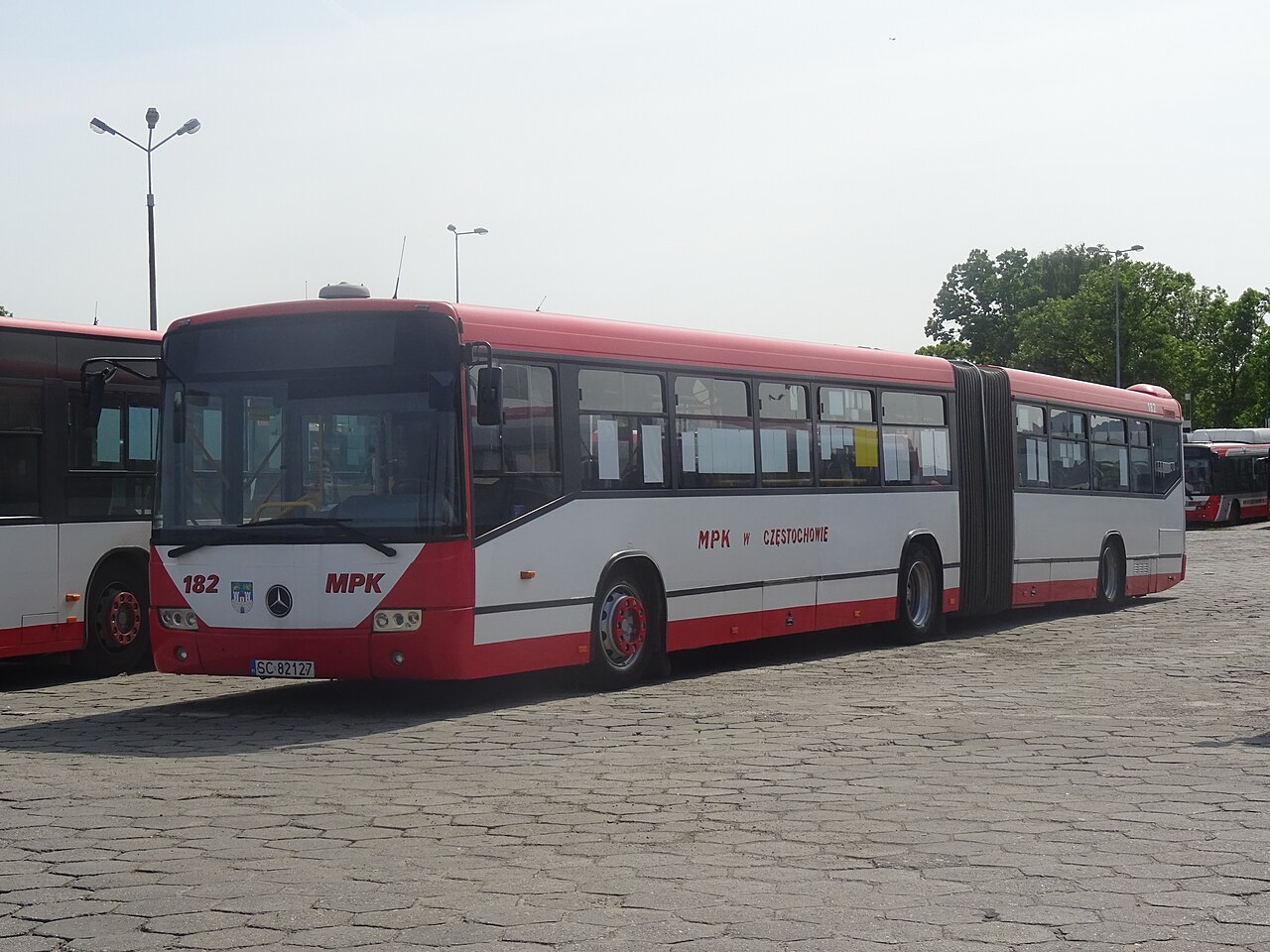
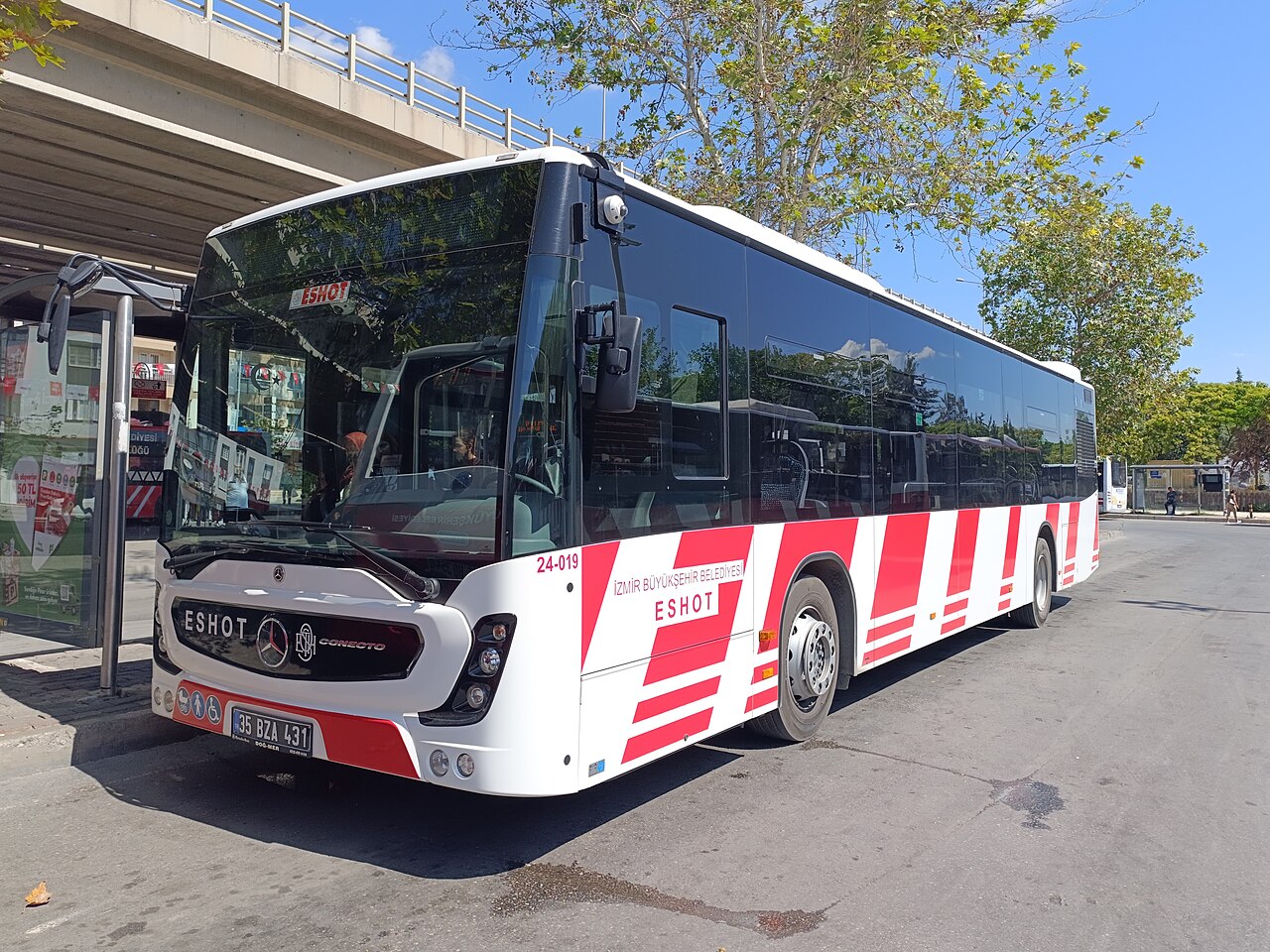
And while Istanbul is its spiritual home, the Conecto is anything but local in its reach. It's a common sight across Turkey — here in the fleet of Eshot, the transit authority of İzmir — and right across Europe, from Serbia to France to Poland.
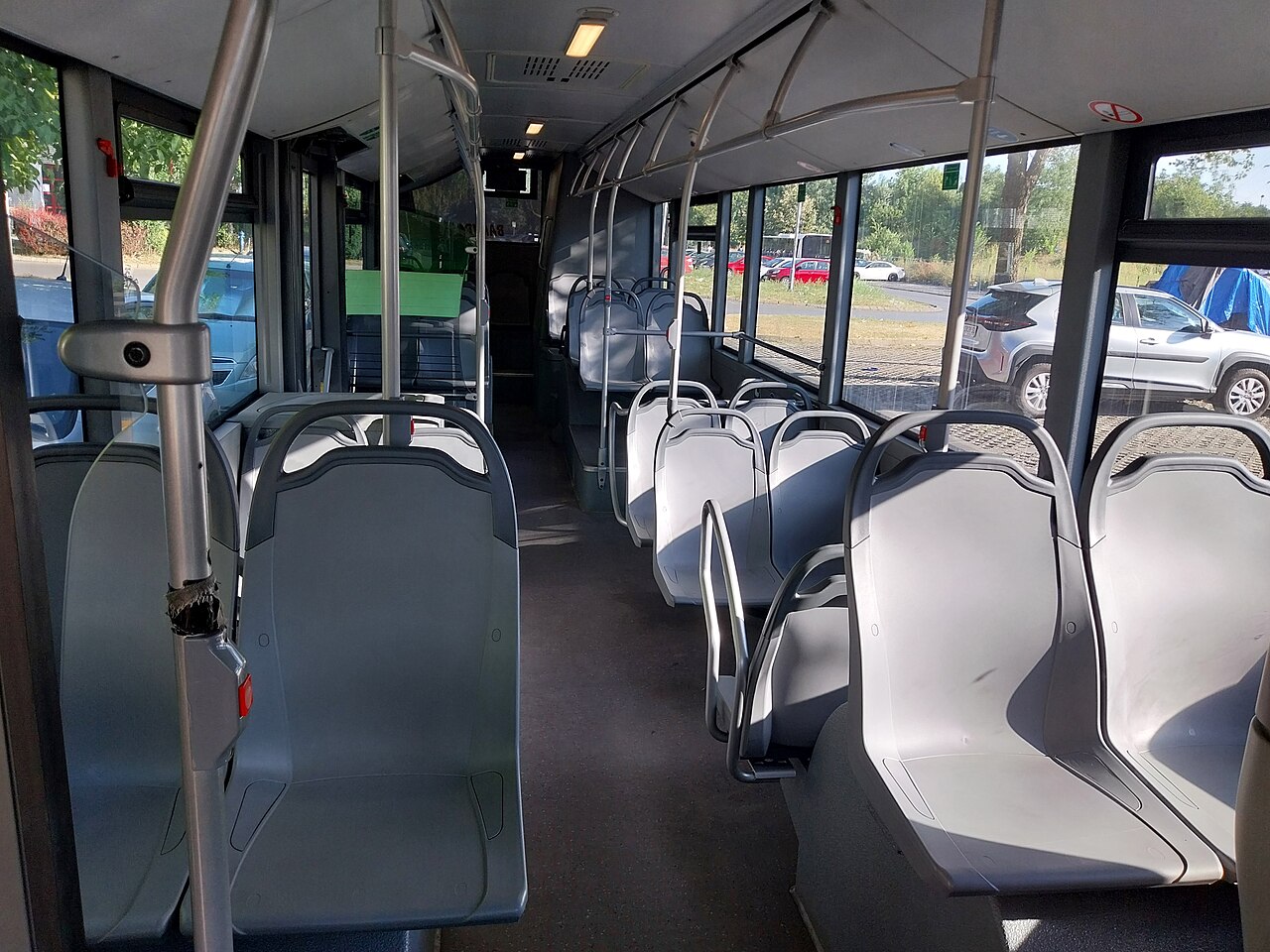
Driving the Conecto in a sim
What makes the Conecto satisfying to drive in a simulator is exactly what makes it good at its day job. The rear-mounted diesel and the fully low floor put the mass low and flat, so the solo bus feels planted and stable — there's no nose-heavy lurch, just a steady city bus you place precisely at the kerb. The real gameplay isn't top speed; it's the rhythm of the route: pulling level with the stop, the kneeling cycle, the door sequence, pulling back into traffic.
Step into the Conecto G and the challenge changes completely. Now you're managing 18 metres and a turntable joint in the middle: the rear section trails and pushes through tight corners, and threading that much bus through Istanbul-tight streets is a skill in itself. Want to feel it for yourself? Browse the Mercedes-Benz bus mods and look for the Conecto and its low-floor cousins.
FAQ
Where is the Mercedes-Benz Conecto built?
What's the difference between the Conecto and the Citaro?
How many passengers does a Conecto carry?
What does İETT stand for?
Hero & illustrations via Wikimedia Commons: hero (Conecto, Istanbul) — Kevin.B, CC BY-SA 4.0. Full per-image credits in each caption above.