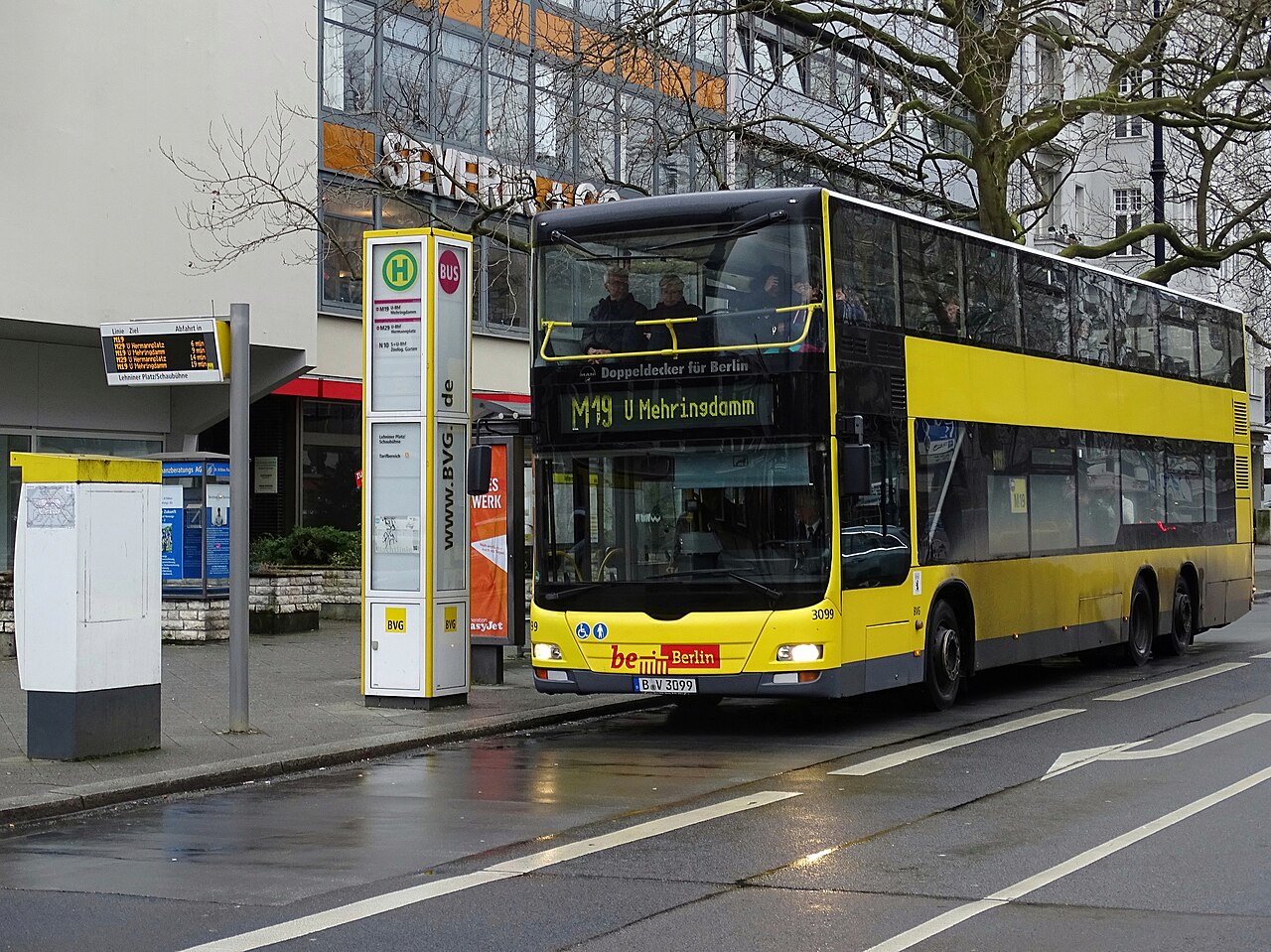
The Low-Floor Revolution: How a Law Dropped the Bus Floor Forever
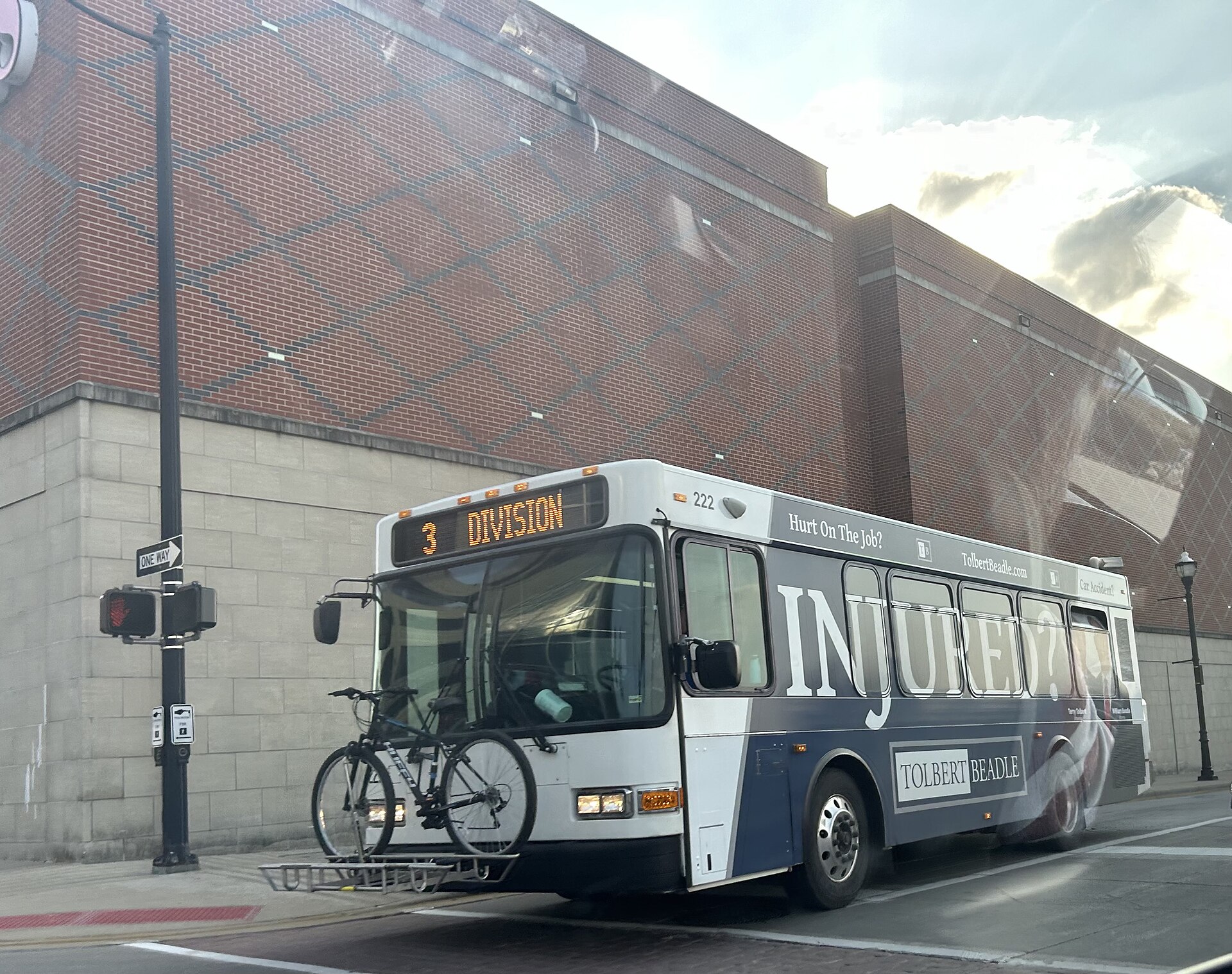
Climb aboard almost any modern city bus and you do something your grandparents couldn't: you step straight on, no stairs, the floor barely above the kerb. It feels ordinary now. It is, in fact, the single biggest change to the urban bus in half a century — and it didn't come from engineers chasing speed or style. It came from the law.
The low-floor bus is what happens when "everyone must be able to board" becomes a legal requirement instead of a nice idea. The knock-on effects reached all the way down to where the engine sits — and, as it turns out, all the way into how the bus behaves when you drive one in Proton Bus Simulator.
What "low-floor" actually means
The definition is refreshingly literal: a low-floor bus is one "that has no steps between the ground and the floor of the bus at one or more entrances, and low floor for part or all of the passenger cabin." Germans coined the word for it — Niederflur, literally "low floor," which is why so many German models carry an NF or N in their designation. The idea was pioneered there in the 1970s (Neoplan's N814 is widely credited as the first low-floor city bus) but was years ahead of demand; it only swept Europe around 1990.
The law that dropped the floor
What turned a clever idea into the global standard was disability-rights legislation — above all the Americans with Disabilities Act of 1990. The ADA "required that all new mass transit vehicles placed into service after July 1, 1993, be accessible to persons in wheelchairs," and Europe's accessibility rules pushed the same way. Manufacturers suddenly had to make every new bus boardable by someone who couldn't climb steps. As the record notes, "development and adoption of 'low floor' transit buses occurred in the early 1990s," with "a lower vehicle floor (typically 15 inches or less above the roadway) that permits a flat—rather than stepped—area at doorways." The bus floor came down to meet the kerb because the law said it must.
Kneeling, ramps and the two flavours of low-floor
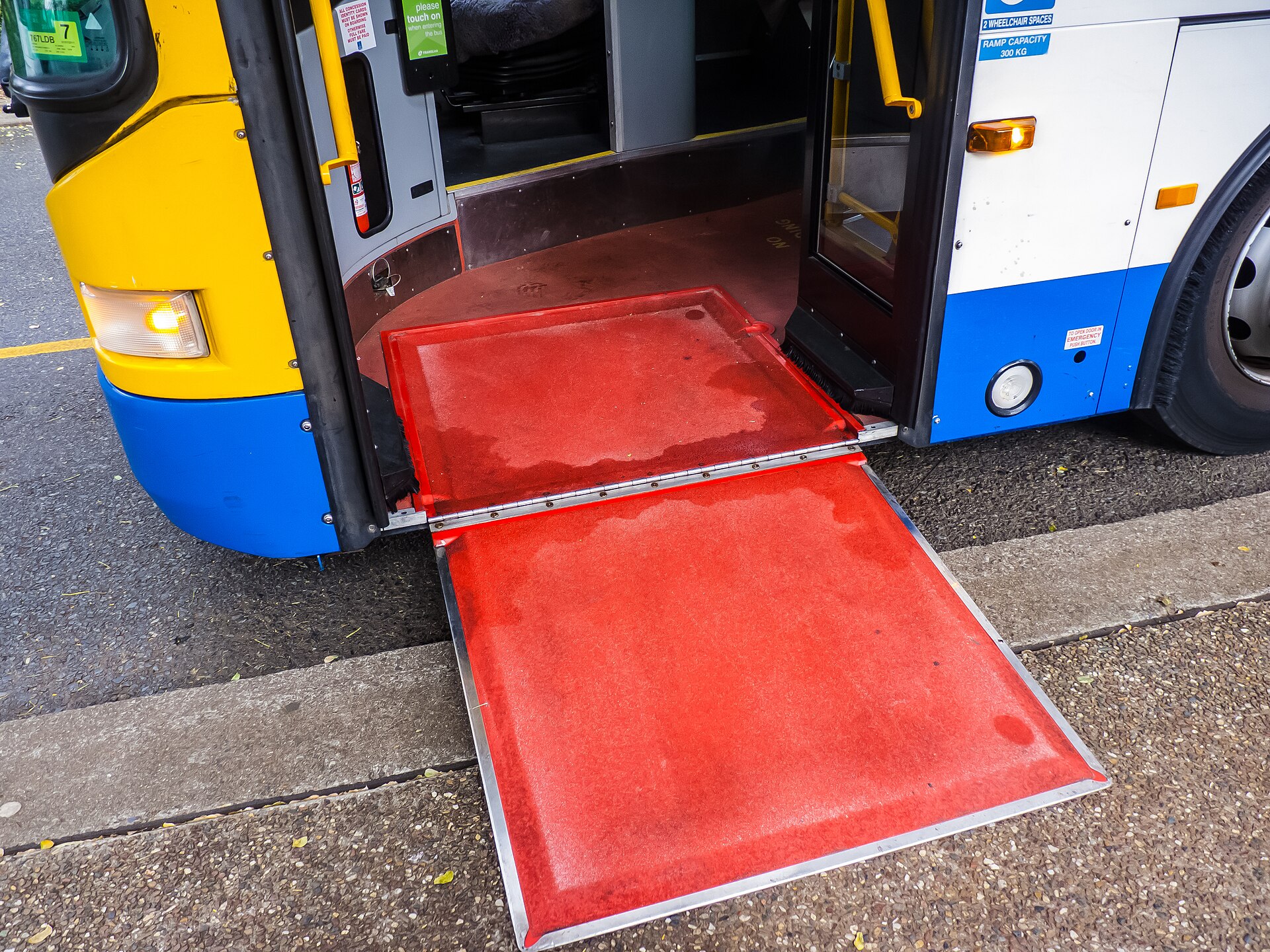
To close the last few centimetres, buses gained a kneeling trick: "a hydraulic or pneumatic 'kneeling device' ... lowering it at the front axle even further, often down to normal curb height." Pair that with a fold-out ramp and the step disappears entirely.
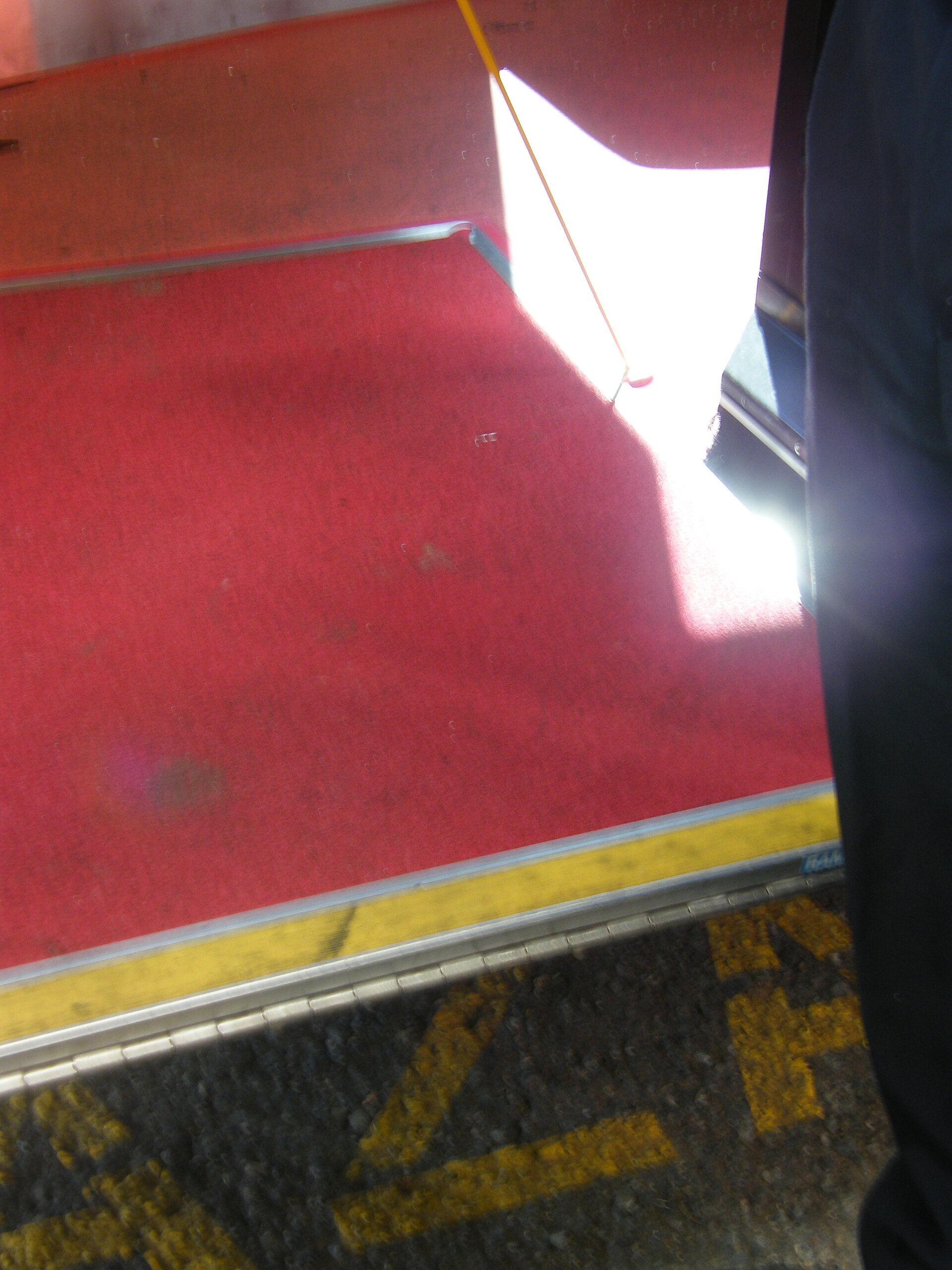
Not every "low-floor" bus is low all the way through, though, and the split is geographic. There are "fully low-floor buses with a low floor throughout the length of the bus (more popular in Europe), and low-entry buses with step-free access to only a part of the bus, most commonly between the front door and the middle door (more popular in North America)." That's exactly the difference baked into model names you'll see in the catalog: a Scania Citywide LF ("low floor") versus a Marcopolo Torino Low Entry.
Why it sent the engine to the back corner
Here's the engineering knock-on that links this story to every other bus you've decoded. To get a flat, low floor, you cannot run a driveshaft or a fat axle beam under the aisle. So "most bus manufacturers achieve a low floor height by making rear-engined rear-wheel drive buses with independent front suspension, so that no axle is needed to pass under the floor." That is precisely why Scania's low-floor city chassis is the transverse-engined N series rather than the upright-engined K — a connection we unpack in our guide to Scania bus names. The flat floor you walk on dictated where the engine had to go.
How it feels in the simulator
Low-floor design changes the rhythm of driving a city route, not just the look. A kneeling, step-free bus loads and unloads far faster than a high-floor coach with a stairwell — shorter dwell time at every stop, which is the whole game on a busy urban line. And with the floor and the heavy mechanicals slung low, the centre of gravity sits down near the road, so the bus feels planted and stable through corners — the opposite of the top-heavy lean you get in a double-decker. Driving one well is about ritual: roll up, kneel, ramp if needed, doors, go.
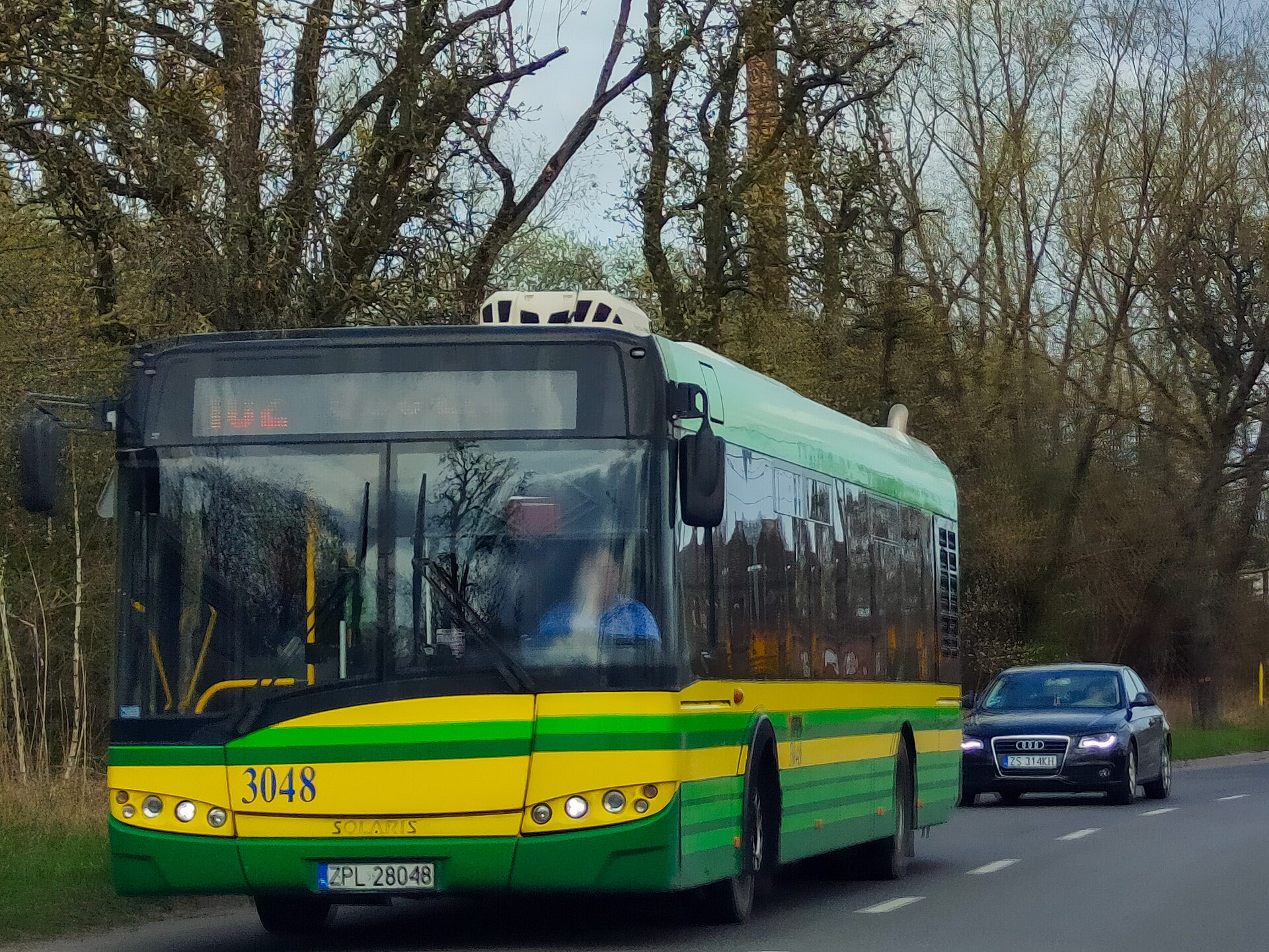
The catalog is full of the breed to try: the fully low-floor Scania Citywide LF, the Volvo 7700, and the Polish Solaris Urbino 12 from the brand that built its name on low-floor city buses — browse the whole Solaris range. Compare any of them against the Marcopolo Torino Low Entry and you'll feel the LF-versus-LE distinction for yourself.