Why Do European City Buses All Have the Same Flat Back?
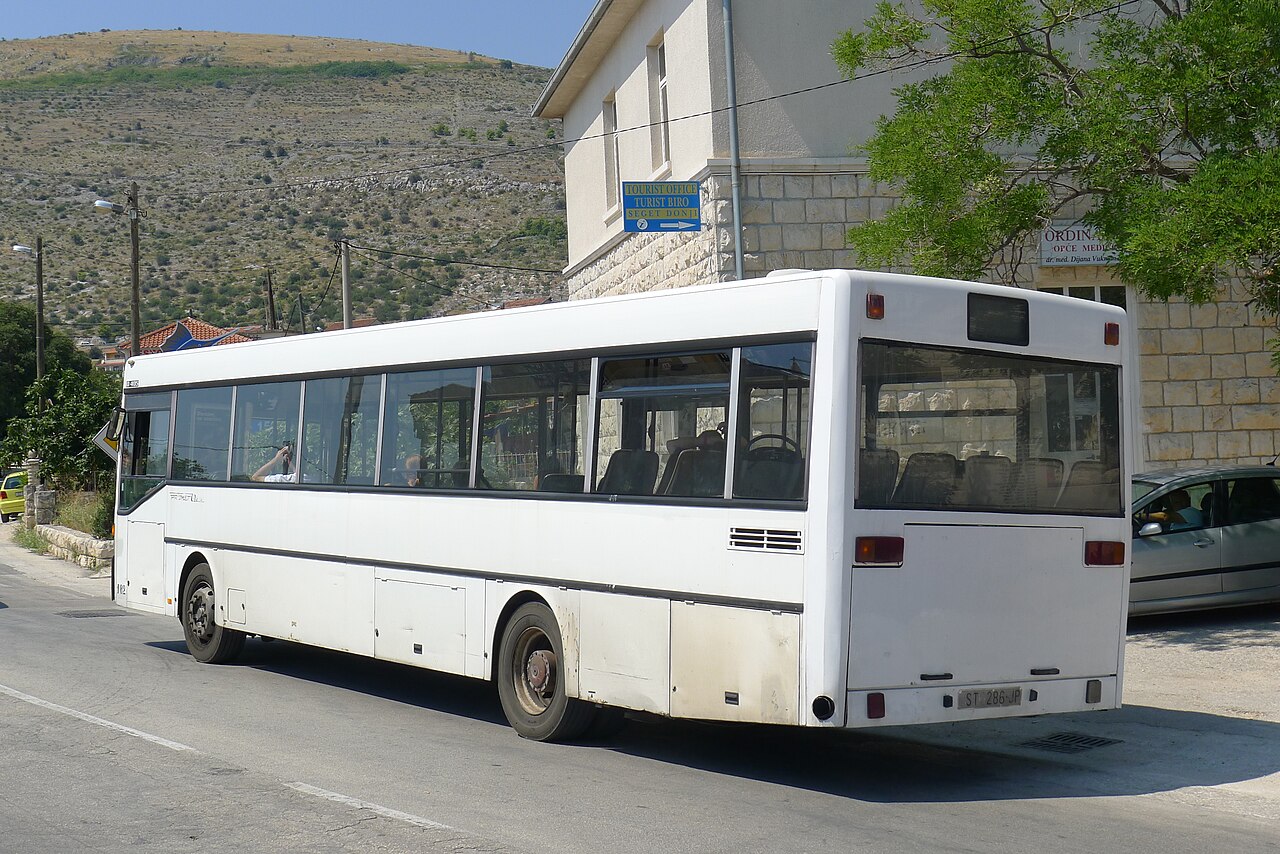
Line up a Mercedes, a MAN, an Iveco and a Renault city bus from the 1980s and 90s, look at them from behind, and you might start to wonder why European buses look so much the same. The same tall, upright box. The same flat back wall. The same rectangular tail lights in the same corners. Four rival badges, one silhouette.
It was not laziness, and it was not one company copying another. It was convergence — four separate motives that all pushed European engineers toward the exact same shape. A German rulebook, a floor that dropped to the pavement, a shared parts bin, and a wave of mergers all pointed at the same cheap, square, practical rear. Here is the whole story, and what that flat back feels like when you drive one in the sim.
Three badges, one back
Start with what you actually see. A city bus is a box, but European city buses of this era are the same box — flat sides, a near-vertical rear, and a windscreen that sits almost straight up. Park a German bus next to an Italian one and the family resemblance is uncanny, even though the two makers never shared a factory.
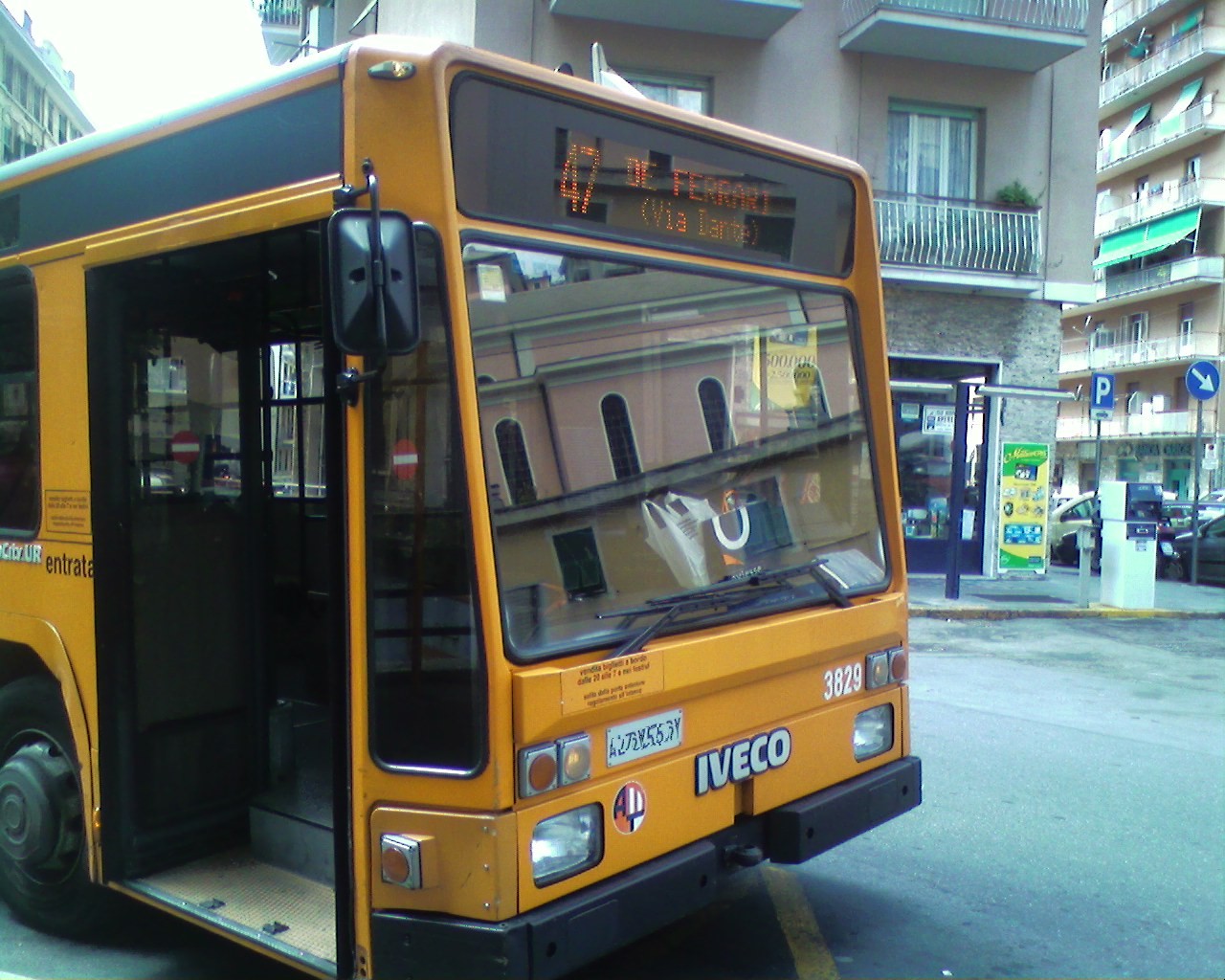
This is the opposite of a story we have told before. The Isuzu Erga and Hino Blue Ribbon look identical because they are literally one bus wearing two badges. Europe's flat-backed buses are the reverse: genuinely different buses, from rival firms, that ended up looking alike for four separate reasons. Here is the cast, and how much they share under the skin.
| Model | Maker | Country | Rear layout |
|---|---|---|---|
| Mercedes-Benz O405 | Daimler-Benz | Germany | Rear engine, high floor (VÖV standard) |
| MAN SL202 | MAN | Germany | Rear engine, high floor (VÖV standard) |
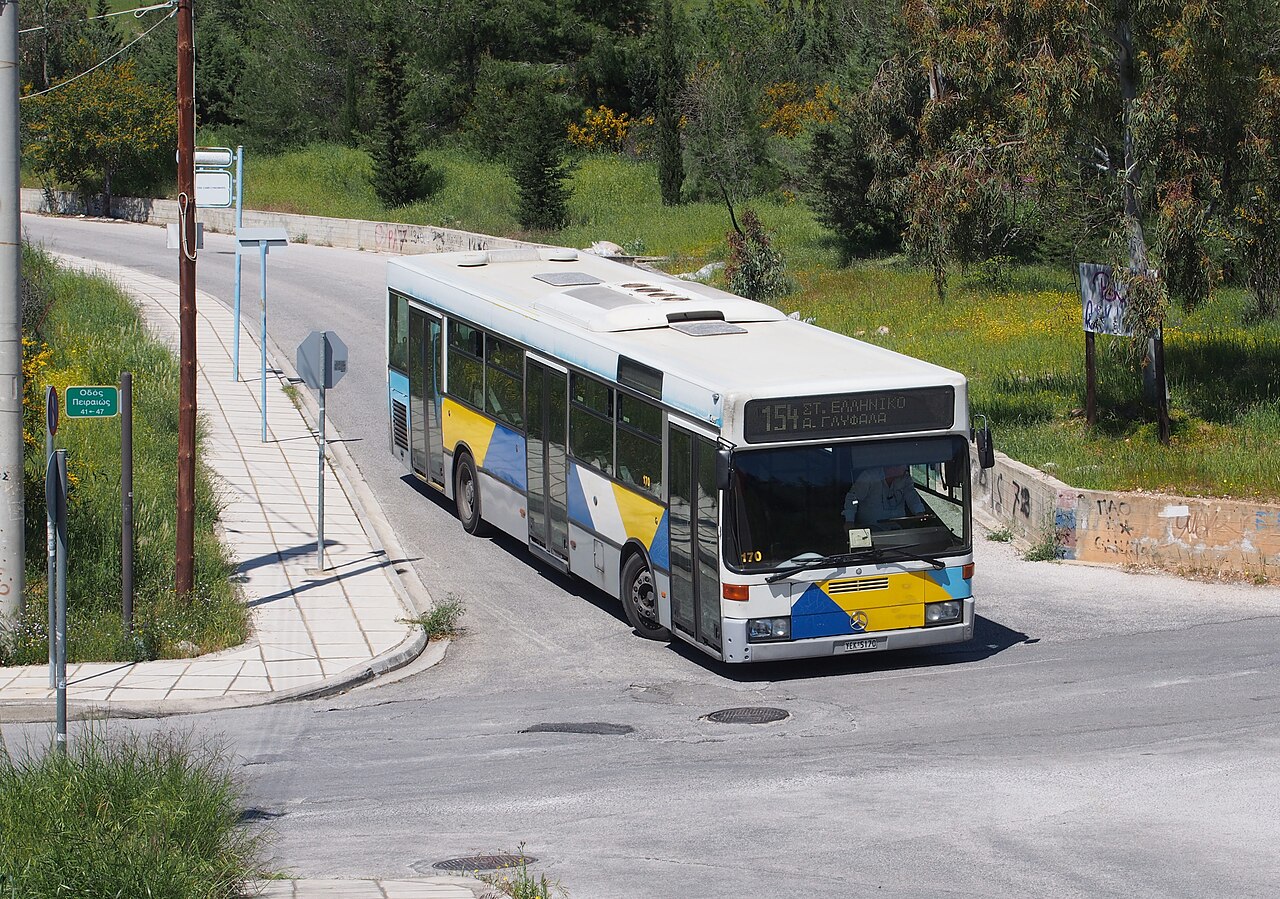
| MAN NL202 / Mercedes O405N | MAN / Daimler-Benz | Germany | Rear "tower" engine, low floor |
| Iveco TurboCity | Iveco | Italy | Rear engine |
| Renault Agora | Renault / Irisbus | France | Rear transverse engine, low floor |
| Heuliez GX | Heuliez | France | Rear engine, low floor |
The German rulebook: the VÖV standard bus
The single biggest reason starts in Germany with a committee. Germany's association of public transport operators — the VÖV — wrote a shared specification for a Standard-Linienbus (standard city bus) so that operators could cut purchase and maintenance costs. The idea was simple: if every bus followed one blueprint, spare parts, service bays and driver training could all be shared.
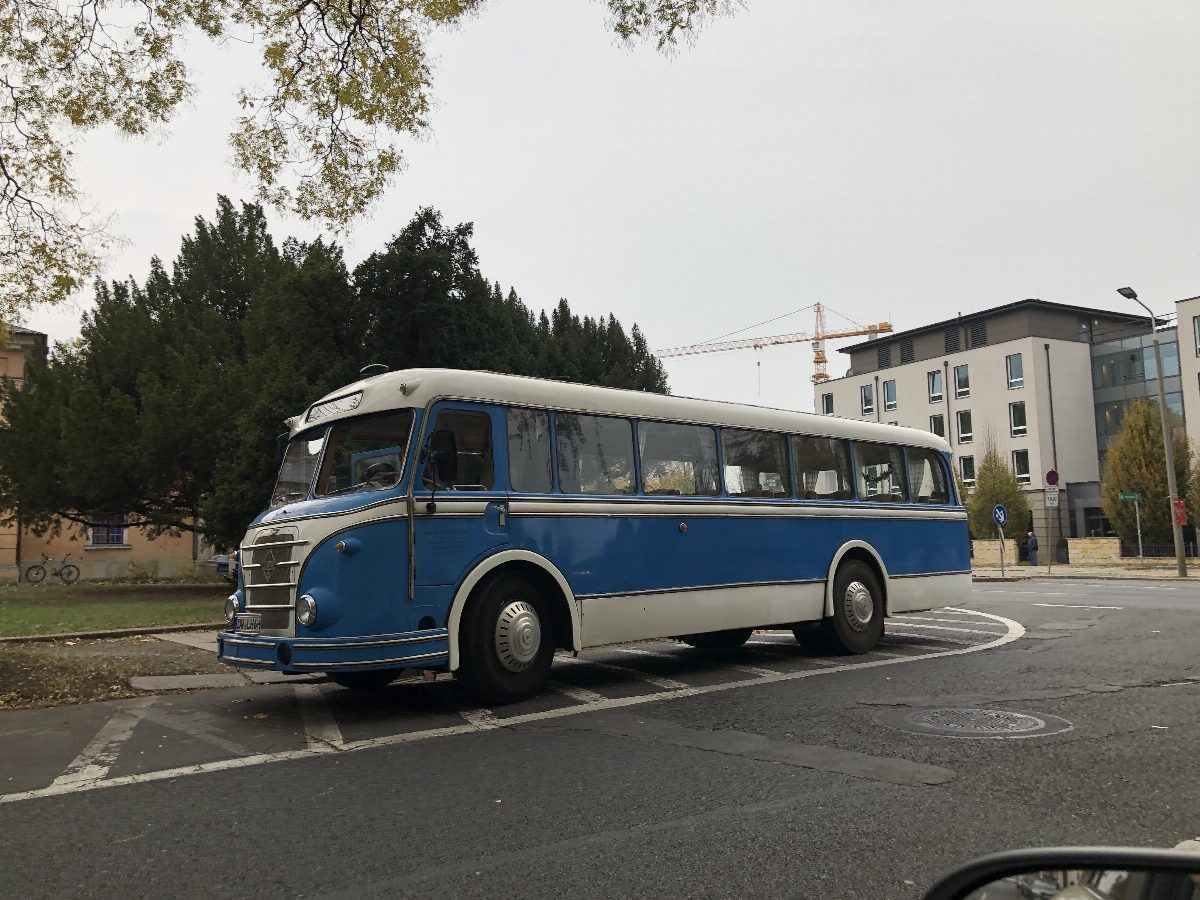
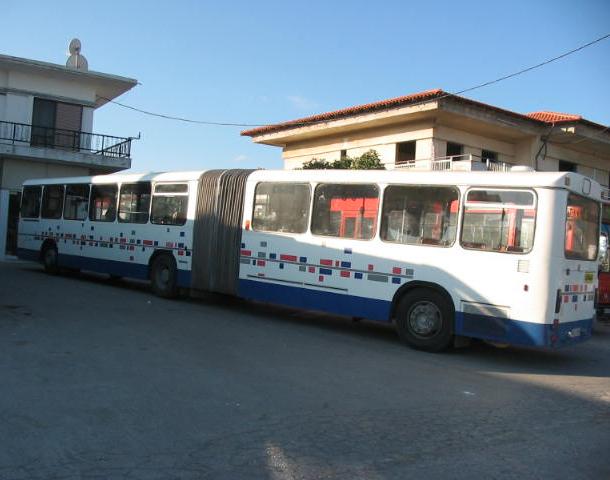
The first generation appeared from 1968, and its rules were exact. It defined a single-decker 11,000 mm long, with set overhangs front and rear and a fixed floor height reached by two steps. Mercedes-Benz built it as the O305; MAN and others built their own versions on the same measurements.
Why the rest of Europe fell in line
A second generation of the standard — the SL-II — followed from 1984, built first by Neoplan and by Daimler-Benz as the Mercedes-Benz O405, with MAN's SL202 alongside it. The O405 became the last VÖV standard bus in production, running from the mid-1980s until the early 2000s.
Here is the part that shaped the whole continent. Germany was Europe's biggest bus market, so a maker in France, Italy or Spain who wanted to win German tenders had to build to roughly the same dimensions. Match the standard and you could compete everywhere; ignore it and you locked yourself out of the richest market. So the German proportions quietly became the European proportions — and the boxy standard-bus look spread far beyond Germany's borders. Its DNA is still visible decades later in the Mercedes-Benz Citaro.
Low floors pushed everything to the back
The second motive arrived in the 1990s: the low-floor revolution. To let passengers step straight on without climbing, the whole saloon floor was dropped almost to the pavement. That was wonderful for boarding — and a headache for the engineers, because it left nowhere for the engine.
With no room under the floor, the entire driveline was shoved to the very back. The engine and its big diesel radiator were stacked into a tall "tower" in one rear corner, and the back wall became, in effect, one giant flat cupboard door. Open it and a mechanic reaches the whole engine at once.
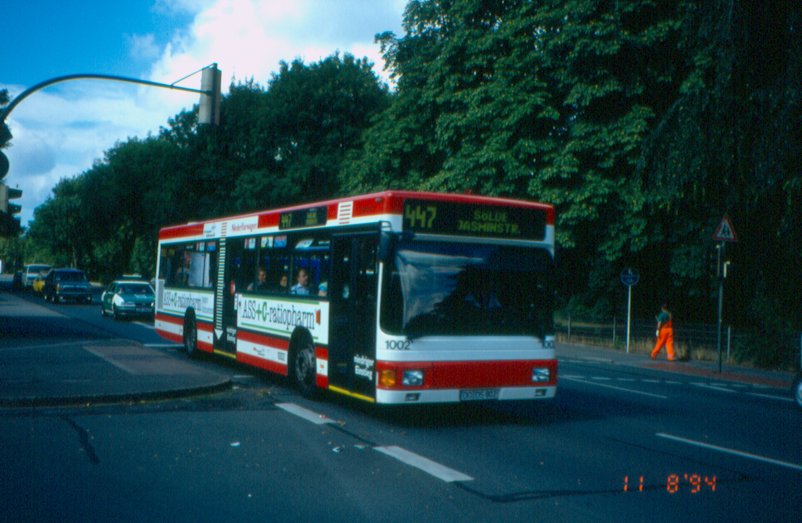
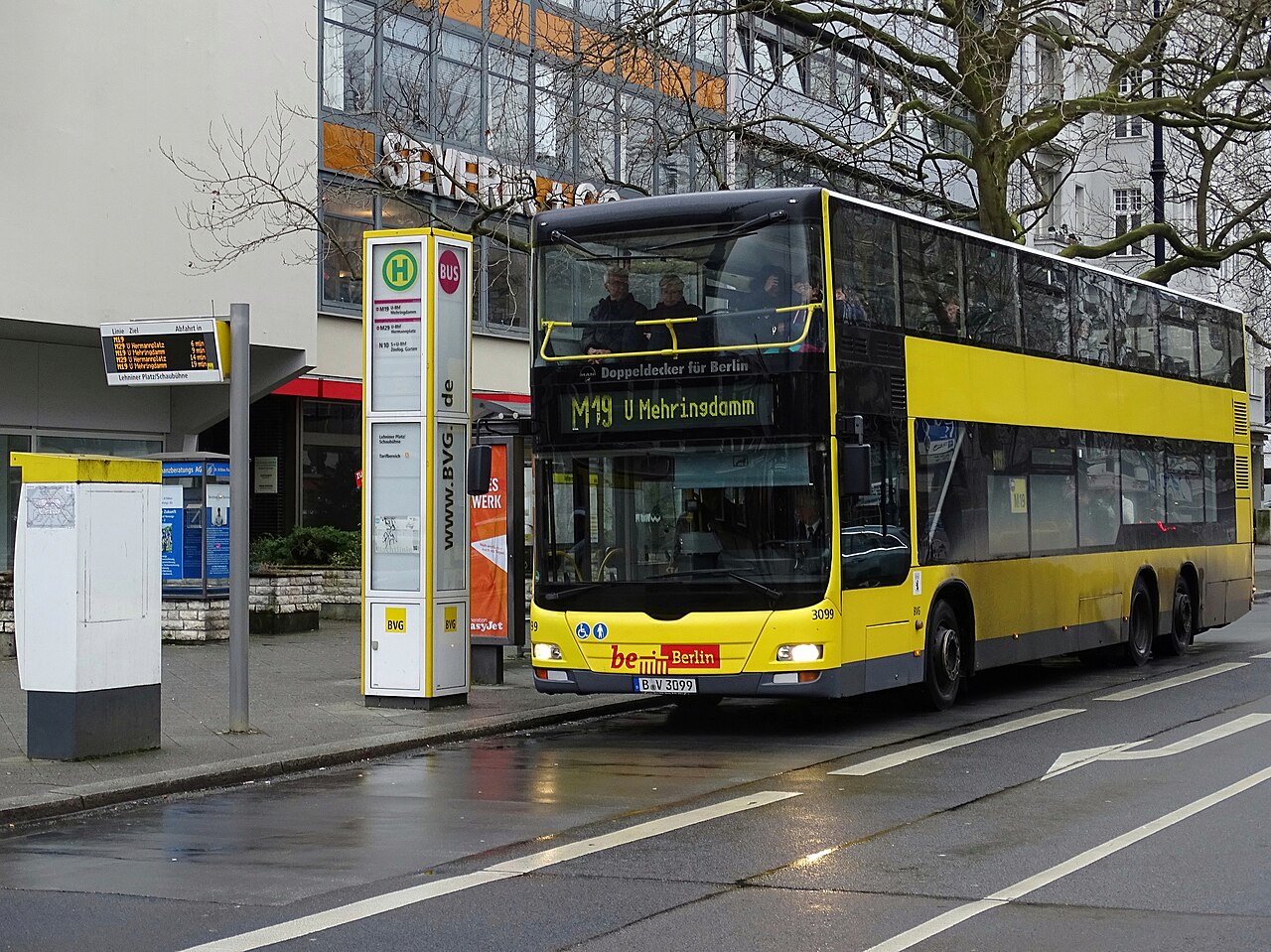
Every maker faced the same puzzle and reached the same answer. MAN's low-floor NL202 packed its engine into a rear tower to keep the floor flat; Mercedes did the same with the low-floor O405N. A flat, upright back is simply the cheapest, most practical wall to build around a rear engine you need to open up every week.
The tail-light shortcut
The third motive is smaller but you can spot it with your own eyes. Almost no bus maker designed its own tail lights. It was far cheaper to buy modular light clusters from a specialist supplier — Hella being the classic example — and bolt the same off-the-shelf blocks onto very different buses.
Those suppliers sold rectangular, stackable light units. To fit them cleanly, a body had to be drawn with straight, square cut-outs at the back — which nudged every maker toward the same flat, right-angled rear panel. When rival buses wear suspiciously similar lights in suspiciously similar corners, it is usually because they came out of the same parts catalogue, not the same design studio.
France and Italy shared the parts too
The fourth motive is the wave of mergers that swept the industry. In France, Renault and the bodybuilder Heuliez built city buses; in Italy, Iveco did. Through the 1990s these firms pooled more and more engineering, and in 1999 Renault's bus division merged with Iveco to form Irisbus. Shared owners meant shared stampings, shared parts and shared solutions.
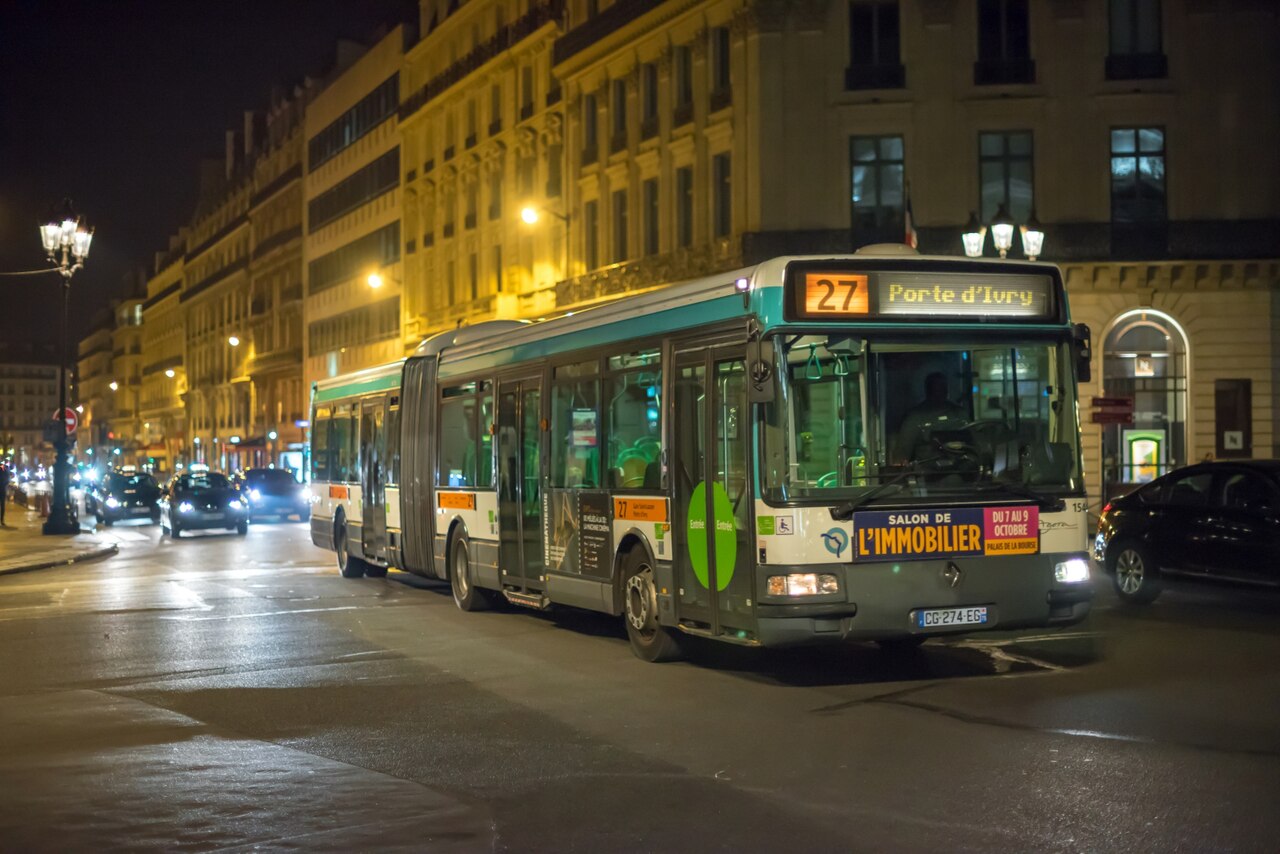
The Renault Agora, launched in 1995, is a perfect example: a low-floor bus with a transverse rear engine, later rebadged an Irisbus and fitted with Iveco engines. The full story of how France's bus badge went Italian is in our French bus history — but the design lesson is the same as everywhere else. A plain vertical rear was the cheapest way to hang the same lights, meet every city's lighting rules, and drop one shared body onto more than one chassis.
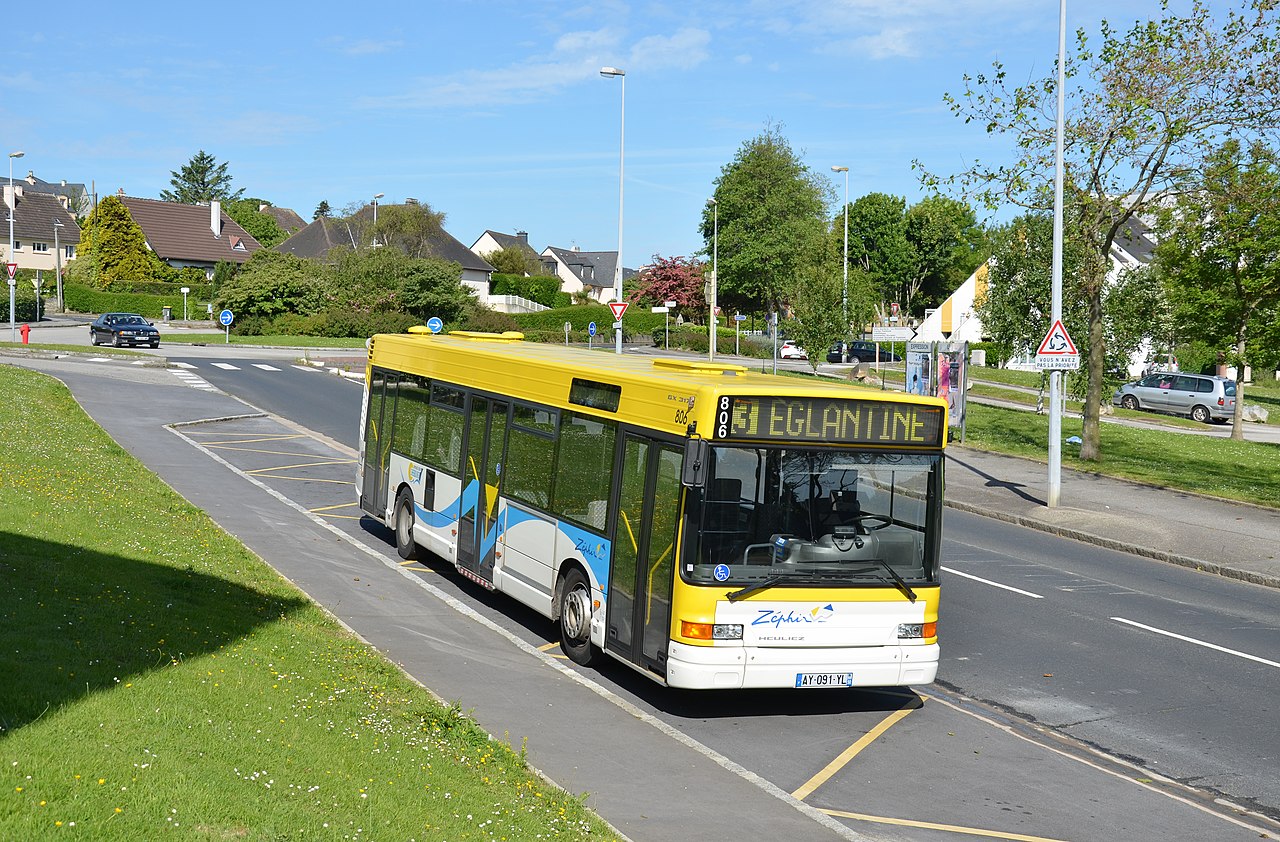
Put the four motives together and the flat rear stops being a mystery. It was the zone where fleet engineering beat styling every time: cheap to build, easy to un-dent after a low-speed city knock, and quick to swing open for the engine underneath. Aerodynamics never got a vote — a city bus spends its life below 50 km/h, so there was nothing to gain from a sculpted tail.
What the flat back feels like to drive
This is where the trivia turns into something you can feel with a controller in your hands. That flat rear is the visible signature of a rear-mounted engine sitting behind the last row of seats — and you notice it the moment you pull away.
You hear it first: the engine note comes from directly behind you, not from under the floor, so the last rows of the bus are the loud seats. You feel it in the corners: with the engine and radiator tower hung out over the back axle, the tail is heavy, and it wants to swing wide in a tight turn. And because the low-floor versions dropped their whole centre of gravity toward the road, they sit flatter and more planted on a straight than the older high-floor buses do.
Want to feel the German half of the story? Browse the German bus mods, home of the VÖV standard that started it all. Prefer the French take on the same shape? The French bus mods give you the Agora and Heuliez side of the family. Same flat back, different accent.
FAQ
Why do old European buses all have the same flat back?
What was the VÖV standard bus?
Why did buses become low-floor in the 1990s?
Why do different bus brands use the same tail lights?
Sources
- VöV-Standard-Bus — Wikipedia — the German operators' standardisation; first generation from 1968 (11,000 mm), second generation (SL-II) from 1984 built by Neoplan and Daimler-Benz; lasting influence on later models.
- Mercedes-Benz O405 — Wikipedia — the last VÖV SL-II standard bus, built from the mid-1980s to the early 2000s, and its low-floor O405N variant.
- MAN SL202 — Wikipedia — MAN's standard-floor city bus, built in Salzgitter from 1983 to 1993.
- MAN NL202 — Wikipedia — MAN's low-floor bus derived from the VÖV SL-II standard, using a rear "tower" engine layout to keep a flat floor.
- Iveco TurboCity — Wikipedia — the Italian single-decker city bus built from 1989 to 1996, succeeded by the Iveco CityClass.
- Irisbus Agora — Wikipedia — the Renault Agora (from 1995), its transverse rear engine, and the 1999 Renault–Iveco merger that formed Irisbus.
- Heuliez Bus — Wikipedia — the French maker and its GX range, now part of Iveco Bus.
- Hella — Buses and coaches — a specialist supplier of modular rear lighting for city and intercity buses.
Hero & illustrations via Wikimedia Commons: hero Mercedes O405 (rear) — KC2001, CC BY-SA 4.0; Iveco TurboCity — Dcosta, public domain; Mercedes-Benz O305 — Vicky van Dal, CC BY-SA 4.0; MAN NL202 (Dortmund) — Jürgen520 at de.wikipedia, CC BY-SA 3.0; Mercedes O405N — C messier, CC BY-SA 4.0; Renault Agora — PR180.2, CC BY-SA 2.0; Heuliez GX 317 — Florian Fèvre, CC BY-SA 4.0.