The French Bus Story: Renault, Heuliez and the Paris RATP
France is a strange blank spot on the world bus map. It has no globally famous badge like Mercedes or Volvo, and its biggest bus name today is actually Italian. Yet Paris quietly built one of the most influential city buses ever made — not by a maker chasing the world market, but by a transit authority designing the exact bus it needed for itself.
That authority is the RATP, the operator that runs Paris, and its fingerprints are all over the French bus. This is the story of the machine RATP designed for Paris, why the Renault bus badge disappeared, and who still flies the French flag.
The Saviem SC10: the bus RATP designed for itself
The French "standard bus" was born from a committee, and that is a compliment. The Saviem SC10 was the result of a joint study by the RATP and France's union of urban transport operators, and its first commercial version appeared in September 1965. The "SC" even records its parentage — Saviem-Chausson. It was then built by Saviem and later Renault Véhicules Industriels from 1965 all the way to 1989.
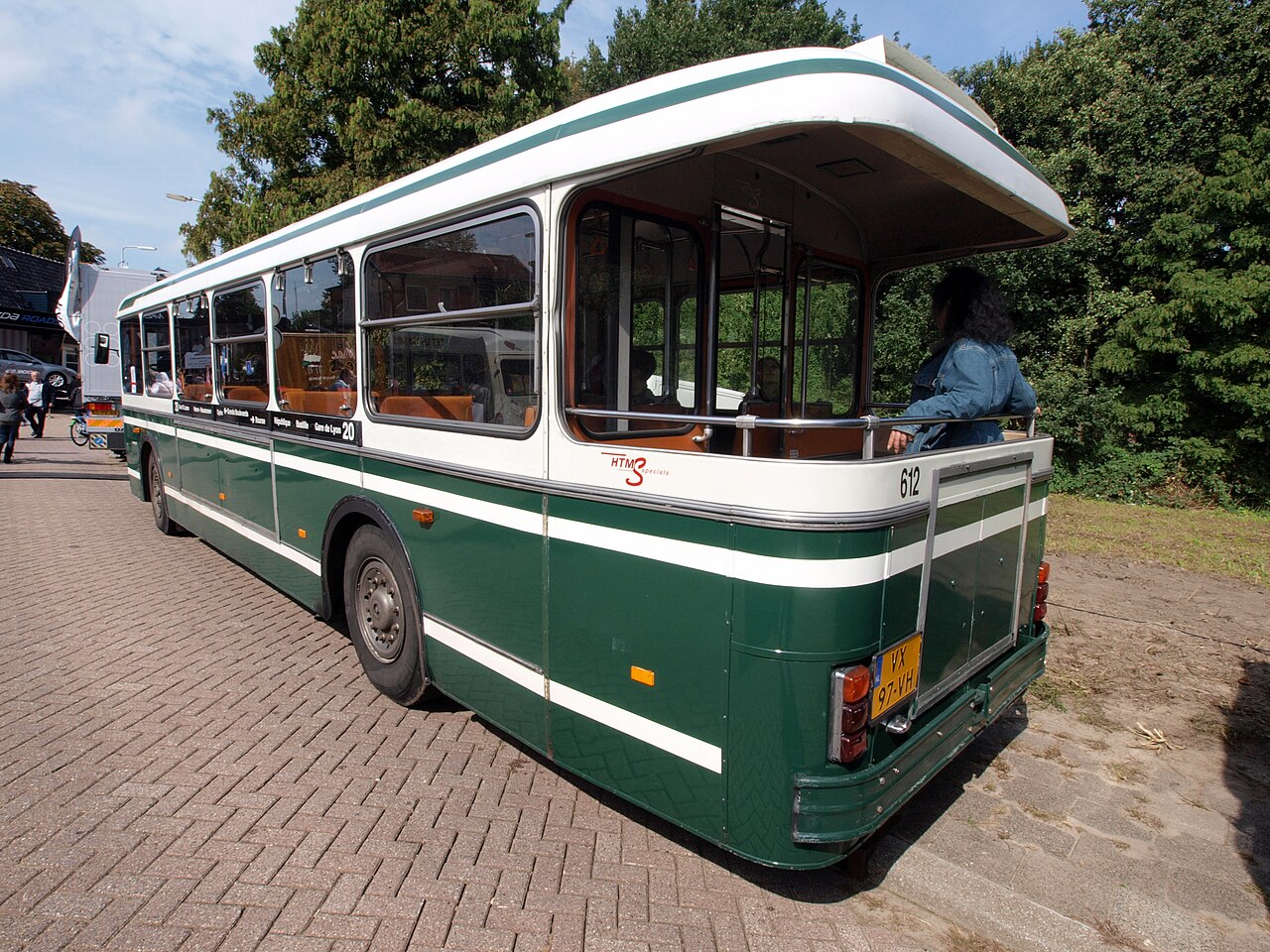
Its dominance in Paris is hard to overstate. The RATP was by far its biggest customer, taking about half of all orders, and by 1987 the SC10 made up roughly 91% of the entire RATP fleet. Of the more than 11,000 built, almost all stayed in France — only a handful were ever exported. The last Parisian SC10s soldiered on in service until 2002. For nearly four decades, "a bus in Paris" essentially meant this one machine.
Going low-floor: the Renault Agora
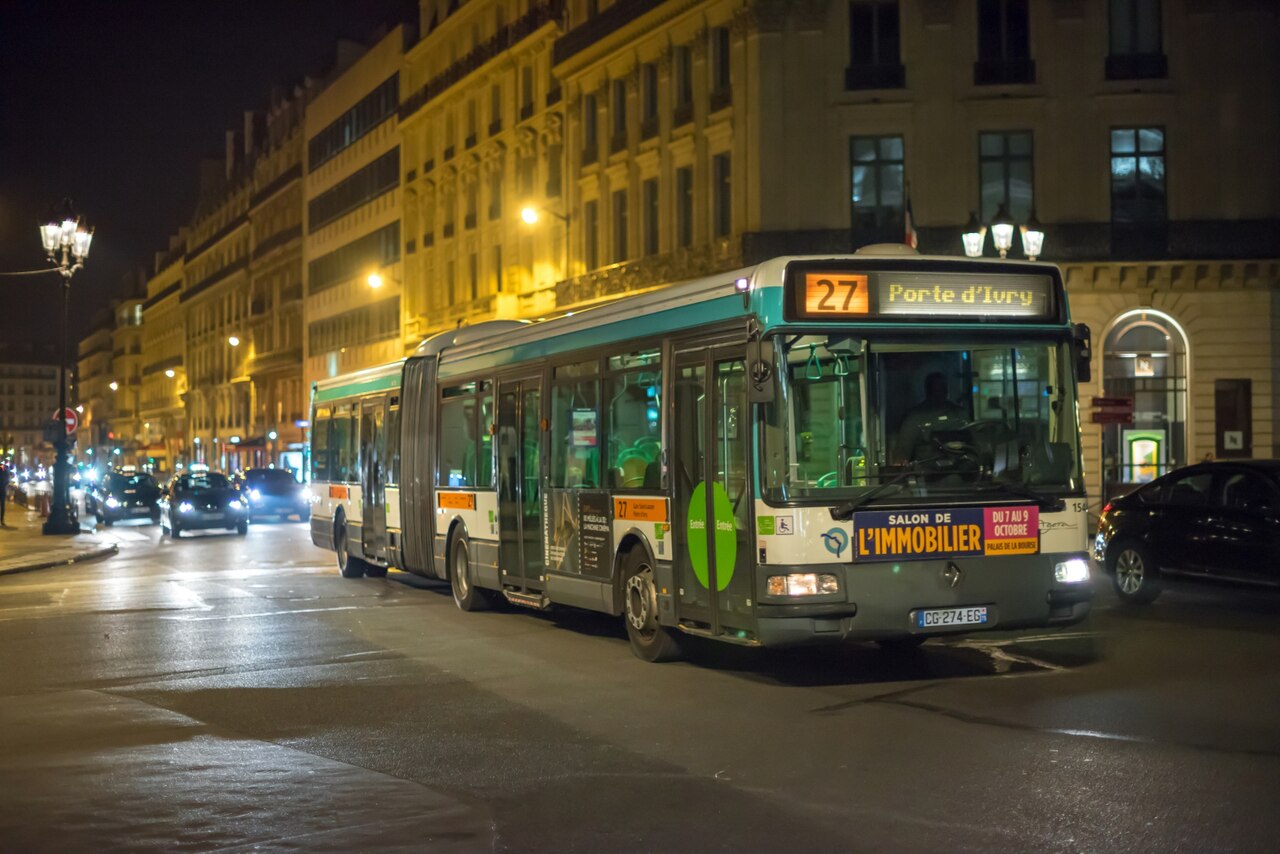
Tighter emissions rules and the accessibility revolution eventually retired the high-floored SC10. Its successor was the Renault Agora, a modern low-floor city bus built by Renault from 1995 — the step-free bus you see at the top of this page, in RATP colours. Once again Paris led the order book: the RATP took over 2,500 Agoras, making it the model's largest single operator.
But look closely at the Agora's later life and you spot the twist that defines the whole French story. From 2002 it was no longer badged a Renault at all — it became an Irisbus Agora. The French national bus, ordered by the thousand for Paris, had quietly changed nationality.
The name that vanished: Renault to Irisbus to Iveco
Here is what happened. In 1999, Renault's bus and coach division was merged into Irisbus, a joint venture with Italy's Iveco. Iveco then took full control, and the Renault bus badge — the one that had built the SC10 and the Agora — simply disappeared into the Iveco Bus group. That is why France's own catalogue folds neatly into our guide to Iveco bus names, and why the modern French intercity workhorse is really the Iveco Crossway. The bus stayed French; the badge on the front went Italian.
The survivor: Heuliez Bus
One genuinely French bus name did survive the takeover, though — and it is the one most players will recognise. Heuliez Bus, based at Rorthais in western France and formed in 1979, kept building its distinctive GX range right through the upheaval: the low-floor GX317 and GX327, the articulated GX437, and modern electric GX ELEC versions.
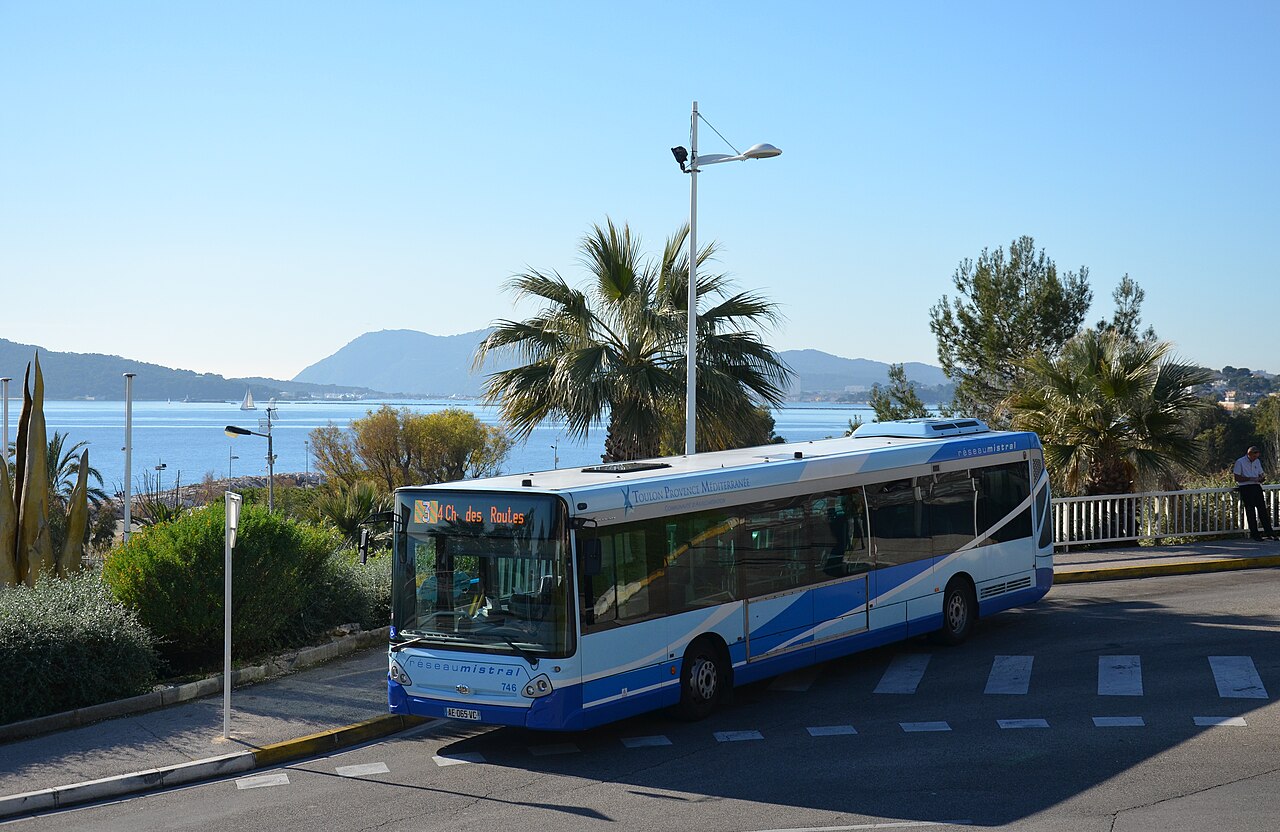
The catch? Heuliez, too, is now part of Iveco Bus — it sells under the Iveco name internationally and keeps the Heuliez badge alive mainly for French-speaking markets. So the French bus scene ended up in a curious place: a proud national tradition, designed around one Paris operator, now living on inside an Italian group under two different names.
What the French bus feels like to drive
The RATP's fingerprints are exactly what you feel behind the wheel. These buses were shaped by one obsession — moving enormous crowds through a dense, historic city as fast as possible. That means wide doors, generous standing room and gearing tuned for constant stop-and-go rather than open-road cruising. A French city bus is a passenger-flow machine: it wants short hops, quick boarding and a rhythm of pulling in and out of tightly-spaced stops.
Drive an SC10 and you get the older half of that story — a high floor and a big, boxy cabin built to swallow a rush-hour queue. Drive an Agora or a Heuliez GX and you get the modern answer: a step-free low floor that loads even faster. Want to feel Paris in the driver's seat? Browse the French bus mods and pull into a stop the RATP way.
FAQ
What was the standard bus of Paris?
Does Renault still make buses?
What is Heuliez Bus?
What is the RATP?
Sources
- Saviem SC 10 — Wikipedia — the RATP/operators joint study, the September 1965 launch, 1965–1989 production, RATP dominance (~91% of the fleet by 1987), 11,000+ built and almost none exported, retirement around 2002.
- Renault / Irisbus Agora — Wikipedia — the low-floor Agora built by Renault from 1995, the 2,500+ RATP fleet, the R312 predecessor, and the shift to the Irisbus badge.
- Heuliez Bus — Wikipedia — the French maker formed in 1979 at Rorthais, its GX range, and its status as an Iveco Bus subsidiary.
Hero & figures via Wikimedia Commons: hero (Renault Agora, RATP) — PR180.2, CC BY-SA 2.0; Heuliez GX 327 — Florian Fèvre, CC BY-SA 4.0; Saviem SC10 — Alf van Beem, CC0.