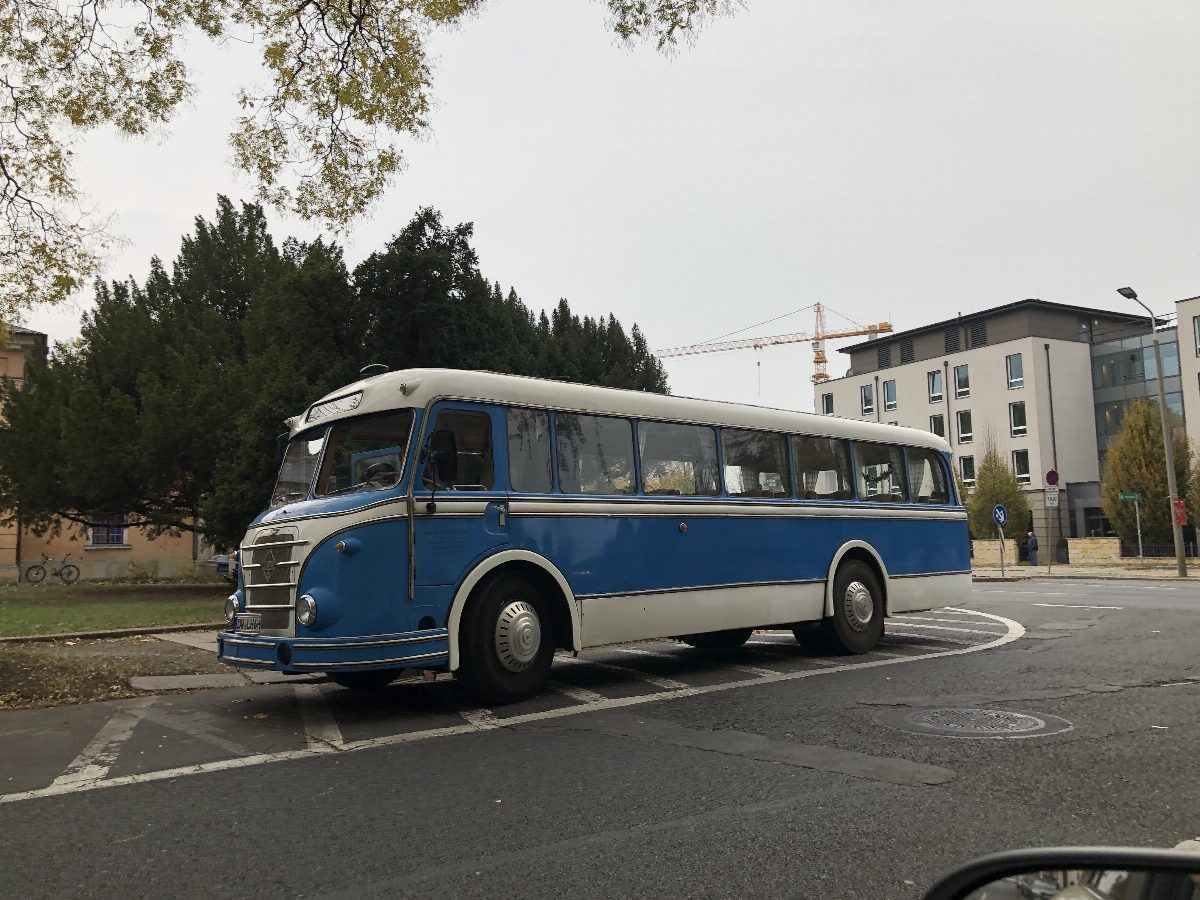
Why Do City Buses Have So Many Doors?
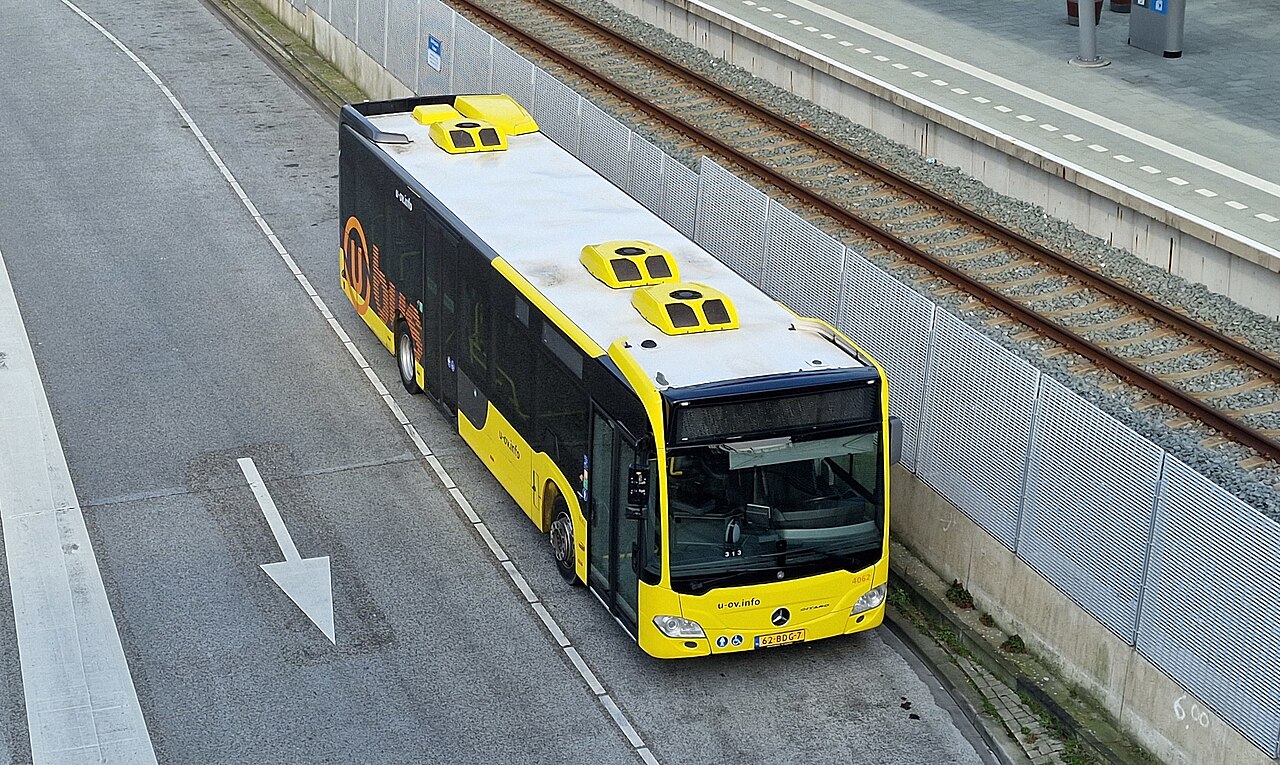
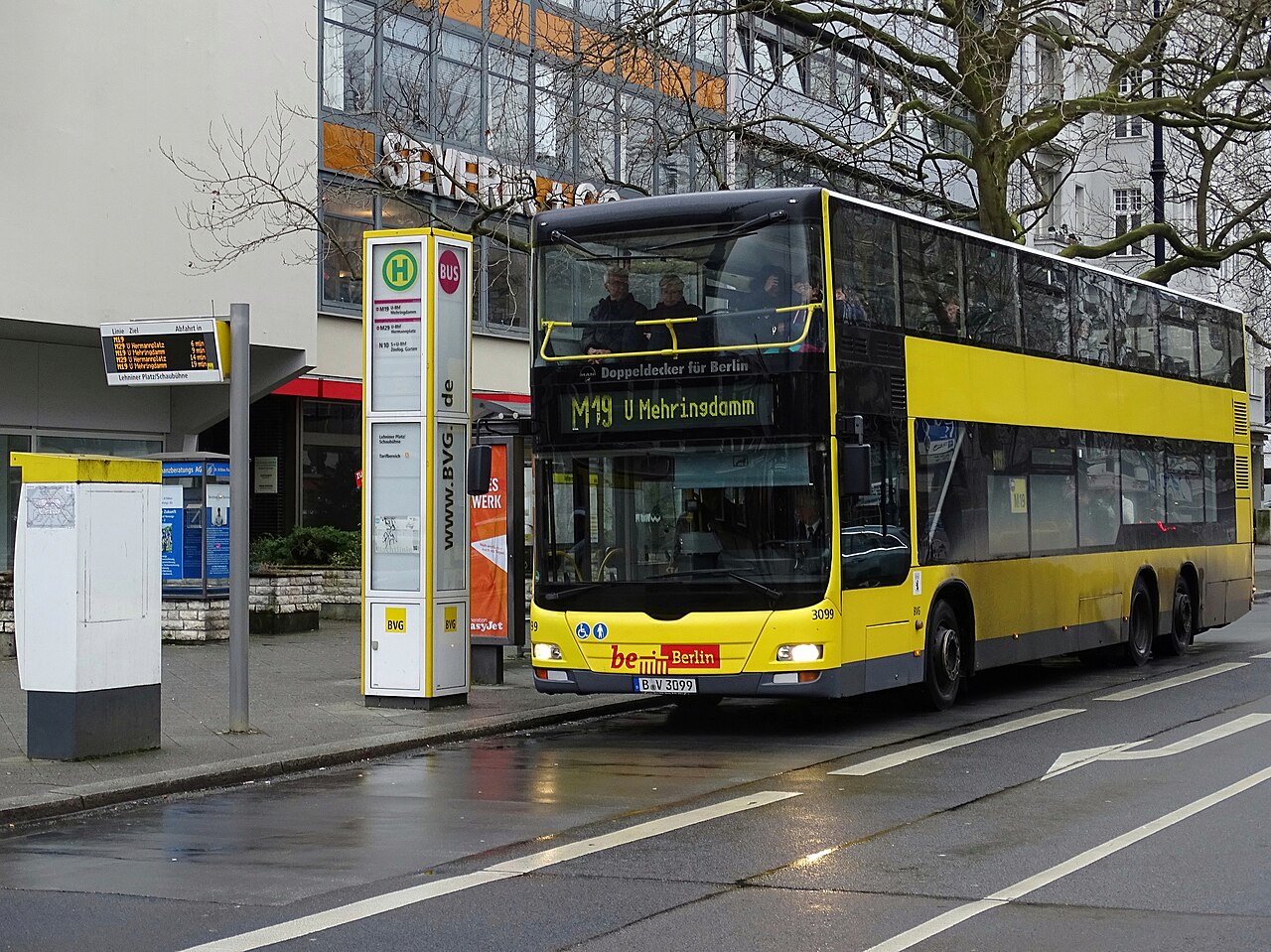
Look at a long-distance coach and you will find a single door near the front. Look at a big-city articulated bus and you might count four. Same idea — a bus — but a completely different attitude to the door.
That difference is not decoration. The number of doors on a bus is the answer to one question: how fast do you need to get people on and off? Learn to read the doors, and you can tell what a bus is for before it even moves.
The door is the bottleneck
A city bus spends a surprising amount of its day not driving, but sitting at stops while people file on and off. Transit planners call this dwell time, and it is the enemy of a fast, reliable route. Every extra second at every stop, multiplied across a whole line, adds up to a slower bus and an emptier timetable.
Doors are the main lever against it. One door means one queue and one person boarding at a time. Two or three doors mean people load and unload in parallel, and the bus is moving again far sooner. In the city, where a bus might stop every few hundred metres, that is everything.
One door or four: reading a bus by its doors
Once you know to look, the door count sorts buses by their job.
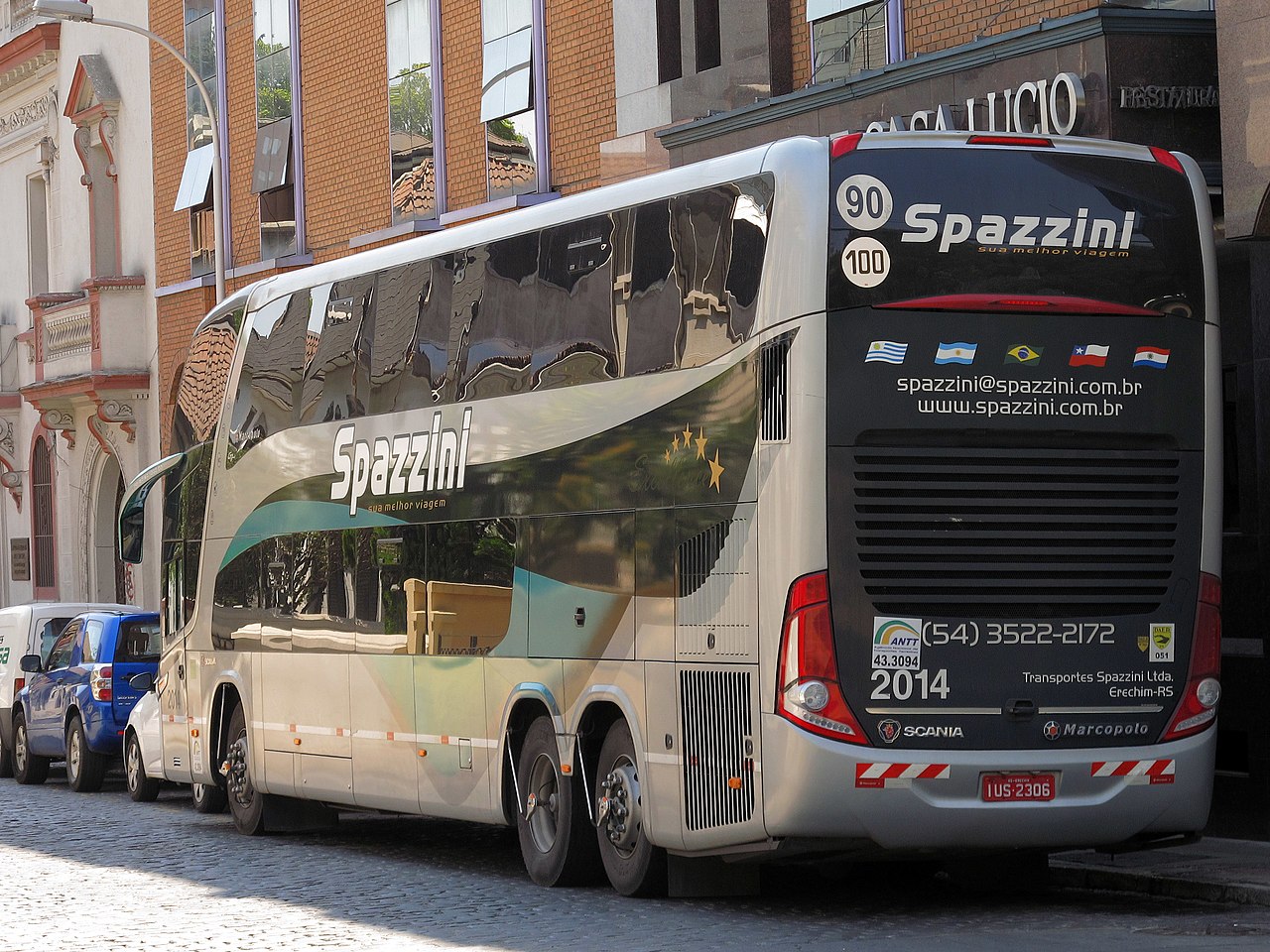
A coach has one door because a coach makes long trips with few stops; passengers board once and settle in, and the space a second door would eat is better spent on seats and luggage bays. A standard city bus carries two, sometimes three. An articulated bus, bent in the middle and twice as long, spreads three or four doors down its side so a crowd can pour in and out at once.
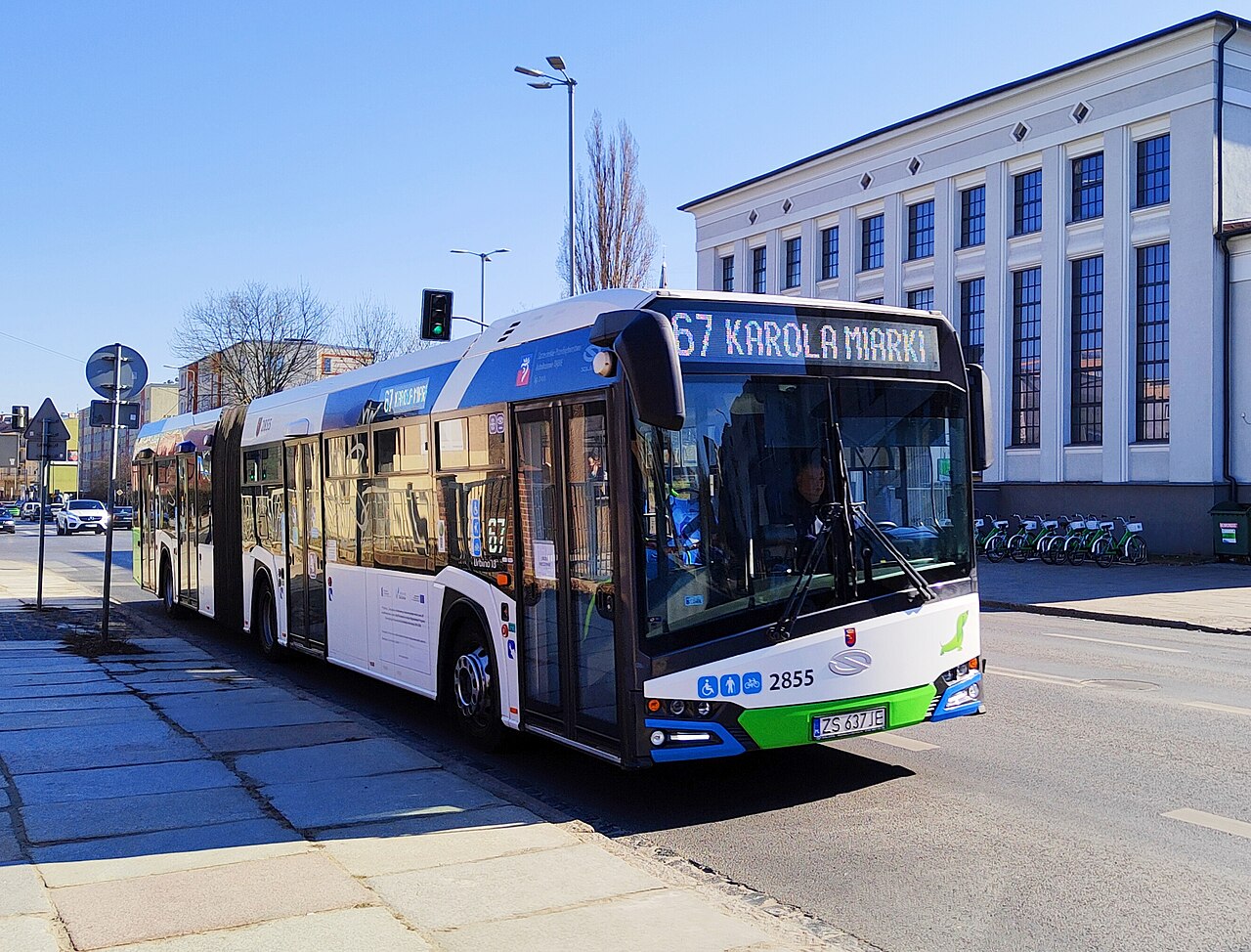
| Bus | Typical doors | Why |
|---|---|---|
| Long-distance coach | 1 | Few stops; board once, sit for hours |
| Standard city bus | 2–3 | Frequent stops; load and unload in parallel |
| Articulated bus | 3–4 | Huge crowds; empty and fill in seconds |
Front-door-only vs all-door boarding
Having the doors is only half the story — the other half is whether a bus lets you use them. This is the great divide in city transit.
The traditional way is front-door boarding: everyone enters at the front, one at a time, past the driver to pay or show a pass. It controls fares, but it is slow — a single-file queue at every stop. The modern alternative is all-door boarding: pay before you board or tap a card at any door, and step on wherever there is space.
The time saved is real and measured. When San Francisco's Muni switched its whole network to all-door boarding in 2012, dwell times fell by 37% and the service became about 42% more consistent, and studies of the change found boarding sped up sharply per passenger. It is the same logic Curitiba used to invent Bus Rapid Transit — prepaid, level, all-door boarding — which we tell in full in how Brazil invented Bus Rapid Transit.
The doors themselves are clever
Look closely and even the door mechanism is designed for speed and space. Most city buses use plug doors, which pop outward and slide along the outside of the body, so they take up no room inside and seal tight against wind and noise. They are powered by compressed air, which is why a bus door closes with that unmistakable hiss.
Pair that with a low floor and you get the fastest boarding of all: no steps, wide doors, and a passenger can walk straight on at pavement height. Doors and floor height are really one design working together.
Why it matters in the driver's seat
In Proton Bus Simulator you live this every stop. You pull in, open the doors, wait for the load, close up, and pull out — and on a busy route that door cycle is the rhythm of the whole shift. Drive a two-door city bus on a packed corridor and you feel why the second door exists: the stop clears in half the time.
It also tells you which bus to pick for which map. A one-door coach is happiest on a long highway run; a multi-door articulated city bus earns its doors on a dense urban line where the crowds never stop. Match the doors to the route, and the bus does its real job.
FAQ
Why do city buses have more than one door?
Why does a long-distance coach have only one door?
What is all-door boarding?
Why do bus doors hiss?
Sources
- Streetsblog USA — All-Door Boarding Can Save Time for Bus Riders — San Francisco Muni's 2012 all-door boarding and its dwell-time results.
- NACTO — Better Boarding, Better Buses — how boarding and fare policy drive dwell time.
- Evaluation of All-Door Boarding: Analysis of Dwell Time Performance (UC eScholarship) — measured per-passenger boarding-time reductions.