How Brazil Invented Bus Rapid Transit: The Curitiba Story
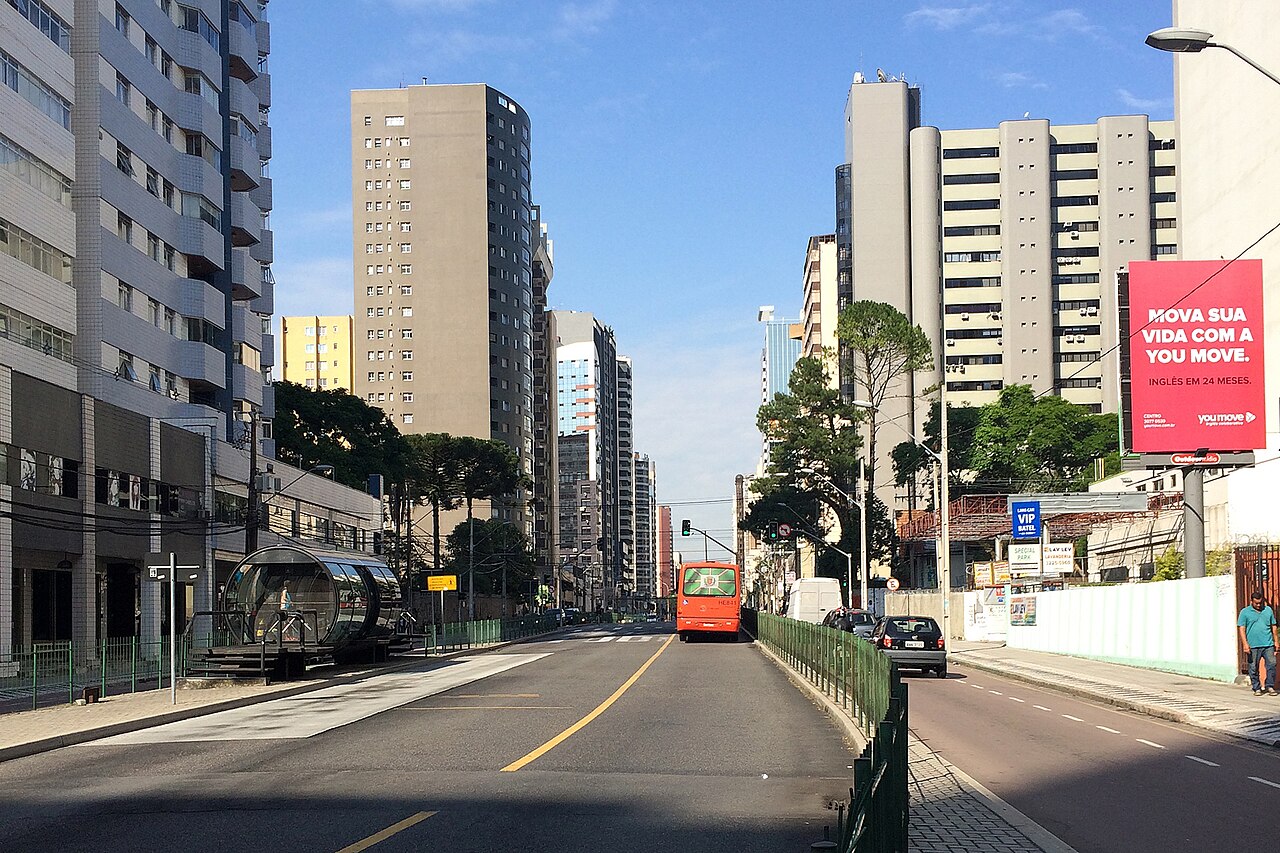
When a city wants to move a lot of people fast, the textbook answer is a subway — and the textbook problem is that subways cost a fortune and take decades to dig. In 1974, a mid-sized Brazilian city that could afford neither did something cleverer: it gave its buses their own roads and ran them like a metro on the surface. That city was Curitiba, and the idea it pioneered — Bus Rapid Transit — went on to reshape how hundreds of cities move.
Curitiba's fingerprints are all over the game's Brazilian content — the dedicated SPTrans corridors, the long high-capacity buses, the whole logic of bus-as-rail — and there is now even a Curitiba map for Proton Bus Simulator that recreates the city's real BRT lines. Here's the story of how a bus system out-thought the subway.
1974: a metro made of buses
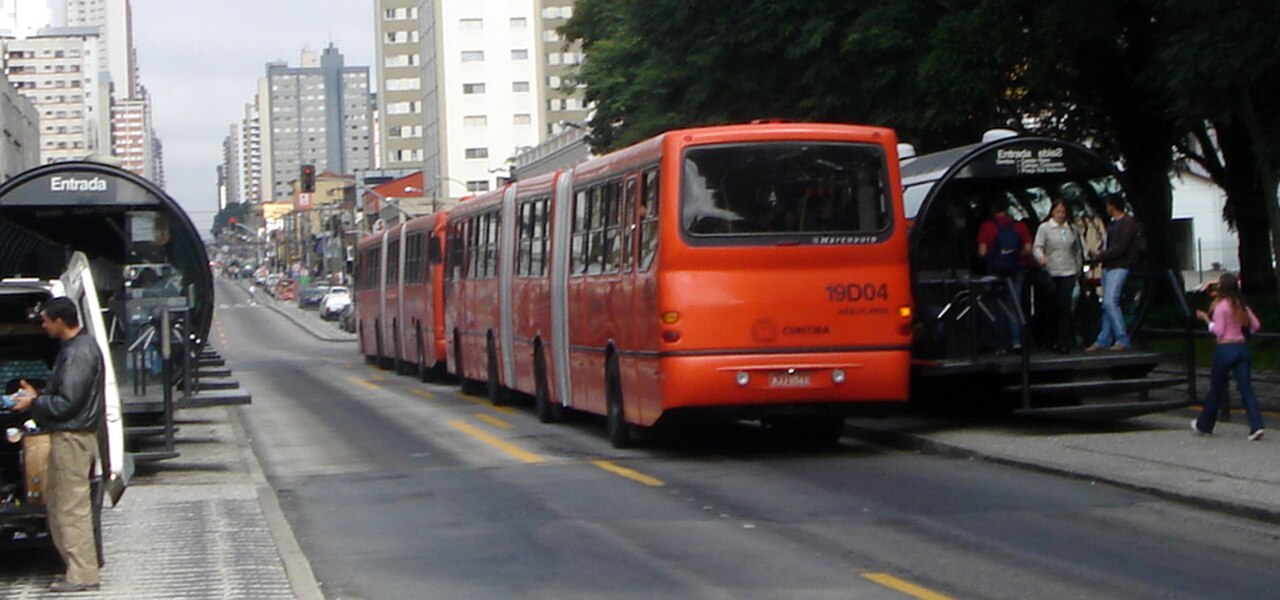
The architect behind it was Jaime Lerner, an urban planner who served three terms as mayor of Curitiba, the first running 1971–1974. Facing a fast-growing city with no budget for rail, Lerner's team did something counterintuitive: instead of widening roads for more cars, they handed the centre lanes of the city's main avenues to buses alone. During that first term, Lerner implemented the Rede Integrada de Transporte (RIT) — express "trunk" buses running in dedicated, car-free lanes down the city's structural axes, fed by a network of connecting local routes. It is widely credited as the world's first true Bus Rapid Transit system.
The tube station: a subway idea on the sidewalk
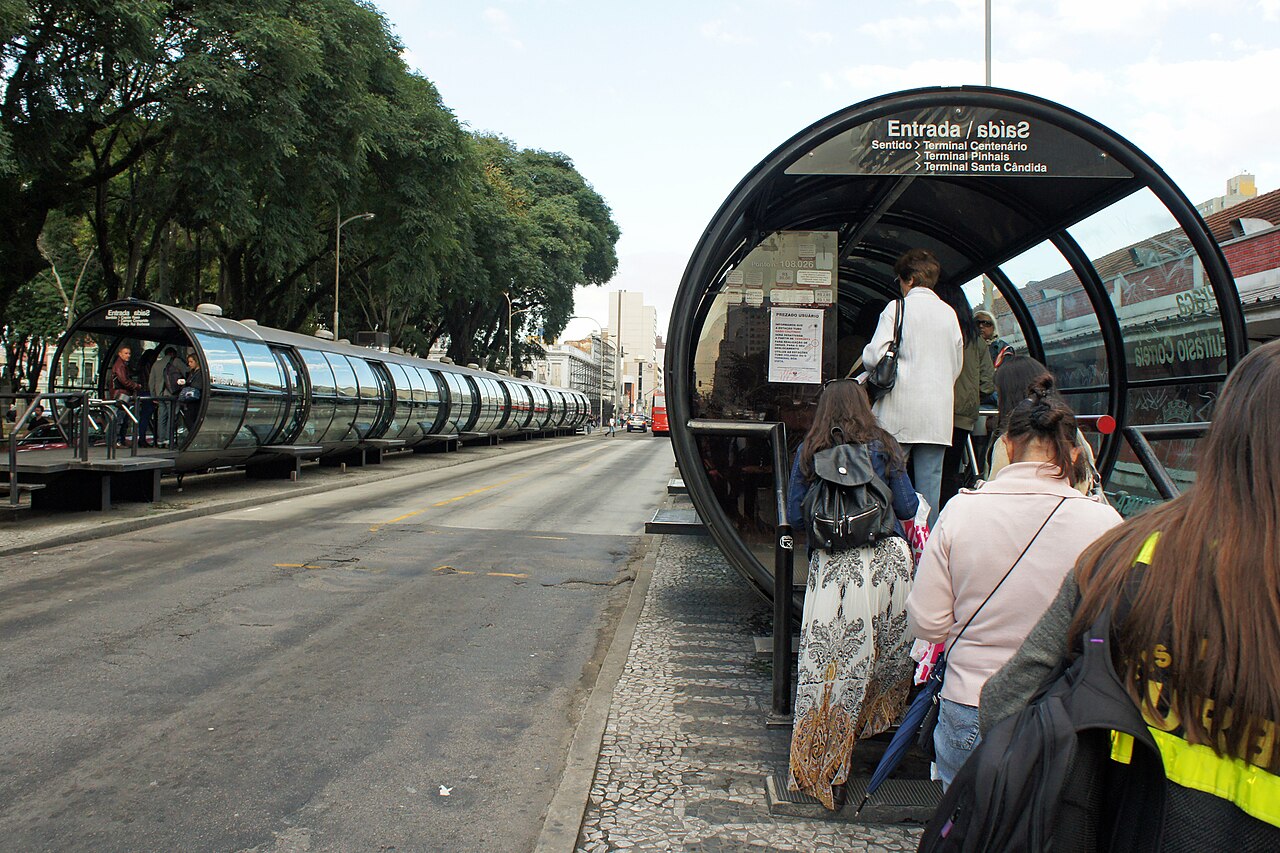
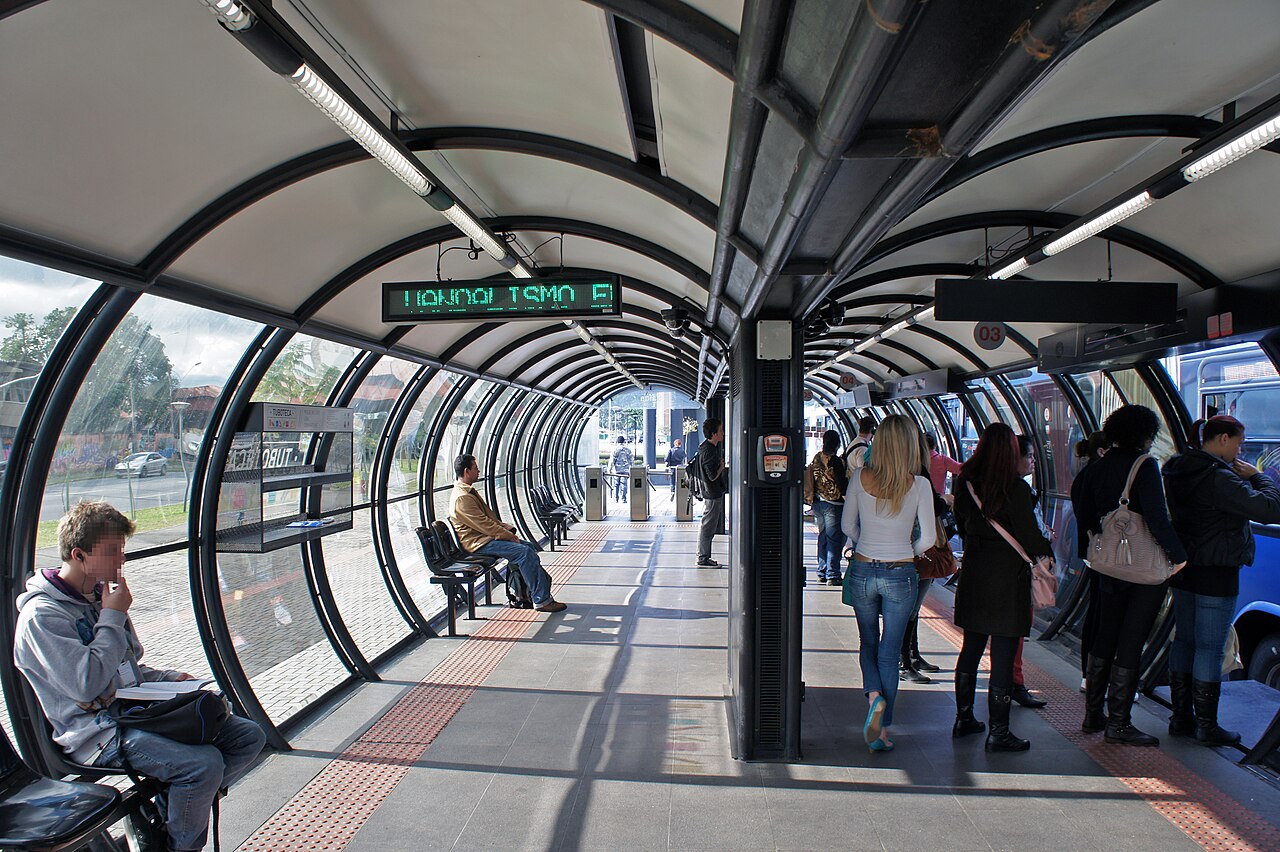
The piece that made it really work came later. In 1991, Curitiba rolled out its now-famous estações-tubo ("tube stations") — raised, enclosed glass cylinders where two things happen that normally slow a bus to a crawl. You pay your fare before you board, and you step straight across onto the bus at floor level, with no steps to climb. Those raised, pre-paid platforms cut the time a bus sits at a stop from a long, fumbling minute to a matter of seconds — which is exactly what lets a bus keep a train-like rhythm. By 2014 there were 357 tube stations across Curitiba and its region.
Bigger buses, not bigger holes
To push ever more people down a corridor, Curitiba grew the buses rather than digging tunnels. Standard buses gave way to articulated ones, and then to bi-articulated buses — three rigid sections joined by two flexible joints, carrying around 250 passengers in a single vehicle. Those giants were developed in Curitiba in partnership with Volvo, whose Latin American headquarters sit in the city (a story we tell in our Volvo B-series history). The result was light-rail-scale capacity at a fraction of light-rail cost.
The idea the world copied
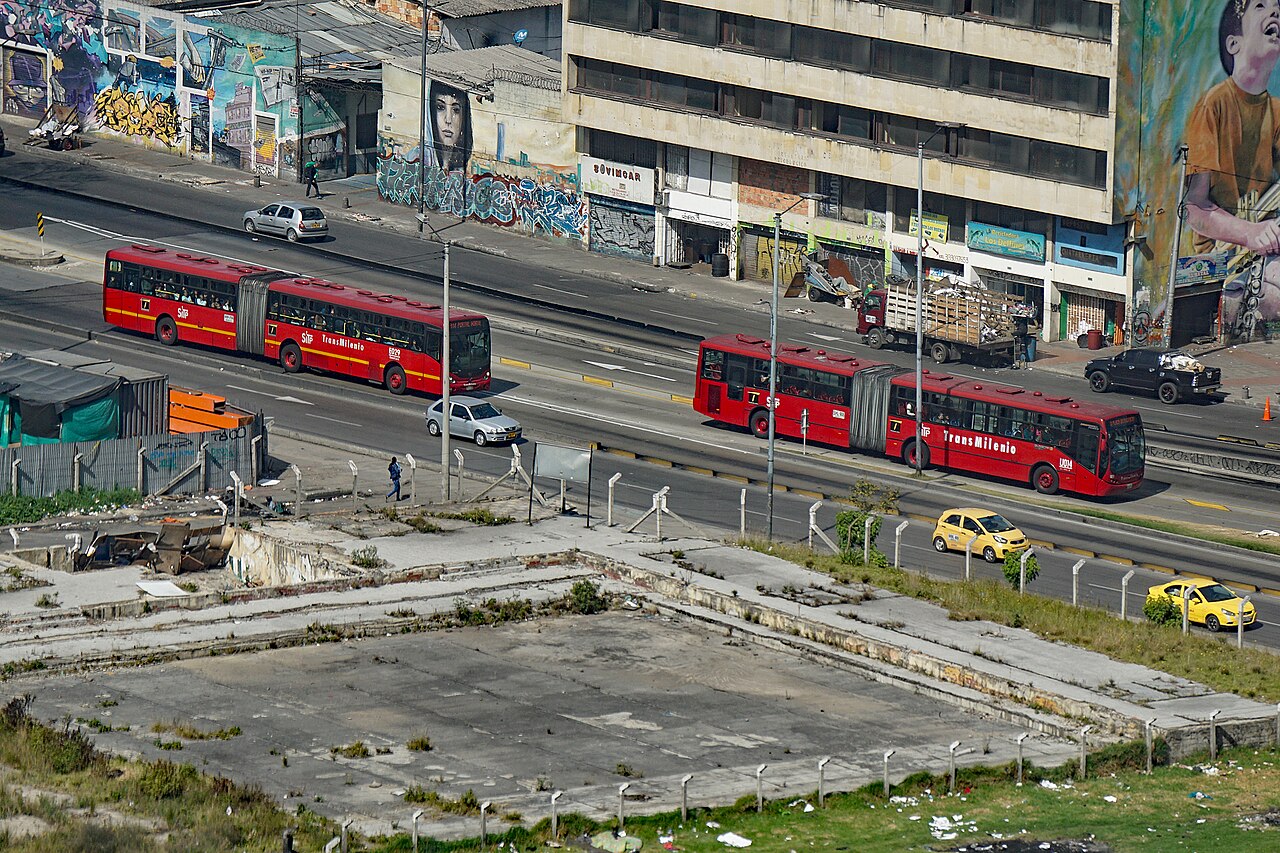
Curitiba's blueprint — car-free busways, prepaid level-boarding stations, and high-capacity buses — proved so effective that other cities stopped treating it as a Brazilian curiosity and started copying it wholesale. The most famous descendant is Bogotá's TransMilenio, which opened in 2000 and scaled the concept up to a megacity. From there BRT spread to hundreds of cities, especially across Latin America and the developing world, wherever a government needed metro-like capacity on a bus budget.
Driving the legacy
You can feel Curitiba's DNA in the Brazilian side of Proton Bus Simulator. The dedicated corridors and SPTrans-style routes of the Projeto SP map are the same idea Lerner drew in the 1970s, and high-capacity machines like the four-axle MAN Lion's City GXL are exactly what a BRT trunk line is built around. Driving them well is a BRT lesson in miniature: hold your speed in the busway, manage the mass, and dock precisely so passengers can step straight on.
Better yet, you can now drive Curitiba itself: the Curitiba BRT Demo map recreates real trunk lines 302 and 306 across the Centenário corridor — one of several real places we round up in our guide to the real cities you can drive in Proton Bus Simulator.
It's a neat reminder that the most influential idea in modern bus transit didn't come from a factory or a capital — it came from one city deciding its buses deserved their own road. Take the descendants for a drive in our collection of Brazilian bus mods.
FAQ
Where and when did Bus Rapid Transit start?
Who invented BRT?
What is a Curitiba "tube station"?
How is BRT different from a normal bus route?
Hero image: a tube station on a Curitiba BRT corridor. Photo: Mario Roberto Durán Ortiz (Mariordo), CC BY-SA 4.0, via Wikimedia Commons.