Why Bus Simulators Have the Biggest Modding Communities in Gaming
Spend any time around bus simulators and one thing becomes obvious fast: the mods never stop coming. A fifteen-year-old German game still gets brand-new cities. A mobile game from Brazil has hundreds of community buses. For a genre about driving slowly and stopping on time, bus sims punch absurdly above their weight when it comes to modding — bigger and more loyal scenes than games with a hundred times the marketing budget.
Why? It comes down to three things that almost no other simulation subject has all at once. Put them together and you don't just get players — you get an army of creators.
Reason 1: every city on earth is a different fleet
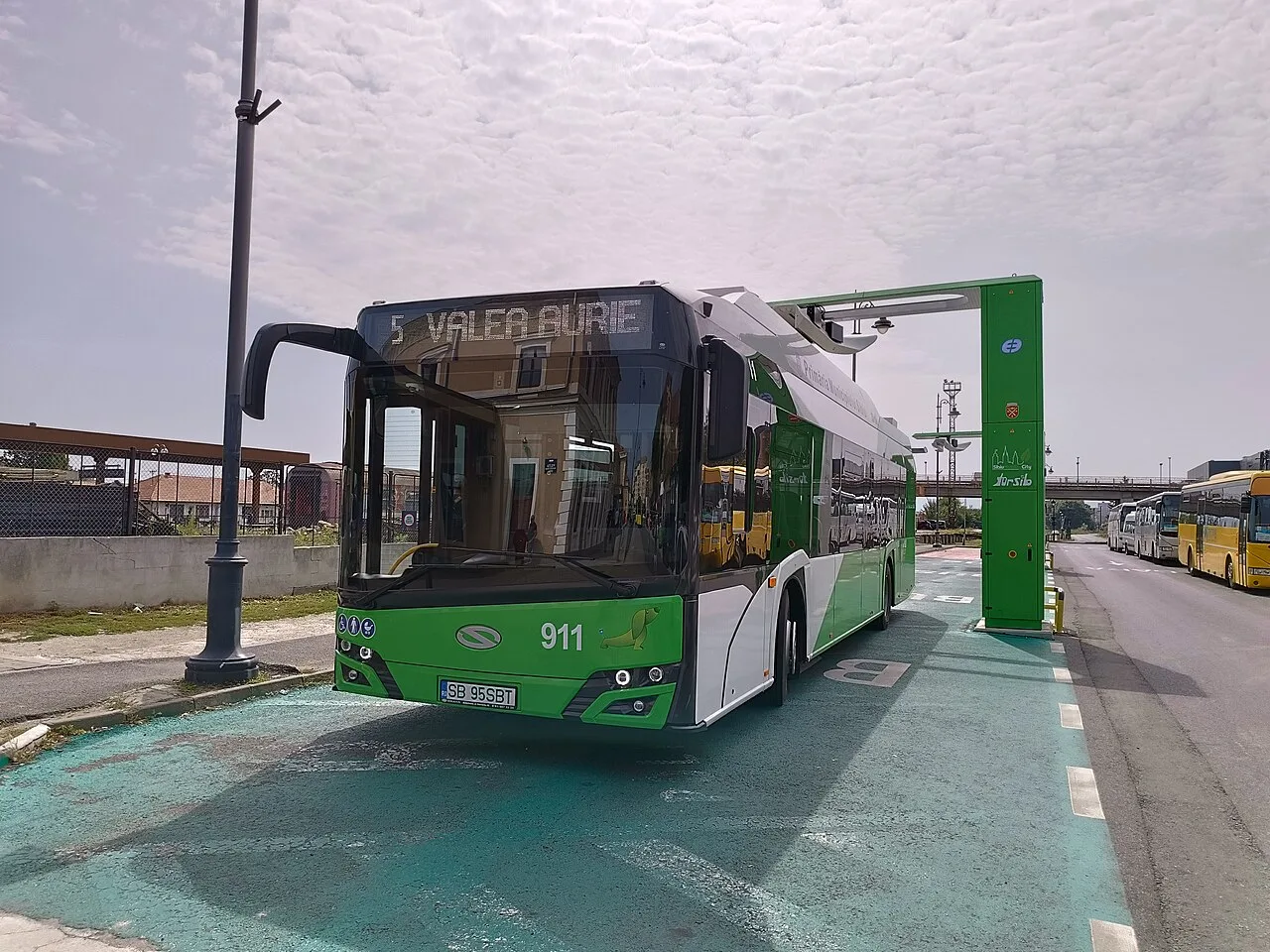
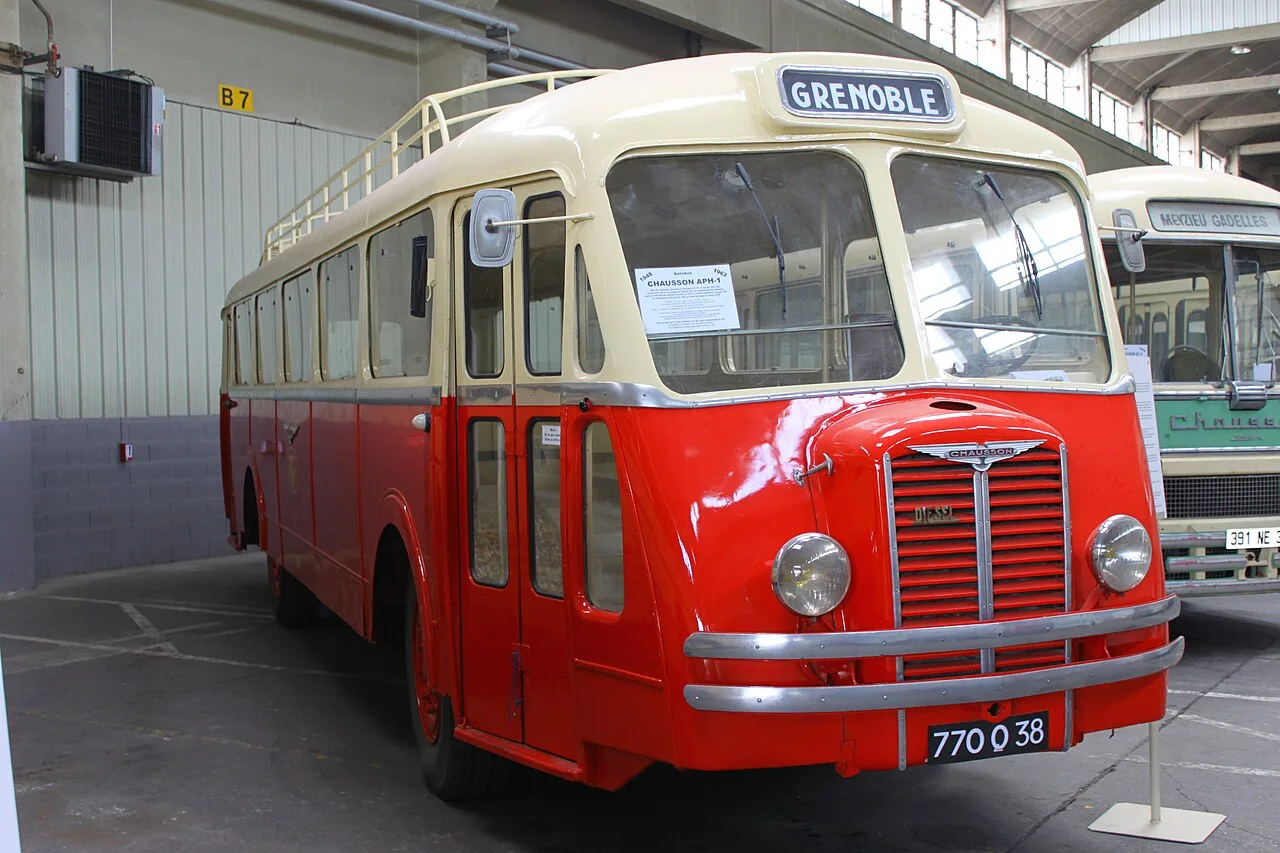
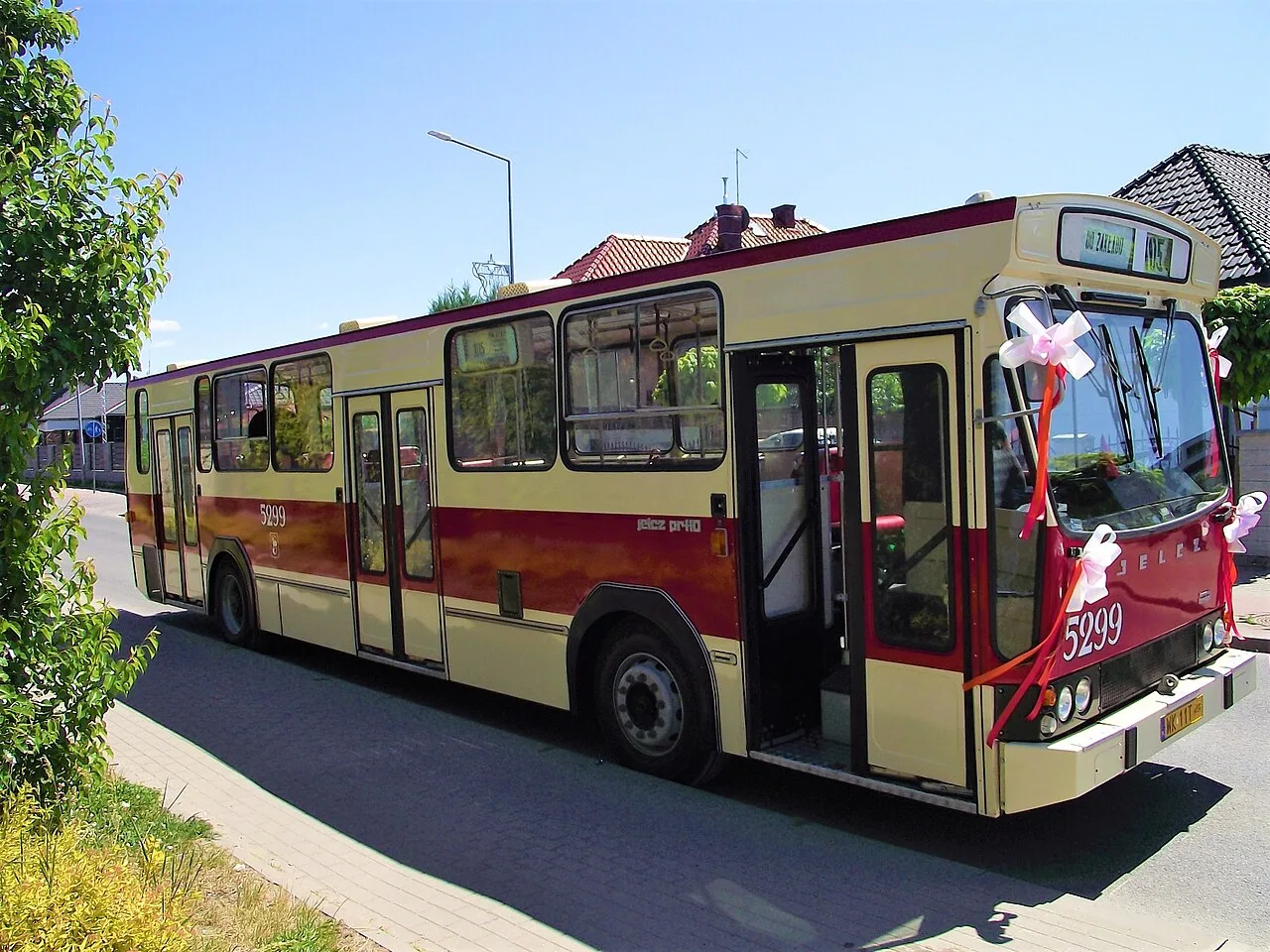
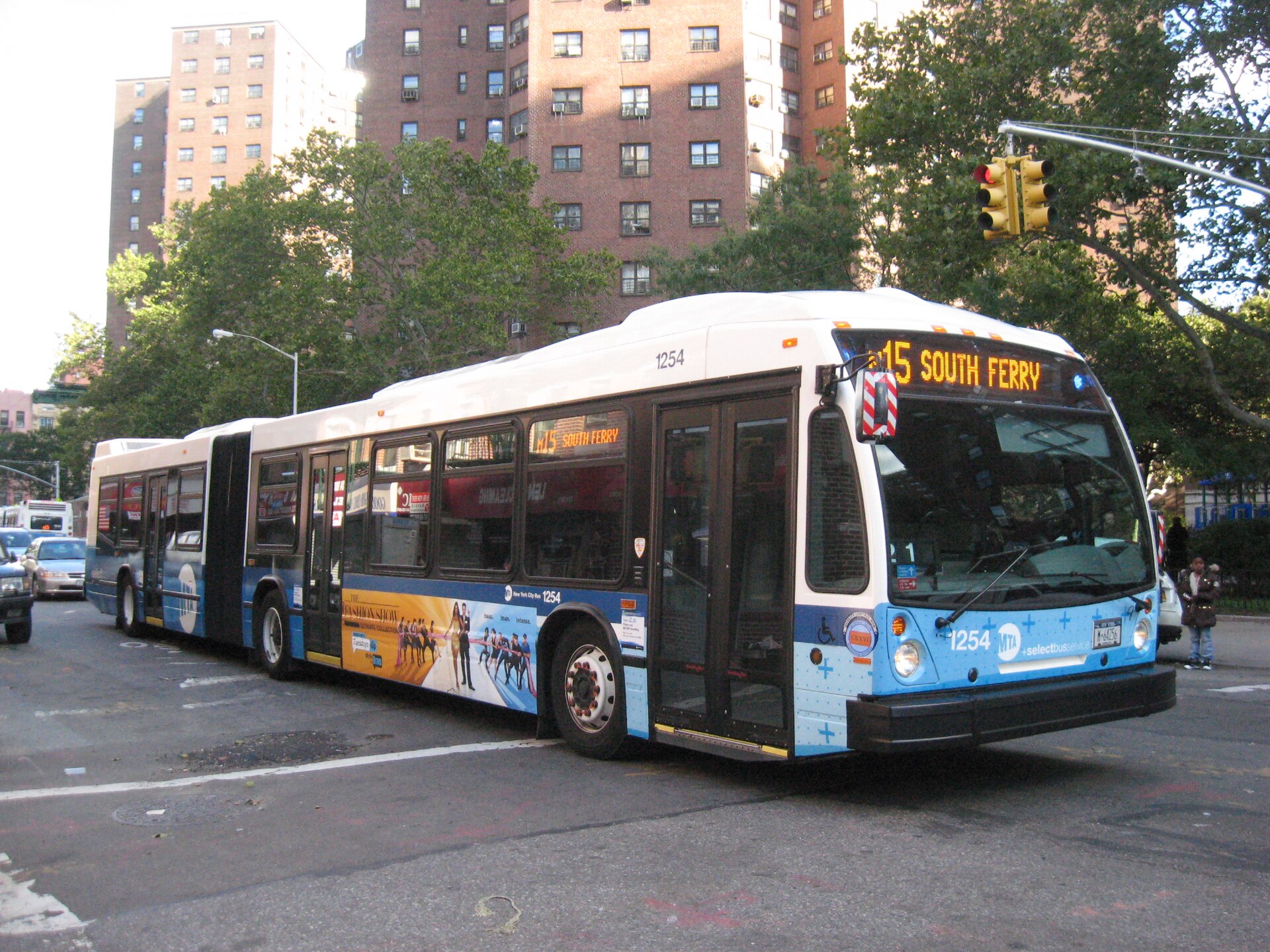
Most vehicle games pull from a finite pool. There are only so many supercars, so many fighter jets. Buses are the opposite: every city, region and country runs its own fleet, in its own colours, with its own quirks — and they all change over the decades. The well is effectively bottomless.
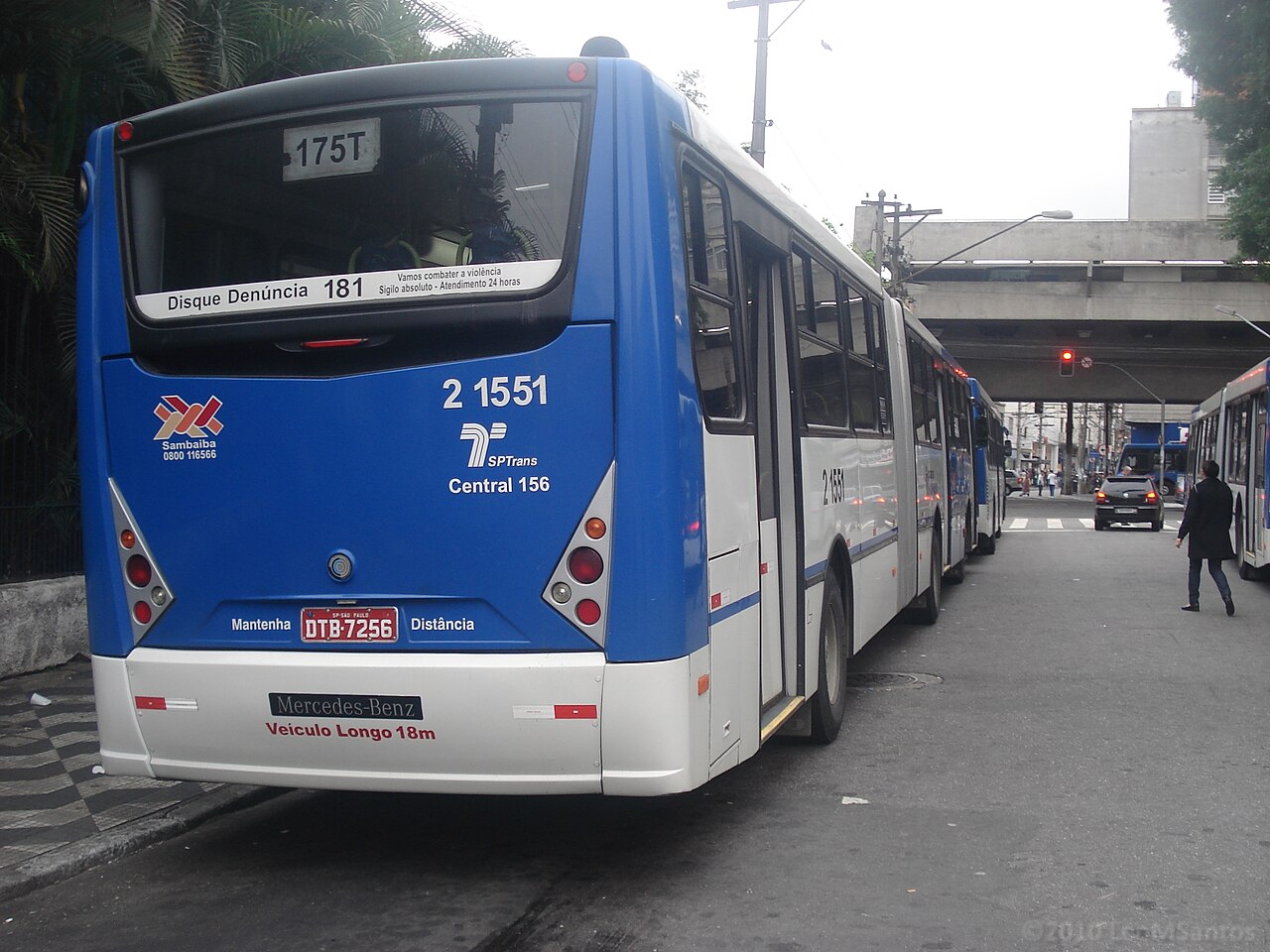
That variety is catnip to modders. There is always another bus that isn't in the game yet — your city's exact model, in your operator's exact paint. A racing game can feel "complete" once it has the famous cars; a bus game never can, because there is always one more real-world vehicle worth recreating.
Reason 2: the bus is personal
Here is the part outsiders miss: for a lot of players, a specific bus is a genuine piece of their childhood. The model that ran past your school, the line you took every day, the livery your city retired years ago — those are emotional objects, not just vehicles. Recreating them in a game is a way of preserving something real.
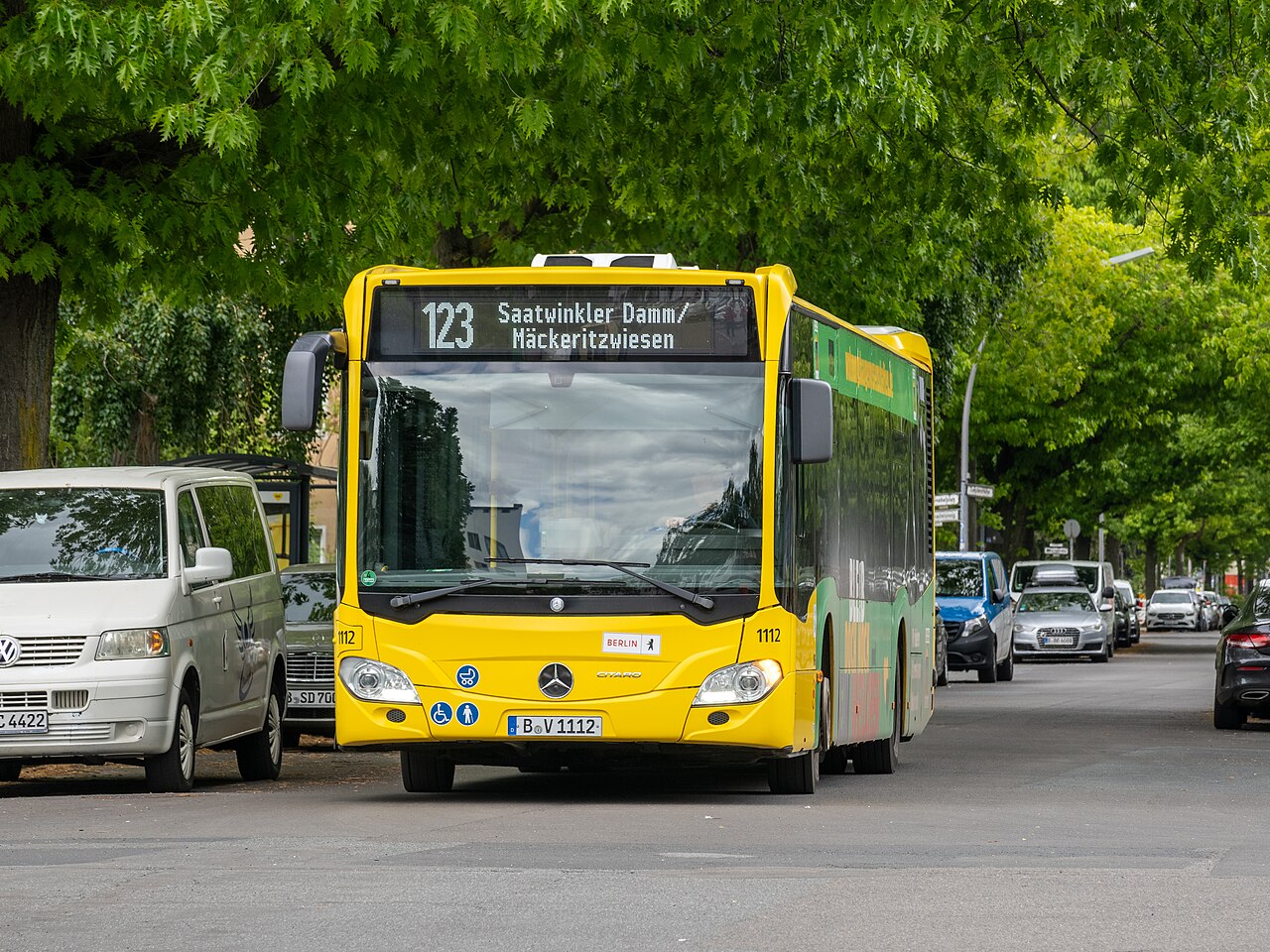
That emotional connection is rocket fuel for a community. People will spend months modelling a single bus not for downloads or money, but because it's the bus from home. No amount of variety alone would do that — it's the personal attachment that makes the variety matter.
Reason 3: the engines are open platforms
Variety and attachment would go nowhere without tools — and this is where bus sims got lucky. The genre's defining games were built as open platforms, not closed products. OMSI shipped with a script engine and a full map editor; Proton Bus Simulator brought that same openness to mobile and even added map modding. The games hand you the keys and get out of the way.
The results are remarkable. The Proton Bus community has produced entire cities from scratch — like Ponaex City, a sprawling post-Soviet Russian metropolis that's become one of the most-downloaded maps in the catalogue. Maps cross between games, too: classic OMSI cities get lovingly ported to Proton Bus so a whole new audience can drive them. That kind of cross-pollination only happens where the tools are open.
From players to creators
Stack the three together and the loop completes itself. Infinite real-world subjects, a deep personal reason to build them, and engines open enough to make it possible — so players stop waiting for a studio to add their bus and simply add it themselves. The audience becomes the content pipeline, and the content pipeline never empties.
Other games are finished when the developer stops. A bus sim is never finished, because the community never does.
That's the whole reason a site like this one exists — and why every mod in the Proton Bus Mods catalogue is made for Proton Bus Simulator (Android and PC). It's the open-platform end of the hobby, where your city is only a download away.
So if any of this sounds like you — if there's a bus or a city you've always wanted to drive — browse the catalogue, whether that's a Brazilian articulated, a German city bus, or a whole community-built map. Drop the .zip into the game, and drive your own city. If you're new to all this, our history of bus simulator games is the place to start.