The Story of Proton Bus Simulator: How a Brazilian Sim Went Global on Mobile
Most simulators come out of studios. Proton Bus Simulator came out of a bedroom. It was built by one Brazilian — a man who had spent years making add-ons for someone else's bus game — and it went on to power one of the most active modding communities in all of mobile gaming. If you have ever installed a bus on your phone, this is the game that made that possible.
The catalogue you are reading exists because of it. So here is where Proton Bus Simulator actually came from, why it started life under a completely different name, and how a phone game ended up with the kind of depth people used to need a gaming PC for.
From OMSI mods to his own game
Proton Bus Simulator is the work of Marcos Elias Picão, known across the Brazilian bus-sim scene simply as MEP. Before he wrote a single line of his own game, he was a prolific modder for OMSI 2 — the cult German simulator we covered in our piece on the bus sim that defined the genre — even running a popular Brazilian portal for OMSI add-ons. He knew exactly what made that game special, and exactly what he wished he could change.
So he did what modders eventually do: he stopped modding someone else's world and started building his own. That decision is the whole reason Proton Bus exists — it carries the DNA of OMSI's depth, filtered through the eyes of someone who had lived inside its mod folders for years.
It started as "BRT Simulator"
The project didn't begin with the name it has now. It started as BRT Simulator, an Android beta with a PC version planned — a rough, ambitious thing aimed squarely at the bus-rapid-transit corridors that define Brazilian cities. It was renamed Proton Bus Simulator and released in 2017 for both Android and Windows, built in the Unity engine.
That BRT heritage is still visible in the catalogue today — buses like the Caio Millennium BRT, the train-faced articulated machine built for Brazil's dedicated corridors, are exactly the kind of vehicle the game was born to drive. (Fittingly, MEP himself is credited as a contributor on that very mod.)
Urbano and Road: two ways to drive
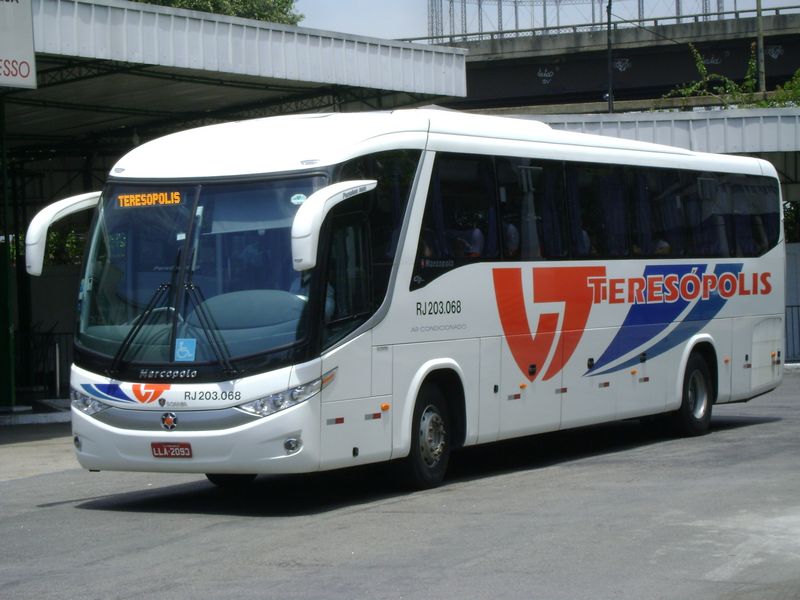
The game grew into two complementary branches. Proton Bus Simulator Urbano (PBSU) is the classic experience — urban buses ferrying passengers across the city, stop by stop. Proton Bus Road (PBSR), added in 2018, takes the same engine onto the highway with intercity coaches like the Marcopolos that crisscross Brazil. Same core simulation, two very different jobs behind the wheel.
Across both, the appeal is the one MEP learned from OMSI: you don't just steer, you operate. Doors, dashboards, passenger loading and the heavy, deliberate feel of a full-size bus are all part of the experience — now running in your hands instead of on a desktop tower.
The mobile modding miracle
Here is what truly set Proton Bus apart: deep modding on a phone. Letting players add their own vehicles is rare enough on mobile; in 2020 MEP went further and released a map modding system too — something almost unheard of for a mobile game. Suddenly players weren't just downloading buses, they were building entire cities.
The community ran with it. Today there are hundreds of community buses, with modders adding animated wipers, rain, windows, doors and working dashboards, and most mods install with nothing more than a file manager. New vehicles and maps appear constantly. That open, bottomless library is precisely why a small Brazilian mobile game has one of the most devoted followings in the hobby.
This is the game this catalogue serves
If you have read our history of bus simulator games, this is where the whole story lands: the depth that OMSI pioneered on PC, carried onto mobile and thrown wide open to anyone with a phone. Every mod in the Proton Bus Mods catalogue is made for Proton Bus Simulator (Android and PC) — that is what these files are for.
So if you play PBS, the rest is easy: browse the catalogue, pick a bus or a map — start with the Brazilian buses that gave the game its identity — extract the .zip into the game's folder, and drive your own city. That is the loop MEP built, and the one this whole site is here to feed.
Frequently asked questions
Who made Proton Bus Simulator?
What is the difference between Proton Bus Urbano and Road?
Why is Proton Bus Simulator so popular for modding?
Are the mods on this site official, and what game are they for?
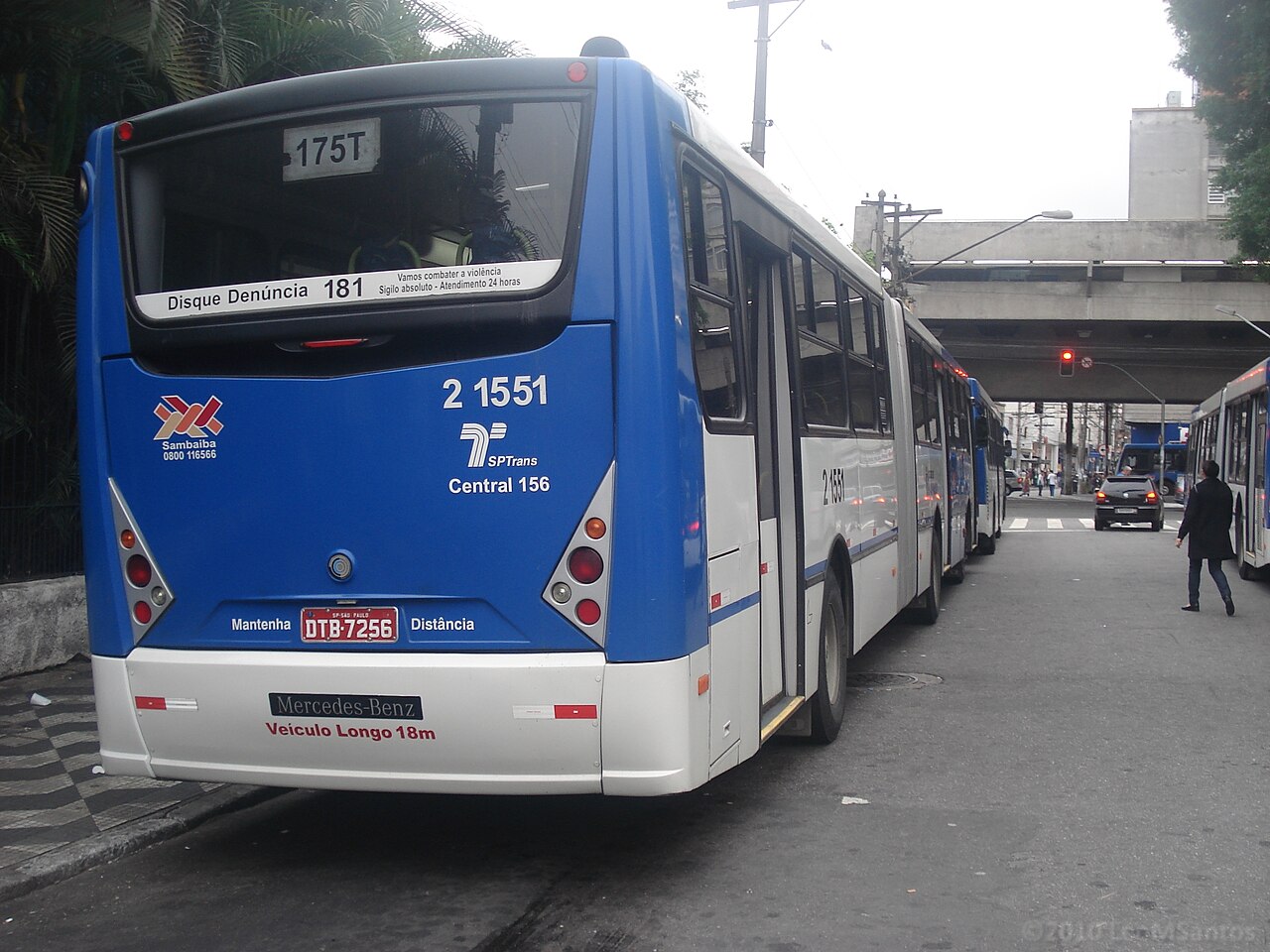
Hero image: a São Paulo articulated city bus — Photo: LeoMSantos, CC BY-SA 3.0, via Wikimedia Commons.