Who Actually Builds Spain's Buses? Inside a Country of Coachbuilders
Here is an odd fact about Spanish buses: Spain builds very few of them. What Spain builds, in remarkable quantity, is bus bodies — the shell, the windows, the seats, the shape you actually recognise — which it then bolts onto engines and axles made somewhere else.
That single quirk explains why so many Spanish coaches carry two names, why a village in the Catalan woods produced four rival manufacturers, and why some of the biggest names in European coachwork are firms you have never heard of. This is the story of a country of coachbuilders.
Spain builds bodies, not buses
Most of the world's coaches are built by two companies, not one. A chassis maker supplies the mechanical half — frame, engine, gearbox, axles, brakes. A coachbuilder builds the body and mounts it on top. We unpack that split in detail in body vs chassis: why a bus has two makers.
Spain went almost entirely down the second road. Its firms became bodybuilders — buying chassis from Scania, Volvo, MAN, Mercedes-Benz, DAF and Iveco, and competing on the part of the vehicle you can see and sit in. The result is a country whose buses are Swedish or German underneath and thoroughly Spanish above the frame rails.
The 1976 roll-call, and what happened to it
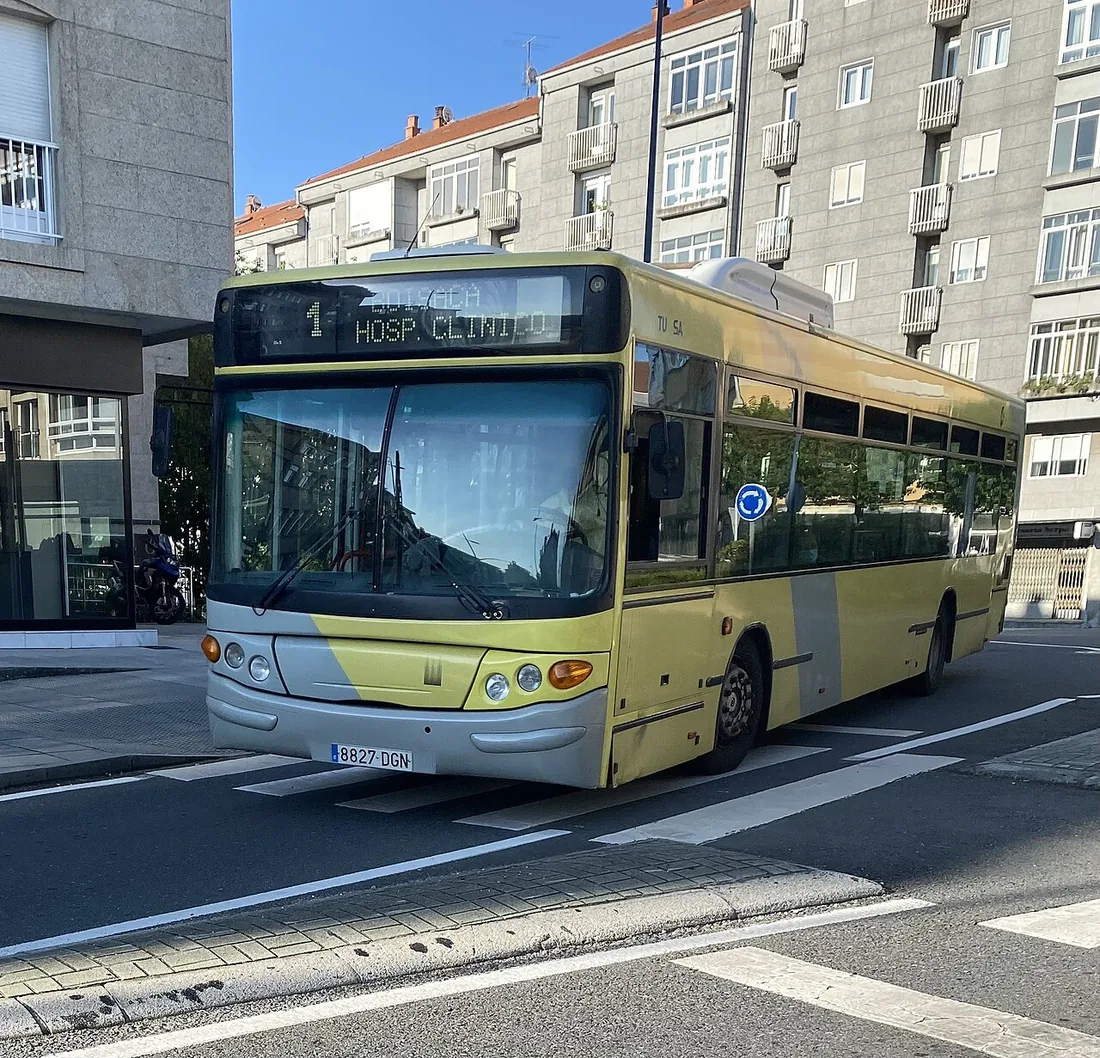
The best measure of how crowded this industry once was comes from the trade association itself. ASCABUS was founded on 21 September 1976 by seventeen companies: Ayats, Beulas, Burillo, Camelsa, Castrosua, Ciscar, Ferqui, Icas, Icasa, Indecasa, Irizar, Noge, Obradors, Silgar, Maiso, Ugarte and Unicar. Today it represents, in its own words, "100% of the Spanish bus and coach body manufacturers".
Seventeen coachbuilders, in one country, signing the same founding document. Read that list again with fifty years of hindsight and it becomes something else: a roll-call of attrition. Several of those names no longer build anything. A few grew into international suppliers. The rest of this piece is about which was which.
Irizar: the one that pulled away
The clear winner is Irizar, founded in 1889 by a blacksmith in the Basque village of Ormaiztegi who started out building horse-drawn wooden carts. It now leads the Spanish coach body market — the trade press reckons it "consistently takes around 40 percent of the market" in the interurban and luxury sectors.
Irizar is also the one that escaped the pure-bodybuilder trap: alongside bodies for other people's chassis, it builds integral coaches — the whole vehicle — and a battery-electric city range. If you want to read its badges, we decode them in what Irizar coach names mean.
Arbúcies: the forest village that made four rivals
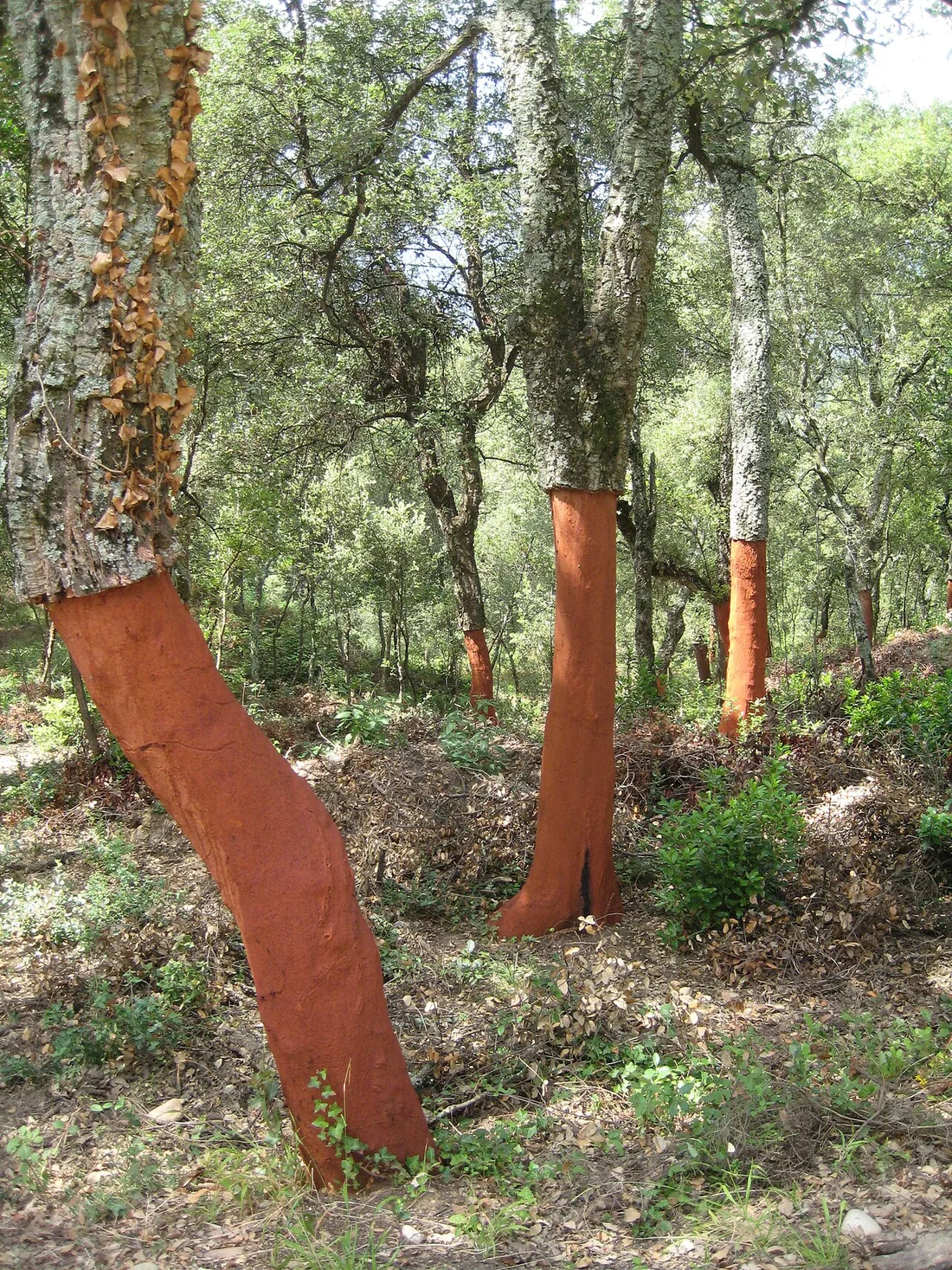
The strangest chapter in Spanish coachbuilding happens in one small town. Arbúcies, in the wooded Montseny hills of Girona, produced four separate coachbuilders — and the reason is beautifully mundane. Early bus bodies were made of wood, and Arbúcies sat in dense forest with a metalworking tradition already in place.
Beulas (1934) — six coaches a year, by hand
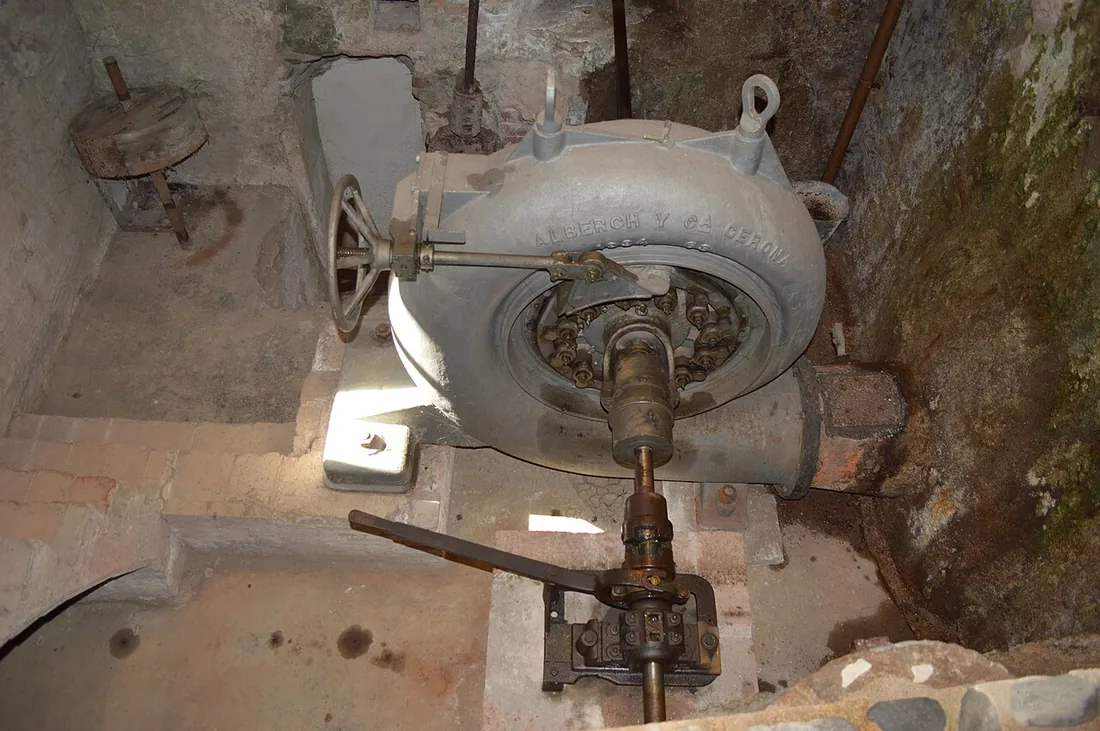
The best-known of the Arbúcies firms is Beulas, created in 1934 by Ramón Beulas and Narcís Pujol, building wooden bodies on truck and coach chassis. Its early scale is hard to imagine from the modern range: through the 1940s and 1950s output was roughly six vehicles a year, reaching about ten by 1954-55. Every one built by hand.
And in 1937-1939, during the Spanish Civil War, the workshop switched to building ambulances for the army. Today Beulas sells the Glory, Jewel, Mythos, Aura, Cygnus and Kala, plus the electric Jewel E launched in 2021.
Noge (1964) — the fourth firm in town
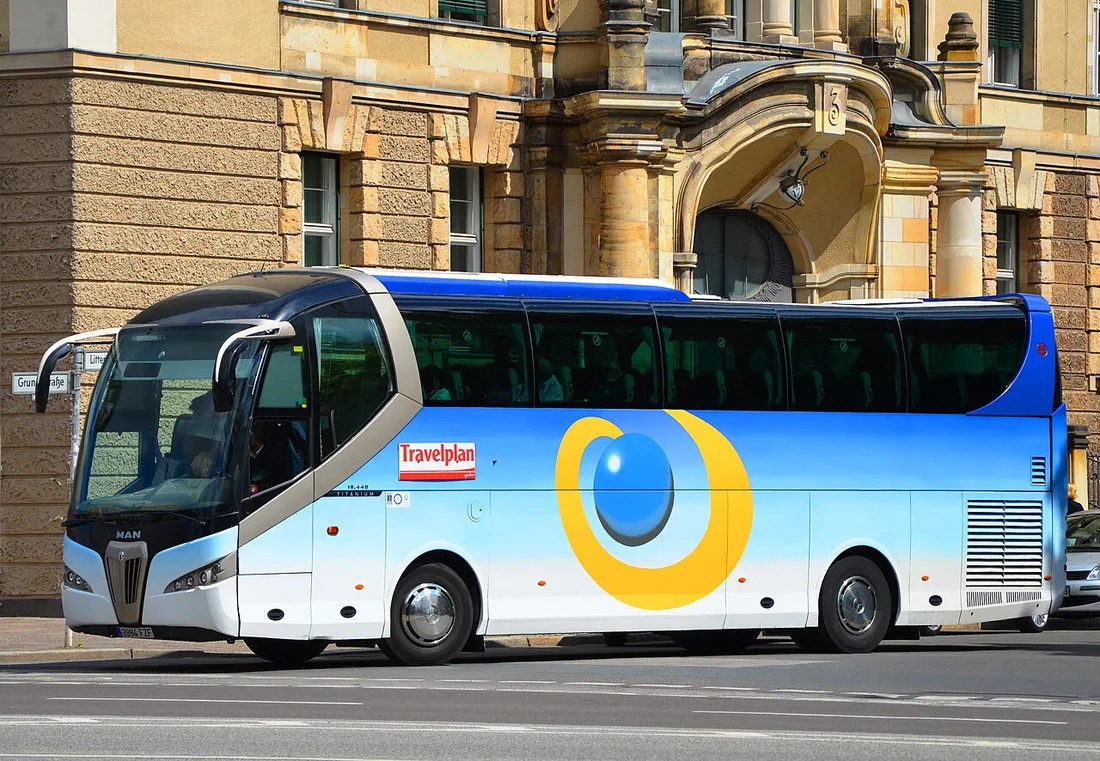
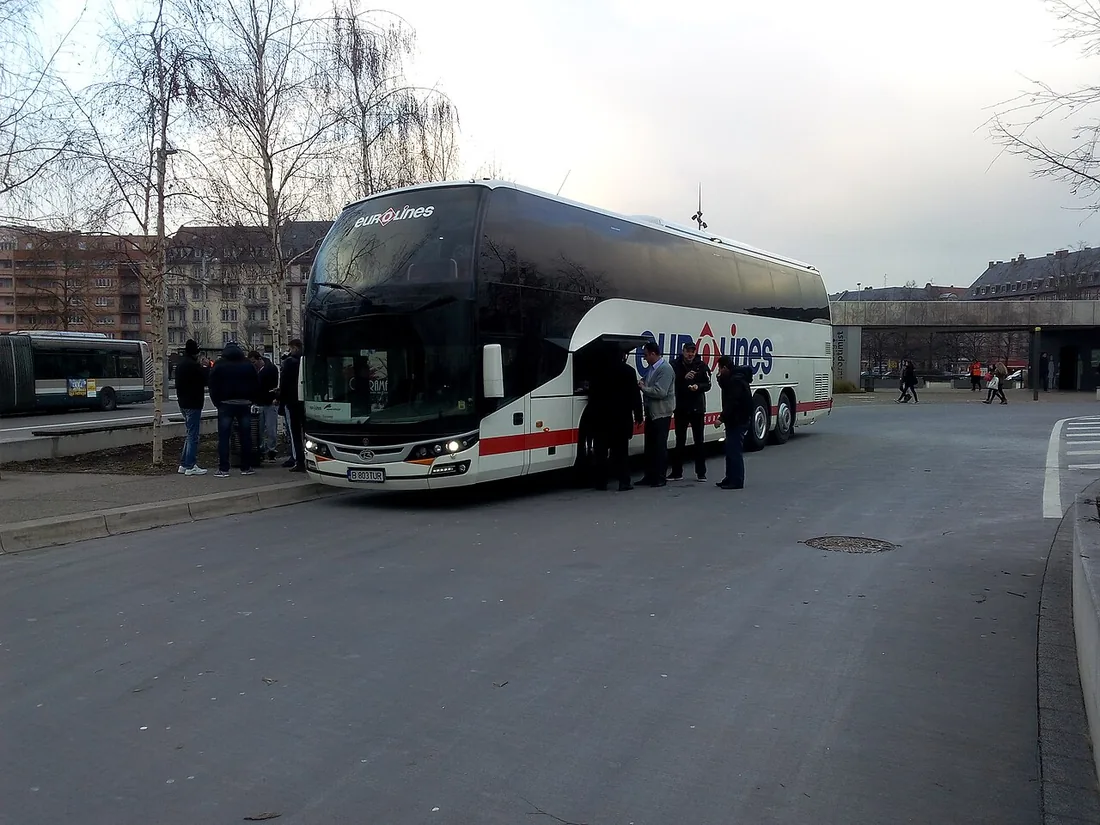
Noge was the fourth coachbuilder founded in Arbúcies, set up in 1964. Its name is a fossil: co-founder Josep Nogera left in 1978, and the company kept his name for another four decades. At its peak it employed over 250 people and turned out around 600 vehicles a year, with the Cittour city bus and the luxury Titanium coach as its signatures.
It did not survive. Noge collapsed in January 2013, was bought and restarted, and then filed for insolvency again in November 2022. It never recovered.
Castrosua and UNVI: the Galician wing
Spanish coachbuilding is not only a Catalan and Basque story. Two of the survivors are Galician.
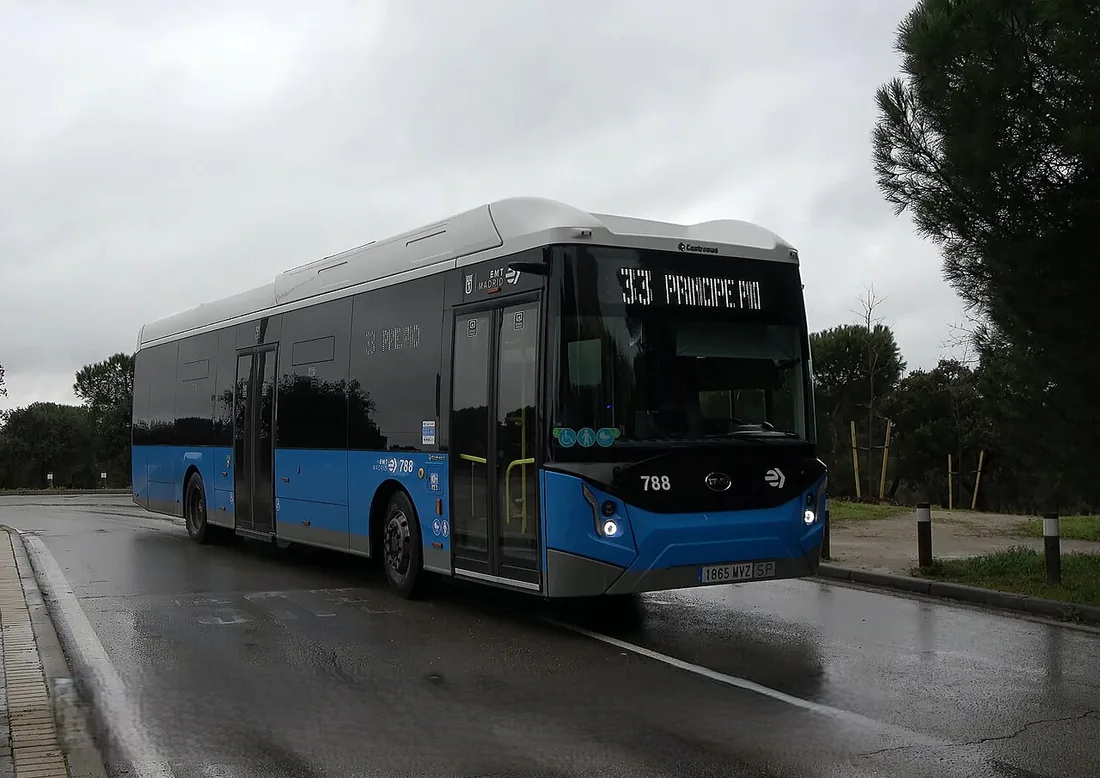
Castrosua traces to 1948, when José Castro — known locally as "Pepe, the coach body-builder" — took his first orders in O Carballiño. The firm later moved to Santiago de Compostela, where it still builds city buses. Its modern ranges are the Nelec, 75 CS, New City, Magnus.H and Magnus.E.
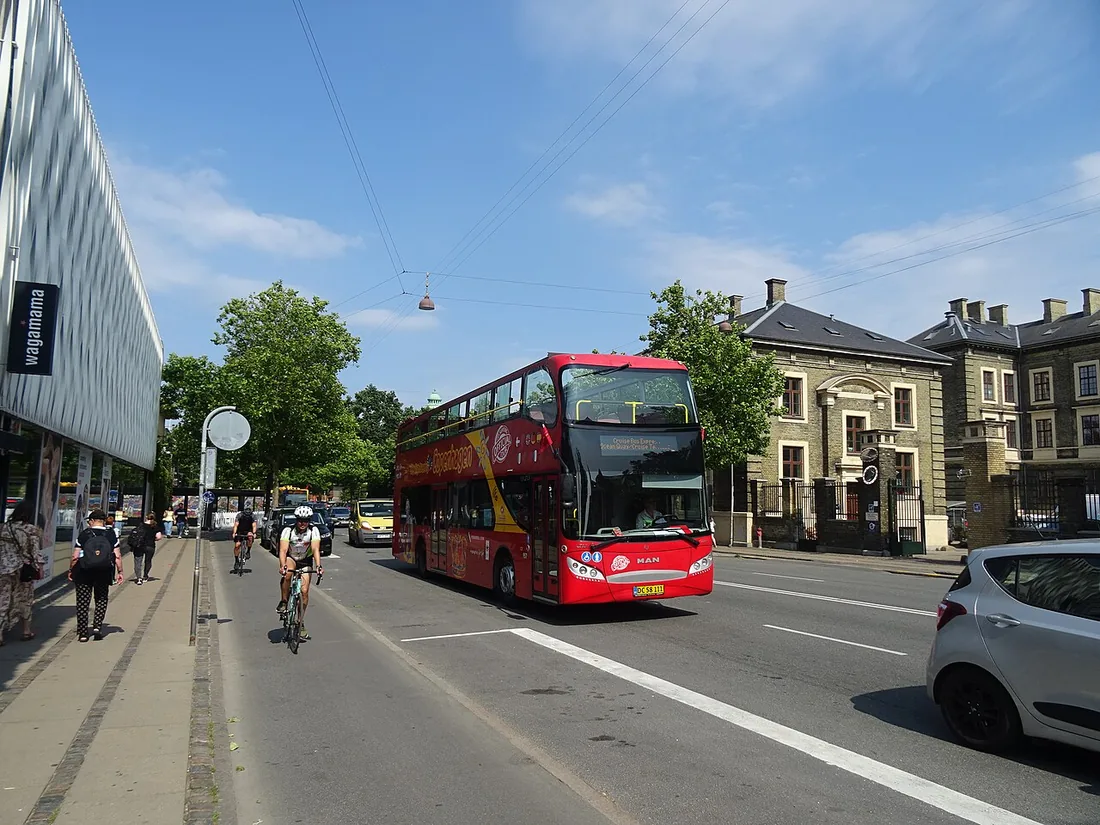
UNVI, from Ourense, is the youngster — founded in 1995 and now part of the Pérez Rumbao group. It went after a niche nobody else wanted and owns it: minibuses, accessible vehicles, and above all the open-top convertible double-decker, the bus that carries tourists around half the cities in Europe.
The ones that didn't make it
The attrition in that 1976 list is not ancient history. Two of the most painful losses are recent.
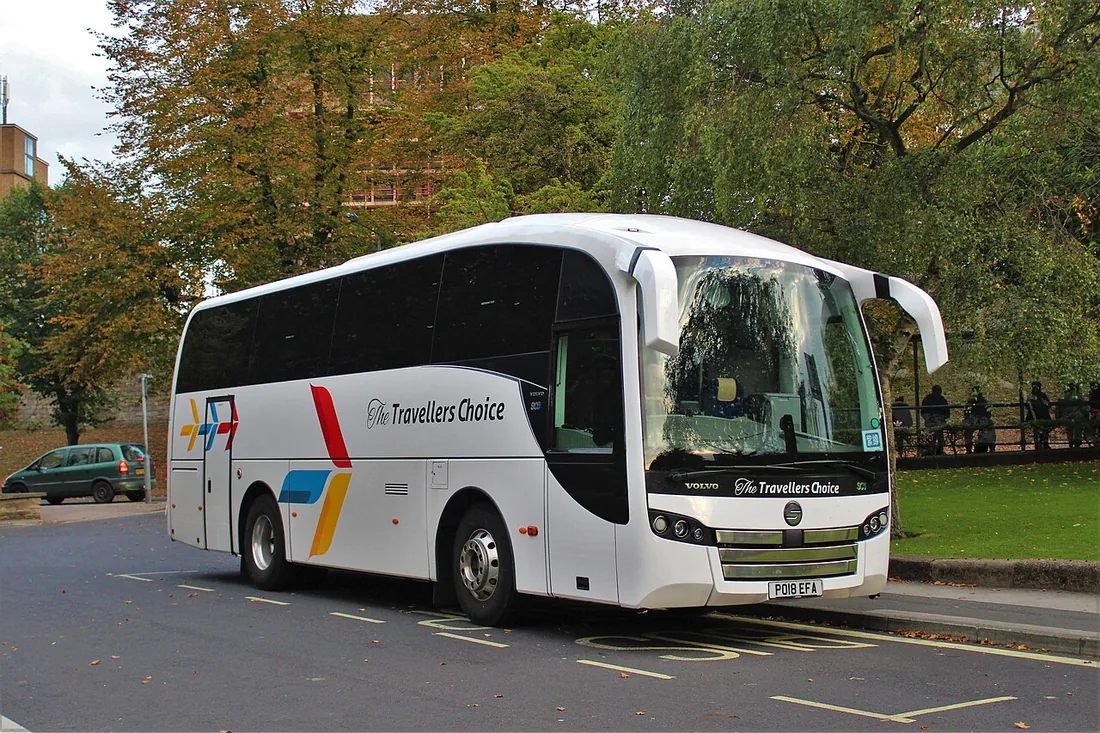
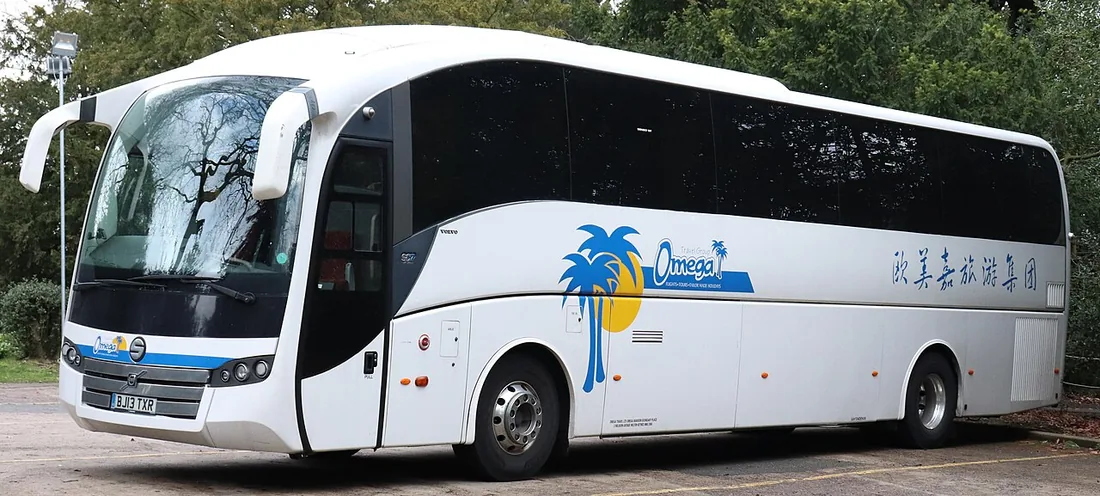
Sunsundegui began in 1944 in Irún as a railway rolling-stock repair shop, moved to Alsasua in Navarre, and only became a coachbuilder when the railways brought their repairs in-house. It grew into a serious exporter — 86% of its 2022 output went abroad — building the Stylo and later the Sideral on Volvo chassis. It was liquidated in May 2025, taking about 340 jobs with it. We tell that story properly in how Sunsundegui died with a full order book.
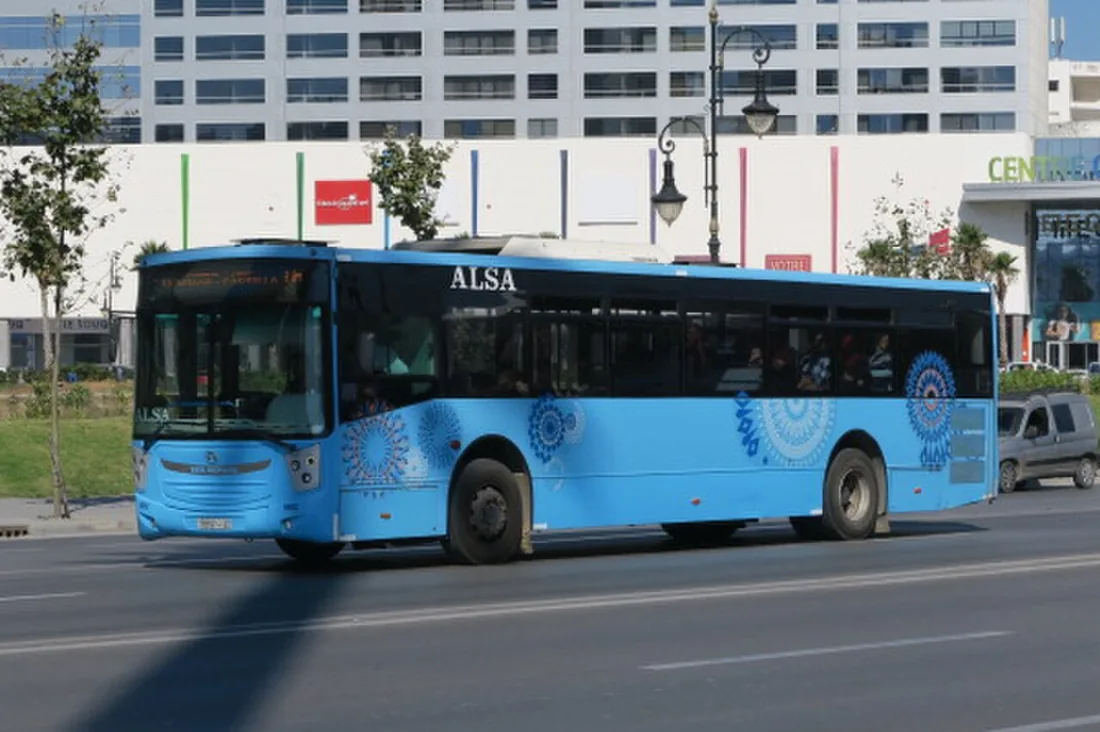
Hispano Carrocera, of Zaragoza, took a different route out. India's Tata Motors bought 21% in 2005 and the remaining 79% in 2009, renaming it Tata Hispano — using a Spanish coachbuilder as its European bridgehead and its source of bodywork know-how. When the European market fell away, Tata closed the Zaragoza plant in 2013. The Moroccan factory at Casablanca outlived the Spanish one.
Why this matters with a controller in your hands
All of this lands directly on the mod you are about to download. A Spanish bus almost never has one name — it has two, and they tell you different things.
The body name (Irizar, Castrosua, Beulas, Sunsundegui) tells you the shape, the window line, the door layout and the interior — everything your eyes and your passengers deal with. The chassis name (Scania, Volvo, MAN, Mercedes) tells you what you will hear and feel: the engine note, where the weight sits, how it pulls away and how it settles under braking.
That is why two coaches that look like twins on a catalog thumbnail can drive like different vehicles. It is also why the same Sunsundegui body turns up on a Volvo in Poland and in the UK: the coachbuilder sells a shape, and the operator picks the machinery underneath it.
The most-driven Spanish body in the catalog is Irizar's — start with the Irizar bus mods and pay attention to the chassis line in the name.
FAQ
Does Spain make its own buses?
Who is the biggest Spanish bus manufacturer?
Which Spanish coachbuilders are still in business?
Why did so many coachbuilders come from one village?
Why do Spanish buses have two brand names?
Sources
- ASCABUS — who we are — the association founded 21 September 1976 by seventeen named coachbuilders; today represents "100% of the Spanish bus and coach body manufacturers".
- Beulas — official company history — founded 1934 by Ramón Beulas and Narcís Pujol in Arbúcies; wooden bodies; ambulances for the army 1937-1939; roughly six units a year in the 1940s rising to ten by 1954-55; the current Glory, Jewel, Mythos, Aura, Cygnus and Kala range plus the 2021 Jewel E.
- Castrosua — about us — José Castro's first orders in O Carballiño in 1948; the Nelec, 75 CS, New City, Magnus.H and Magnus.E ranges.
- UNVI — 30 years as a bodybuilder — the Ourense firm founded in 1995 and its accessible and open-top double-decker specialisation.
- "Irizar spans the globe over 120 years" — BUSRide — the 1889 Ormaiztegi blacksmith origin and the "around 40 percent of the market" share.
- Sunsundegui enters liquidation — route-one — the May 2025 liquidation and the job losses.
- Tata Motors acquires the remaining 79% of Hispano Carrocera — the 2005 and 2009 acquisition steps.
- Background: Nogebus and Sunsundegui — Wikipedia, for company timelines and model ranges.
Hero: Noge Titanium on a MAN 18.440 chassis, Berlin-Mitte — Spielvogel, CC0, via Wikimedia Commons. In-body photographs are credited in their captions; all are Creative Commons via Wikimedia Commons.