The Coachbuilder Volvo Left Behind: How Sunsundegui Died With a Full Order Book
Companies usually fail because nobody wants what they make. Sunsundegui failed with 530 buses on order for the year it died in.
The Spanish coachbuilder was liquidated in May 2025 after eighty years in business. Its collapse is worth understanding not as a piece of Spanish industrial news, but as the clearest illustration you will find of a structural risk built into the way most of the world's coaches are made.
From railway workshop to Volvo's bodybuilder
Sunsundegui did not start out in buses at all. It was founded in 1944 in Irún by José Sunsundegui as a railway rolling-stock repair shop, and moved to Alsasua in Navarre, a railway junction town. When the Spanish rail operator brought its repair work in-house, the company had to find something else to build. It chose bus and coach bodies.
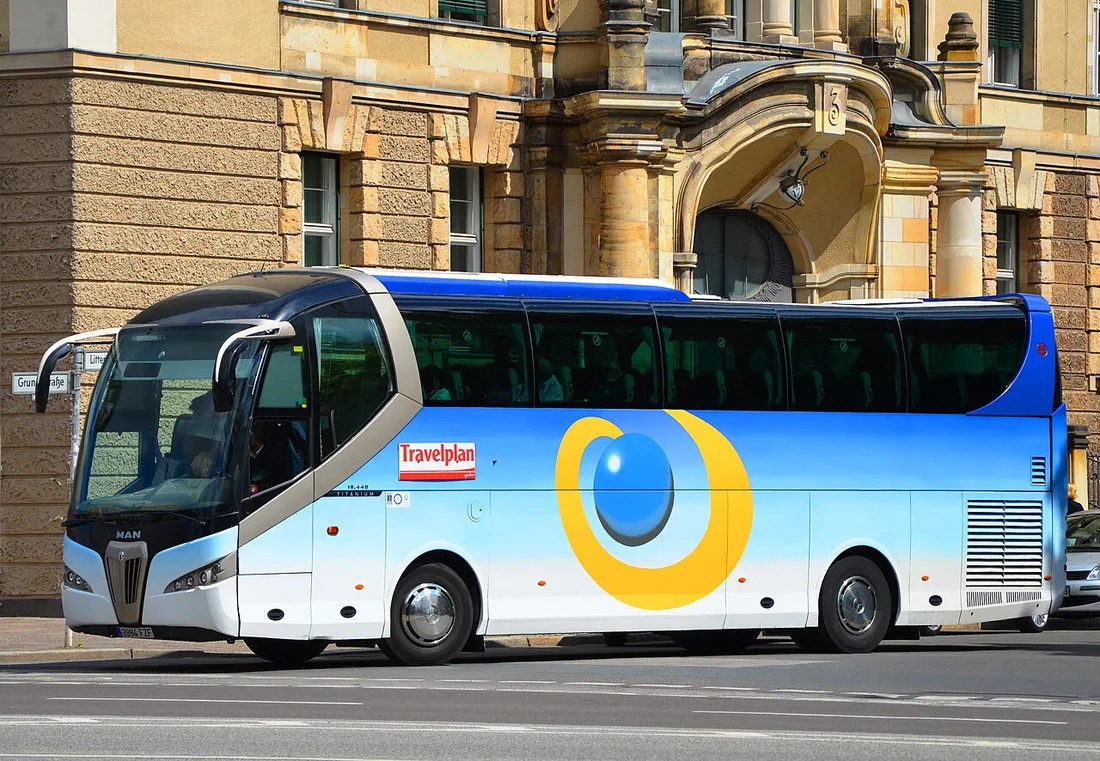
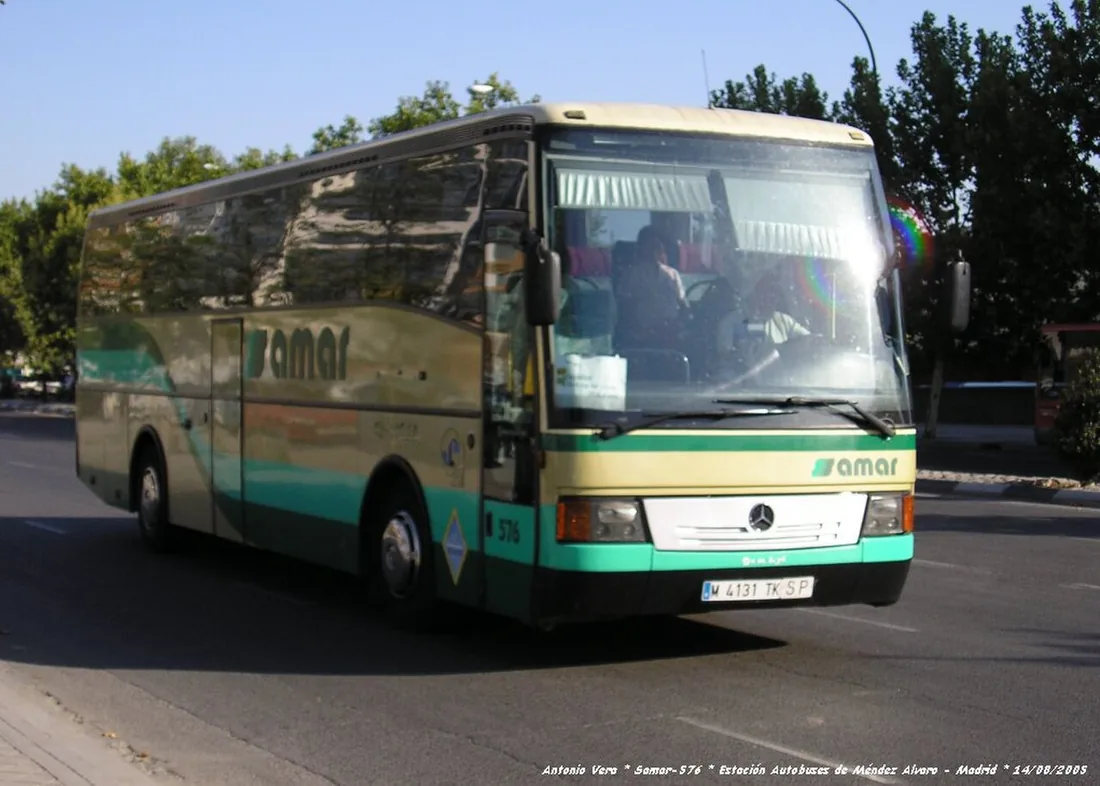
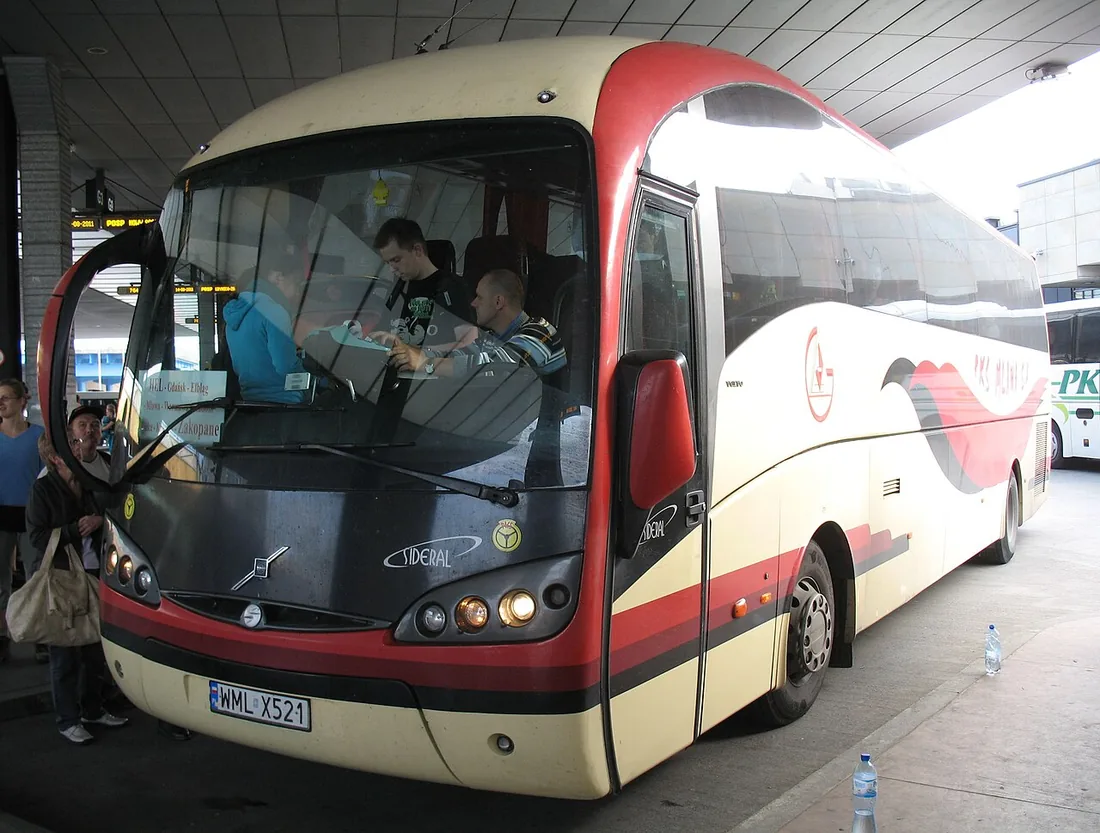
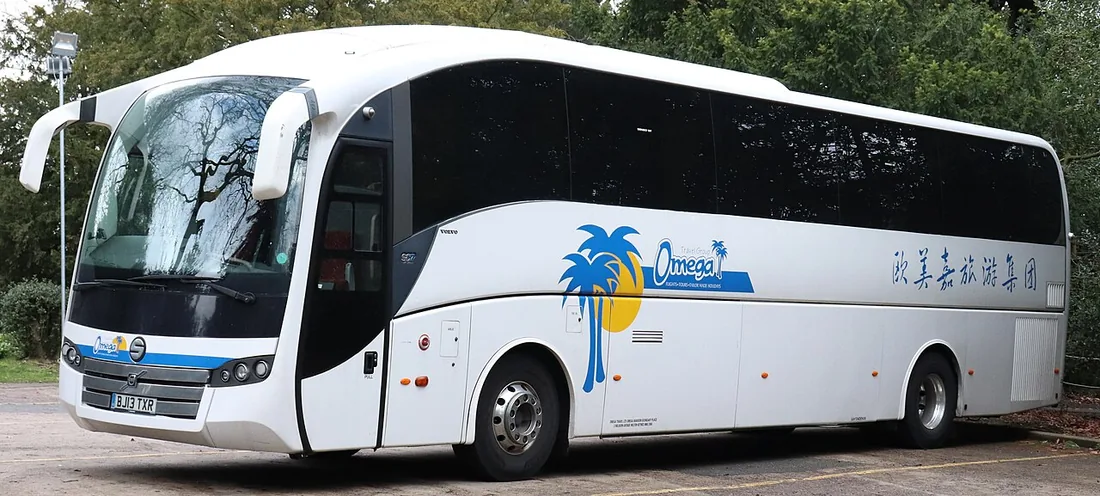
That pivot worked for decades. The Stylo made its name and became a fleet standard for major Spanish operators; the Sideral followed, then the SC5 and SC7. The firm became closely associated with one chassis maker in particular — Volvo — and it became a genuine exporter, sending 86% of its output abroad in 2022.
The deal that was supposed to secure the future
In 2023, Sunsundegui signed the agreement that should have set it up for a decade: a manufacturing and technology partnership under which it would build Volvo's 9700 and 9900 coaches at Alsasua. For a bodybuilder, this is the top of the ladder — not just supplying bodies, but assembling a global chassis maker's own flagship models under licence.
In July 2024, Volvo cancelled it. The manufacturer's stated reasoning was blunt: "the need to make additional investments in time and resources was significantly greater than initially anticipated, making the project unfeasible from a business perspective."
Nothing about that sentence is unusual corporate behaviour. A project was reassessed and found too expensive. Trade reporting indicates production was subsequently directed to Mexico. From Volvo's side, it was a line item.
Nine months from cancelled deal to liquidation
Sunsundegui entered insolvency in September 2024. Operations ceased in May 2025. The final accounting, reported by the trade press:
- Roughly 340 jobs lost — around 320 employees dismissed, with 18 retained temporarily to wind the company down.
- €48.8 million of debt: €8.9 million owed to suppliers and €39.9 million to financial institutions.
- An order backlog of 530 buses for 2025.
That last line is the one that should stop you. This was not a company nobody wanted to buy from. It had more than five hundred vehicles ordered and no viable way to finance building them. It was a solvency failure, not a demand failure — and the event that tipped it was a decision taken in a boardroom in another country.
The risk hiding inside every two-part bus name
We have written before about why a bus has two makers — how a chassis maker and a coachbuilder split the job between them. That article explains the upside: specialisation, choice, and resilience if one side hits trouble.
Sunsundegui is the downside, drawn in full. A pure bodybuilder does not control the thing it builds on. It cannot decide which chassis exist, what they cost, when they are updated, or whether a partnership continues. Its business sits on a foundation owned by someone else, and it is only ever one strategic review away from losing it.
This is exactly why Irizar — the other big Spanish name — moved into building integral coaches, where the body and running gear are its own. It is not a coincidence that the Spanish coachbuilder that diversified away from pure bodybuilding is also the one with 40% of its home market, while the one that stayed closest to a single chassis partner is the one that was liquidated. The wider pattern is in our piece on who actually builds Spain's buses.
What this changes when you're driving one
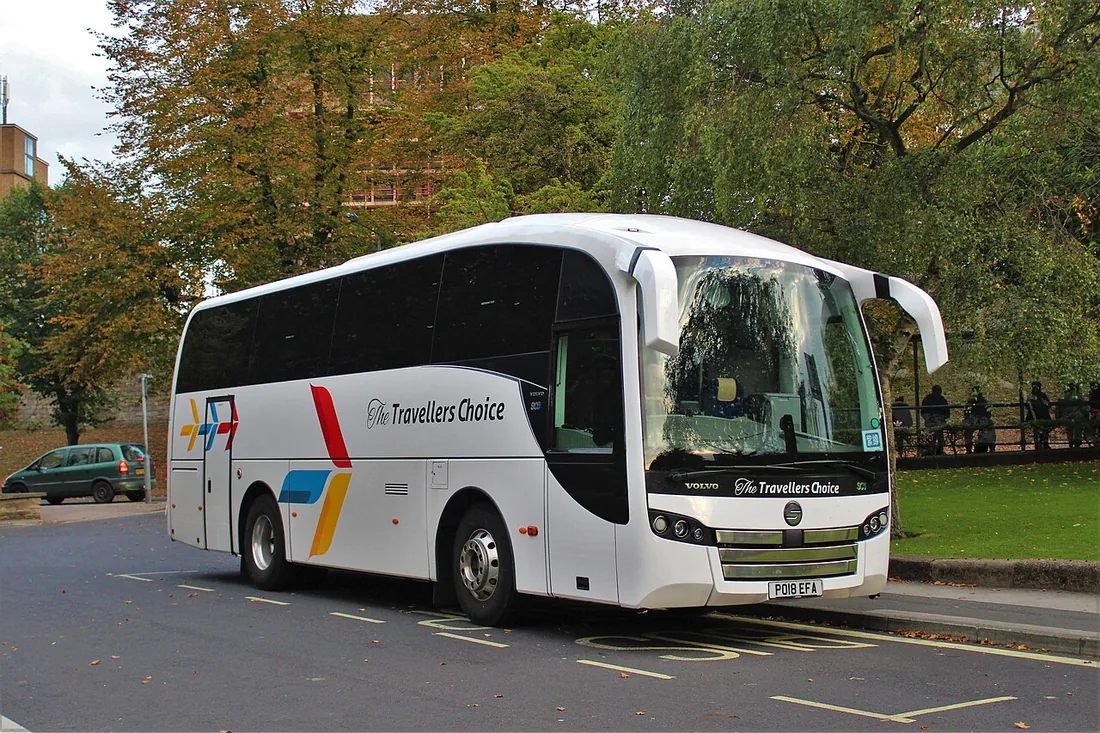
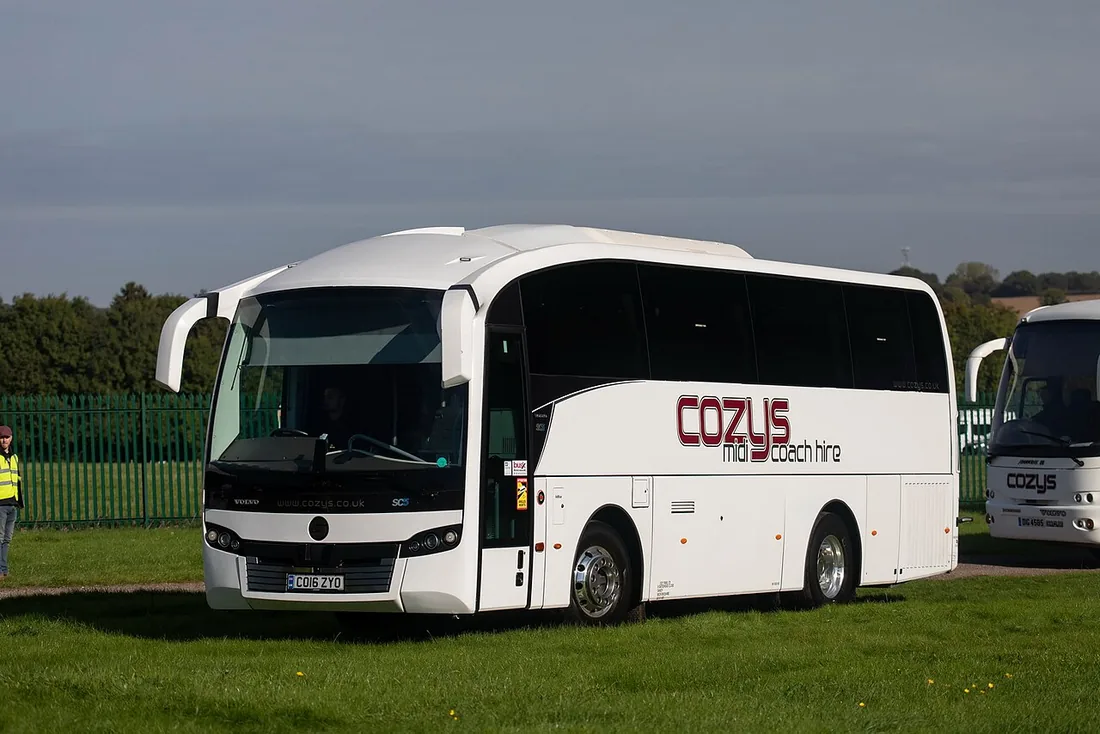
There is a small shift in how you read a mod after knowing this. A two-part name — "Volvo B11R with Sunsundegui SC7 bodywork" — is not decoration. It is a record of a commercial relationship between two companies, and the buses that exist are the ones that relationship happened to produce.
When you drive one, the split is physical. The Volvo half is what you hear and feel: the engine note, the torque as you pull away, how the weight settles when you brake. The Sunsundegui half is everything else — the driving position, the mirror placement, the window line, the door layout, the way the saloon looks behind you.
The company that made that second half no longer exists. The bodies still on the road are all there will ever be.
If you want to drive Spanish bodywork, the surviving tradition is where to go — browse the Irizar bus mods.
FAQ
What happened to Sunsundegui?
Why did Volvo cancel its agreement with Sunsundegui?
Did Sunsundegui fail because nobody was buying its coaches?
What models did Sunsundegui build?
Sources
- Volvo cancels agreement with Sunsundegui — Busworld — the 2023 agreement covering the Volvo 9700 and 9900 at Alsasua, its cancellation in July 2024, and Volvo's stated reasoning.
- Sunsundegui insolvency and end of production — Sustainable Bus — insolvency from September 2024, operations ceasing May 2025, roughly 340 dismissals, €48.8m of debt split €8.9m suppliers / €39.9m financial institutions, and the 530-bus order backlog for 2025.
- Background: Sunsundegui — Wikipedia, for the 1944 founding in Irún as a railway rolling-stock workshop, the move to Alsasua, the model range and the export share.
Hero: Volvo B8R with Sunsundegui SC5 bodywork, York — Buttons0603, CC BY-SA 4.0, via Wikimedia Commons. In-body photographs are credited in their captions; all are Creative Commons via Wikimedia Commons.