Body vs Chassis: Why a Bus Has Two Makers (Marcopolo, Scania & the Coachbuilder Explained)
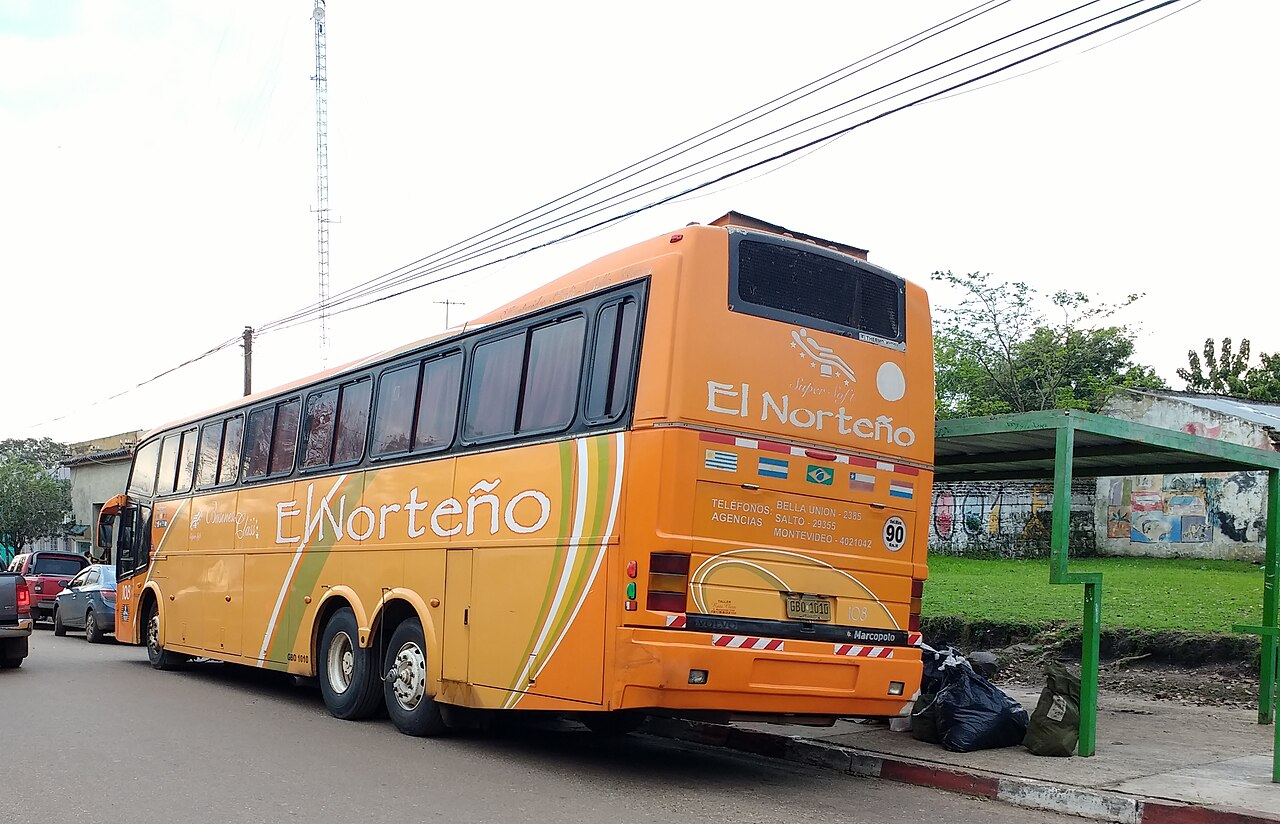
You see it all over the garage: a mod named "Marcopolo Paradiso G7 on a Scania K360." Two famous brands, one bus. It looks like a co-branding gimmick or a typo — but it is neither. It is the single most important fact about how most of the world's coaches are actually built. One company made the chassis; a completely different company made the body. Once you see that split, the whole catalog reads differently.
Here is what "body vs chassis" really means, why so many buses carry two makers' names, and — the part that matters with a controller in your hands — why the same body can drive completely differently depending on the chassis underneath it.
Two companies, one bus
A bus is really two products bolted together. The chassis is the mechanical half: the frame, the axles, the wheels, the engine and gearbox, the steering and the brakes. The body — the coachwork — is everything you see and sit in: the shell, the windows, the doors, the seats and the dashboard.
Big mechanical firms build the chassis. Scania, Volvo and Mercedes-Benz are chassis makers first. A different kind of company, the coachbuilder (or bodybuilder), builds the body and mounts it on that chassis. Brazil's Marcopolo is the classic example: it does not build complete buses at all — it builds bodies and mates them to an existing chassis, mostly Scania, MAN and Volvo. Van Hool, Irizar, Neoplan, MCI and Prevost work the same way.
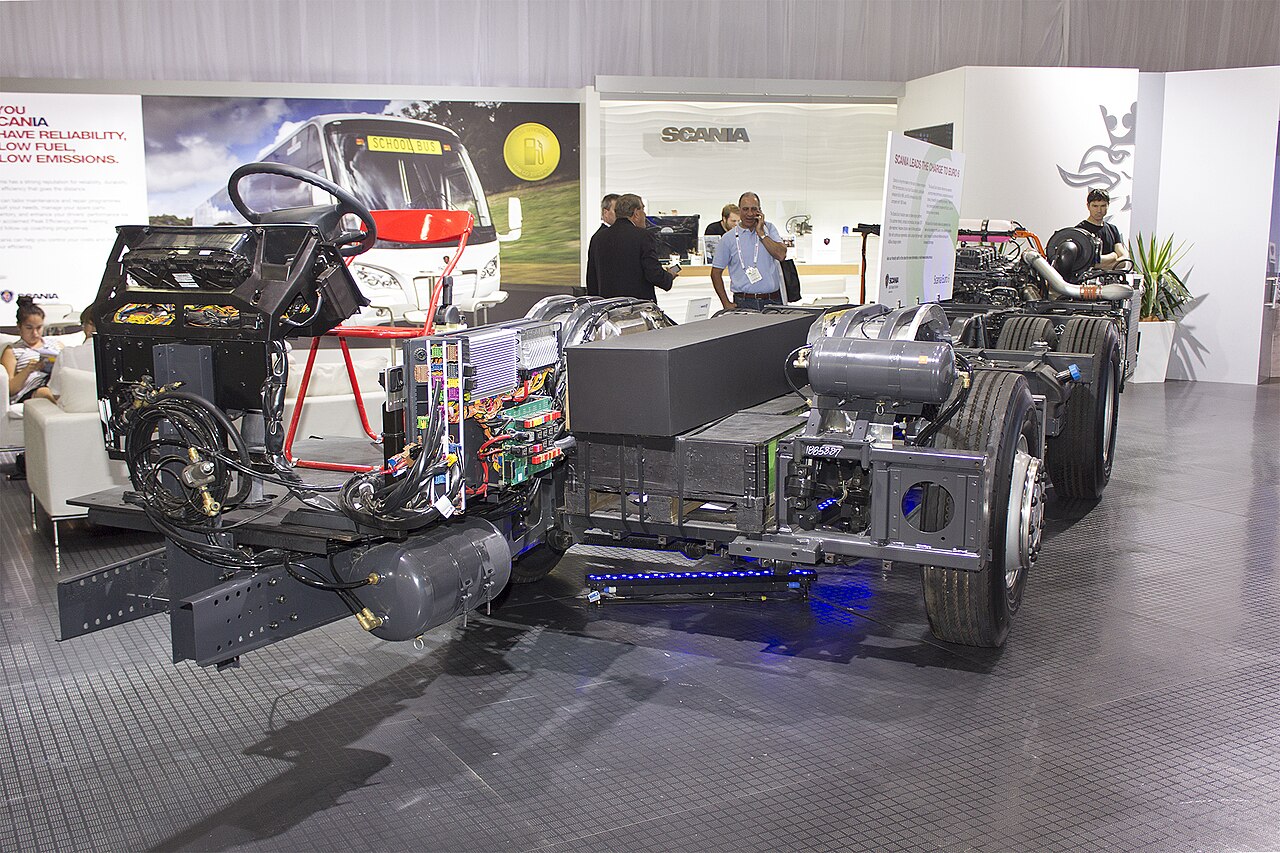
Body-on-chassis vs the "integral" bus
Not every bus is built this way, and the difference between the two methods is the whole story.
Body-on-chassis is the two-company method above: a bare rolling chassis is delivered to a coachbuilder, who adds the body. Almost every long-distance coach, and nearly every Brazilian bus, is built like this.
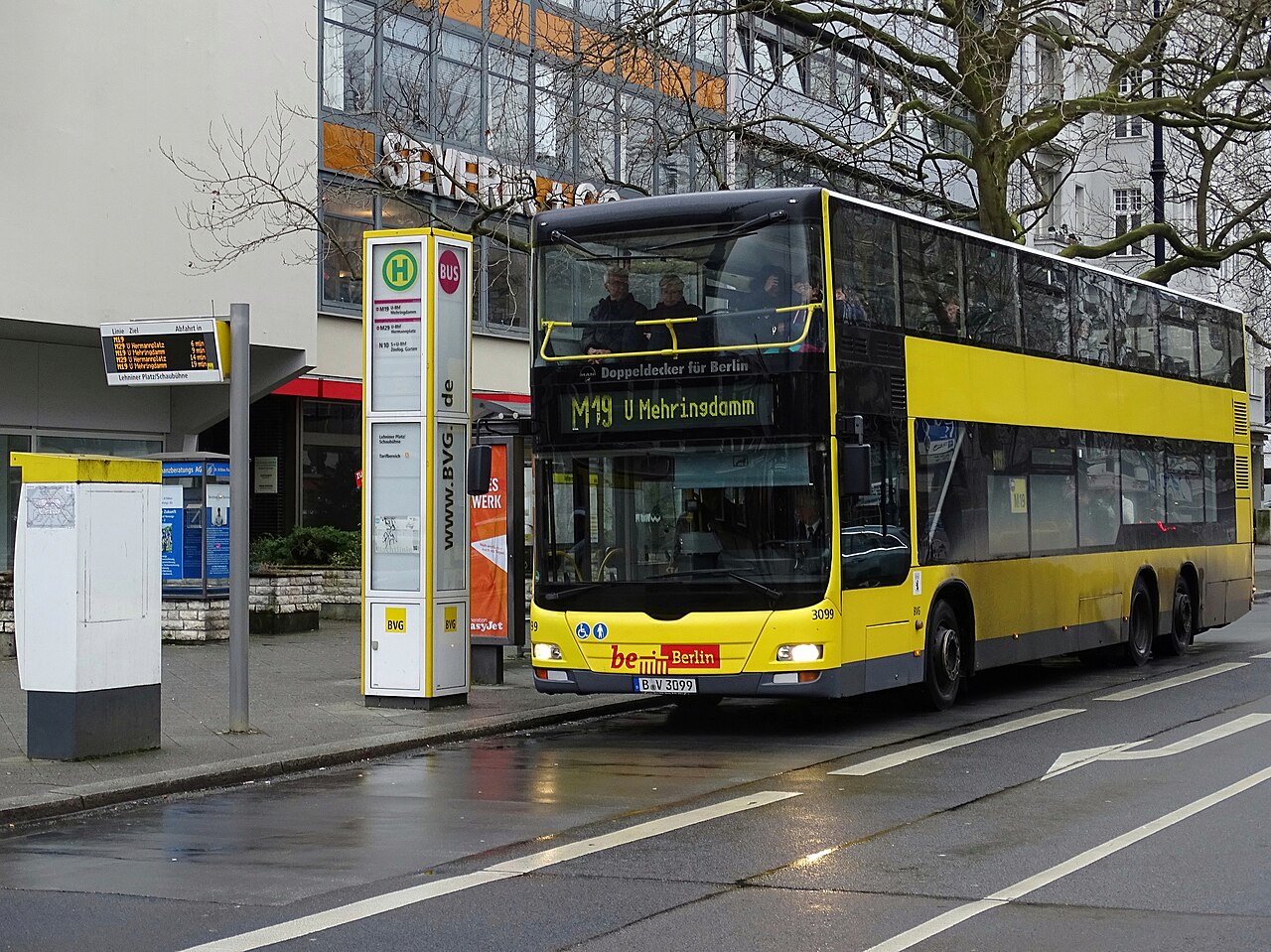
An integral bus is the opposite. One company builds the body and chassis together as a single structure — often a monocoque, with no separate chassis frame at all. Most modern European city buses are integral: a Mercedes-Benz Citaro or a MAN Lion's City is designed and built as one unit by one maker. The London Routemaster was one of the first integral bus designs.
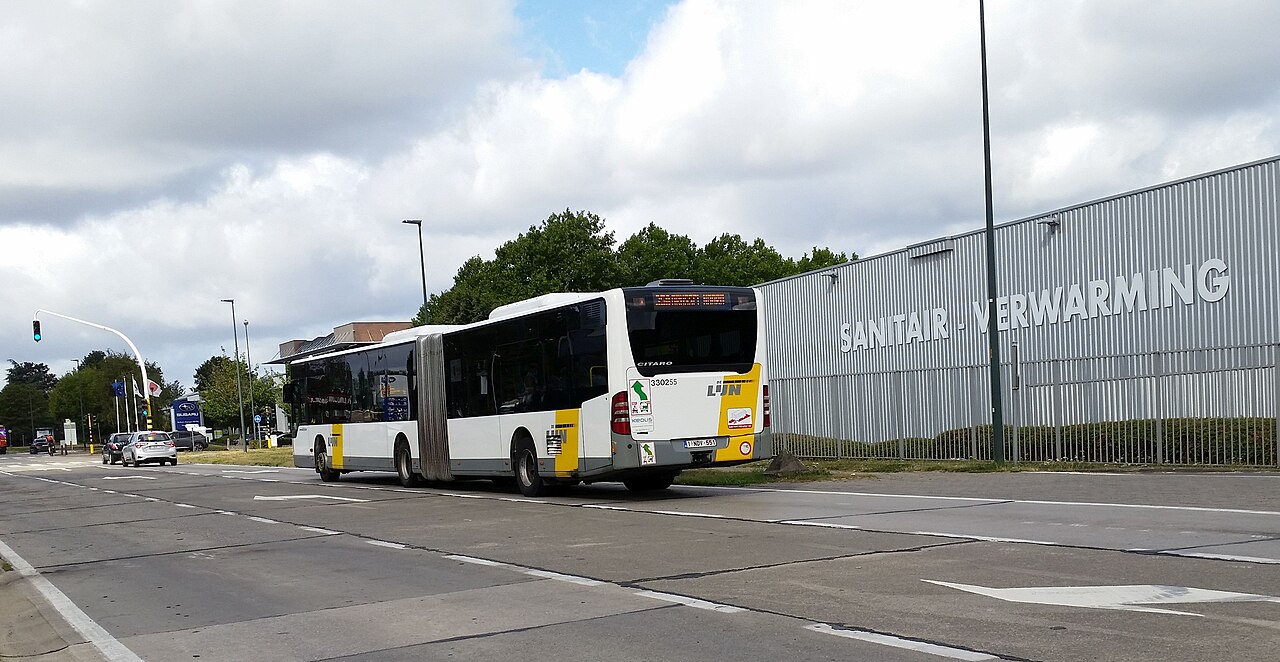
That is why a Citaro is simply "a Citaro," while a Brazilian coach is "a Marcopolo on a Scania": one is built by a single company, the other by two.
Why buses are built this way
The split is not a historical accident — it is a deliberate division of labour, and it survives for three solid reasons:
- Specialisation. A chassis maker can pour its effort into engines, gearboxes and running gear; a coachbuilder can focus entirely on bodies, interiors and comfort. Each does one job well.
- Choice. Operators can mix and match — their preferred body on the chassis they trust — so a fleet buyer is never locked into one company's whole package.
- Resilience. If a chassis maker or a body maker hits trouble, the other half of the business is not dragged down with it.
It is such a durable model that even Volvo, long an integrated maker, returned to simply supplying chassis to independent bodybuilders like Marcopolo for its European coaches from 2023.
Why this is the whole modding scene
Now the payoff for a driver. The body-and-chassis split is exactly why the garage is full of near-twins. The same Marcopolo Paradiso body can sit on a Scania K360 or a Volvo B420R — and to the eye those two buses look identical. But they are not the same to drive.
Swap the chassis and you swap the mechanical half of the bus: a different engine note, a different torque curve, a different gearbox and axle balance. The Scania sounds and pulls one way; the Volvo another — under the very same shell. That is the whole reason a modder bothers to build "the same" coach on two chassis, and why the two-part name is worth reading before you pull away. You can feel it directly in the Marcopolo Paradiso on a Scania K-series mod.
How to read a two-part bus name
Once you know the pattern, the long names decode themselves. They read as [body maker] [body model] on [chassis maker] [chassis code].
So "Marcopolo Paradiso G7 1200 on Scania K360" is a Marcopolo Paradiso G7 1200 body sitting on a Scania K-series, 360-horsepower chassis. The first half tells you the shape and the comfort; the second half — which you can decode with our guide to Scania bus names — tells you the machinery. Brazil's other big body makers, Comil, Busscar and Caio, follow the exact same rule.
Browse the whole family on the Marcopolo bus mods page — and now you will read every two-part name at a glance.
FAQ
What is a bus coachbuilder?
Why do Brazilian buses have two brand names?
What is the difference between a bus chassis and a body?
What is an integral bus?
Sources
- Bus manufacturing — Wikipedia — the three maker types (chassis, body, integral) and why the body/chassis split exists (specialisation, product choice, reduced exposure).
- Coach (bus) — Wikipedia — body-on-chassis vs integral/monocoque construction and the list of coachbuilders (Van Hool, Neoplan, Marcopolo, Irizar, MCI, Prevost).
- Marcopolo Paradiso — Wikipedia — Marcopolo as a coachbuilder that mates its bodies to Scania, Volvo and MAN chassis.
Hero: a Marcopolo Paradiso coach by Mx. Granger, CC0, via Wikimedia Commons. In-body photos credited in their captions.