Pegaso: The State Factory That Built Spain's Buses
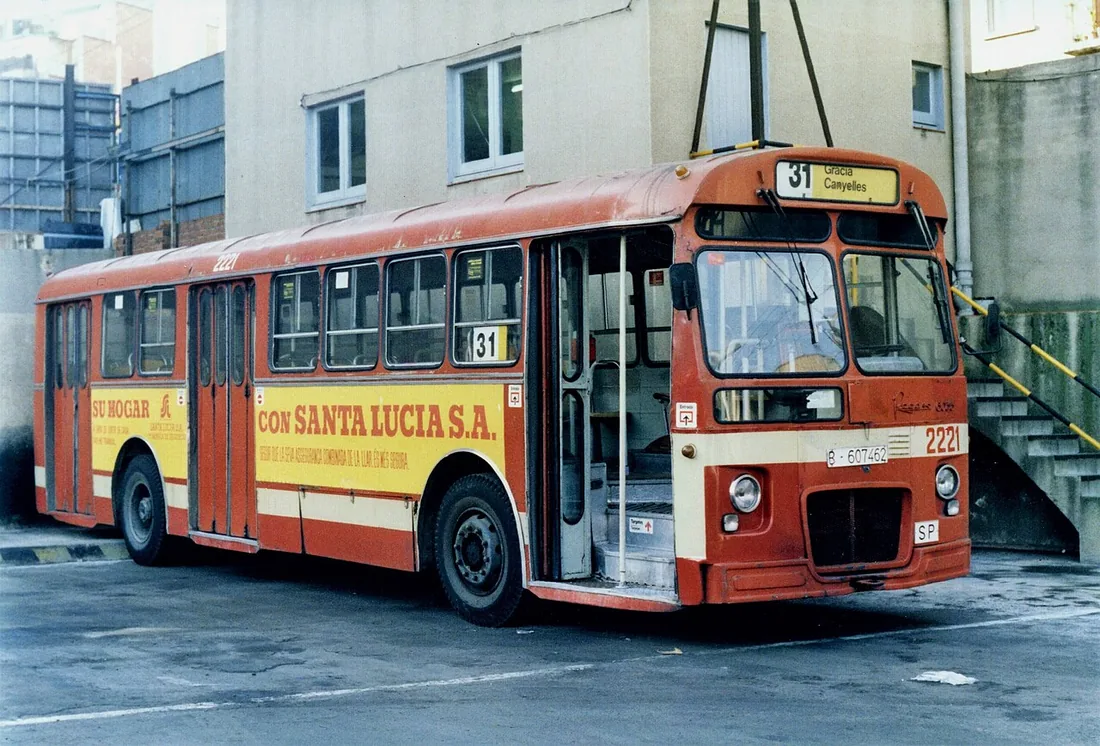
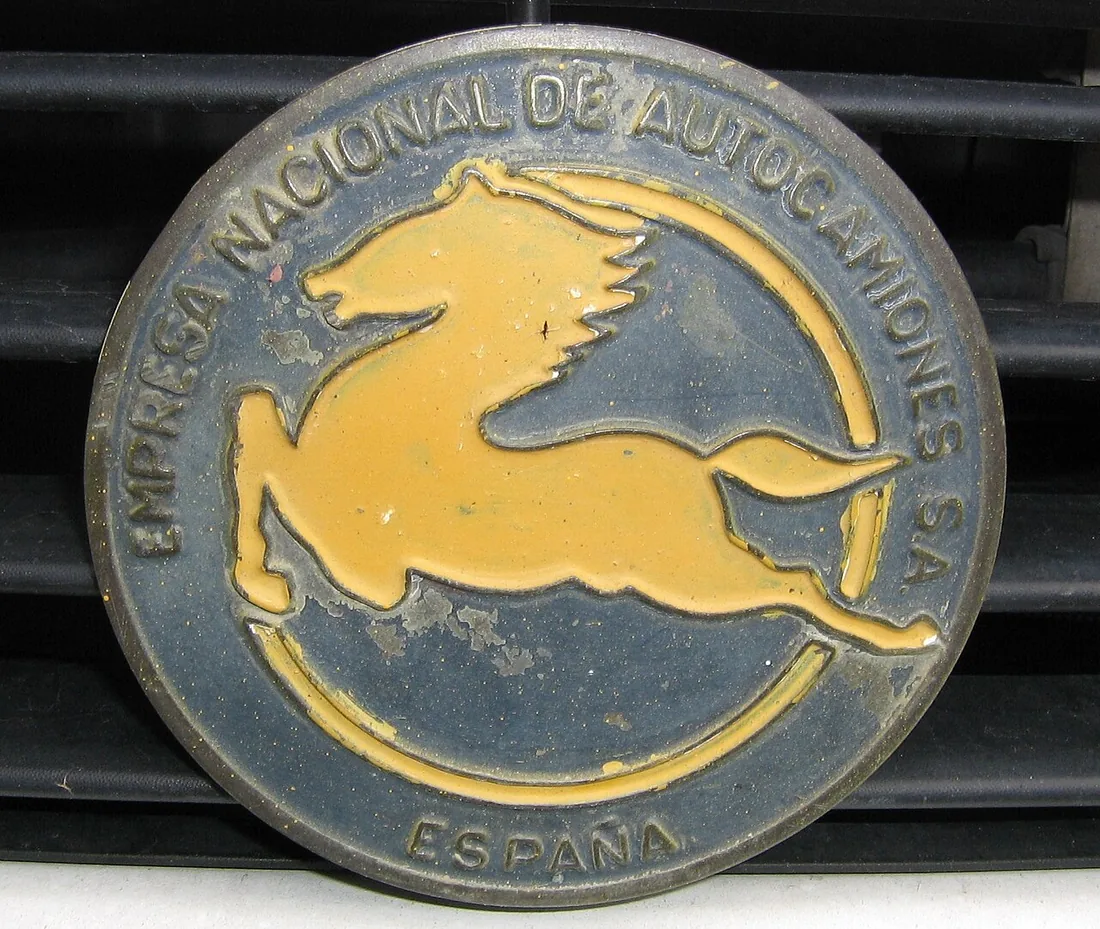
If you rode a city bus in Spain between about 1960 and 1990, you almost certainly rode a Pegaso. The winged horse was on the front of the buses in Barcelona, Madrid, Seville, Valencia and half the country besides — and it was on trucks, tractors, armoured vehicles and, for a few improbable years, on the fastest production car in the world.
All of it came out of a company owned by the Spanish state, working from a factory that used to belong to Hispano-Suiza. This is the story of ENASA, the buses it built, and how a national champion ended up as a badge on someone else's truck.
1946: a state company in a borrowed factory
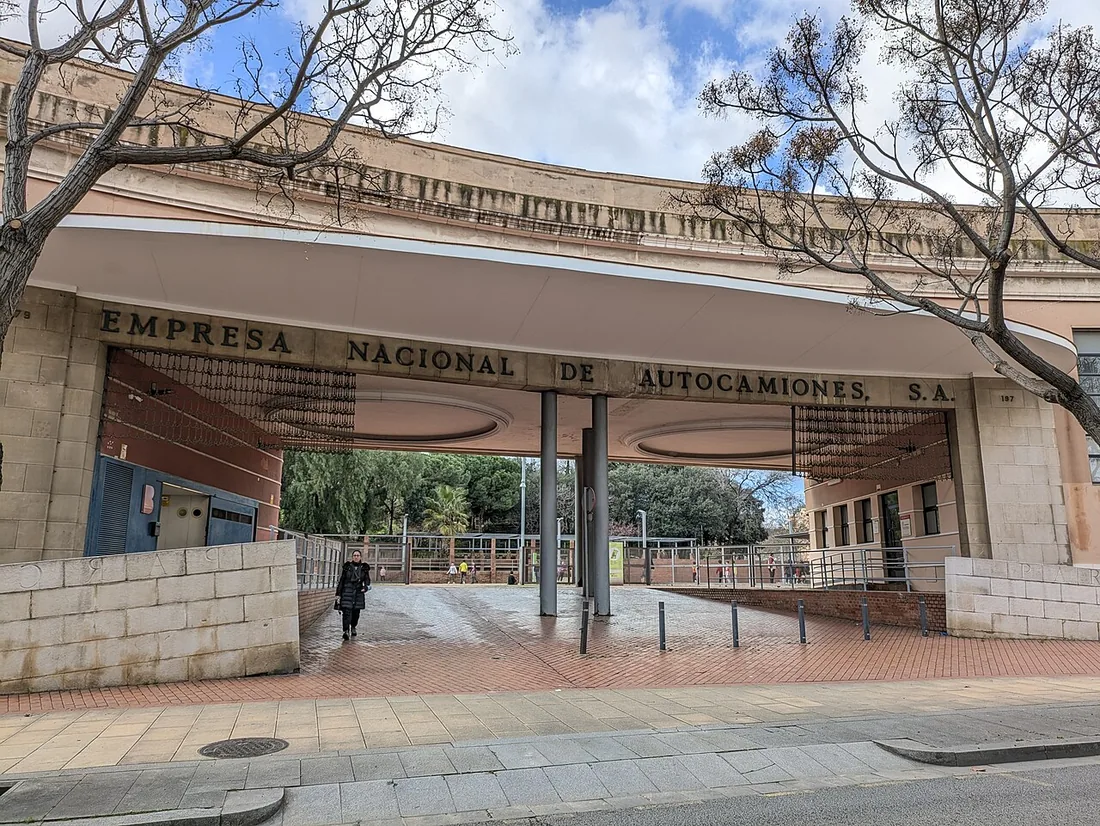
ENASA — Empresa Nacional de Autocamiones S.A. — was created in 1946 by INI, the Spanish state industrial holding, and installed in the old Hispano-Suiza works in Barcelona. Its technical director was Wifredo Ricart, an engineer who had come from Alfa Romeo, where he had been Enzo Ferrari's notorious internal rival.
The brand name they chose was Pegaso: the winged horse. For a country rebuilding after a civil war, under an autarkic economic policy that made importing vehicles nearly impossible, a national truck and bus maker was not a commercial nicety. It was infrastructure.
The detour: briefly, the fastest car on earth
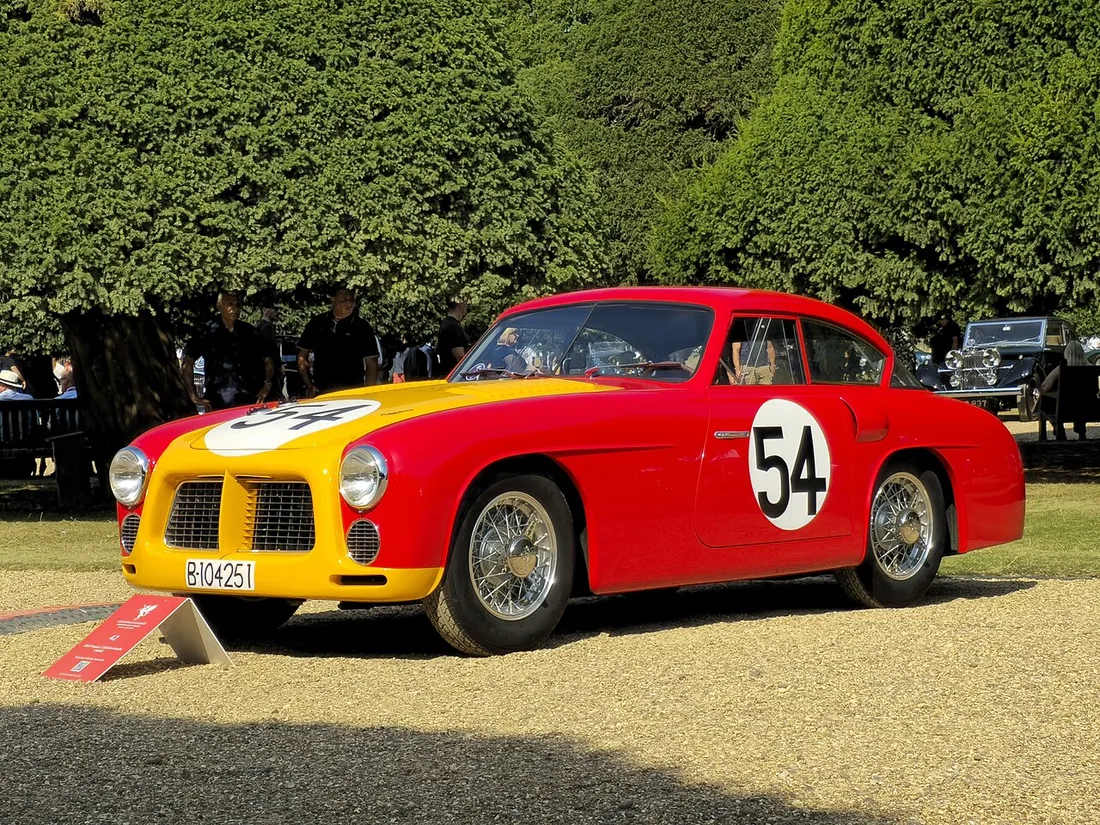
Before the buses, an oddity worth pausing on, because it tells you what kind of engineer was running the place. Ricart used the state truck factory to build a sports car: the Pegaso Z-102, launched in 1951, of which only around a hundred were made.
It was not a vanity project that failed politely. In 1953 the Z-102 was the fastest production car on sale anywhere in the world, timed at roughly 249 km/h. A nationalised lorry works in Barcelona, in a country then largely cut off from international trade, briefly out-ran Ferrari.
The Z-102 never made money and was never meant to be the business. The business was moving people and goods — and that is where Pegaso's real legacy lies.
The Monotral: a bus with no chassis
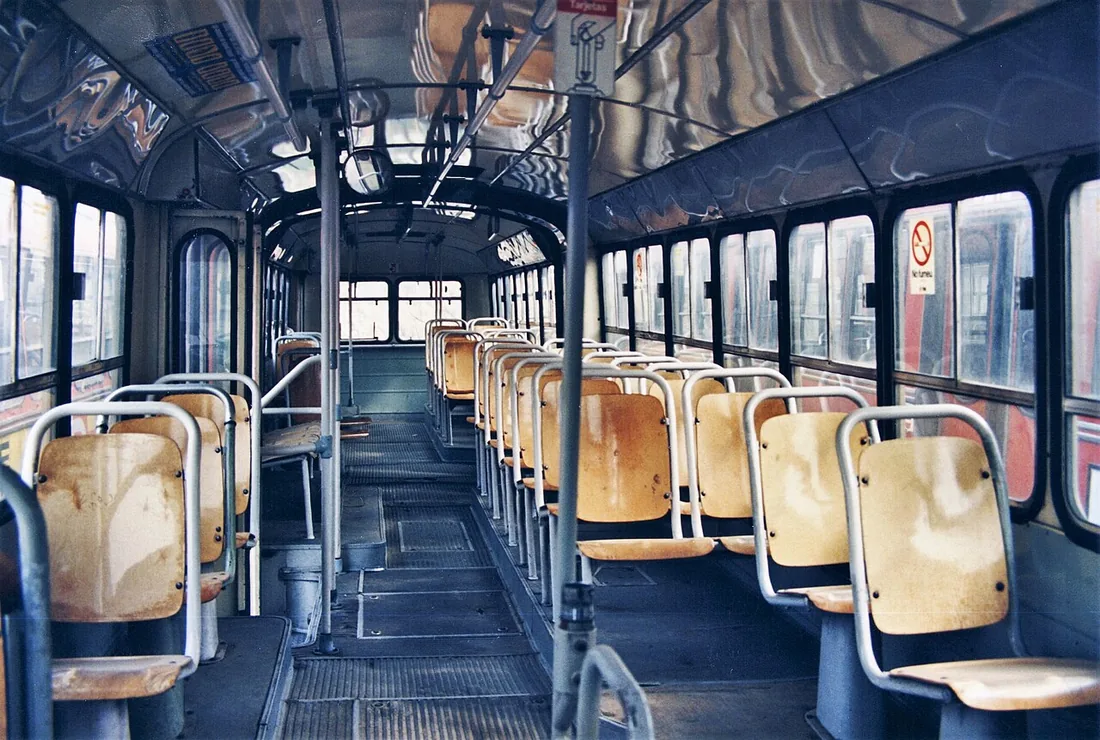
Pegaso's defining contribution to the bus is structural. From 1961 it built the Monotral range — the "6000 series" — under licence from the Italian Viberti patent. The Monotral was chassisless: instead of a body bolted onto a separate ladder frame, the body was the structure, a stressed monocoque carrying its own loads.
That let Pegaso do two things at once. The bus got lighter, and the floor could run flat and unbroken for the full length of the vehicle, because there was no frame in the way. The engine was a horizontal six laid flat under the floor, not a tall block at the back.
This is the opposite philosophy to the Spanish coachbuilding industry that grew up around it — the body-on-chassis model we describe in who actually builds Spain's buses. Pegaso built the whole machine.
The 6035: the bus that was Spanish cities
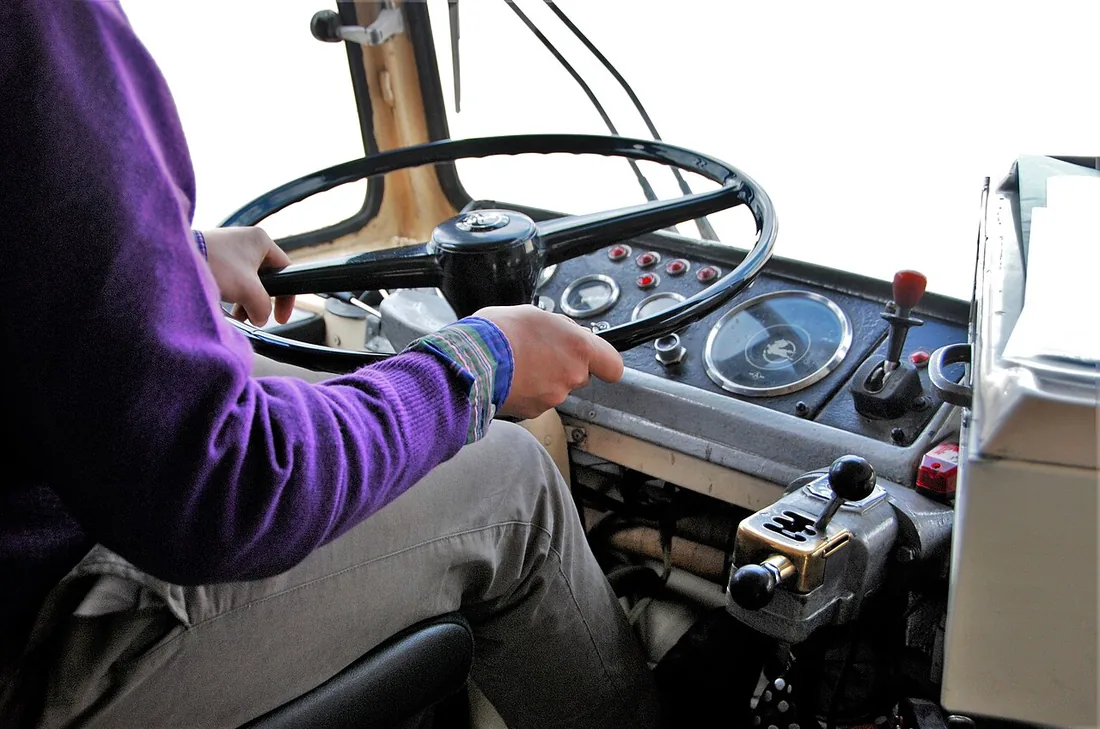
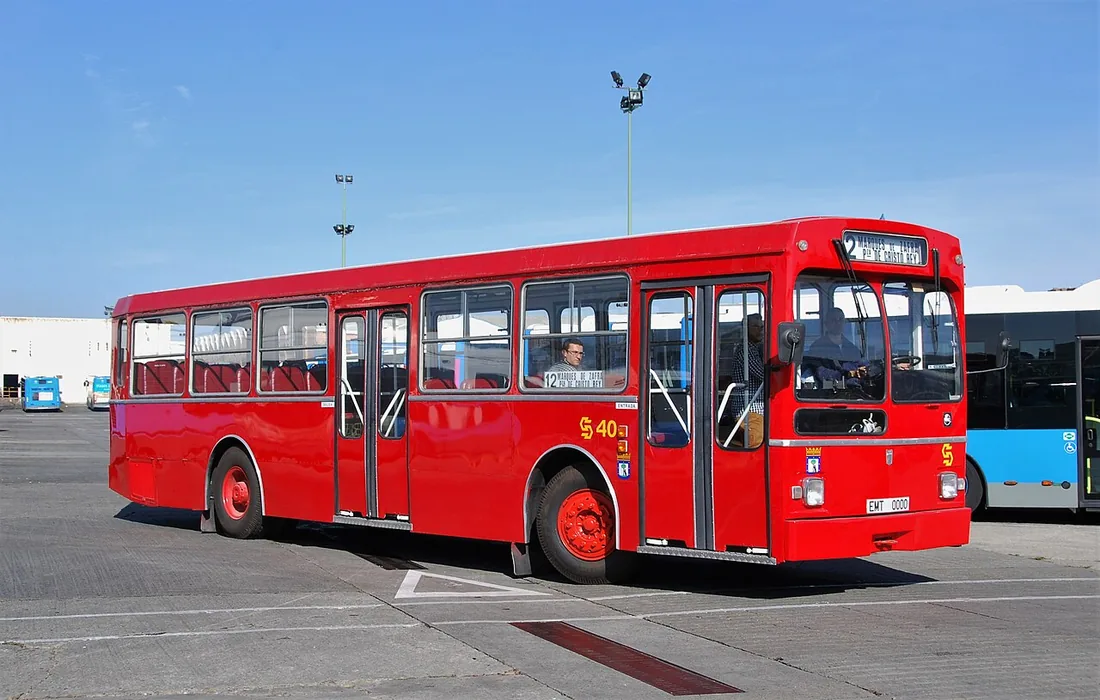
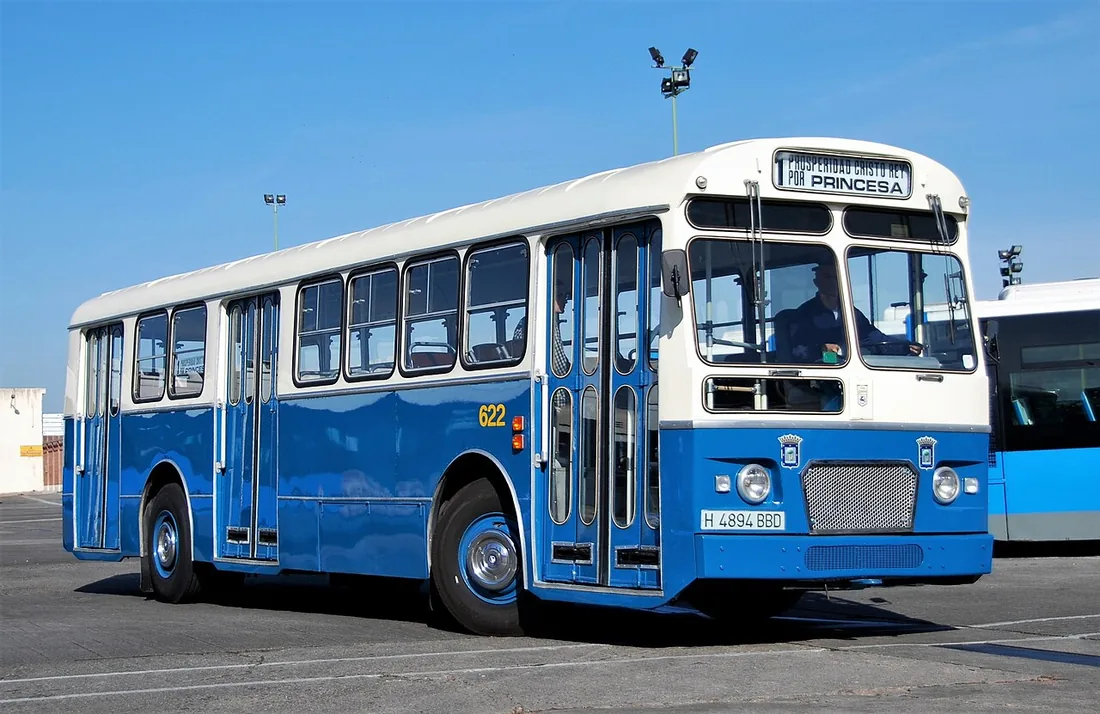
The model that mattered most was the 6035. It ran in Barcelona, Madrid, Seville, Valencia, Santander, San Sebastián and Palma, frequently staying in service for twenty years or more. Its horizontal Pegaso 9101 six produced 170 CV, fed through a Wilson semi-automatic gearbox.
Some fleets went further than buying them. When the 6035s wore out in Valencia, roughly forty were rebodied from 1984 rather than scrapped — the mechanical half was worth keeping.
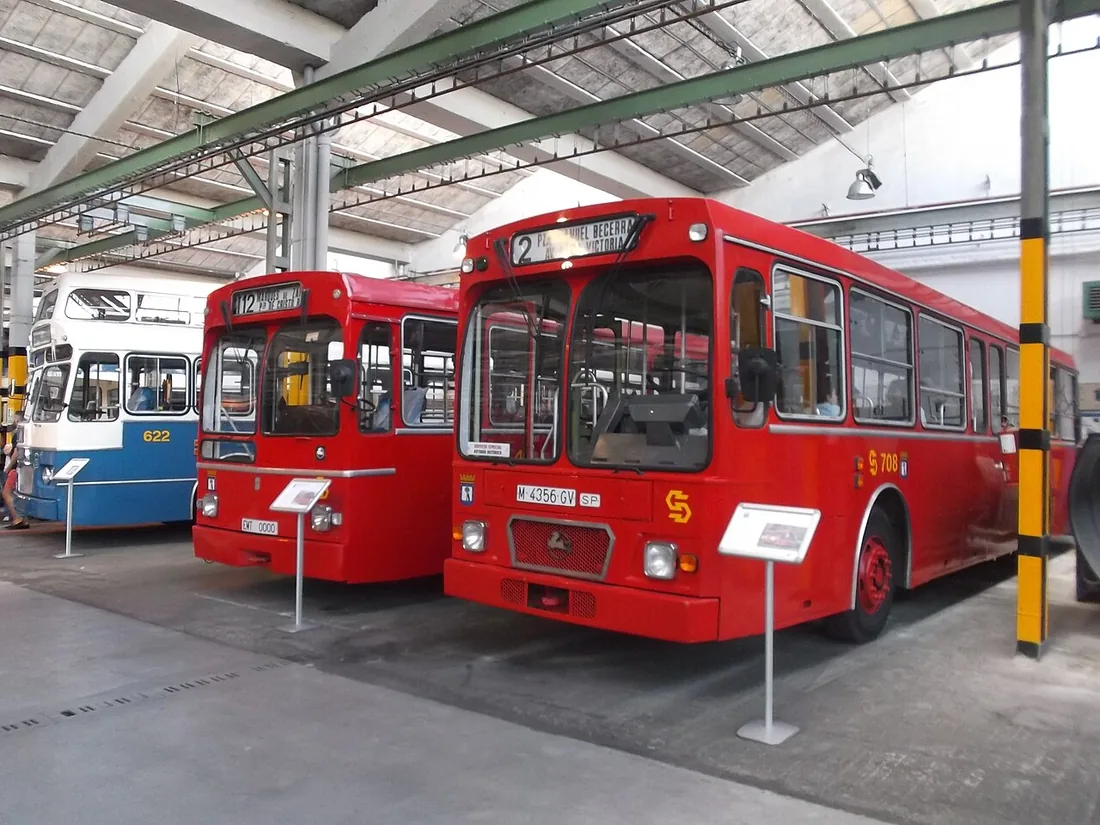
Not everything in the range was loved. The 6050, the 6038's predecessor, was dropped by Madrid because of what one preservation record bluntly calls its "multiple mechanical failures". And the later 6425A series carried an open secret among enthusiasts: "of Pegaso they only have the logo, since they have a MAN engine" — the badge outlived the engineering behind it.
Barcelona bends: the articulated Pegasos
Pegaso also gave Barcelona its first bendy bus. According to the Fundació TMB, which preserves the city's historic fleet, "the first articulated bus to be used in Barcelona, a new model made by Pegaso, arrived on 12 October 1964."
The detail that follows is wonderful. The design was 18 metres long with four doors — and that was longer than Spanish law then allowed. So it was cut down. The version that actually entered service was 16.5 metres with three doors: a bus redesigned not by engineering preference but by the statute book.
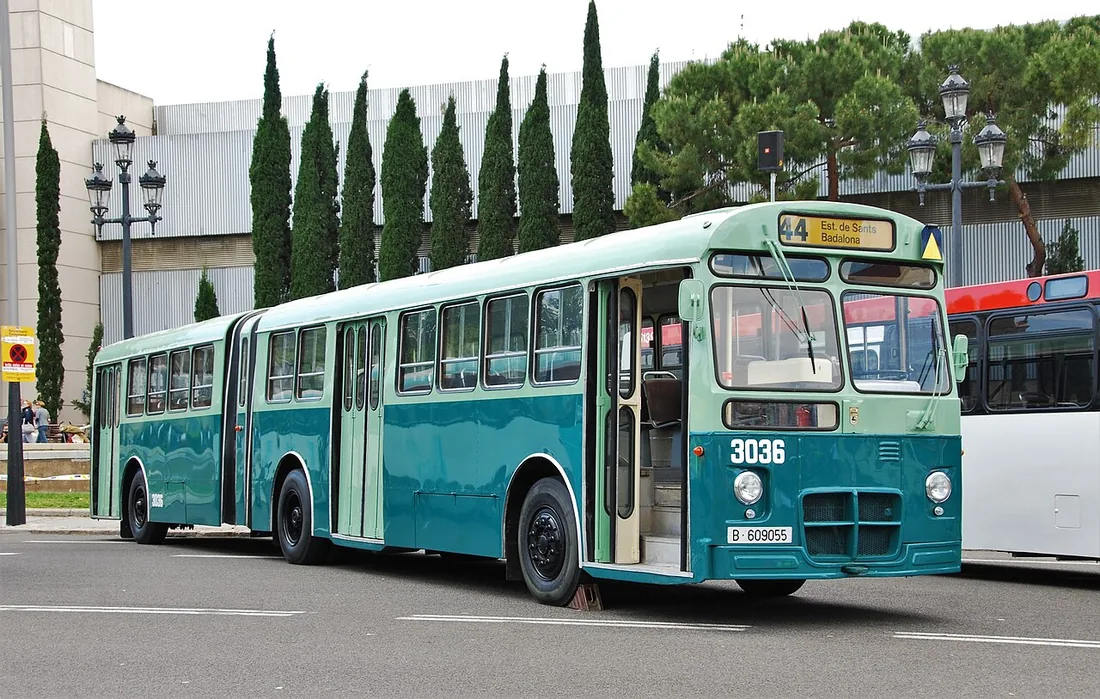
Number 3036 — the one in the photograph — is not that 1964 pioneer, but a member of the first series Transports de Barcelona put into service in 1967. Its afterlife is its own small story: withdrawn in 1987, it went to work the campus shuttle at the Autonomous University of Barcelona until 2003, was reacquired by TMB in 2008, and repainted in period green in 2010.
Scale, and then the ending
The numbers ENASA reached were serious. Between 1946 and 1990 it built more than 350,000 vehicles, peaking at over 26,000 in the single year 1974.
But a state champion built for an autarkic economy is badly suited to an open European market, and by the late 1980s ENASA needed a partner. A joint takeover by Daimler-Benz and MAN collapsed at the last minute. In 1990, Iveco bought the company instead, and Pegaso became a secondary brand inside a much larger group.
The badge did not last long after that. The final Pegaso-branded vehicle, a Troner, came off the line at Barajas in Madrid on 12 July 1994. There has been no revival — only tributes, such as the commemorative S-WAY cab Iveco produced in 2021 for the marque's 75th anniversary. If you have read our guide to what Iveco bus names mean, Pegaso is one of the names folded into that story.
The buses that outlived the company
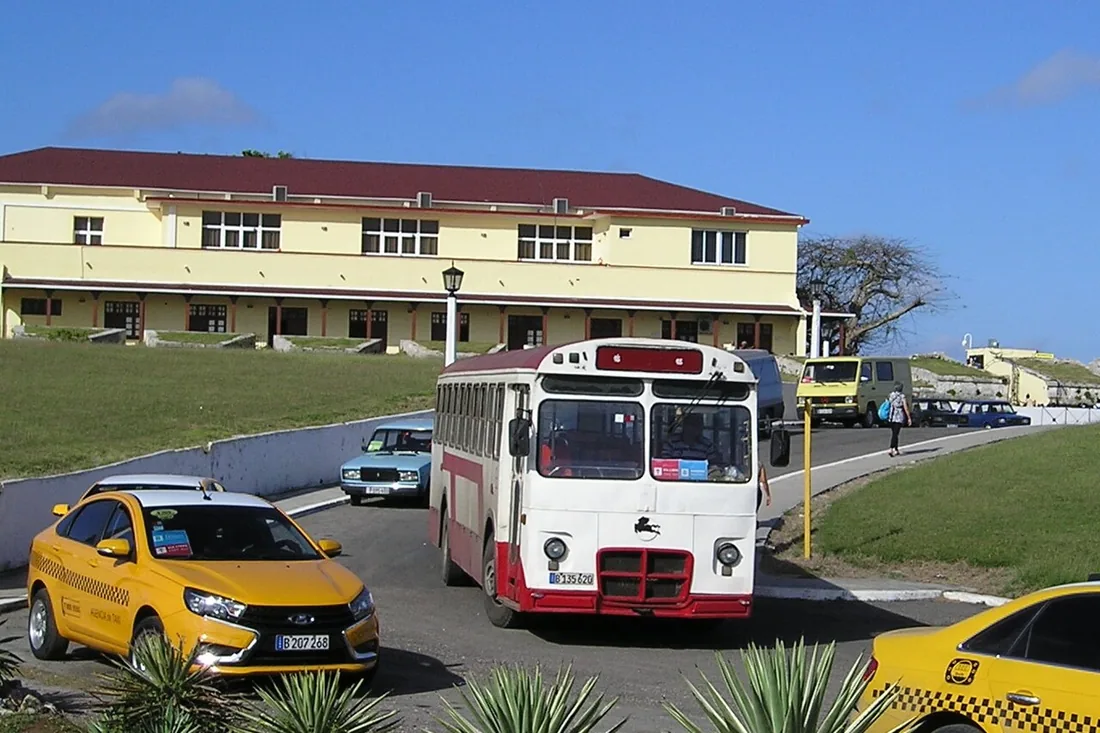
Pegasos did not all die with the brand. Spain exported them, and in Cuba — where vehicles are kept alive far past any reasonable service life — they are still part of the street.
What a Monotral feels like to drive
Two things about a Monotral would reshape your expectations in a simulator, and both come from that chassisless, engine-under-the-floor layout.
The sound comes from underneath you, not behind you. A modern city bus puts a tall diesel at the back, so the noise arrives over your shoulder and the driver sits in relative calm. In a Monotral the horizontal six lies flat beneath the saloon floor — the drone rises through the structure, through the seat, through your feet. There is no acoustic distance from the engine because the engine is under the passengers.
The gearbox is a decision, not a reaction. A Wilson pre-selector is not an automatic. You select the gear you want next, and it engages when you press the pedal — so you are thinking one ratio ahead of the bus, choosing your gear before the corner rather than reacting after it. That is a genuinely different driving rhythm from anything modern.
Add the monocoque, and you get a vehicle that is lighter and flatter-floored than its contemporaries but also stiffer and noisier — every road input travelling through a structure that is doing double duty as the bodywork.
There are no Pegaso mods in the catalog today. If Spanish machinery is what you are after, the surviving Spanish bodywork tradition is where to look — start with the Irizar bus mods.
FAQ
What was Pegaso?
What is a Pegaso Monotral?
Does Pegaso still exist?
Was Pegaso really the fastest car in the world?
When did Barcelona get its first articulated bus?
Sources
- Fundació TMB — Pegaso 3036 — Barcelona's first articulated bus, a Pegaso, arriving 12 October 1964; the 18 m design shortened to 16.5 m with three doors; bus 3036 from the 1967 series, its Hugas bodywork, its withdrawal in 1987, the Autonomous University campus service to 2003 and the 2010 repaint.
- Iveco — 75th anniversary of the Pegaso brand — the ENASA acquisition and the commemorative S-WAY tribute.
- Autobuses BCN — Pegaso-Monotral 6035/A — the 6035 in Barcelona service, its horizontal 9101 engine, 170 CV output and Wilson semi-automatic gearbox.
- Background: Pegaso — Wikipedia, for the ENASA founding, Wifredo Ricart, the Monotral range and the Z-102.
Hero: Pegaso 6035 number 2221 of Transports de Barcelona, Borbón depot, 1988 — The STB, CC BY-SA 4.0, via Wikimedia Commons. In-body photographs are credited in their captions; all are Creative Commons via Wikimedia Commons.