What Is a Dolmuş? Turkey's Shared Minibus (and How to Drive One in PBS)
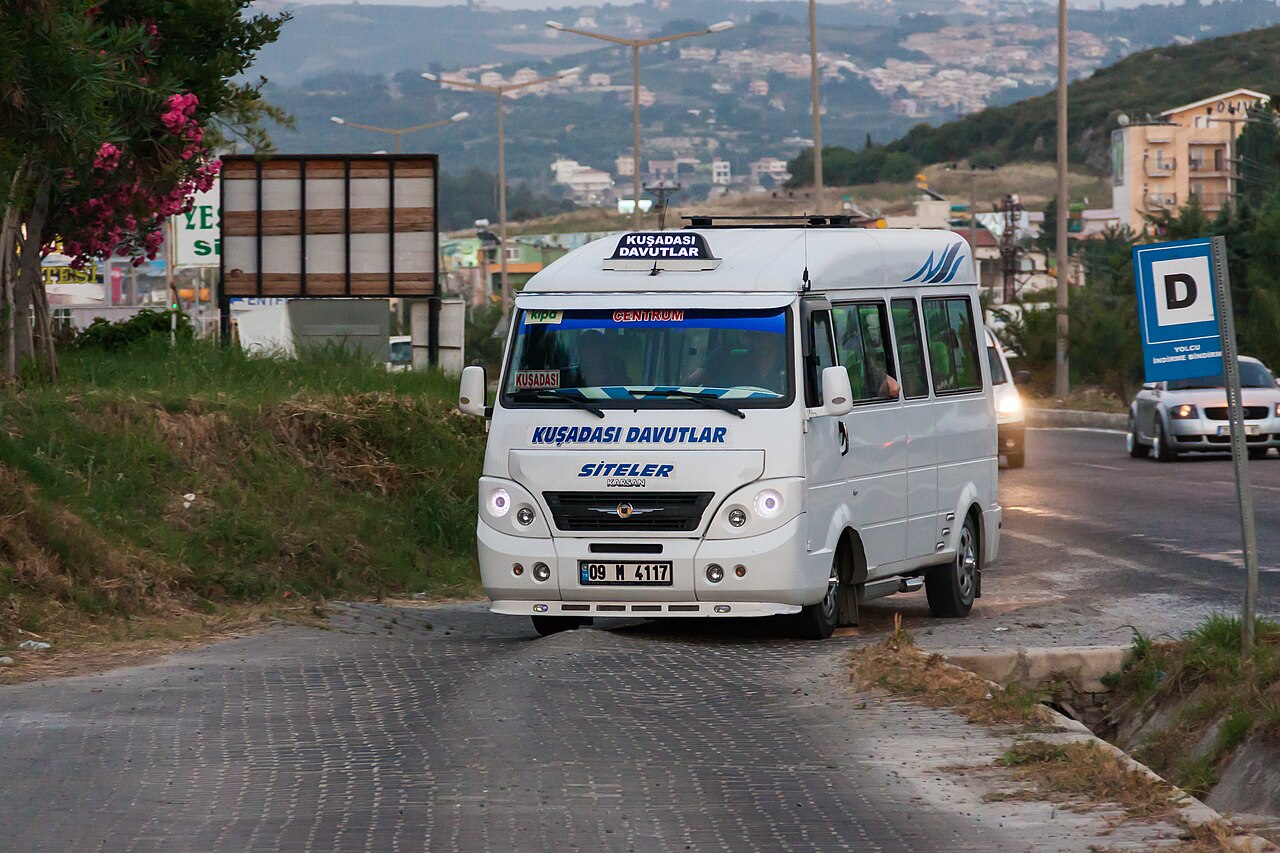
Ride a bus in Istanbul long enough and, sooner or later, you end up in a dolmuş: a minibus that runs a set route but keeps no timetable, leaves only when it is full, and will slow to a crawl to scoop up anyone waving from the kerb. It is one of the most human ways a city moves — and behind the wheel it makes for a completely different kind of route than a scheduled city bus.
Here is what a dolmuş is, how its no-timetable system actually works, where the same idea turns up all over the world, and how to run one in Proton Bus Simulator.
What "dolmuş" actually means
The name says everything. Dolmuş comes from the Turkish for "stuffed," or "filled to the brim" — because that is exactly how it runs. A dolmuş traditionally does not leave until every seat is taken, so the word is really a description of the business model: packed, and going nowhere until it is.
The route with no timetable
A dolmuş sits, as the definition goes, somewhere between a taxi and a bus. It follows a set route within or between towns, but there is no schedule — it departs when the seats fill up. From there the rules bend to the traffic:
- In busy areas it behaves like a bus, picking up and dropping off at designated stops or a terminus.
- On quieter stretches it behaves like a taxi: you hail it anywhere along the route, and a dolmuş with empty seats will slow down to take you.
You pay as you board, and you can ask to get off between stops. It is transit run on demand and on feel, not on a printed timetable.
What a dolmuş actually is
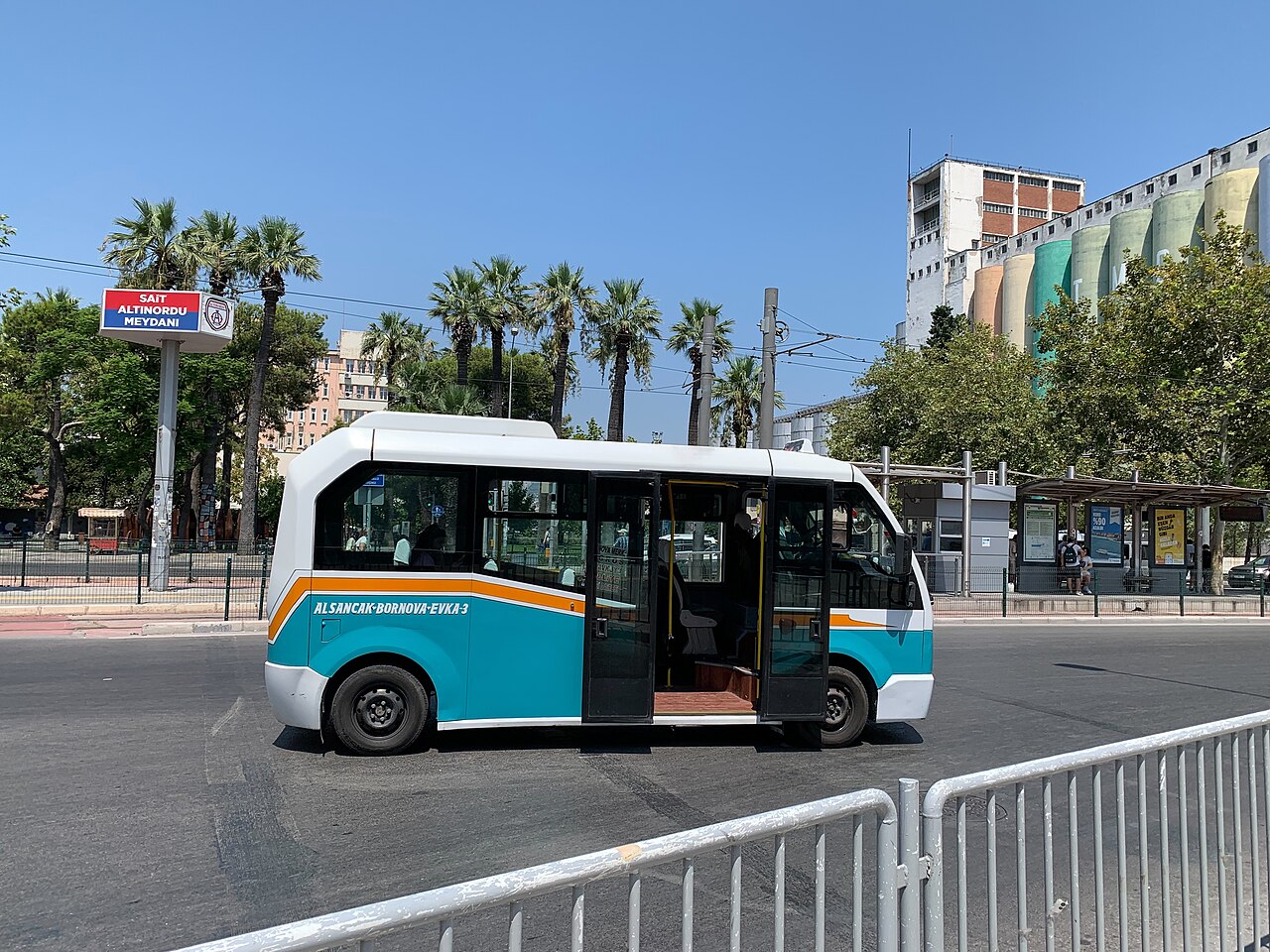
A dolmuş is defined by how it runs, not by one particular vehicle. In practice it is almost always a minibus or a light commercial van — a Sprinter-sized bus, or a purpose-built city minibus like the Karsan Jest — fitted out with seats and a route sign. (In older days it was a shared saloon car; in Cyprus, famously, even elderly Mercedes-Benz stretch limousines have served the role.) It is a close cousin of the small buses in the minibus story, and a fixture of the fleet in a country that loves its buses.
Turkey's idea, the world's habit
The dolmuş feels uniquely Turkish, but the idea is everywhere — it just has a different name in every country. This kind of shared-route minibus is one of the most common ways the world actually gets to work:
| Region | What it's called |
|---|---|
| Turkey & Northern Cyprus | Dolmuş |
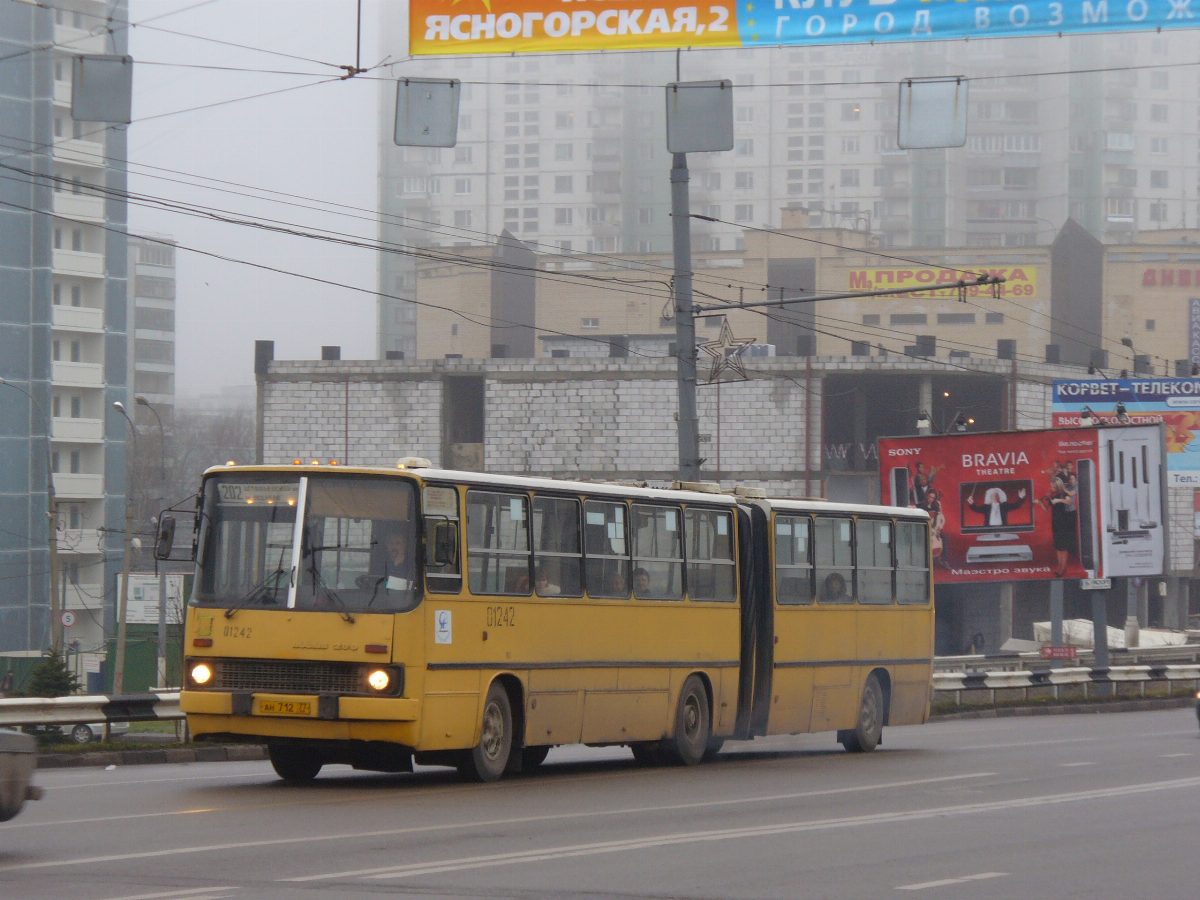
| Post-Soviet states | Marshrutka |
| United States | Jitney / dollar van |
| Kenya | Matatu |
| Nigeria & Ghana | Danfo / tro tro |
| South Africa | Minibus taxi |
| Israel | Sherut |
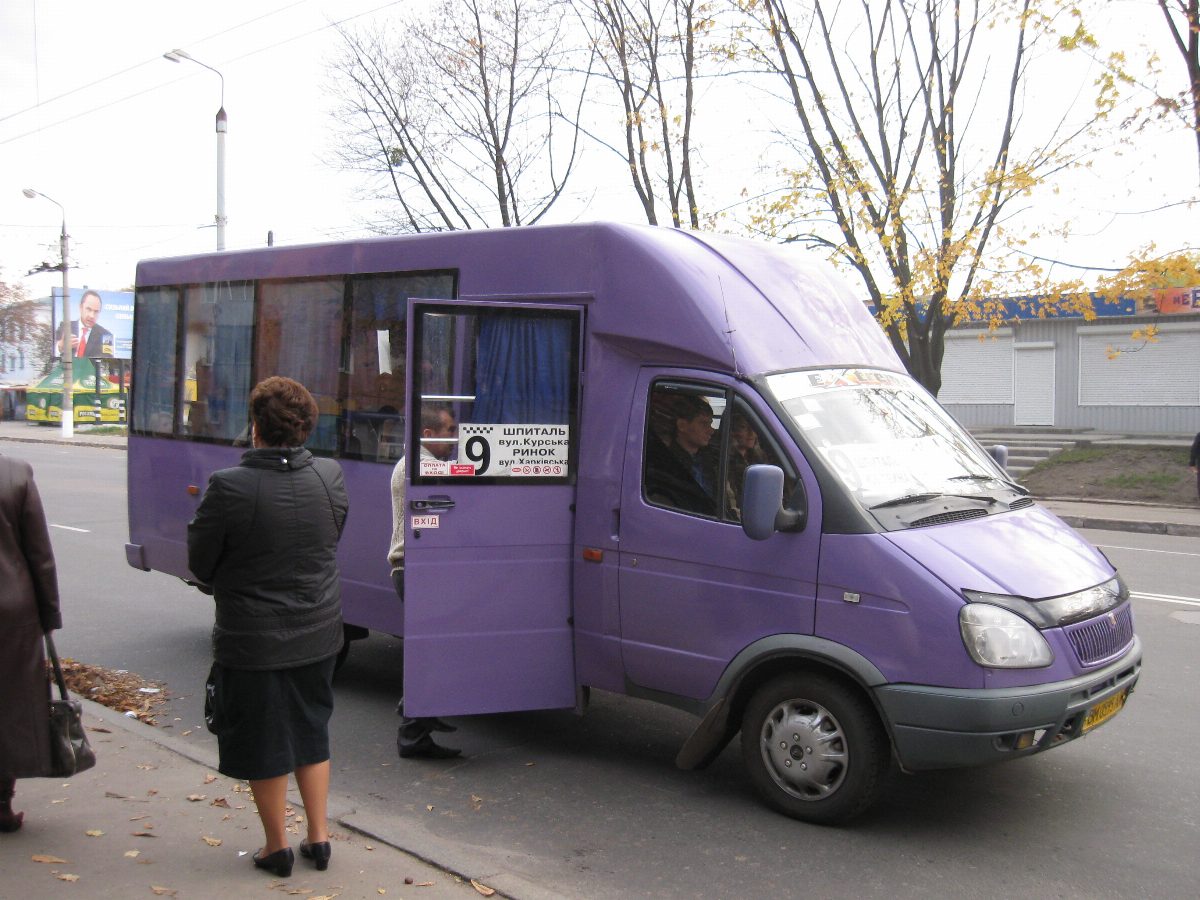
They all run the same way: a semi-fixed route, no timetable, leave when full. If the marshrutka rings a bell, it is because it fills the very same role across the post-Soviet world you can drive in the sim.
Driving a dolmuş route in Proton Bus Simulator
This is where the dolmuş becomes a genuinely different job. A scheduled city bus is a race against the clock; a dolmuş turns that on its head. There is no timetable to chase — instead you wait for the minibus to fill, then run, stopping wherever a hand goes up and working a short, high-frequency route on feel. It rewards a driver who reads the street, not one who watches a clock.
To try it, grab a minibus mod — the Toyota Coaster is a perfect dolmuş stand-in — and run a Turkish street like a real one. For the full Turkish flavour, browse the Turkish bus mods.
FAQ
What does dolmuş mean?
How does a dolmuş work?
What is the difference between a dolmuş and a bus?
Is a dolmuş the same as a marshrutka?
Sources
- Dolmuş — Wikipedia — the meaning of the word ("filled to the brim"), the no-timetable / leave-when-full operating model, hailing along the route, and the minibus/light-commercial vehicles used.
- Share taxi — Wikipedia — the share-taxi definition ("between a taxicab and a bus") and the global family of regional names (marshrutka, jitney, matatu, danfo, sherut and more).
Hero: a dolmuş in Kuşadası by ahenobarbus, CC BY 2.0, via Wikimedia Commons. In-body photos credited in their captions.