The Minibus Story: How the Bus Got Small (Sprinter, Coaster & the Midibus)
Not every route needs a 12-metre bus. When the street is narrow or the passengers are few, a full-size bus is the wrong tool. That is where the minibus, and its bigger cousin the midibus, come in.
So what is a midibus, and how is it different from a minibus or a normal city bus? This is the story of the small bus — what these terms mean, why the body type exists, the two very different ways one gets built, and how the little ones feel to drive.
Minibus, midibus, or just a small bus?
The names describe size, and the line between them is blurry. A minibus carries more people than a van but fewer than a full-size bus — usually between about 12 and 30 seats (Wikipedia).
A midibus sits one step up. It is a single-decker that is bigger than a minibus but still shorter than a standard city bus, roughly 8 to 11 metres long (Wikipedia). Above that, you are into full-size territory.
Here is the quick version:
| Type | Typical length | Rough seats | Where it fits |
|---|---|---|---|
| Minibus | up to ~8 m | ~12–30 | shuttles, rural & feeder routes |
| Midibus | ~8–11 m | ~20–40 | quiet city routes, narrow streets |
| Full-size bus | 11 m and up | 40+ | busy main lines |
Don't treat those numbers as hard law. Makers and operators use the words loosely, and a big minibus and a small midibus can overlap. The idea that matters is simple: this is a bus built deliberately small.
Why the bus got small
A smaller bus is not just a cute idea. It is about matching the vehicle to the demand. Running a big, heavy bus that is nearly empty wastes fuel, money, and a driver's time. On a quiet route, a smaller bus is simply the right size.
Small buses also go where big ones can't. Tight historic centres, steep village lanes, and narrow suburban streets all favour a shorter, more nimble vehicle. That is the midibus's home turf, and it is why cities keep them around even as fleets grow.
In the simulator you feel this the moment you pull away. A minibus slips into gaps a 12-metre bus would never fit, and it parks at a stop without the long swing of a full-size body. You give up capacity, but you gain a route an articulated bus could never serve.
Two ways to build a small bus
Small buses are built in two very different ways. One starts with a van. The other is designed as a bus from the ground up.
The van conversion and the cutaway
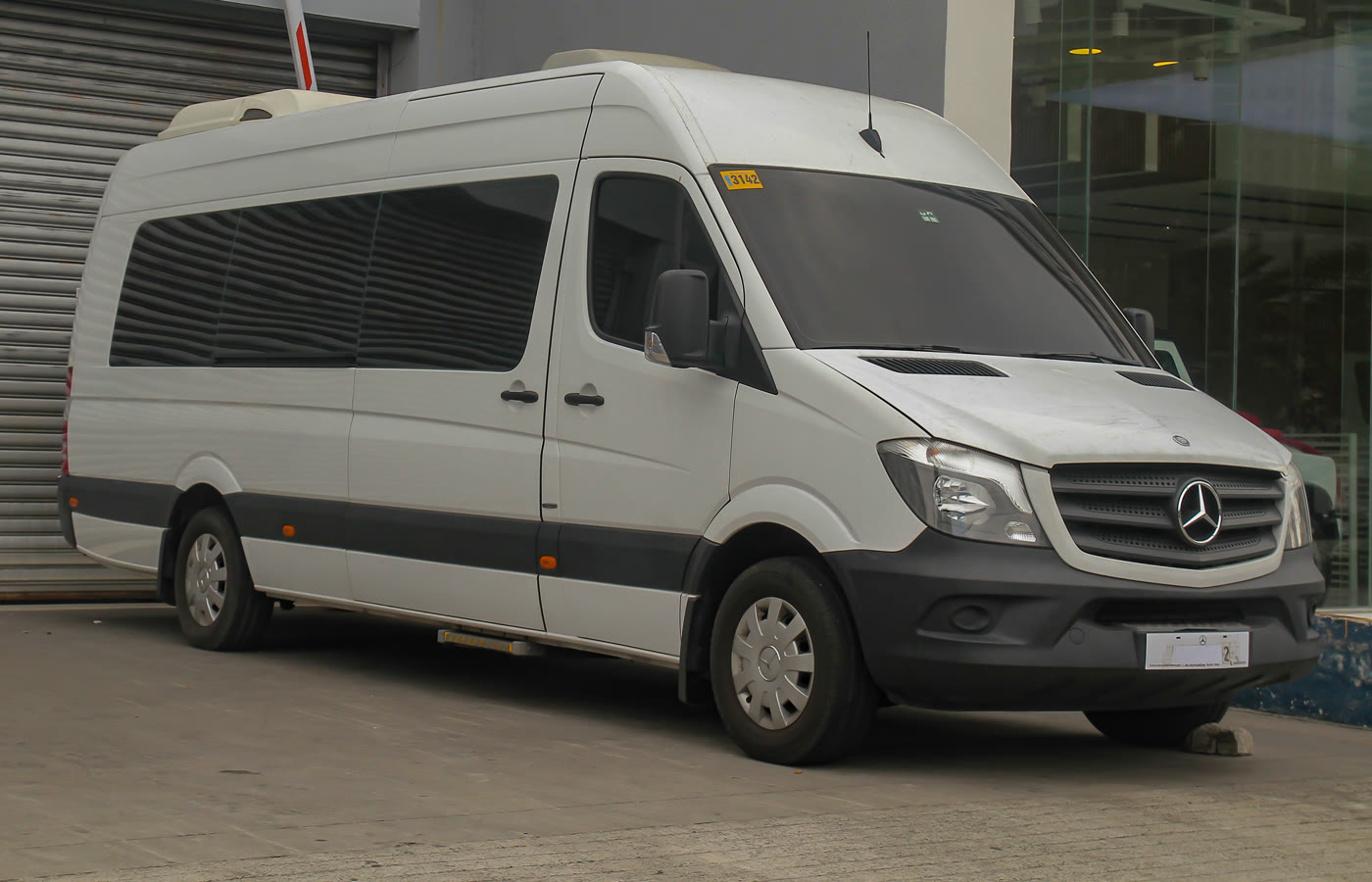
The cheapest path is to start with a big van and turn it into a bus. The Mercedes-Benz Sprinter is the classic example. It is sold mainly as a goods van, and passenger versions are made by cutting in window panels and adding seats (Wikipedia). The Iveco Daily plays the same role.
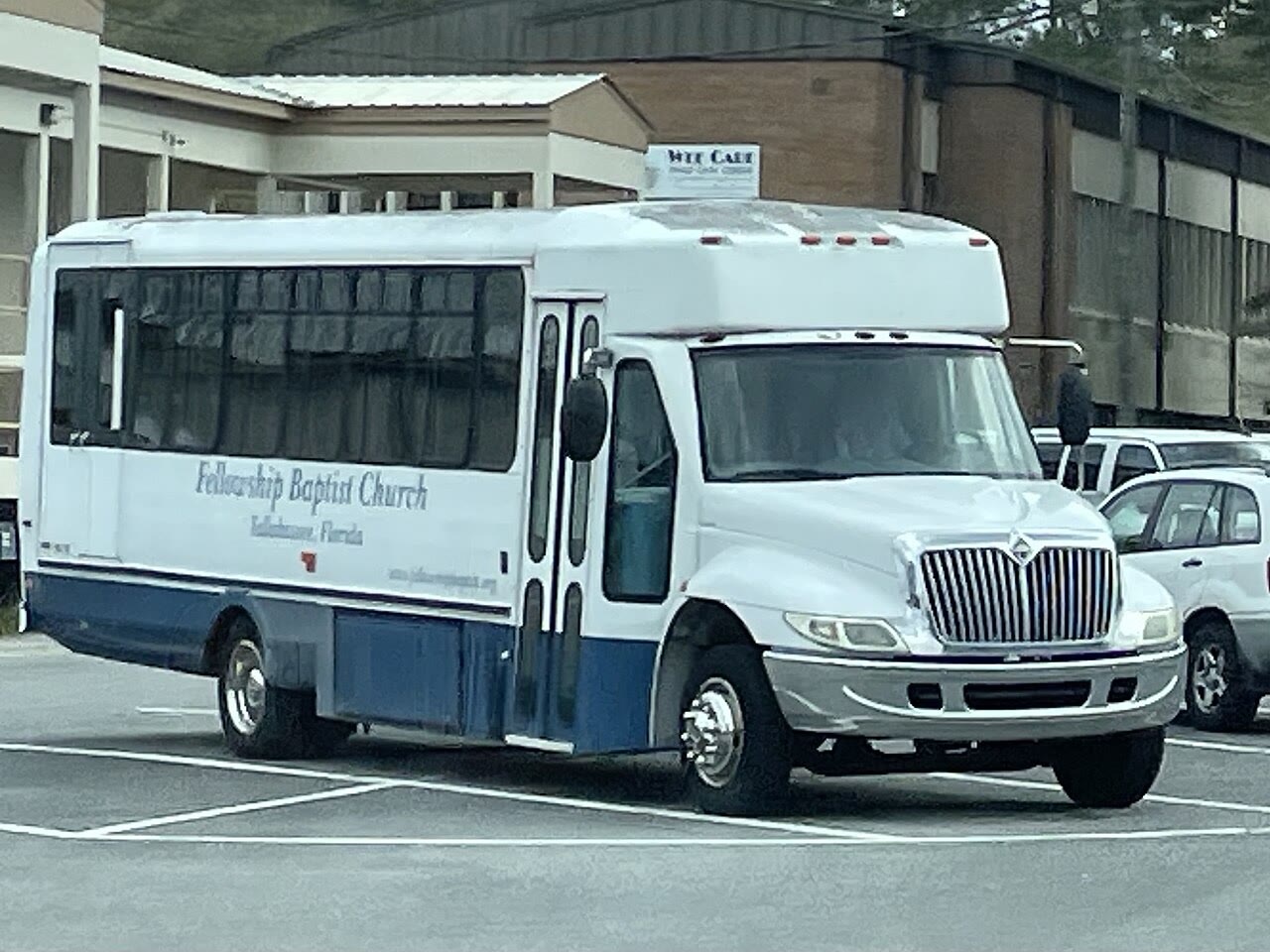
There is a halfway version too: the cutaway. A factory ships a van front and cab with the body cut off right behind the front seats, and a separate "body builder" bolts on a bigger bus shell (Wikipedia). The shuttle buses at airports and hotels are usually cutaways.
The purpose-built midibus
The other path is a real bus, just smaller. A purpose-built midibus like the British Optare Solo is designed as a low-floor city bus from the start, with a flat floor, wide doors, and a proper bus chassis. It only looks small.
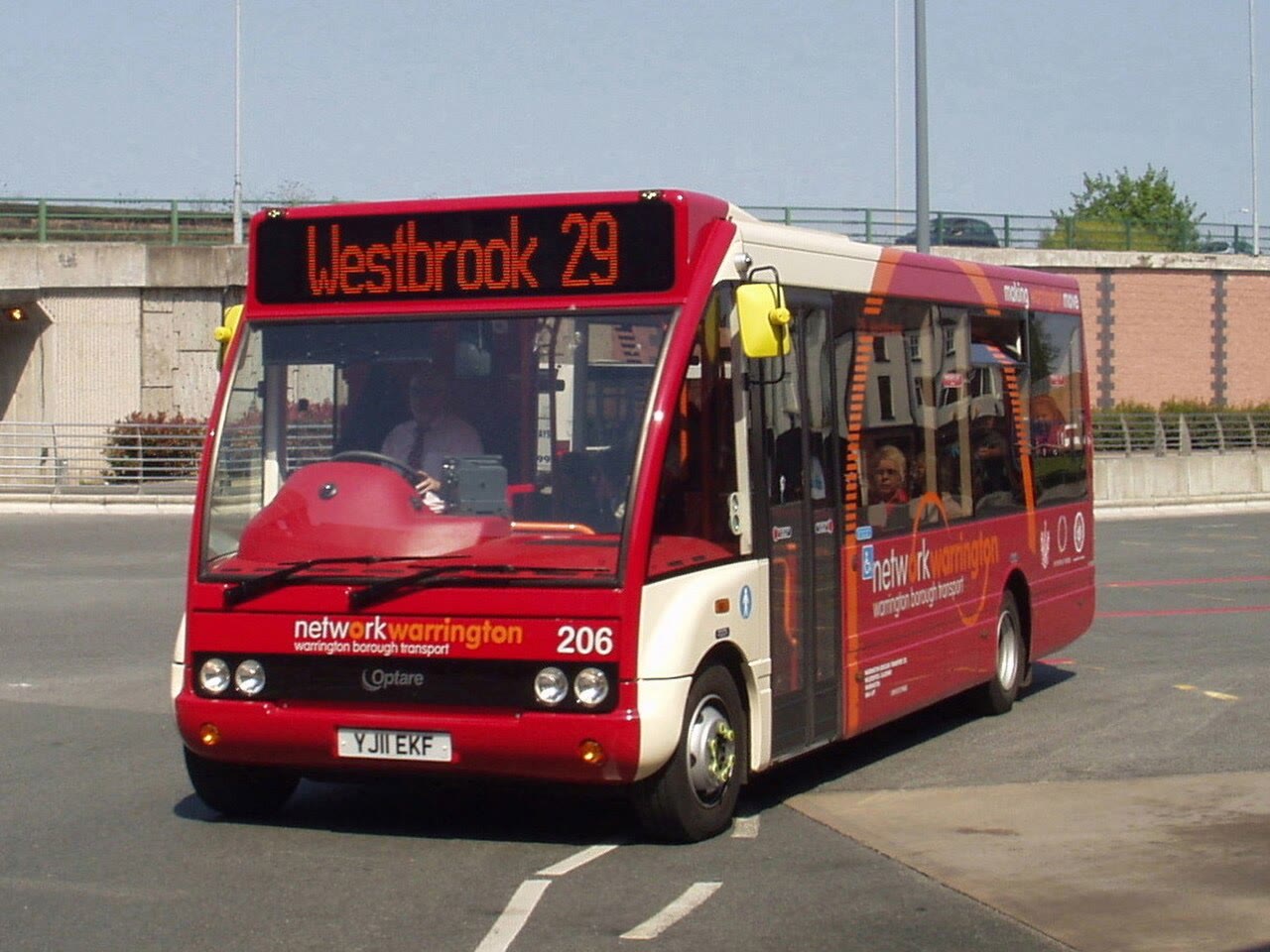
The difference shows in the driving. A van-based minibus darts and bounces; a purpose-built midibus like the Solo sits flatter and feels like a proper bus, just scaled down. Its low floor is part of the low-floor revolution that reshaped city buses everywhere.
The minibus around the world
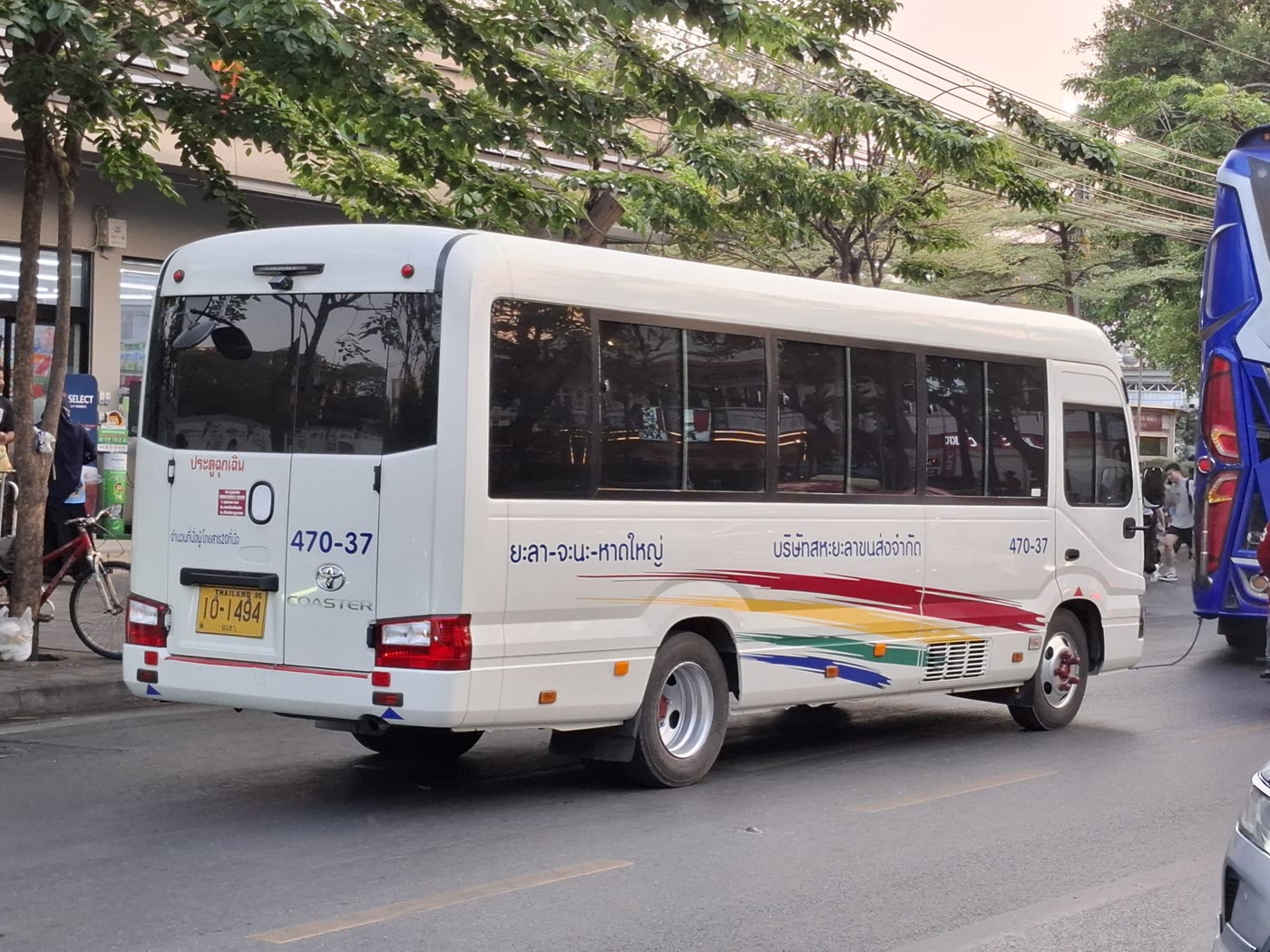
No vehicle tells the small-bus story better than the Toyota Coaster. Toyota launched it in 1969 as a 17-seat minibus built on the running gear of the Dyna light truck (Wikipedia). It has changed shape only a handful of times since.
Today the Coaster is everywhere. It is common in Japan, Singapore, Hong Kong and Australia, and it is a backbone of everyday transport across Africa, the Middle East, South Asia, the Caribbean and Latin America (Wikipedia). For millions of riders, a small Toyota is what "the bus" looks like.
Drive a Coaster in the sim and it feels like a small truck with seats: the diesel mutters up front beside you, the gearing is short, and the ride is firm. It is the opposite of a soft low-floor city bus, and that honesty is half the charm.
How a minibus actually drives
This is where the small bus stops being a shrunken big one. It is a different animal.
A van-based minibus is light and quick. The engine sits up front, beside or under the driver, so you hear it differently from a rear-engined city bus. The wheelbase is short, so it turns fast and slots into gaps — but it also pitches and bounces over bumps a heavy bus would soak up. One door means boarding has its own rhythm: everyone files past you at the front.
In Proton Bus Simulator we notice it most right after stepping out of an articulated bus. The minibus feels nervous and eager where the big bus felt planted. It brakes short. It rocks on its springs. It rewards smooth, gentle inputs.
Driving minibuses in Proton Bus Simulator
The small stuff is some of the most fun to drive in the sim, precisely because it feels nothing like a 12-metre urban bus. A Sprinter on a feeder route, a Coaster on a dusty line, a midibus threading a tight old town — each one changes how you plan a stop and a corner.
If you want to try it, the Mercedes-Benz and Iveco pages are the place to start: the Sprinter and the Daily are the minibus workhorses in the catalogue. From there it is a short hop to the bigger midibuses.
FAQ
What is the difference between a minibus and a midibus?
How many passengers does a minibus carry?
What is a cutaway bus?
Is a Mercedes-Benz Sprinter a minibus?
What is the most popular minibus in the world?
Sources
- Minibus — Wikipedia — definition and seating range.
- Midibus — Wikipedia — the 8–11 m length range.
- Cutaway van chassis — Wikipedia — how cutaways are completed by body builders.
- Toyota Coaster — Wikipedia — 1969 launch, Dyna running gear, worldwide use.
- Mercedes-Benz Sprinter — Wikipedia — passenger and minibus variants.