The MCI Coach: How One Bus Became the Face of American Highways
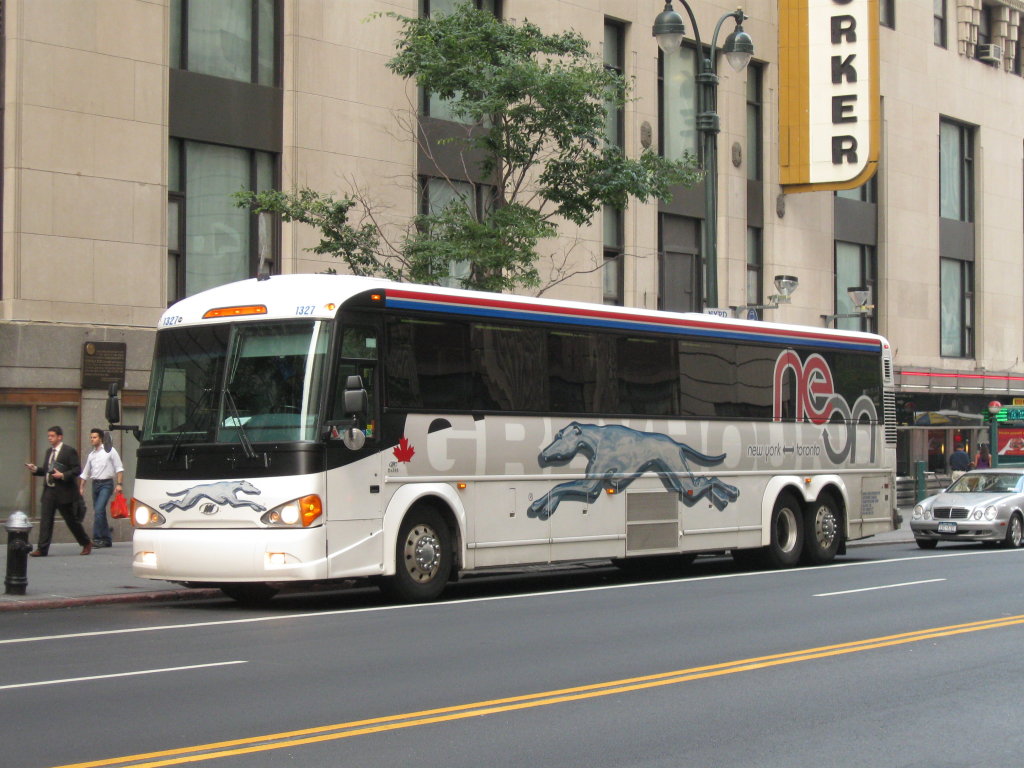
Picture the American intercity bus. You are almost certainly picturing an MCI: a tall, slab-sided silver coach with a deep luggage bay, a band of tinted glass down each flank, and — as often as not — a running greyhound painted on the side. For most of a century that silhouette has meant "long-distance travel" across the United States the way a yellow body means "school bus." And here is the twist almost nobody knows: the most American coach on the road was born in a Canadian paint shop.
We traced Motor Coach Industries from a Winnipeg repair garage to the company whose buses became the face of the U.S. highway.
From a Winnipeg paint shop
MCI's origin is gloriously humble. In 1933, a man named Harry Zoltok incorporated Fort Garry Motor Body and Paint Works in Winnipeg, Manitoba, turning his repair shop into a place that built bus bodies. That little Canadian outfit grew into Motor Coach Industries — a name that would eventually be stamped on the coaches lining the gates of every Greyhound terminal in America. The company that defined American highway travel started, quietly, north of the border.
The Greyhound years
The thing that turned a regional body-builder into a continental institution was a single customer: Greyhound. MCI's biggest buyer became its owner in stages — Greyhound Lines of Canada bought a 65% majority stake in 1948, then acquired the company outright in 1958. For decades after, MCI was effectively Greyhound's in-house coach factory, building the buses its parent ran from coast to coast. That is why, to an entire travelling public, an MCI coach and "a Greyhound" became almost the same thing — the manufacturer and the operator fused in the popular imagination.
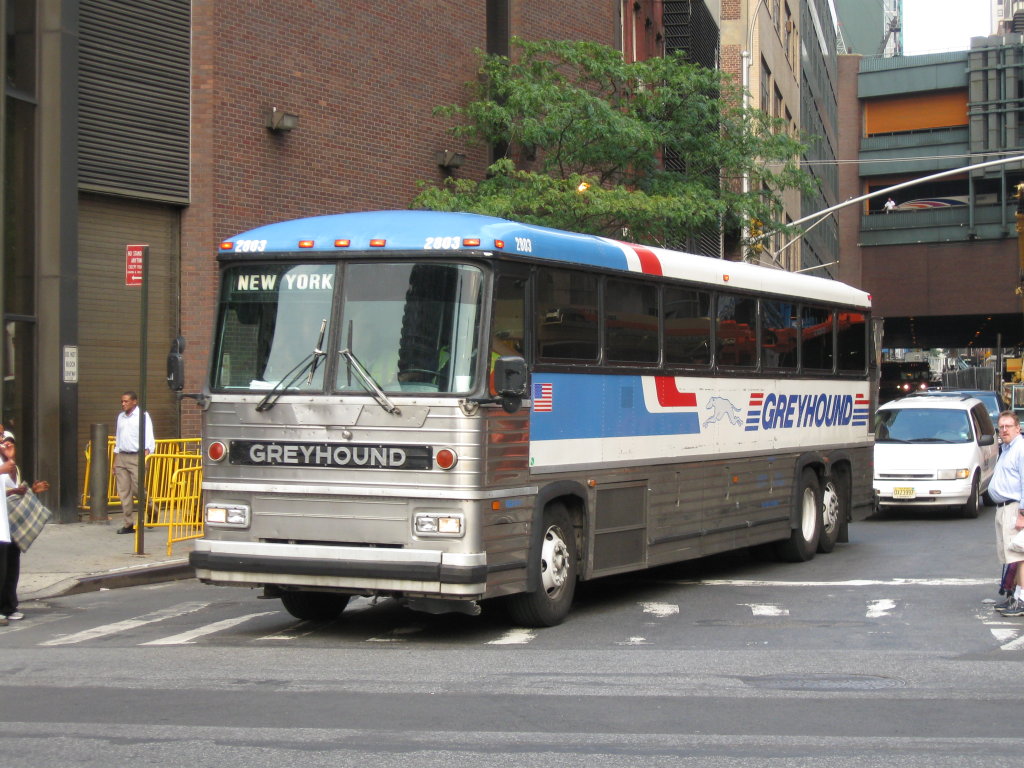
The MC-9 Crusader — the all-time best-seller
If one model made the legend, it was the MC-9 Crusader II, introduced in 1978. It became the best-selling intercity coach in North American history: more than 10,000 were built, and by 1994 it was the nation's all-time best-selling coach. For sixteen years it was the default bus of the American highway — the workhorse behind Greyhound's "Americruiser" services and countless charter and tour fleets. If you rode a long-distance bus in the United States in the 1980s, the odds are overwhelming that it was an MC-9.
Its appeal was not glamour but granite dependability: a rugged, repairable, endlessly serviceable machine that operators could run for decades. That reputation — "the dependable workhorse" — became MCI's entire brand, and it carried straight into the models that followed.
The modern dynasty: D-series and the J4500
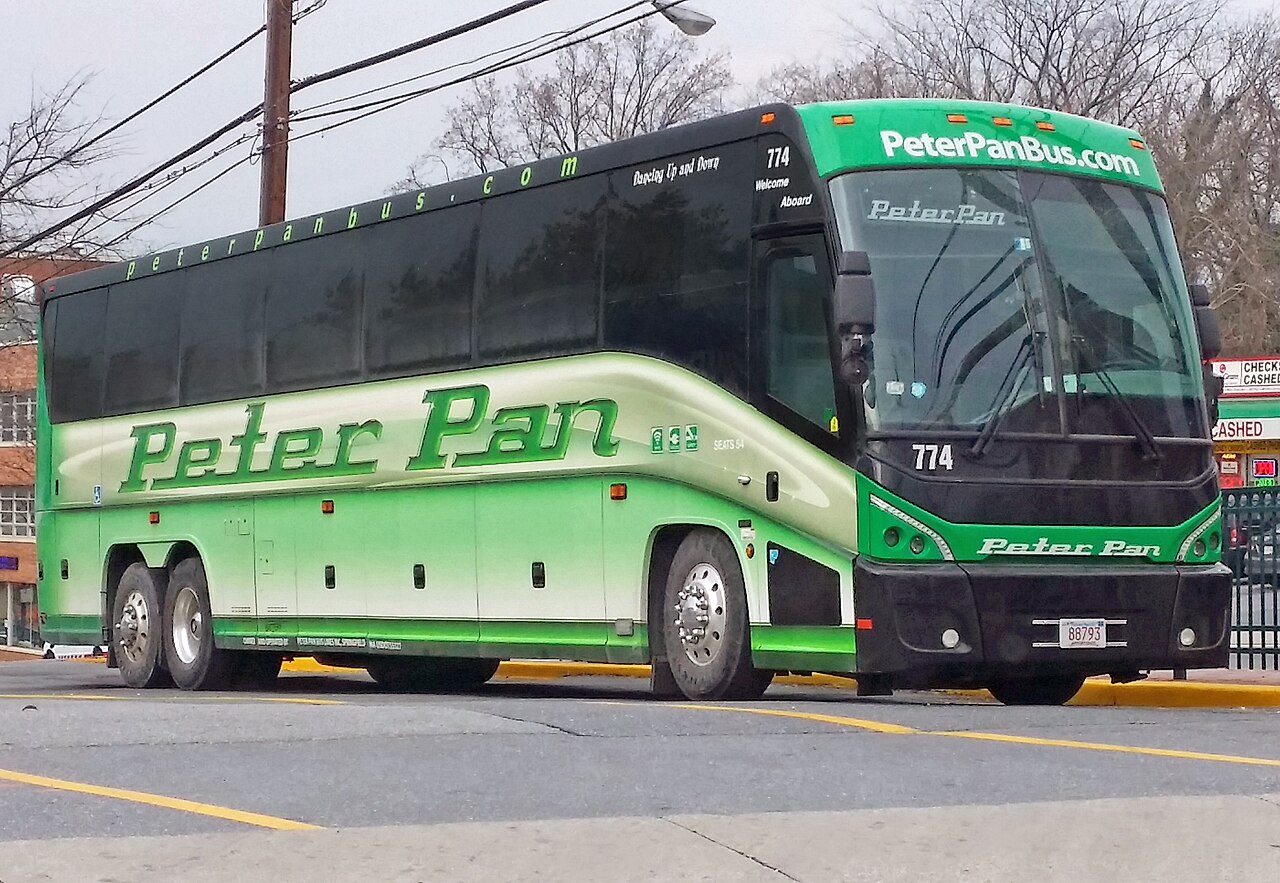
The MC-9's descendants kept the crown. The D-series — the D4500 and the curvier D4505 — carried the dependable-workhorse torch into the 2000s. Then in 2001 came the J4500, and within a few years it had eclipsed even the D-series to become the best-selling coach on the North American market, equally at home in scheduled service, charters and tours. Together the J4500, D4500 and D4505 have routinely held the top three best-seller spots in the industry's annual survey — an MCI clean sweep of the American coach market.
Surviving the long road
Defining a market is not the same as having it easy. MCI weathered the arrival of polished European rivals — Setra, Van Hool, Prevost — and more than one trip through bankruptcy as the intercity business cycled up and down. Its survival came through consolidation: in 2015 MCI was acquired by New Flyer, and today it sits inside NFI Group — the same parent that owns New Flyer and Britain's Alexander Dennis. The independent Winnipeg body-builder is now one division of a global bus group, but the MCI badge — and the coach silhouette it made famous — rolls on.
What it feels like behind the wheel
An MCI coach is a fundamentally different machine from a city bus, and a simulator makes you feel exactly why. This is a high-floor vehicle: the passenger deck rides up over a cavernous luggage bay, which puts the driver well over a metre above the asphalt. From that high seat the road reads differently — you see far down the highway, the bonnet line sits low, and the whole vehicle feels planted and long rather than nimble. There are no kneeling low-floor doors and no tight-corner city reflexes here; this is a vehicle built to eat interstate miles.
The character is in the cruise. The rear-mounted diesel sits a long way behind an insulated, sound-deadened cabin, so instead of the busy, barking note of a city bus you get a deep, distant hum settling into an effortless highway lope. Weight transfer is gentle and long-wave; you brake early and roll into stops with the mass of a loaded coach behind you. Driving an MCI well is not about darting through traffic — it is about managing a big, stable, high-floor cruiser at speed, the way the American long-distance coach was always meant to be driven.
There is no MCI coach in the catalogue yet, but if the American highway is your thing, the city-bus side of that story is alive in our GM Fishbowl history, and you can browse the North American bus mods for the lineage these coaches belong to.
Frequently asked questions
What does MCI stand for?
Is MCI an American or Canadian company?
What is the best-selling MCI coach?
Why are MCI coaches high-floor and not low-floor?
Hero image: Greyhound MCI D4505 by Adam E. Moreira, CC BY-SA 3.0, via Wikimedia Commons.