What Do Alexander Dennis Enviro Numbers Mean? 200, 300, 400 and 500
Stand at a British bus stop and you'll see them everywhere: a small white-and-coloured single-decker badged "Enviro200", a towering red double-decker marked "Enviro400", and — if you're in Hong Kong — a giant three-axle "Enviro500" swallowing a queue of fifty people without blinking. Same maker, same "Enviro" name, different numbers. And those numbers aren't random.
Alexander Dennis runs one of the cleaner naming systems in the bus world, and once you spot the pattern you can read a bus's size and shape straight off the badge. We drive several of these in Proton Bus Simulator, where the difference between a 200 and a 500 is the difference between nipping down a side street and wrestling a 12-tonne tower around a roundabout. Here's the whole ladder, decoded.
One simple rule: the number is the size
Alexander Dennis — Scotland's largest bus and coach manufacturer, based in Larbert — brands its buses "Enviro" followed by a number, and the number climbs with the bus. Bigger number, bigger vehicle and more capacity:
- Enviro200 — the compact "midi" single-decker.
- Enviro300 — the full-size single-decker.
- Enviro400 — the standard two-axle double-decker.
- Enviro500 — the big three-axle double-decker for the highest-capacity markets.
The company itself is a recent name for some very old firms. Alexander Dennis was created in 2004, when a group of Scottish investors bought the Alexander and Dennis bus businesses out of the collapse of TransBus International — itself a 2001 merger of the historic Walter Alexander, Dennis and Plaxton marques. So the "Enviro" badge is young; the engineering pedigree behind it is anything but.
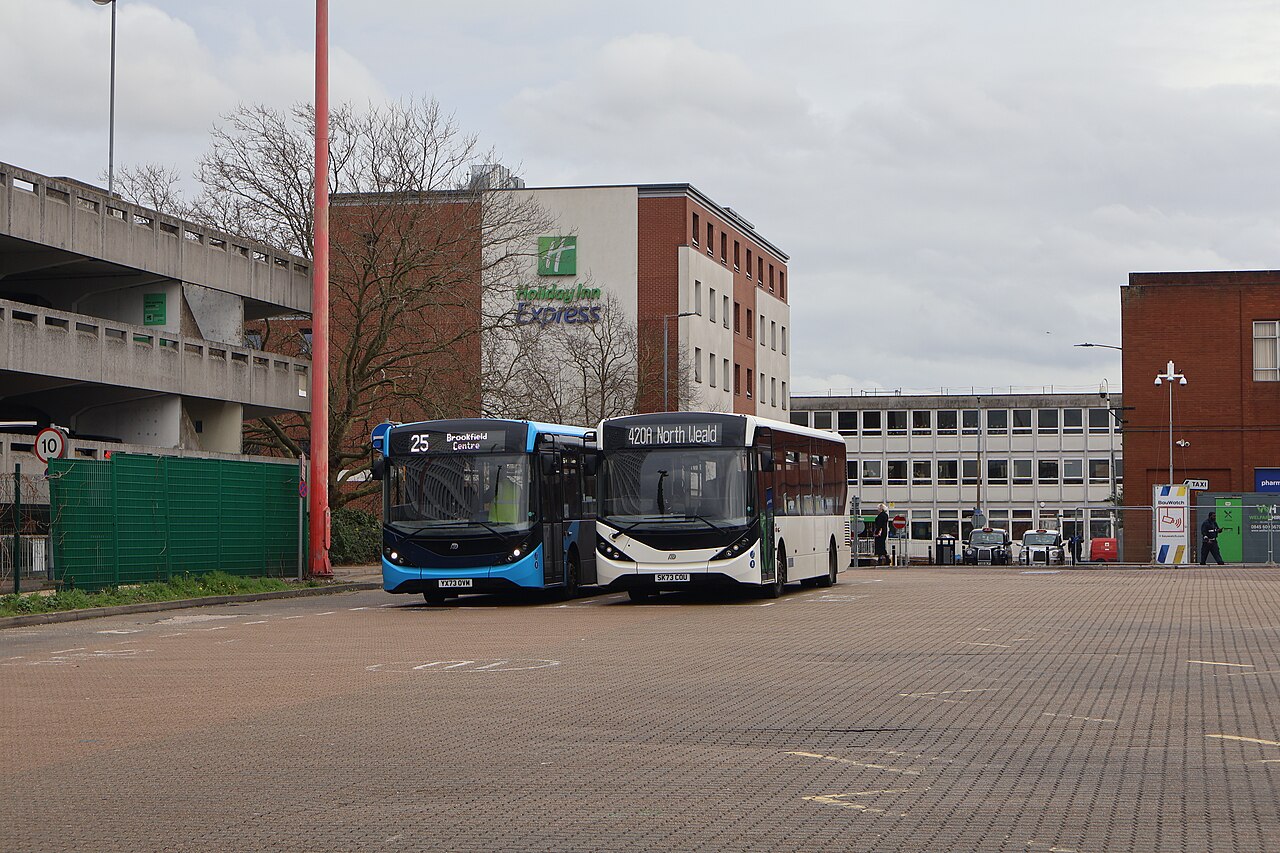
Enviro200: the midi
The smallest of the family, the Enviro200 is a midibus launched in August 2006 as the replacement for the legendary Dennis Dart SLF. It runs in a range of lengths from roughly 8.9 to 11.8 metres, which makes it the natural choice for tight historic-town routes, low-demand suburban runs and feeder services. If a route is too quiet or too narrow for a full-size bus, this is the Enviro you send. You can drive the British midi yourself with the Alexander Dennis Enviro200 mod.
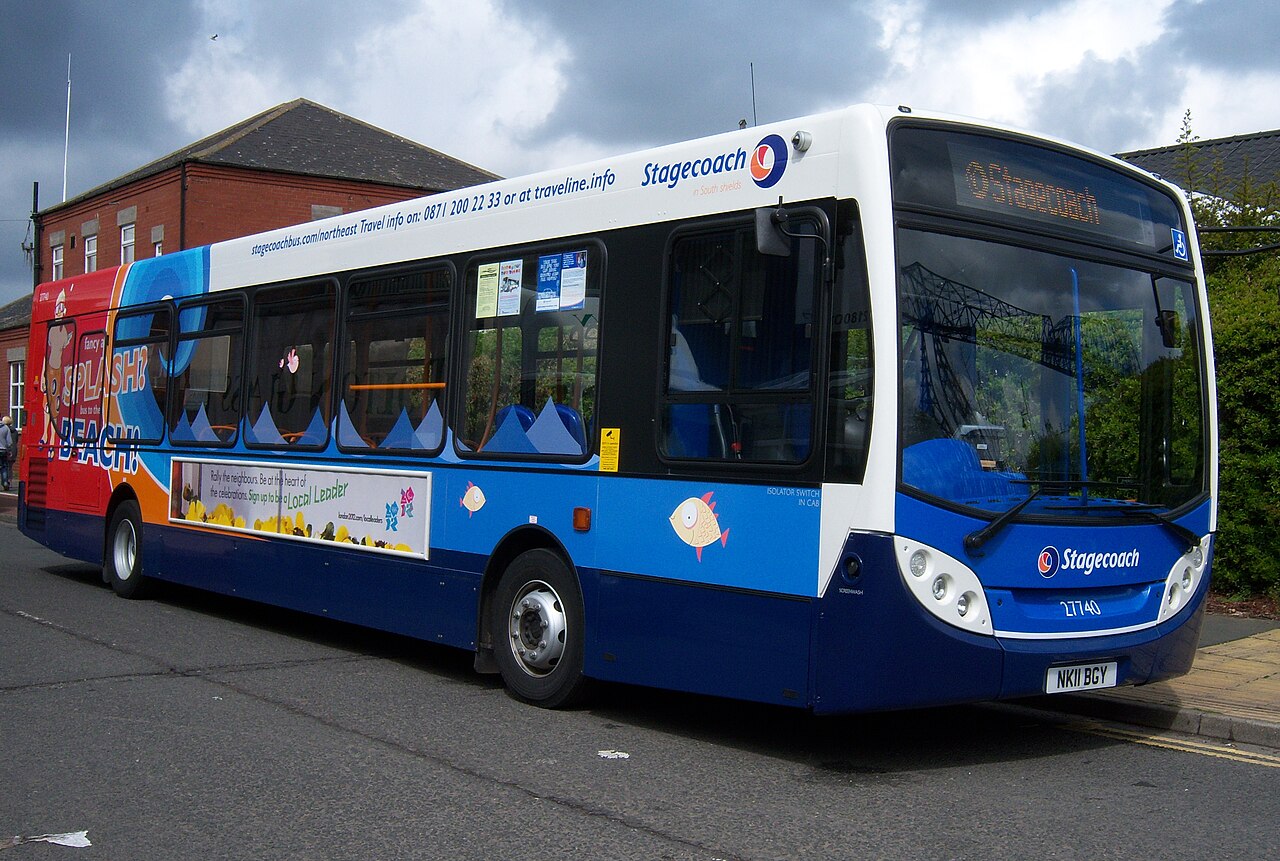
Enviro300: the full-size single-decker
Step up to the Enviro300 and you get a lightweight full-size single-decker, launched back in 2001 (originally as the TransBus Enviro300). It was designed specifically for the UK market — where buses don't usually carry the big standing loads common on the Continent — so Alexander Dennis built it light to save fuel while still offering plenty of seats. It's the workhorse single-decker for longer, busier urban and interurban routes that don't need a second deck.
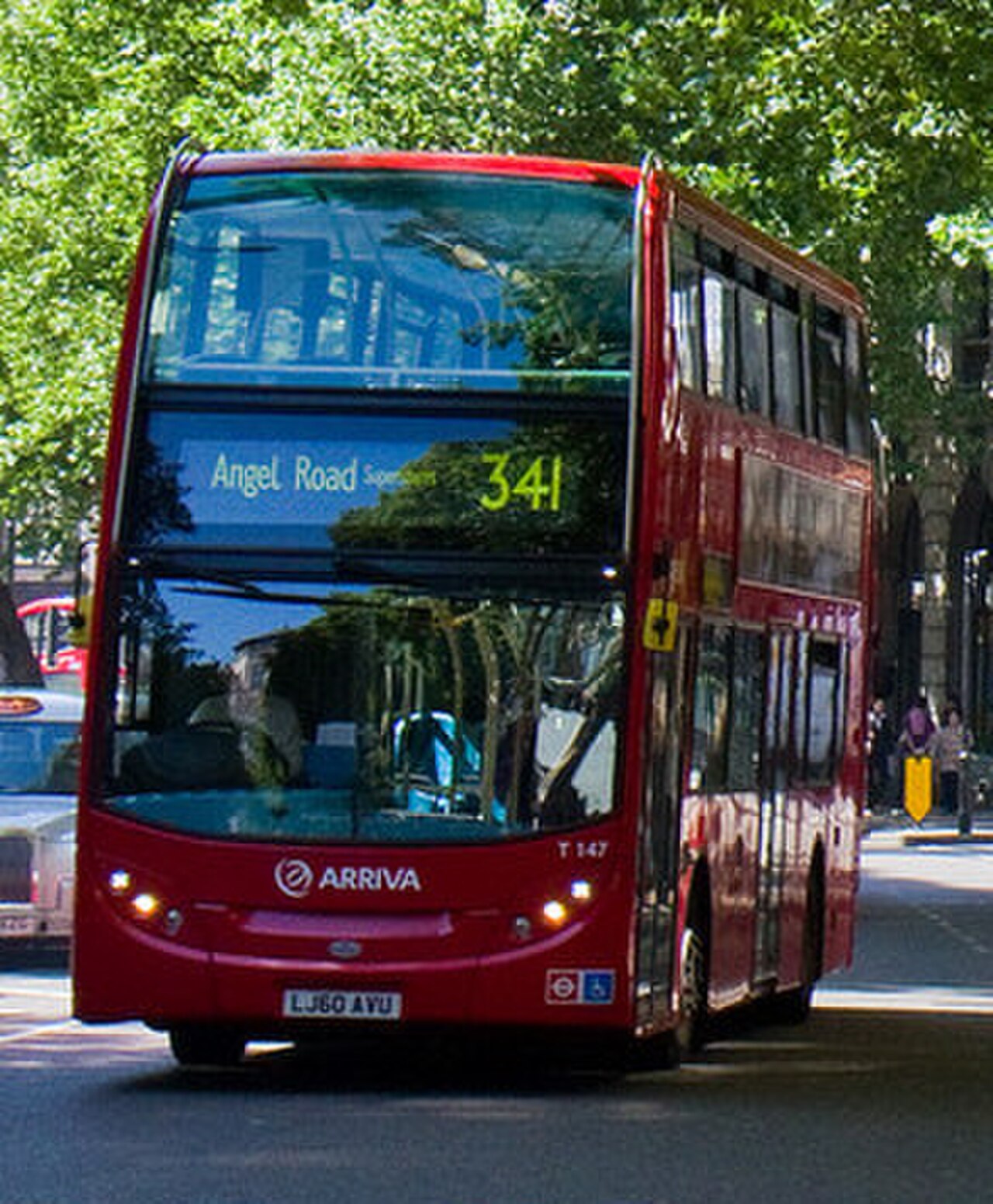
Enviro400: the double-decker
Cross into four-hundred territory and the bus grows a second floor. The Enviro400 is a twin-axle low-floor double-decker built from 2005 to 2018, and it's one of the defining shapes of modern British streets, from London night buses to provincial city routes. Its chassis was developed from the Dennis Trident 2 — early examples were even still badged "Trident" — and it runs roughly 10.2 to 11.4 metres long. In London it shared the road with the Volvo B9TL, the other great double-decker of the era (the subject of our Volvo B-series history).
Enviro500: the big one — and what 'MMC' means
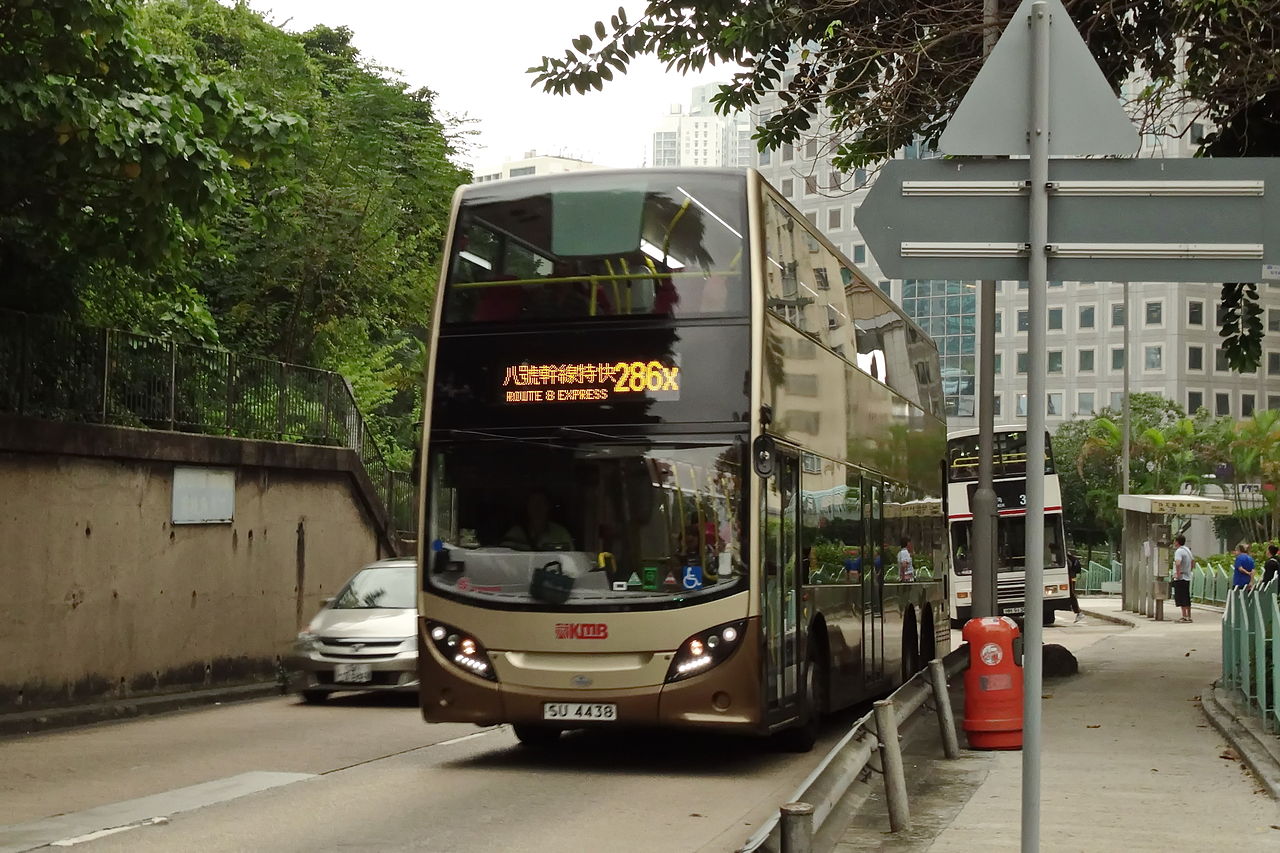
The Enviro500 is the giant of the family: a three-axle double-decker, longer and taller than the 400, built for the highest-capacity markets on earth. The current version, the Enviro500 MMC, has been produced since 2012 and stretches to 12.8 metres. Hong Kong is its heartland — Kowloon Motor Bus alone ordered 329 of the new generation in 2012 — and it sells across export markets like Singapore, where SMRT took over a hundred.
That "MMC" on the badge trips a lot of people up. It stands for Major Model Change: Alexander Dennis's term for the comprehensive 2012-era restyle of the Enviro line, with new bodywork and interiors. You'll see the same suffix on the Enviro400 MMC and Enviro200 MMC. Drive the Hong Kong flagship in the Enviro500 MMC (KMB spec) mod.
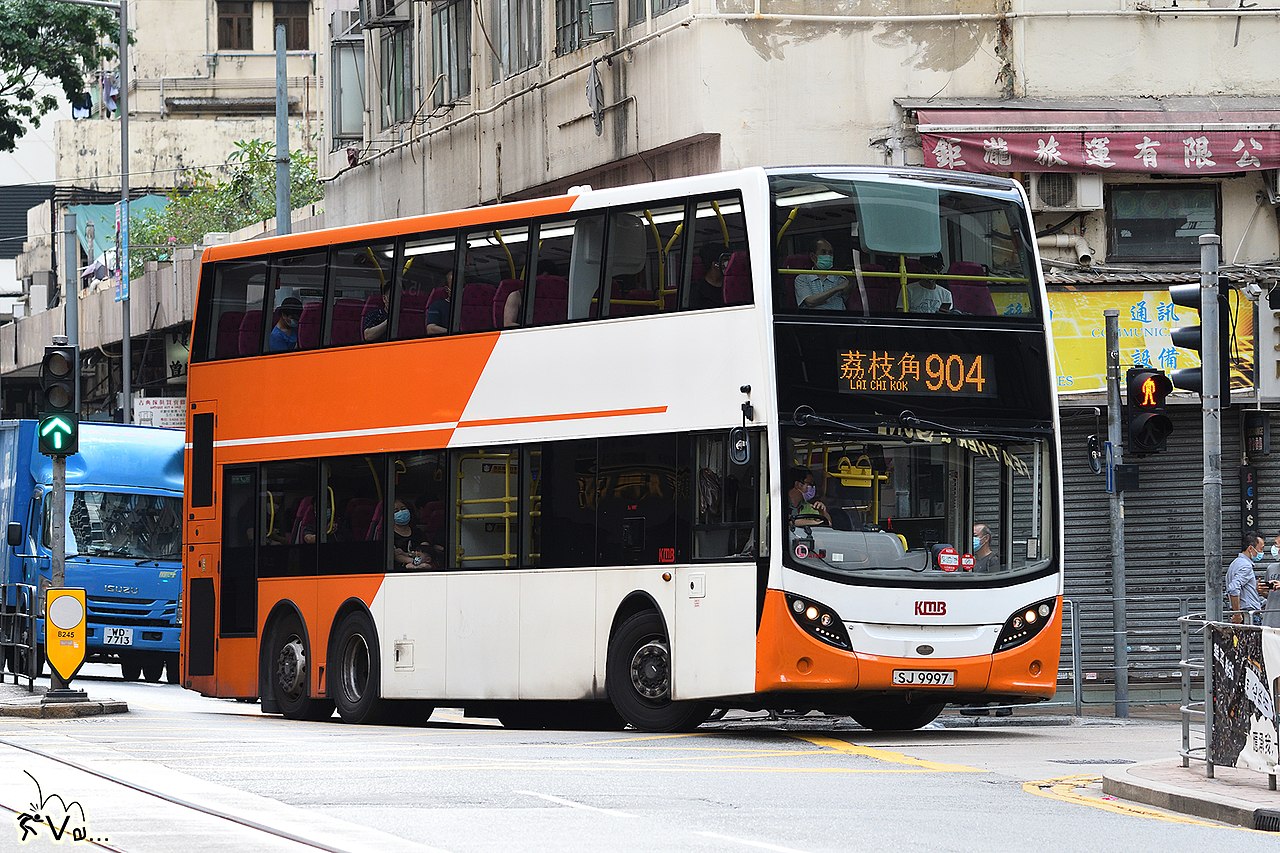
That third axle is exactly what you feel in the cab. An Enviro500 sits tall and heavy, so it leans noticeably as you commit to a roundabout, and the rear tag axle changes how the back end tracks through a turn — you place the nose differently than you would in a two-axle 400. Add the upper deck pitching forward under braking and you're driving a genuinely big machine. Reading "500" on the badge is reading "respect the mass."
The rare left-hooker: Mexico City's Reforma fleet
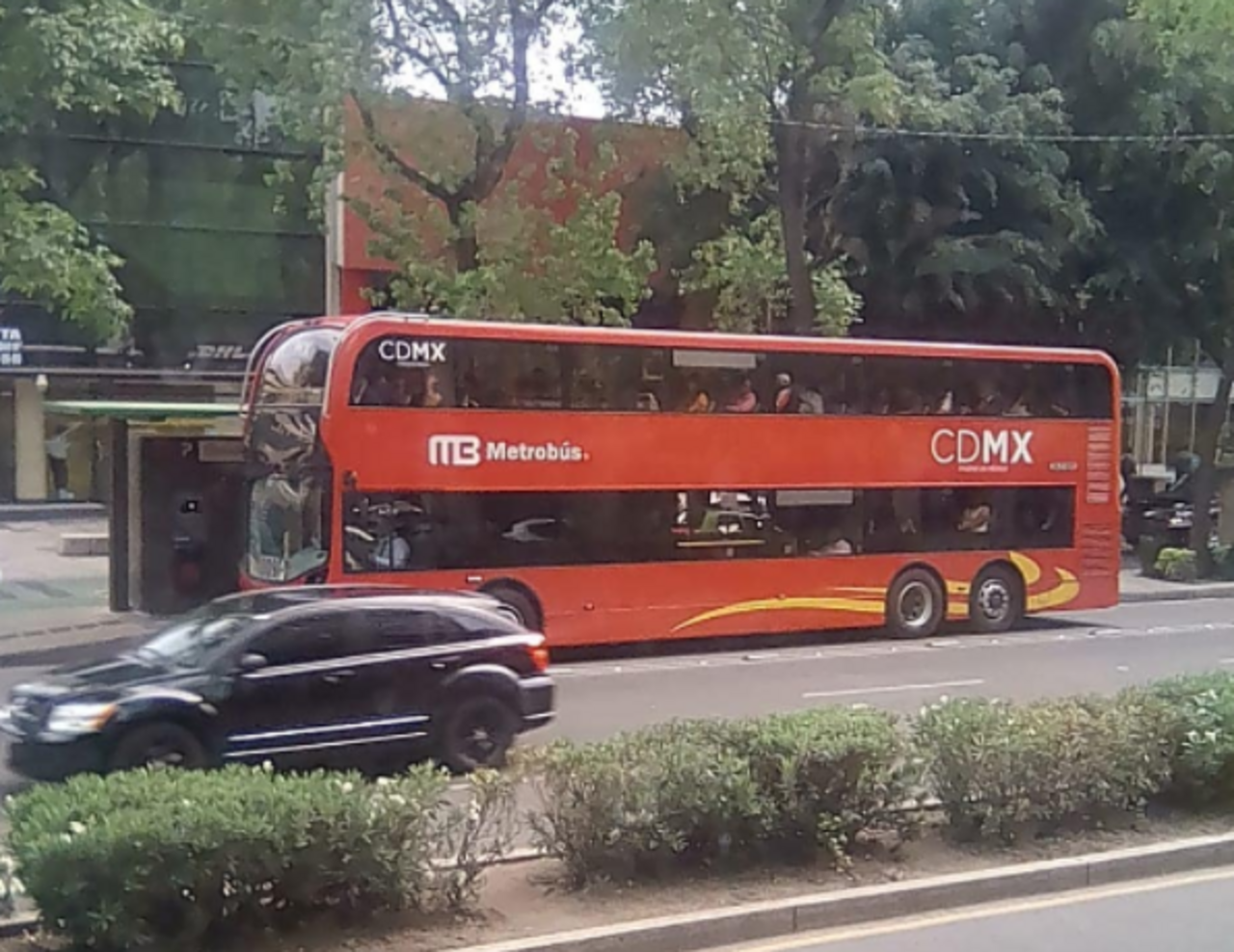
Almost every Enviro500 drives on the right-hand side of the cab, because its big markets — Hong Kong, Singapore, the UK — drive on the left. Mexico City is the striking exception. From March 2018, the city put a fleet of 90 left-hand-drive Enviro500s onto Metrobús Line 7, running double-deckers down the grand central avenue of Paseo de la Reforma. It's one of the rarest configurations of the platform anywhere, and you can drive the left-hooker in the Enviro500 Metrobús CDMX mod.
Reading the Enviro from the driver's seat
It really is that simple: the Enviro number tells you the size, and the size tells you the drive. A 200 darts; a 300 cruises; a 400 carries a crowd up top; a 500 is a tower on three axles. The "MMC" suffix just means you're looking at the modern, restyled generation. None of it is marketing noise — every part of the name is information.
The best way to feel the steps in the ladder is to drive them back to back. Our full collection of Alexander Dennis mods lets you jump from the midi 200 to the three-axle 500 and feel exactly what each hundred adds.
FAQ
What does the number in an Alexander Dennis Enviro name mean?
What does "MMC" mean on an Alexander Dennis bus?
What's the difference between an Enviro400 and an Enviro500?
Why does the Enviro500 have three axles?
Hero image: a Kowloon Motor Bus Alexander Dennis Enviro500 on Castle Peak Road, Hong Kong. Photo: Mk2010, CC BY-SA 4.0, via Wikimedia Commons.