What Do New Flyer Bus Codes Mean? Decoding Xcelsior XD, XDE, XE and XHE
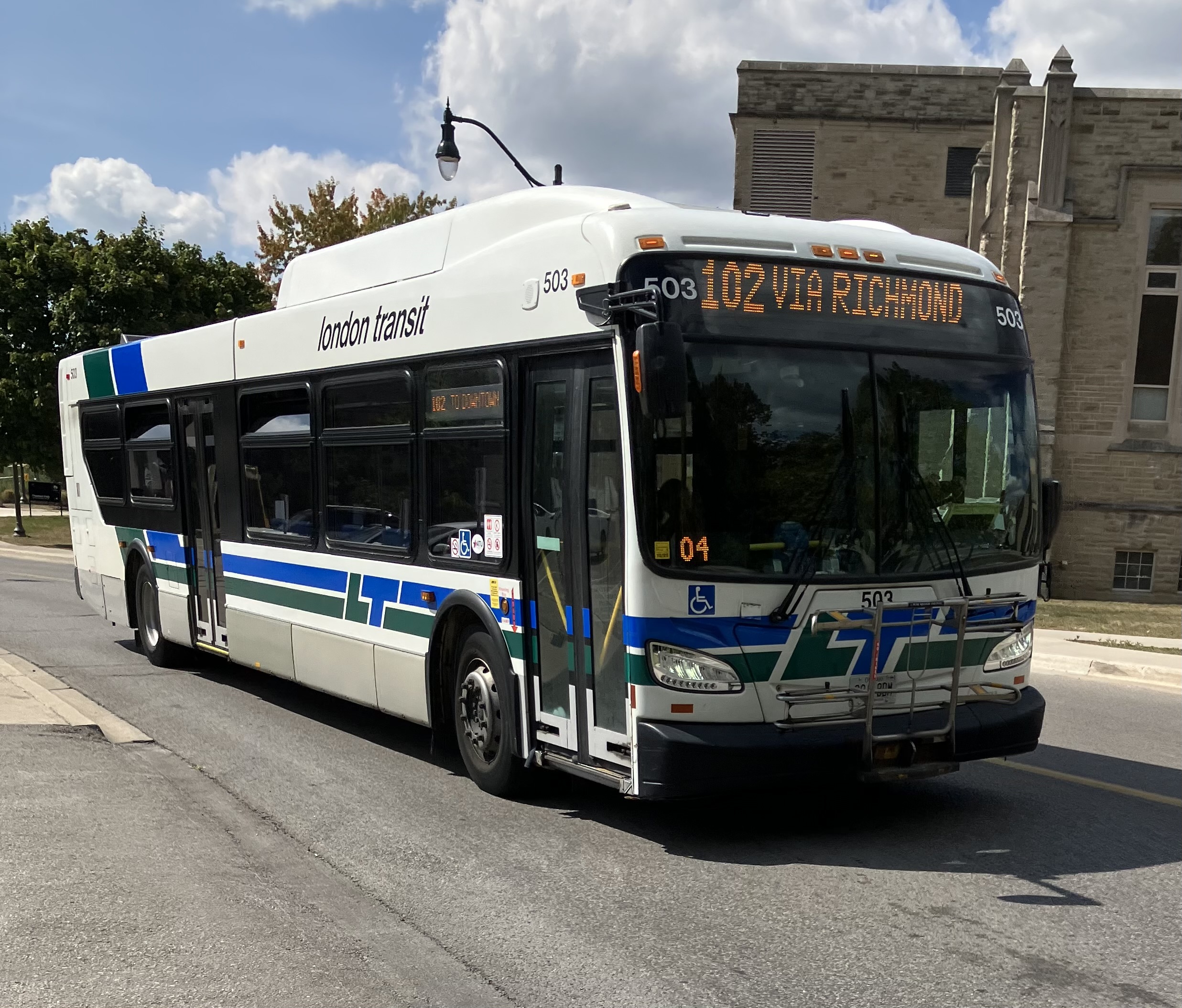
Ride a city bus almost anywhere in the United States or Canada and there's a good chance it's a New Flyer — and that it wears a cryptic little code like XD40, XDE60 or XE40. It looks like a password. It's actually a sentence, read left to right: the platform, then how it's powered, then how long it is.
Better still, the powertrain letter in the middle is the single best predictor of how the bus sounds and drives — which makes these codes worth knowing whether you're waiting at a real bus stop or picking a mod to drive in Proton Bus Simulator.
Cracking the Xcelsior code
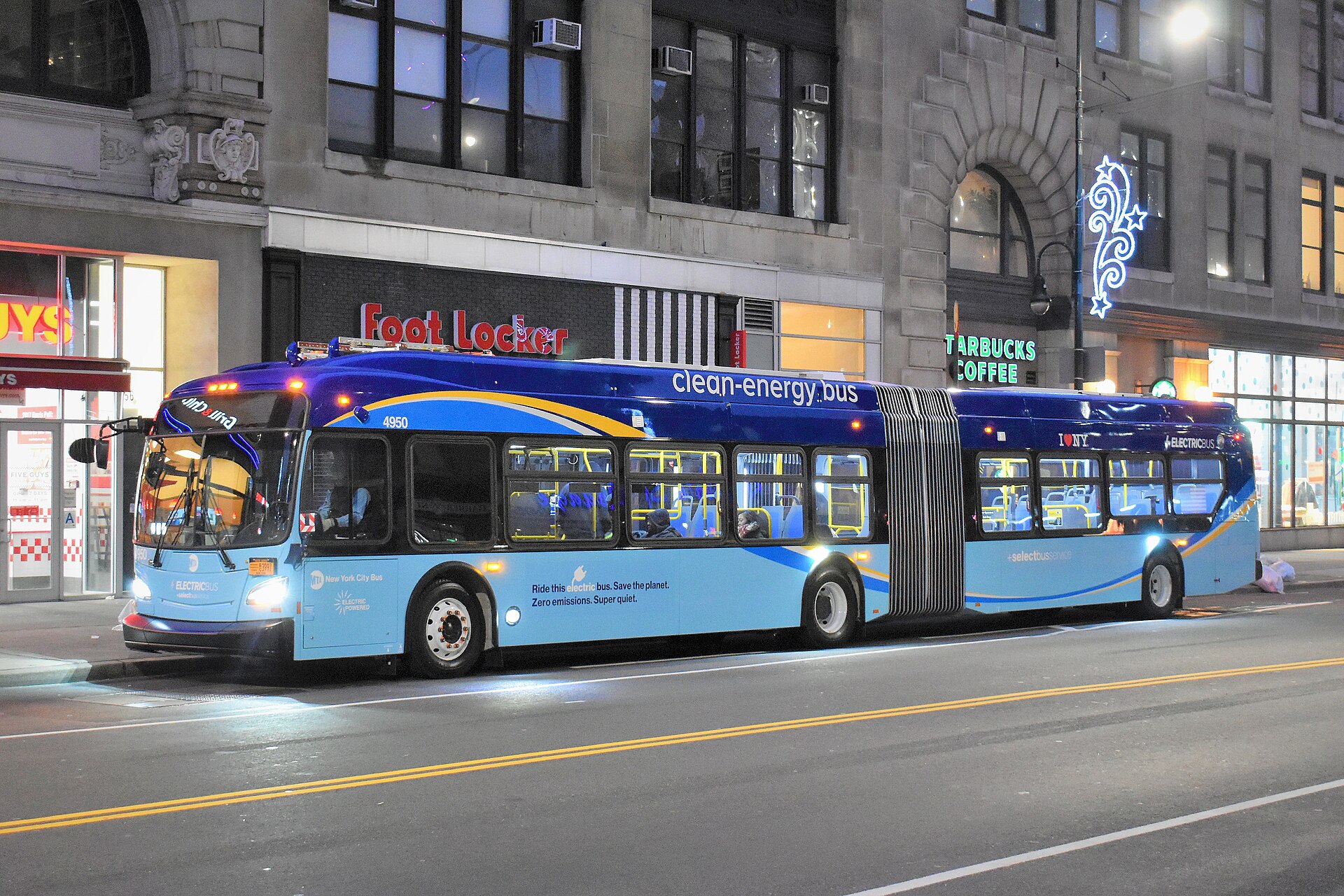
Almost every modern New Flyer is an Xcelsior, the platform that "made its public debut in October 2008 at the triennial APTA Expo." That's the X. After it comes a propulsion code, and then a number for the length in feet. As the reference puts it: "an XD40 is a diesel-powered, 40-foot rigid bus; while an XE60 is a battery-electric, 60-foot articulated bus." Once you see that pattern, every New Flyer badge unlocks.
The propulsion letter is the whole personality
This is the part that matters most. The letters between the X and the number tell you exactly what's driving the bus:
- XD — conventional diesel. The traditional workhorse: a big diesel, an audible engine, the familiar transit growl.
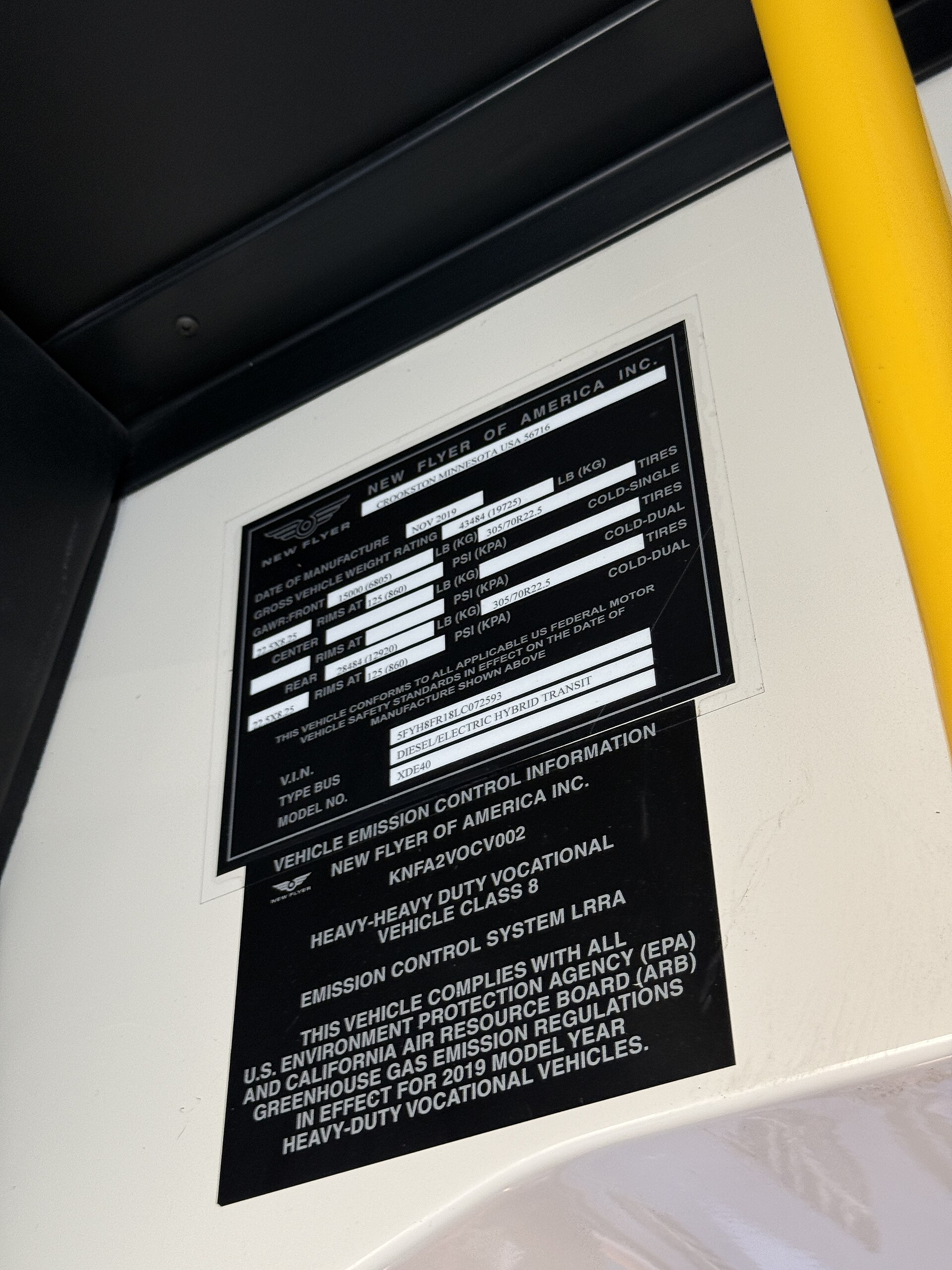
- XDE — diesel-electric hybrid. A diesel paired with an electric drive that recovers braking energy and smooths the launch.
- XE — battery-electric. Pure battery power: silent, no gearbox, instant torque off the line. New Flyer sells these as the Xcelsior CHARGE family.
- XHE — hydrogen fuel cell. Zero-emission like the battery bus, but it makes its own electricity from hydrogen — New Flyer's Xcelsior CHARGE FC.
- XN — compressed natural gas (CNG), and XT — electric trolleybus, round out the family.
So the difference between an XD40 and an XE40 isn't trim or livery — it's two completely different drivetrains under an identical-looking body.
35, 40, 60: the American size standard
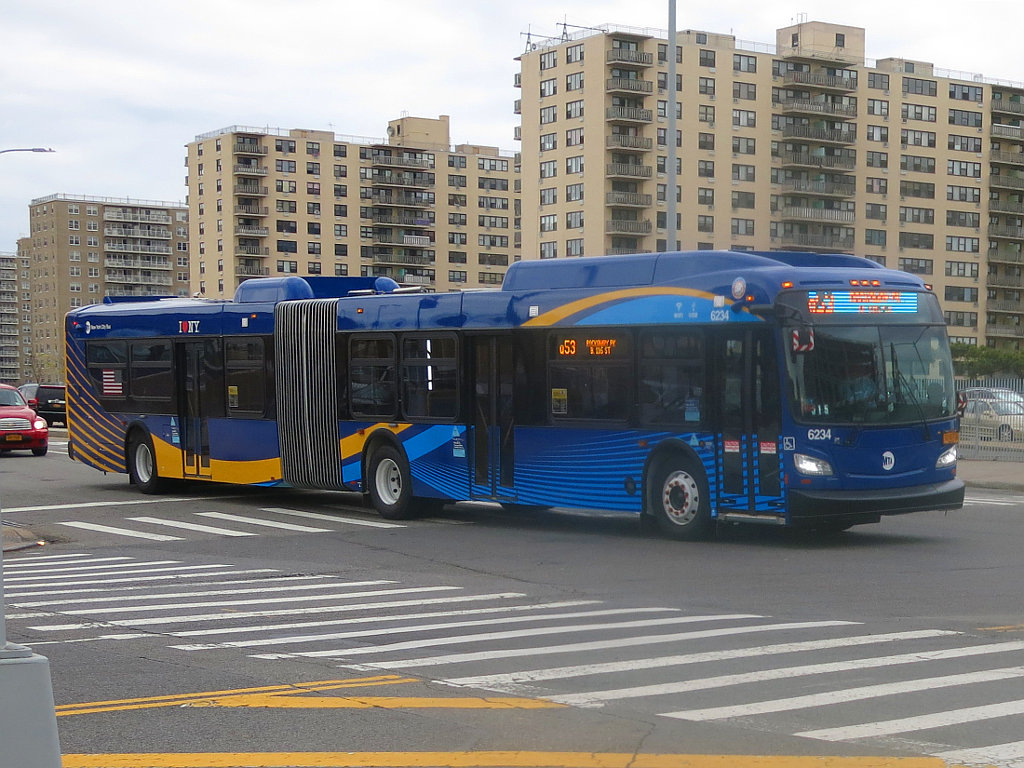
The number is simply the length in feet: 35 and 40 are rigid single-deckers, and 60 is articulated. The 40-foot bus is the backbone of North American transit — so standard that "40-footer" is shorthand for "a normal city bus" across the continent. When an agency needs more capacity on a busy trunk route, it steps up to the 60-foot articulated version, the XD60 or XE60, North America's answer to the high-capacity work that European cities hand to big articulated buses like the MAN Lion's City GXL.
The badge is a clock: reading the energy transition
Line the suffixes up and you're looking at the history of clean transit in one alphabet. The fleets started on XD diesel, hedged with XDE hybrids, and are now moving hard to XE battery-electric and XHE hydrogen. New Flyer — the largest transit bus manufacturer in North America, with over 16,000 Xcelsiors delivered — now builds the same body in every one of those flavours, so the badge on the back literally dates where an agency sits on the road to zero emissions.
What the suffix feels like in the simulator
That middle letter is the one you feel through the pedals. An XD diesel gives you the classic transit experience: engine noise, a moment of turbo lag, gearchanges as it builds speed. An XE battery bus is the opposite — near silence, no gears, and full torque the instant you touch the accelerator, so it leaps away from the stop in a way no diesel can. Reading "XE" before you pull away tells you the launch will be clean, immediate and quiet.
There's no New Flyer in the catalog yet, but you can feel the same diesel-versus-electric divide today: take the hybrid Yutong H12 or the battery-electric Mascarello BYD for the quiet, instant-torque side, then jump into a diesel city bus and feel the difference the suffix makes. Browse the wider North American bus mods, and if you want to decode the chassis under a diesel bus the same way, our Scania naming guide does for engines what this one does for propulsion.