What Do Yutong Bus Codes Mean? ZK6125, ZK6140 and the E/U Electric Series
Yutong builds more buses than anyone on Earth — around 150,000 a year — so if you drive city routes anywhere from Santiago to Astana, you have probably shared the road with one. And yet its model badges look like a serial number a machine spat out: ZK6125, ZK6140, ZK6660. They are not random. Each one is a small code that tells you the bus's length and its job.
Once you can read it, a Yutong badge stops being a mystery and starts being a spec sheet. Here is how the code works — and how to drive every part of it in the simulator.
Start with the badge: ZK is the maker's stamp
Almost every Yutong rolls with a ZK at the front of its code. Think of it the way you'd read a maker's prefix on any Chinese bus: KLQ means Higer, XMQ means King Long, and ZK means Yutong. It is the manufacturer's own type-code — the stamp that identifies the factory on the vehicle's Chinese type-approval paperwork. Yutong doesn't publish what the two letters stand for, so the honest read is simply: ZK = a Yutong. Everything useful is in the numbers that follow.
The number is the length
Here is the part worth memorising. The digit block after ZK carries the size. The first digit — the 6 that starts nearly every Yutong number — isn't a size at all: in the Chinese vehicle-model convention it marks the vehicle class, and 6 is a passenger bus. The digits right after it track the length.
- ZK6125 → about 12 metres — a standard full-size city bus.
- ZK6140 → about 14 metres — a stretched, three-axle high-capacity bus.
- ZK6660 → about 6.6 metres — a compact minibus (read the "66" as 6.6).
It is a rough guide, not a precise formula — the point is that a bigger middle number means a longer bus. Learn to glance at those two digits and you can size up any Yutong on sight.
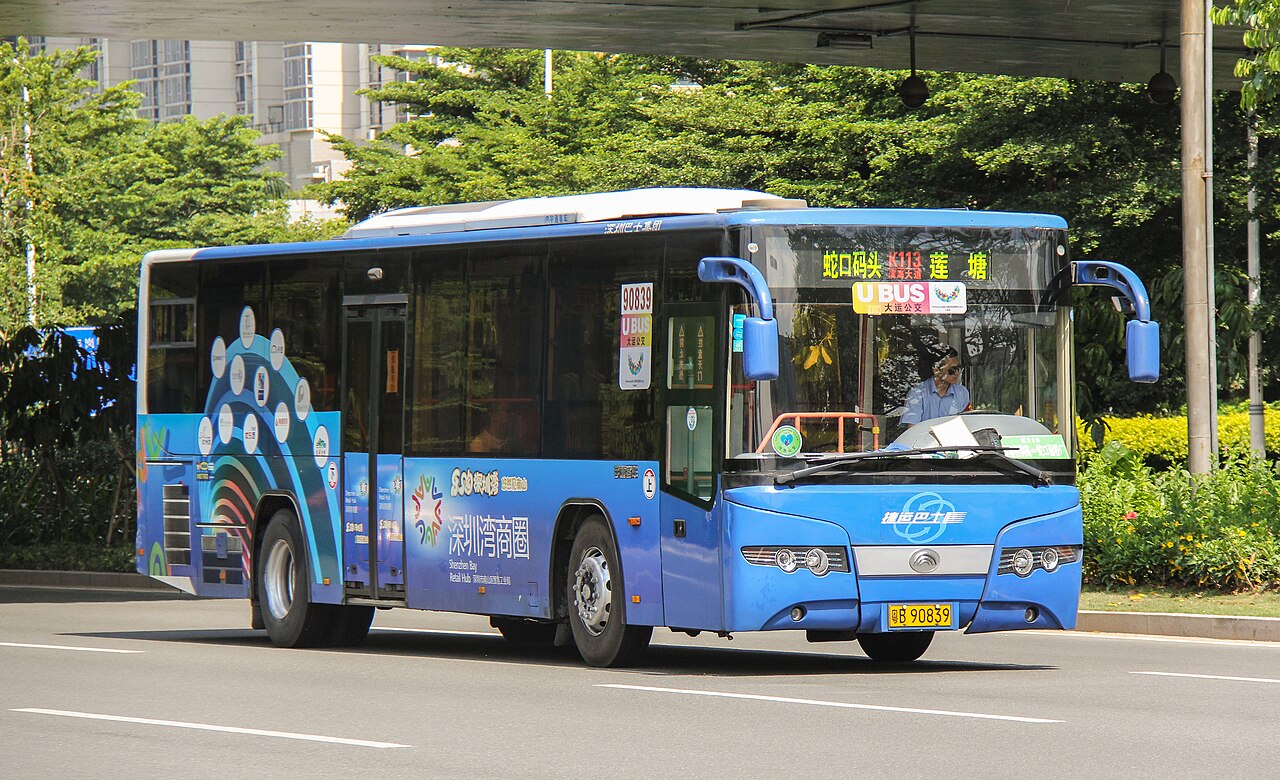
The letters after the number: city bus or coach
The letters trailing the number mark the body and the job. On Yutong's own product pages, an HG tag sits on the standard city buses, while a plain D marks the intercity coaches — the higher-floor machines built for the road between towns, not the stop-start city loop. Yutong stacks extra letters for the powertrain, too (a BEV block flags a battery-electric version, for example). It doesn't publish a tidy master key for every letter, so the safe way to read the suffix is "variant and duty" — city or intercity, diesel or electric — rather than decoding it letter by letter.
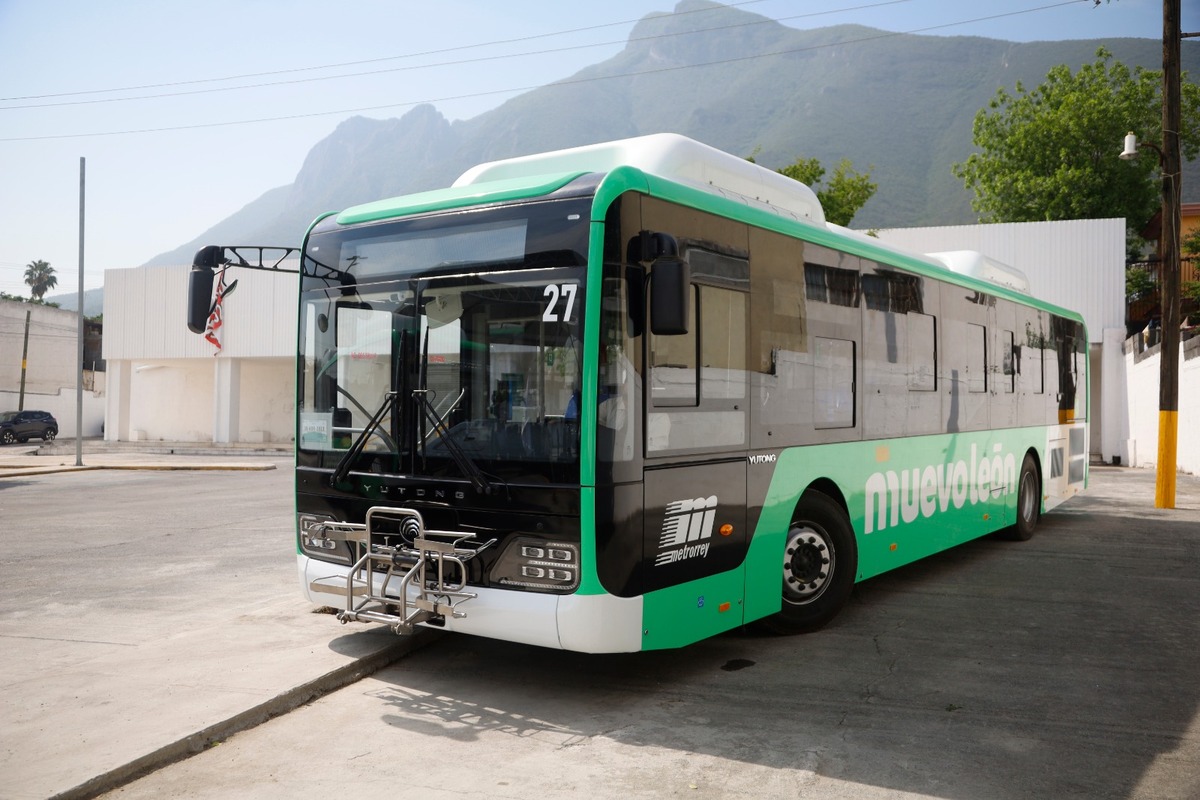
The new badges: the E-series and U-series go electric
Yutong's newest buses hide the ZK code and wear a cleaner product name on the flank instead — because the future is electric, and Yutong has sold more electric buses than almost anyone alive. Two families matter.
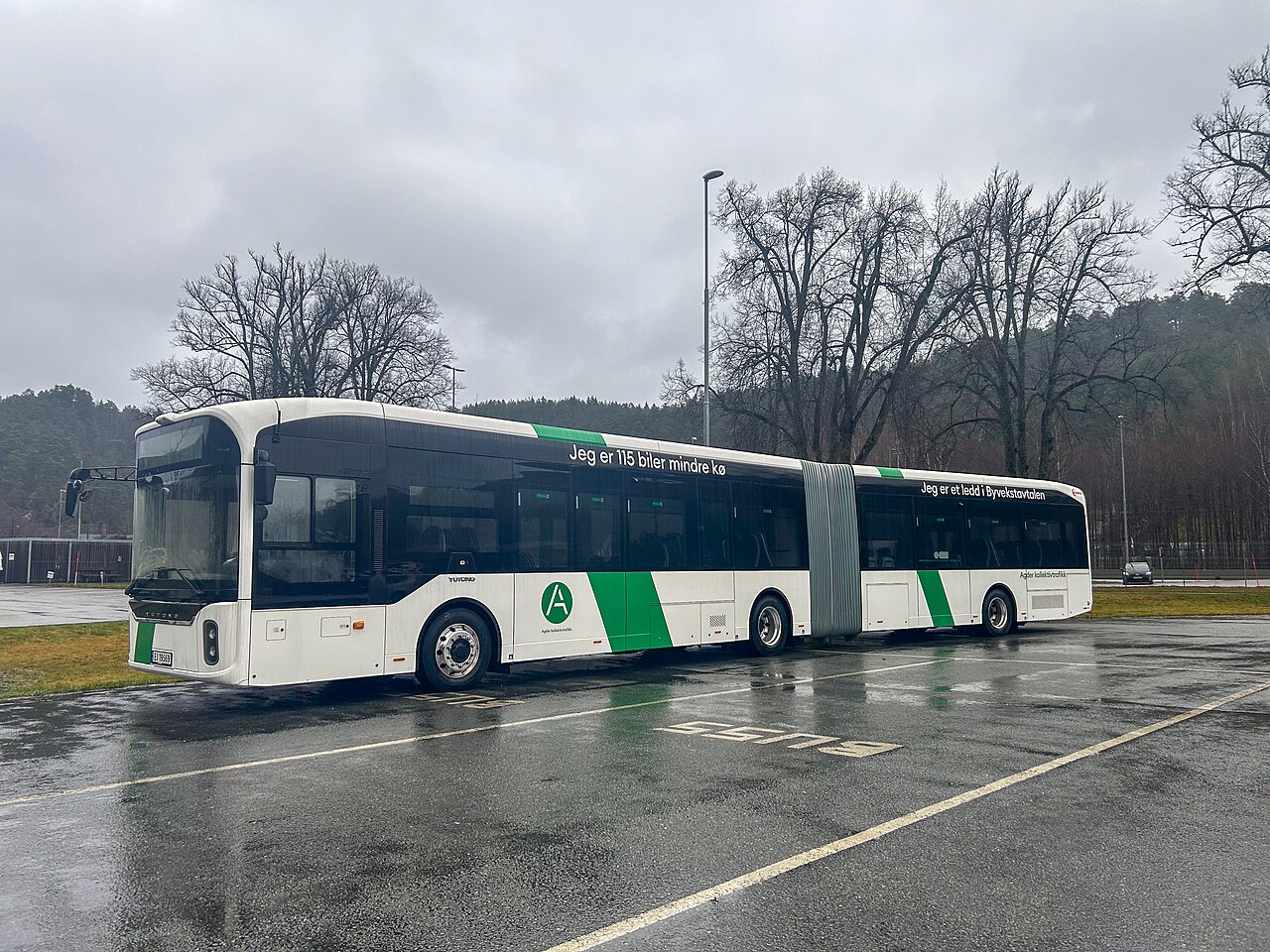
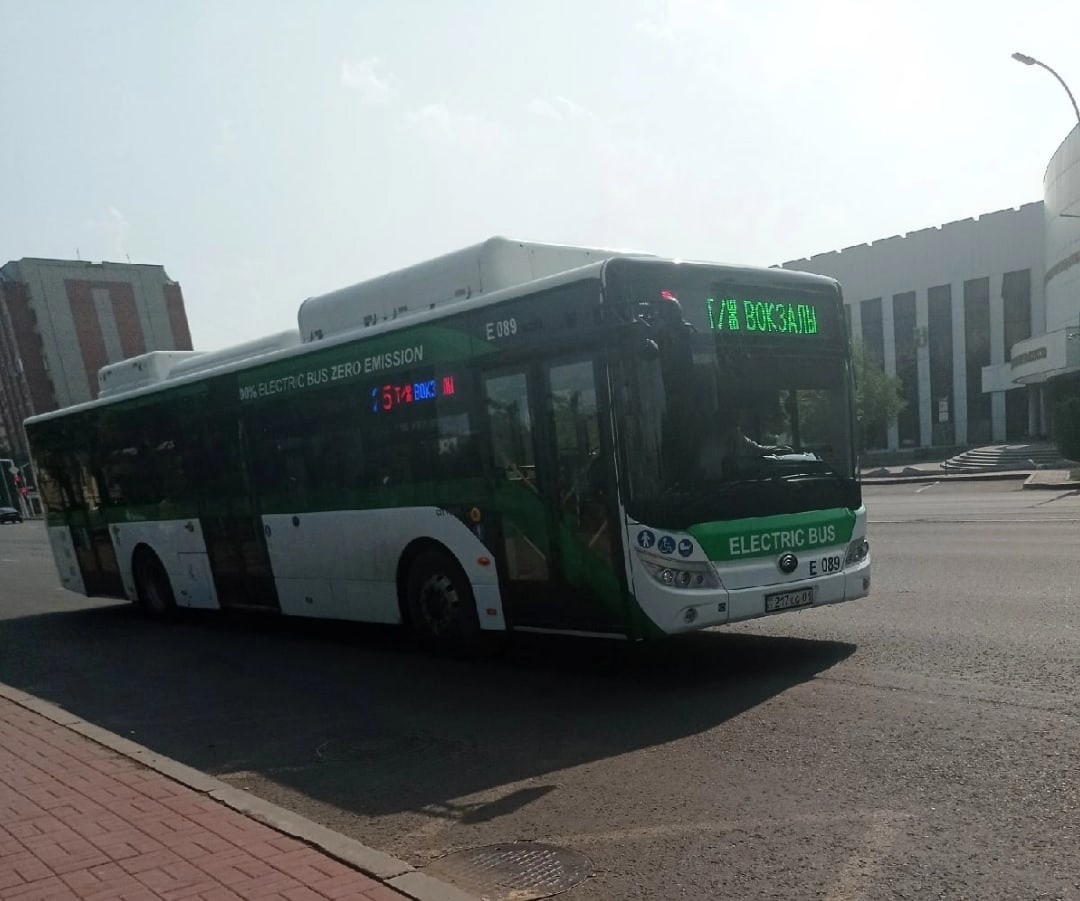
The E-series is the battery-electric city range, and it keeps the length trick: an E10 is about 10.9 metres, an E12 about 12.2 — the number is still roughly the length in metres. The U-series is the newer, higher-specified electric platform that stretches the idea both ways: a compact U10 at 10.6 metres, an articulated U18 at 18.2, even a U11DD double-decker. Underneath the marketing name, the old ZK type-code is still there — the electric bus in the photo below is badged E12 but is officially a ZK6128BEVG — but the name that matters now is the letter and the number.
What the codes feel like in the simulator
Once you can read the badge, you can predict the drive before you pull away. A ZK6140 tells you it is a 14-metre, three-axle bus: long and heavy, with a steered tag axle at the back that you have to think about through tight corners. An E12 or any E-series badge promises the electric feel — no gearchange, no diesel growl, just instant torque off the line and the faint whine of the inverter. And a U18 warns you there is a joint in the middle: swing wide through the roundabout, or the rear section cuts the corner and clips the kerb. The code isn't trivia — it is a spec sheet you can read at a glance, and it changes how you drive before you have moved an inch.
Read the badge, then drive it
You can drive the whole code in Proton Bus Simulator. The catalog runs the 12-metre ZK6125 as the Yutong H12, the three-axle ZK6140 as the H14, the little ZK6660GF minibus, and the electric future in the E-series and the articulated U18. Start with the full-size city bus, then browse every Yutong mod to drive the badges you can now read on sight. For the bigger story of how this Zhengzhou maker got so big, see the rise of Yutong.
FAQ
What does ZK mean on a Yutong bus?
How do you read the length from a Yutong number?
What is the difference between Yutong's E-series and U-series?
Sources
- Yutong — Wikipedia — the world's largest bus maker by volume (~150,000 vehicles a year).
- Yutong E10 — Wikipedia — E-series battery-electric city bus, 10.9 m, built since 2016.
- Yutong U18 — official product page — 18.17 m articulated electric bus (U-series).
- Yutong ZK6126HG — official product page — HG suffix on a standard 12 m city bus.
- Yutong ZK6140 — ChinaBuses — the ~14 m, three-axle high-capacity bus.
Hero image: Yutong U18 by Ksordal, CC BY 4.0, via Wikimedia Commons. Full per-image credits appear in each caption above.