What Is FlixBus? How a Green Startup Rewired Long-Distance Coach Travel
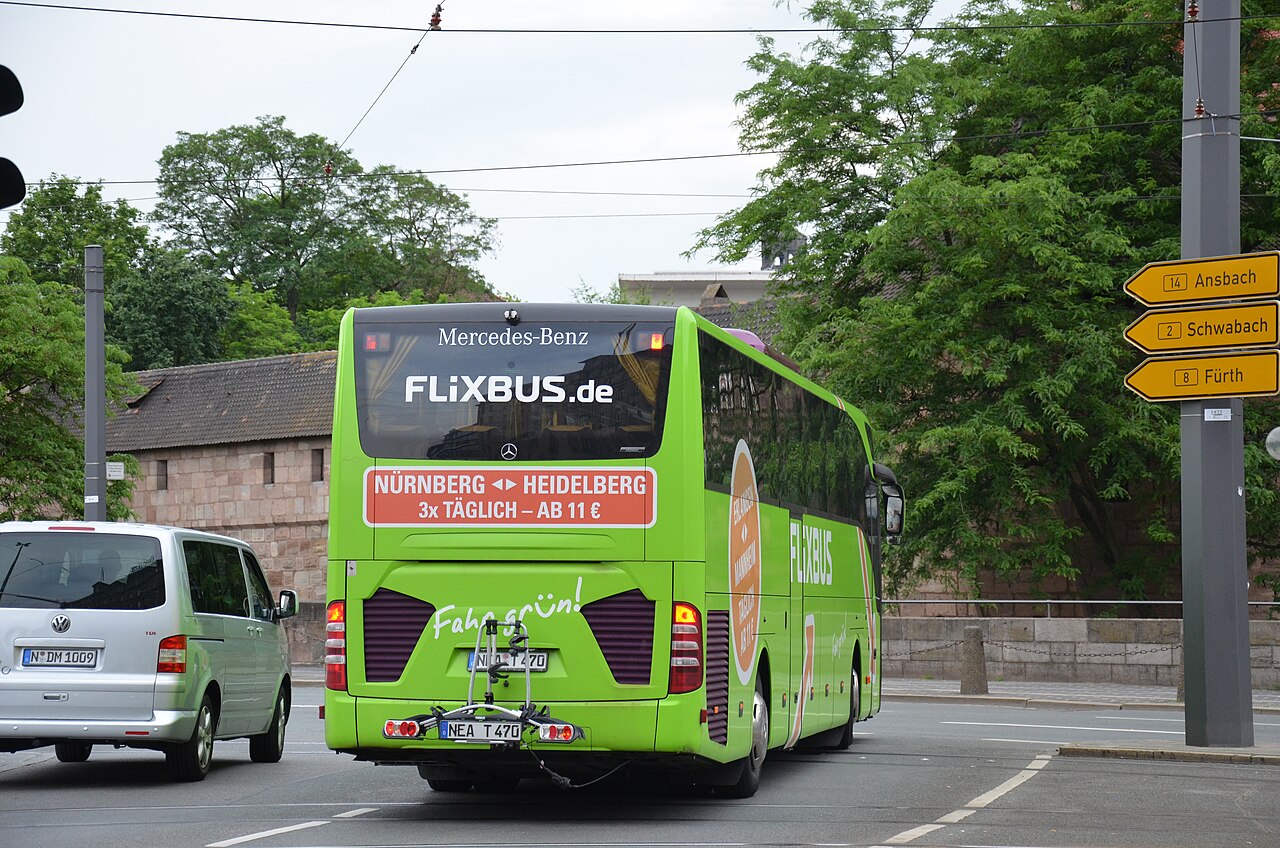
Travel almost any motorway in Europe and you'll see them: bright-green coaches with FlixBus down the side, running city to city, country to country. It looks like one of the biggest bus fleets on the continent. Here's the twist — FlixBus barely owns a single one of those coaches.
FlixBus is less a bus company than a technology company that happens to move millions of people. Understanding how that works explains why those green coaches are everywhere, why they wear a dozen different manufacturers' badges under the paint, and how a startup ended up buying America's most famous bus line.
A startup, not a bus company
FlixBus began running its first routes in 2013 — and the timing was everything. On 1 January 2013, Germany deregulated its long-distance coach market, ending roughly 80 years of rules that had protected the railway from bus competition. Overnight, anyone could run an intercity coach line. A small Munich team launched three routes in Bavaria to seize the moment, and FlixBus was born.
It didn't win alone. In 2015 it merged with its biggest rival, MeinFernbus, and the combined green giant quickly came to dominate the newly-opened German market — then spread across Europe. What started as a deregulation land-grab became the largest long-distance coach network on the continent.
The asset-light trick: a tech company that moves people
Here's the model that makes FlixBus unusual. It splits the job in two. FlixBus owns the brand, the app and booking system, the route network, the pricing, the marketing and the customer service. Its regional bus-operator partners — often small, family-run firms — own the actual coaches, employ the drivers, and run the day-to-day operations. As Wikipedia puts it, FlixBus "just handles network planning, scheduling, pricing, booking and marketing… on behalf of over 1,000 bus operators."
That is why the model is called asset-light: FlixBus scaled across a continent without buying a giant fleet or hiring thousands of drivers. It grew like a software platform, not a transport company — and the partners get a national brand and a full booking system they could never build alone.
Many badges under the green
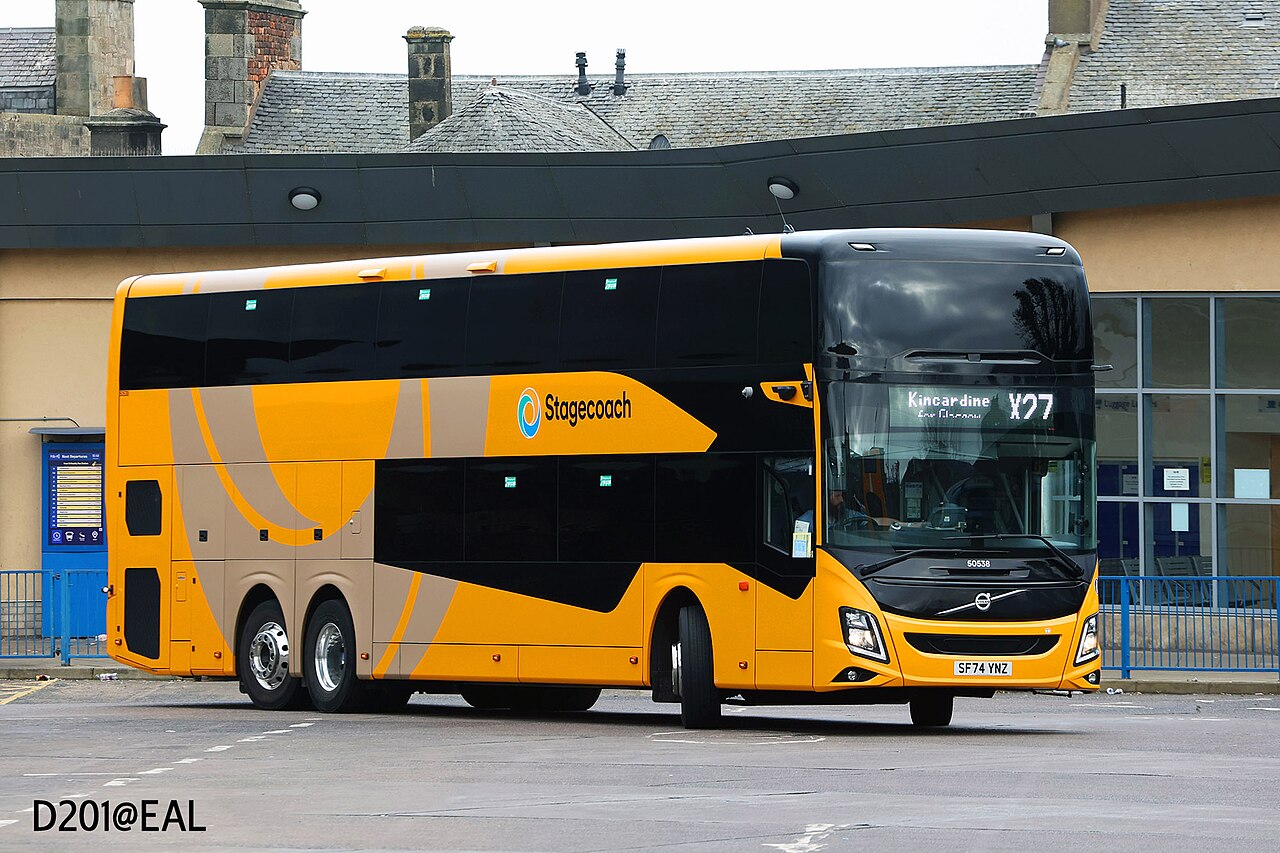
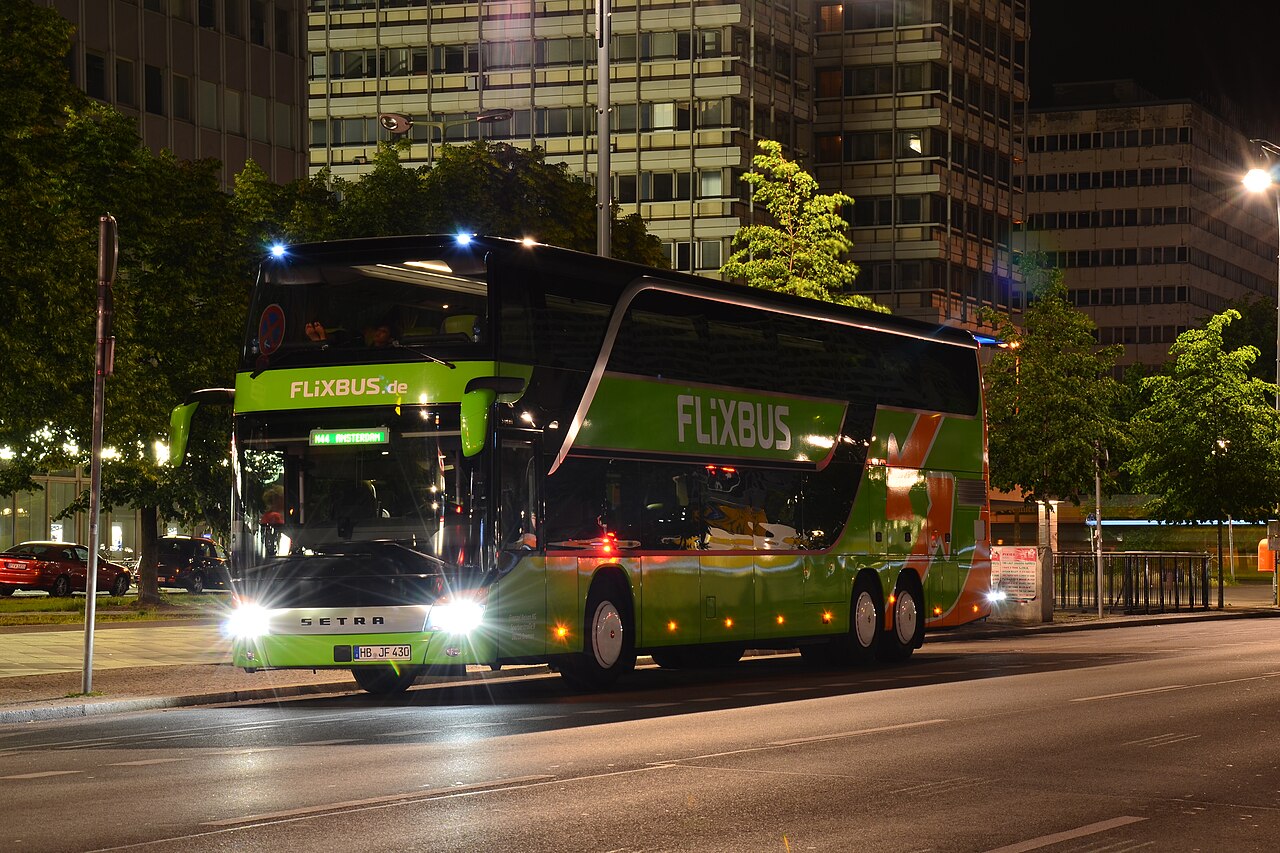
Because the coaches are partner-supplied, a FlixBus fleet is a mix of whatever standard European touring coaches those operators happen to run. The machines most often seen in the green livery are the Mercedes-Benz Tourismo and various Setra coaches — the workhorses of European long-distance travel — with makes like Irizar and Volvo turning up too. The uniform is the one thing every partner must match: the green paint and the FlixBus logo are a standard, so a passenger sees one brand even though a dozen different manufacturers are underneath.
Buying an American icon: the Greyhound deal
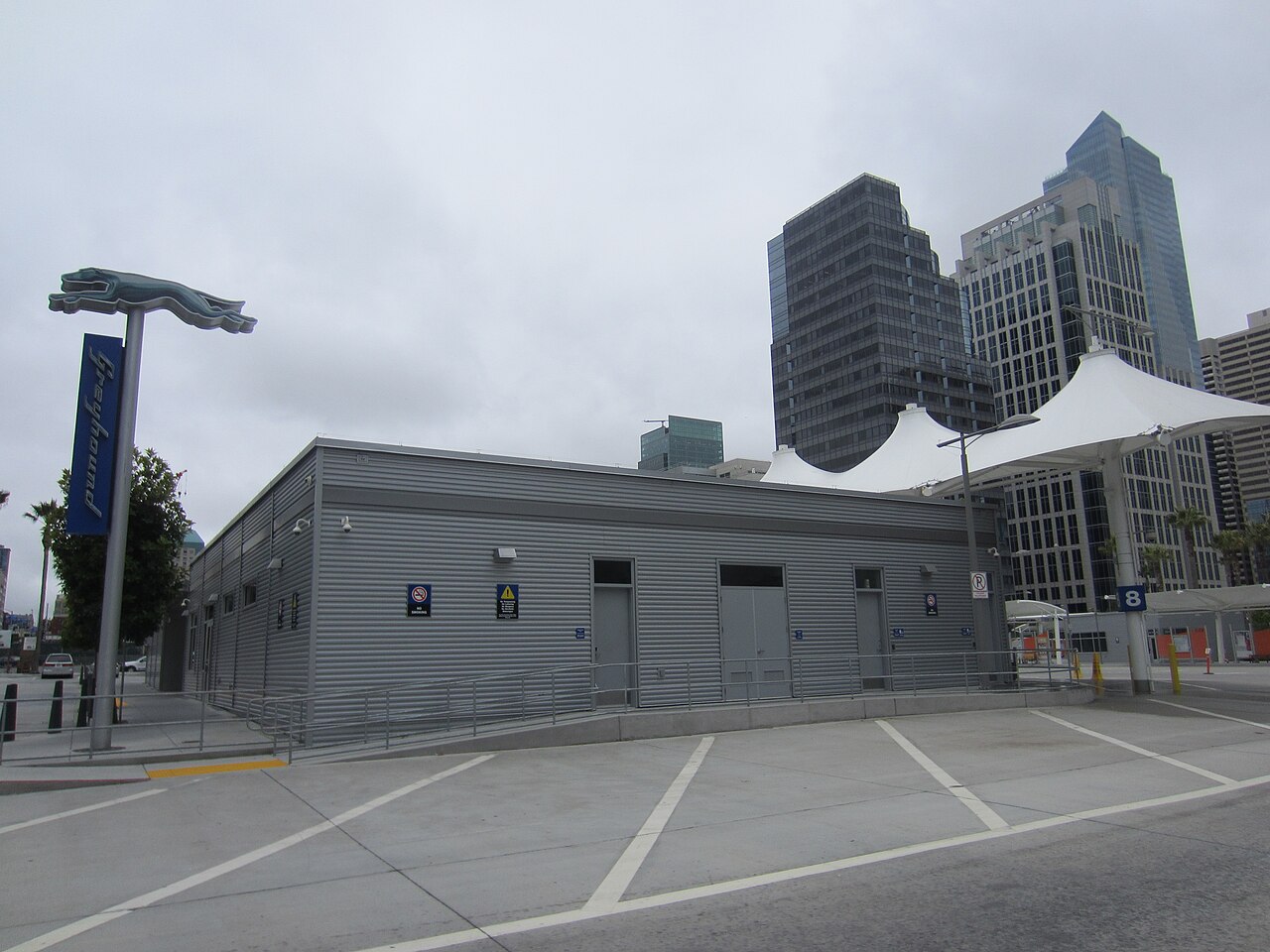
In October 2021, FlixBus's parent — Flix SE — pulled off its boldest move yet: it bought Greyhound, the running-dog icon of American intercity travel, from Britain's FirstGroup. The reported terms were modest for such a famous name: an enterprise value of about US$46 million, plus roughly US$32 million in deferred payments. Notably, FirstGroup kept Greyhound's real estate and legacy liabilities (pensions and self-insurance) — Flix bought the brand and the network, not the bus stations.
It fit the pattern perfectly. Flix took over one of the world's best-known transport brands and folded it into the same asset-light playbook. Flix SE now runs FlixBus, the Greyhound network in the US, Turkey's Kâmil Koç, and even a rail arm, FlixTrain — all coordinated from the same technology platform.
The green went electric first
FlixBus was also early to the electric coach. In April 2018 it ran what it billed as the first all-electric long-distance coach route in Europe, between Paris La Défense and Amiens in France. Long-distance electric driving is far harder than a city loop — the range and charging demands are brutal over hundreds of kilometres — which made the trial a genuine milestone rather than a publicity stunt. The green brand, it turned out, wanted to be green in more than paint.
What it feels like in the simulator
Drive a FlixBus-style coach in the sim and you feel the long-distance mission in your hands. This is not the stop-start rhythm of a city bus — it is the composed highway cruise. The coach is tall and heavy, with a high centre of gravity that leans into fast corners, so you plan your braking far ahead and carry your momentum smoothly rather than darting and stopping. A green Mercedes-Benz Tourismo on a motorway run is an endurance game: hold a steady line, read the road a kilometre out, and let the big machine settle into its stride. It rewards patience, not reflexes — the opposite of the urban loop.
Drive the coaches in Proton Bus Simulator
You don't need a FlixBus livery to drive the machines underneath it. The green fleet runs on exactly the coaches our catalog is full of: browse the Setra coaches for the high-floor touring experience, or the wider Mercedes-Benz range for the Tourismo and its siblings. If you want to understand why a coach drives so differently from a city bus in the first place, start with coach vs city bus — and for the American side of the story, read how the MCI coach became the face of Greyhound's highways.
FAQ
Does FlixBus own its own buses?
When was FlixBus founded?
Did FlixBus buy Greyhound?
What coaches does FlixBus use?
Sources
- FlixBus — Wikipedia — 2013 launch, asset-light model, MeinFernbus merger, Flix SE ownership, FlixTrain, first electric route (2018).
- Flix — "FlixMobility acquires Greyhound" — enterprise value ~US$46m plus ~US$32m deferred.
- Reuters/Nasdaq — FlixBus owner acquires Greyhound — FirstGroup retained properties and legacy liabilities.
- About FlixBus (Flix corporate) — 40+ countries across four continents; asset-light platform.
Hero image: FlixBus Mercedes-Benz Tourismo by Florian Fèvre, CC BY-SA 4.0, via Wikimedia Commons. Full per-image credits appear in each caption above.