The GM Fishbowl: The Story of America's Most Iconic Bus
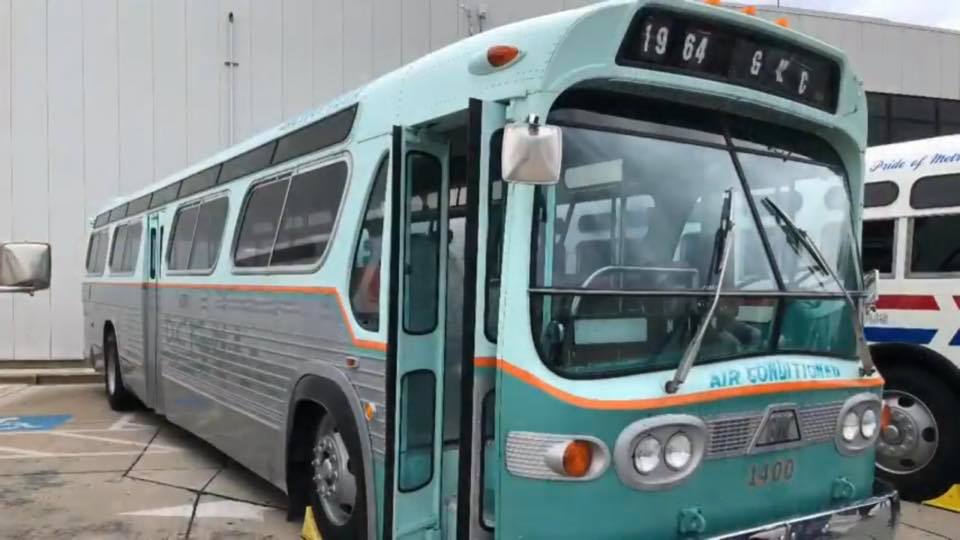
If you've seen an old American movie set in a city, you've seen a Fishbowl. For the better part of two decades the GM "New Look" was simply the bus across the United States and Canada — the silver, ribbed, round-windowed machine that hissed up to the kerb in every downtown from Toronto to Los Angeles. Officially it was the New Look. Everyone called it the Fishbowl, and the nickname tells you exactly why it's remembered.
It's also a wonderful thing to drive in a simulator, because two of its defining traits — the wraparound windshield and the wail of its two-stroke diesel — are precisely what a sim puts you closest to. Here's the story.
One windshield, one nickname
General Motors launched the New Look in 1959 — "introduced in 1959 by the Truck and Coach Division of General Motors." What made it unmistakable was the glass: it's "commonly known by the nickname 'Fishbowl' (for its original six-piece rounded windshield)." That huge curved screen wrapped around the front of the bus, flooding the cab with light and giving the driver a goldfish-bowl panorama of the street. After decades of upright, slab-fronted buses, the New Look looked like the future had arrived.
An American icon by the numbers
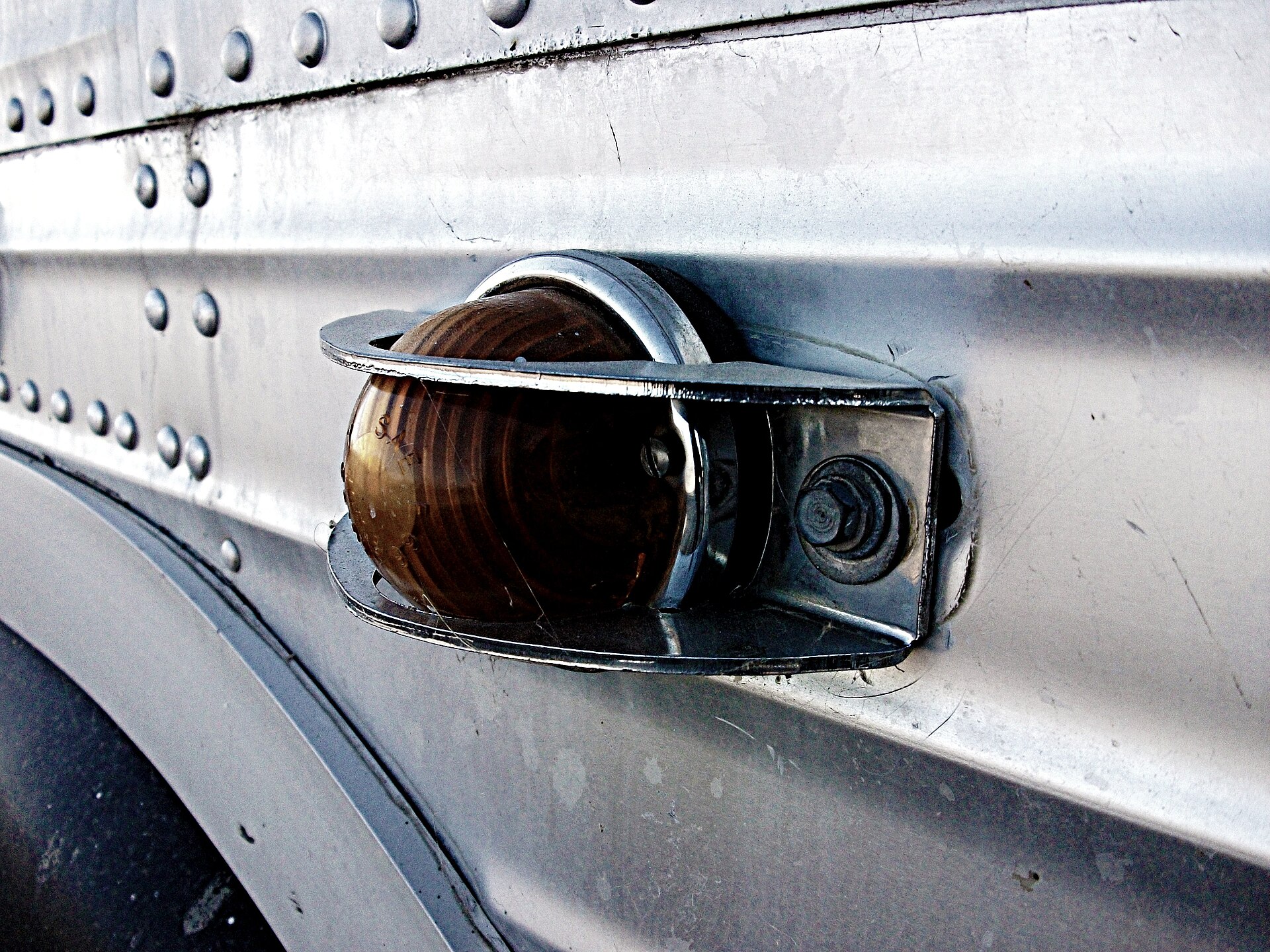
The Fishbowl wasn't just pretty — it was everywhere. "44,484 New Look buses were built over the production lifespan, of which 33,413 were built in the U.S. and 11,071 were built in Canada." Underneath the aluminium it was genuinely clever: "it used an airplane-like stressed-skin construction in which an aluminum riveted skin supported the weight of the bus" — the body itself was the structure, like an aircraft fuselage, which kept it light and tough.
The sound: a two-stroke that screamed
Close your eyes near a working Fishbowl and you'd know it instantly. "Virtually all New Look buses were powered by Detroit Diesel Series 71 two-cycle diesel engines" — a two-stroke diesel, which fires twice as often as the four-stroke engines in almost every modern bus. The result is that famous high-revving, almost-screaming Detroit Diesel wail, a mechanical voice completely unlike the low diesel rumble you hear today. For a generation of North Americans, that sound simply was the sound of a city bus.
The end of an era — and what came next
Nothing lasts forever. "Production of the New Look in the U.S. ceased in 1977, when it was replaced by the RTS transit bus," though Canada kept building Fishbowls all the way to 1985. The torch then passed down a line of North American transit buses that runs straight to today's fleets — the modern equivalent being the kind of bus we decode in our guide to New Flyer Xcelsior codes. And the high, stepped floor that every Fishbowl had? That was swept away within a generation by the low-floor revolution — the Fishbowl is a perfect snapshot of the high-floor era that came before.
Driving the Fishbowl in the simulator
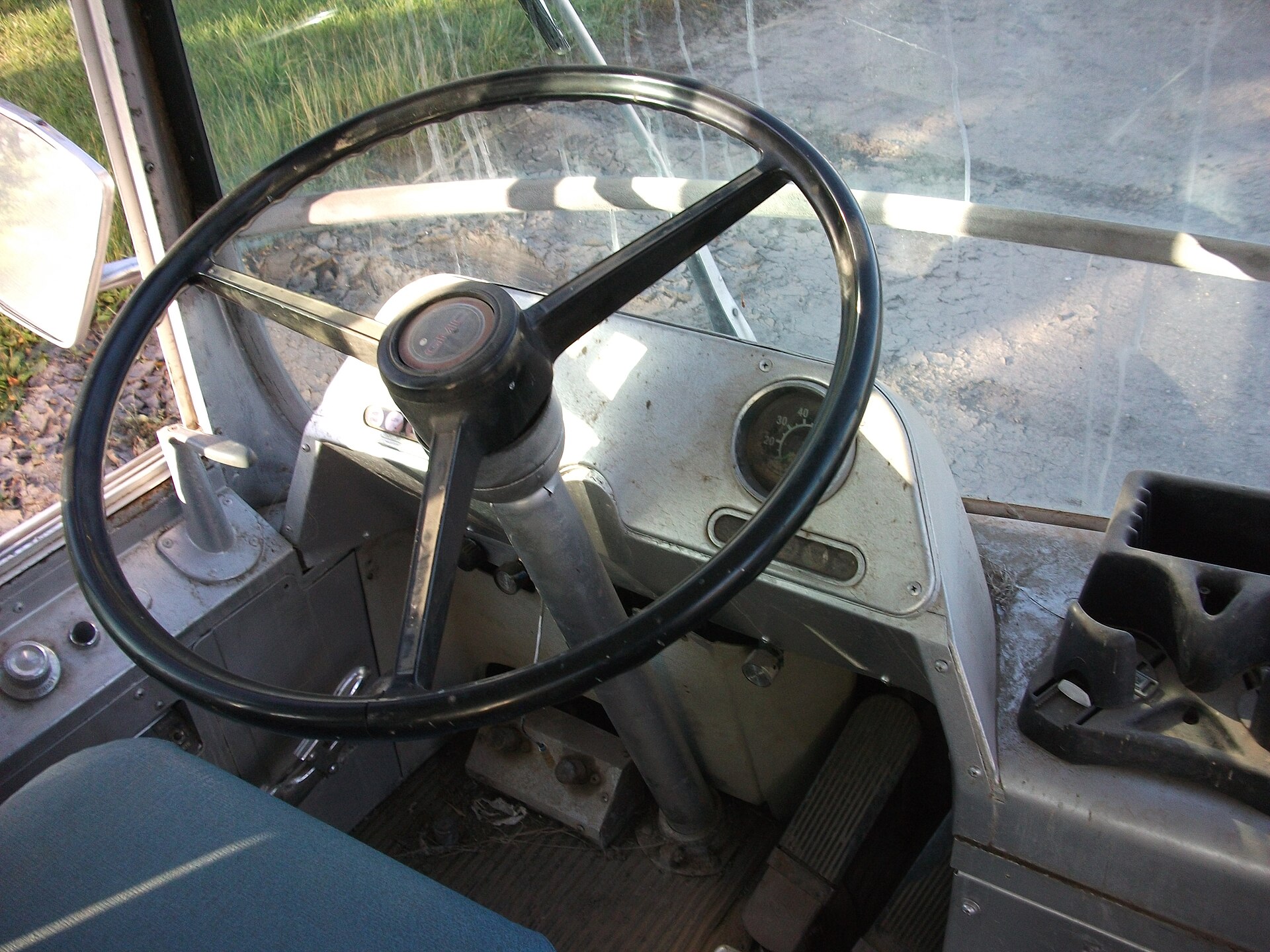
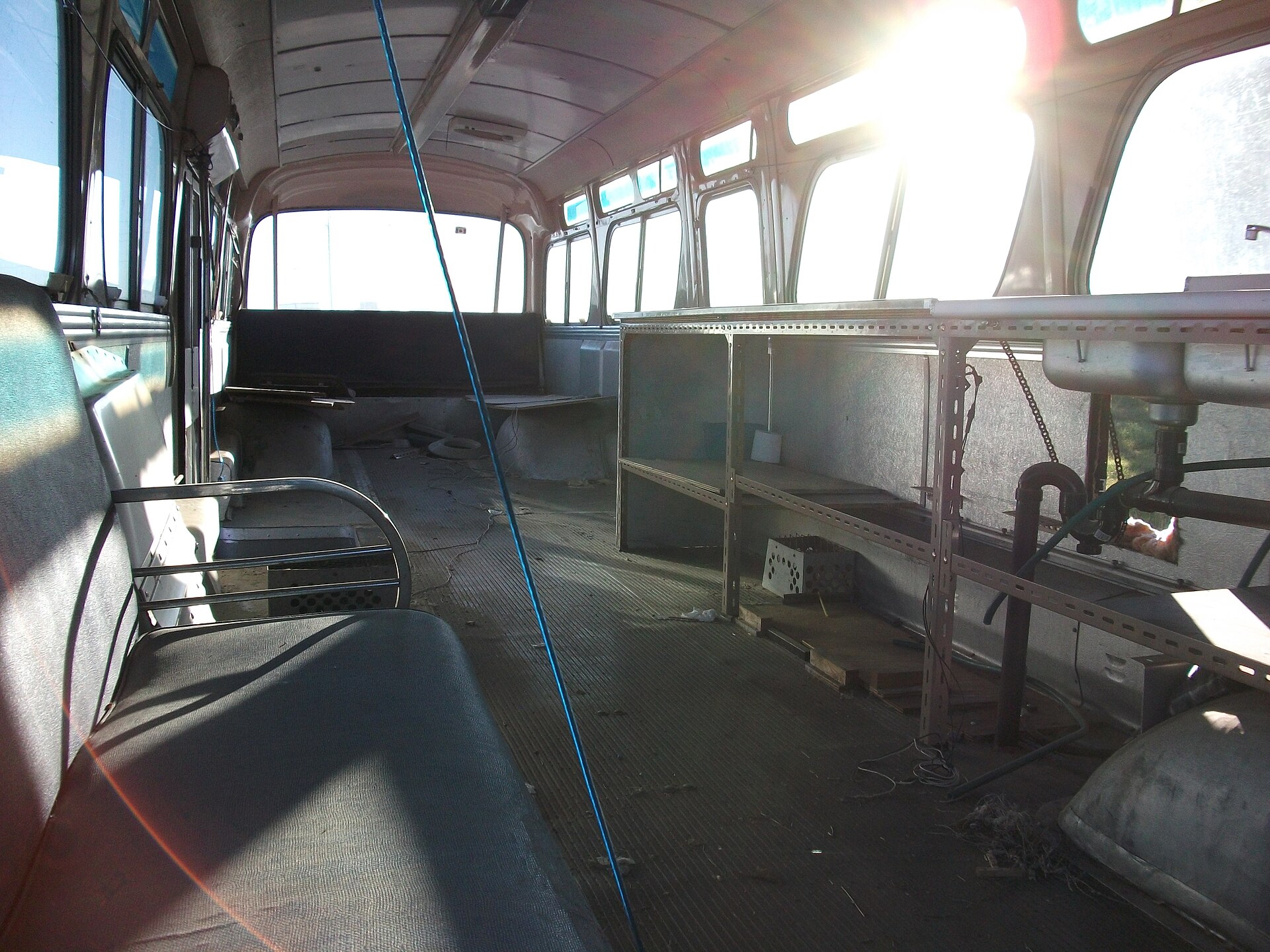
This is a bus that rewards first-person driving more than almost any other, because its character lives in the two places a sim puts you: the seat and the speakers. That wraparound six-piece windshield gives a field of view no flat-glass modern bus matches — you sit inside the bowl, glass curving away on both sides. And the two-stroke Detroit Diesel soundtrack turns an ordinary pull-away into an event. Add the old-school high floor with steps up from the kerb — the opposite of today's step-free buses — and driving a Fishbowl feels like operating a piece of living history.
There's no Fishbowl in the catalog yet, but if vintage buses are your thing, the classic Mercedes-Benz O-371 Monobloco scratches the same heritage itch from the Brazilian side, and you can browse the rest of the North American bus mods for the lineage the Fishbowl founded.