The Iveco Crossway: Europe's Best-Selling Bus You've Never Heard Of
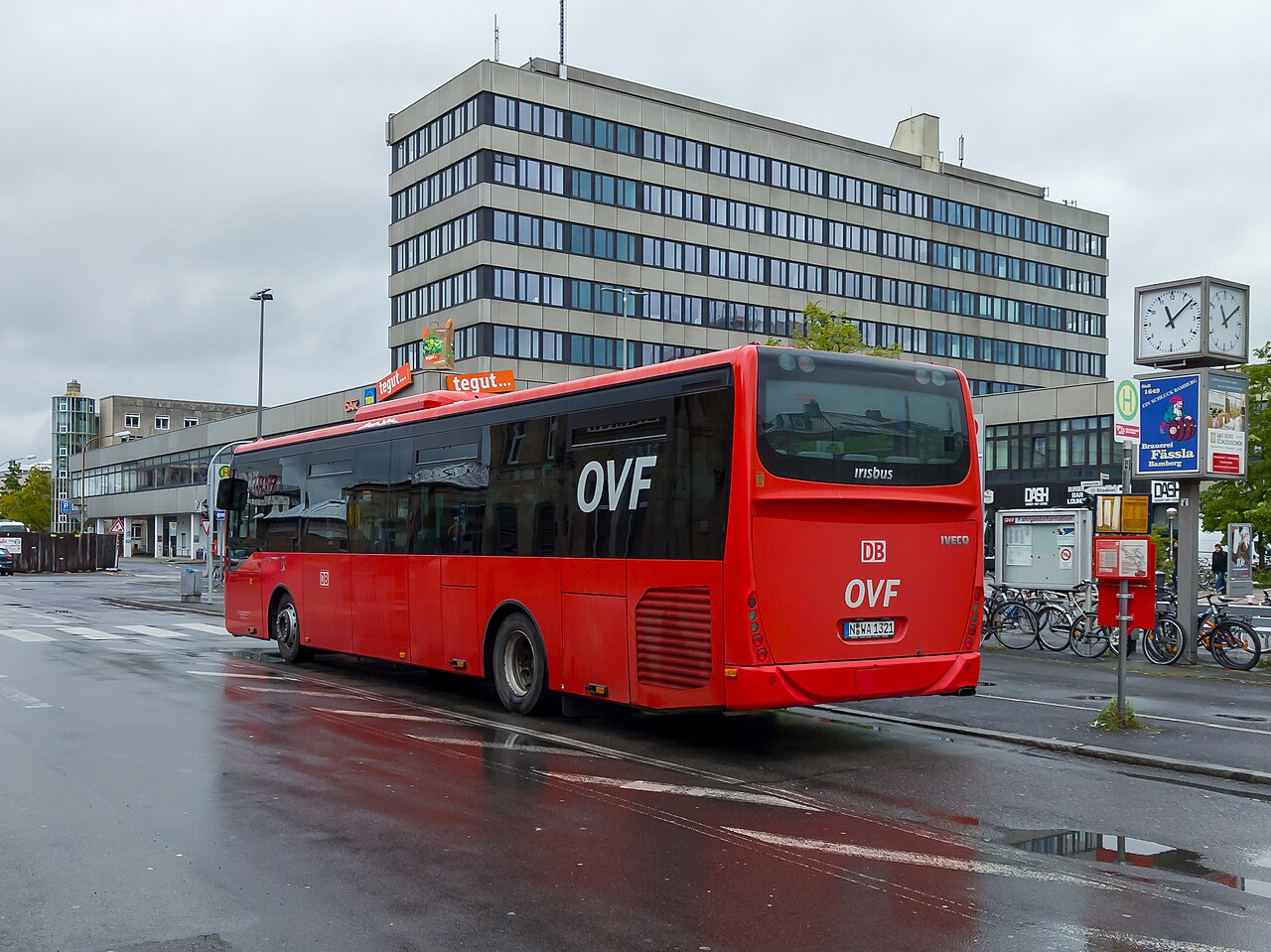
Travel almost anywhere in Europe by regional bus and you have probably ridden one without noticing. It is not a Mercedes, not a Volvo, and it rarely wears a famous badge — but the Iveco Crossway quietly outsells them all. Every second intercity bus sold in Europe is a Crossway, and more than 60,000 have rolled out of one Czech factory since 2006.
It is the most successful bus most people have never heard of. This is the story of the quiet best-seller, the 130-year-old plant that builds it, and why it drives like a bus that can't quite decide what it is.
The best-selling bus almost nobody can name
Start with the numbers, because they are remarkable. The Crossway is the best-selling intercity bus in Europe. In October 2023 the 60,000th unit rolled off the assembly line since its 2006 launch, and Iveco Bus builds more than 4,000 of them a year. For a vehicle almost no passenger could name, that is a staggering run.
The Crossway wins because it sits in a useful gap. Bus engineers sort vehicles into classes: a Class I city bus is built for standing crowds and fast stops, a Class III coach is all reclining seats for the motorway, and Class II — the Crossway's home — is the middle ground. It is mostly seats for a regional run, but with room to stand in the aisle when the route gets busy. Most of Europe's bus travel is exactly that kind of medium-distance regional trip, so the Crossway fits more routes than either extreme.
A factory older than the motor car: the Karosa story
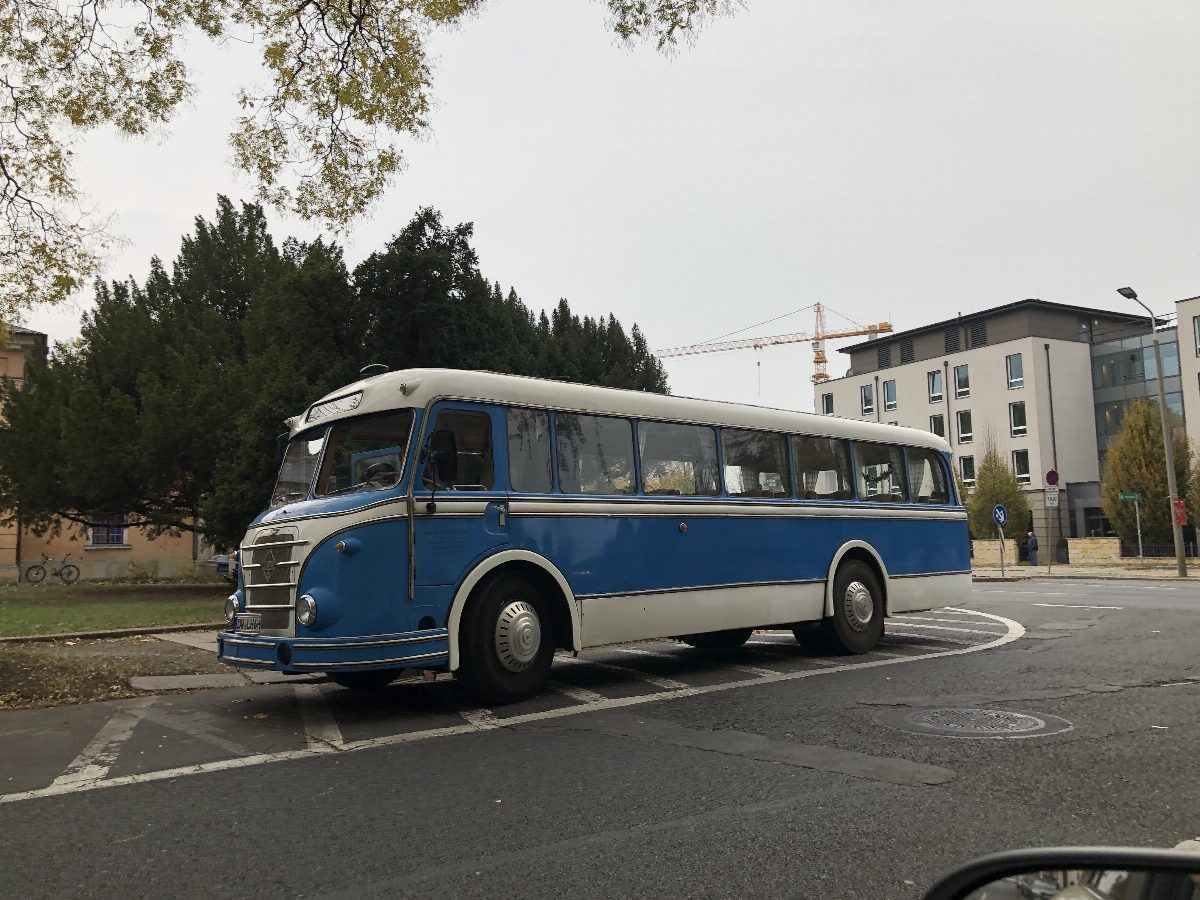
The Crossway is built in Vysoké Mýto, a small town in the Czech Republic, at a plant whose history goes back further than the car itself. It began in 1895 as Josef Sodomka's wheelwright workshop, building horse-drawn carriages. The first bus body left the factory in 1928.

Nationalised in 1948, the works was renamed Karosa and made the sole bus manufacturer in communist Czechoslovakia — under central planning, rivals like Škoda were not allowed to compete. When the Iron Curtain fell, the plant modernised fast: Renault took a stake in 1993, the French–Italian Irisbus joint venture absorbed Karosa in 1999, and Iveco took full control, renaming it Iveco Czech Republic in 2007. Today the same site is one of the largest bus plants in Europe, able to build up to 5,000 vehicles a year. The badge changed four times; the bus-building never stopped.
One name, many jobs: the Crossway family
The Crossway name arrived in 2006, unveiled at the Autotec fair in Brno, replacing the older Iveco Arway and Axer models. The "-way" ending is part of Iveco's whole naming system, which we break down in our guide to what Iveco bus names mean. But the clever part is that a single name covers a whole ladder of buses, from 10.8 up to 14.5 metres long.
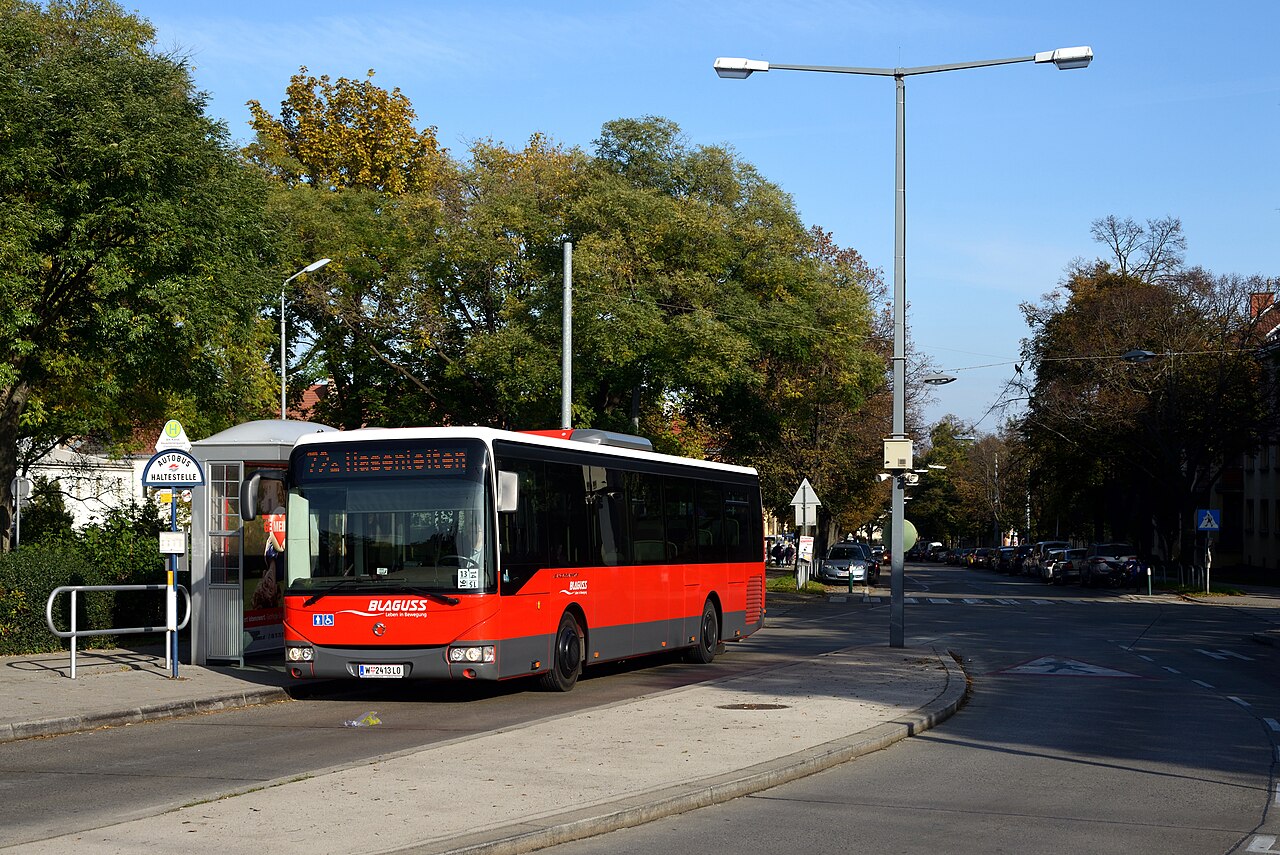
The core split is between two ideas. The high-floor Crossway Line (and the base Pop) is the classic intercity bus: passengers step up into a raised cabin that sits above the luggage bays, built for a comfortable seated regional run. The Crossway LE — "Low Entry", added in 2007 — drops the front floor to kerb height so passengers can walk straight on, blurring the line between a regional bus and a city bus.
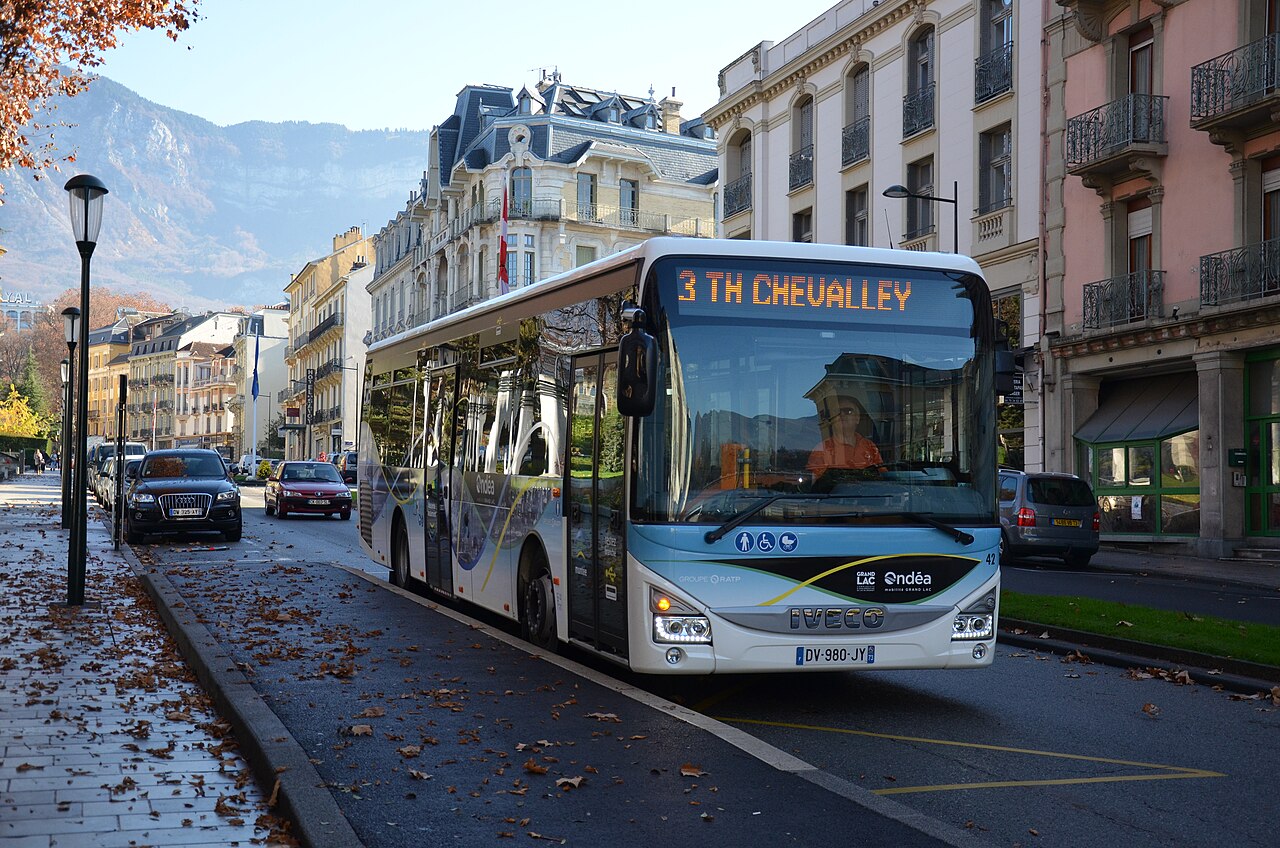
The bus that can't decide what it is
This is where the Crossway gets genuinely interesting to drive. The LE is a hybrid personality on the road, and you feel it the moment you pull away. Up front it behaves like a low-floor city bus: a step-free door, a kneeling front axle, quick level boarding at the stop. But everything behind the middle door is pure intercity — a raised rear floor over the mechanicals, long gearing, and a heavy rear diesel that wants to cruise, not dart between closely-spaced stops.
So driving one is a constant negotiation between two jobs. You load like an urban bus, then accelerate like a coach — a machine caught halfway across the coach-versus-city-bus divide. That in-between feel is exactly why the Crossway fits so many real routes, and it makes the high-floor Line and the low-entry LE feel like two different buses wearing the same badge.
Going green: CNG, hybrid and electric
A best-seller has to keep up with the rules, and the Crossway now comes in far more than diesel. Iveco offers it running on compressed natural gas and biogas, as a hybrid, and — most recently — as a full battery-electric version, unveiled in 2024 to bring the range into the zero-emission era without losing its intercity range.
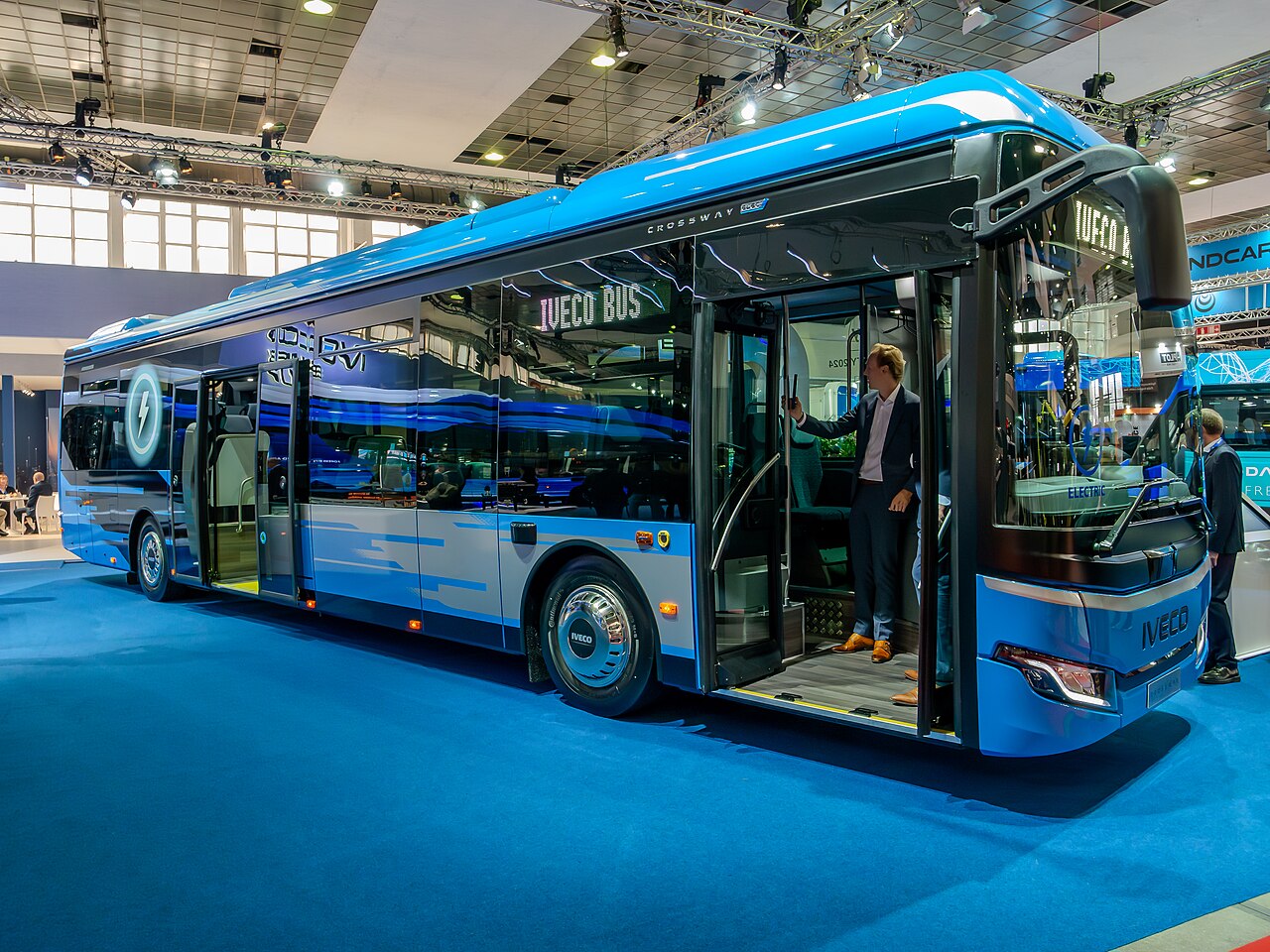
It is a fittingly quiet way for a quiet champion to carry on. The Crossway will probably never be a poster bus, but it will keep being the one actually parked at the regional stop when you look up.
FAQ
What is the Iveco Crossway?
What is the difference between the Crossway Line and the Crossway LE?
Where is the Iveco Crossway built?
What does "Class II" mean?
Sources
- Iveco Bus Crossway hits 60,000 units — Sustainable Bus (Oct 2023) — best-selling intercity bus in Europe, 60,000th unit since the 2006 launch, 4,000+ a year, built in Vysoké Mýto.
- Irisbus/Iveco Crossway — Wikipedia — 2006 serial production, replacing the Arway and Axer; the Pop, Line, Pro and LE (2007) variants.
- Karosa — Wikipedia — the Vysoké Mýto plant from Sodomka (1895) to Karosa (1948), Renault (1993), Irisbus (1999) and Iveco Czech Republic (2007).
- Iveco Bus — 130th anniversary of the Vysoké Mýto plant (2025) — the factory's 1895 origins and current scale.
Hero & figures via Wikimedia Commons: hero (Crossway, Bamberg) — Matti Blume, CC BY-SA 4.0; Crossway Line — Linie29, CC BY-SA 4.0; Crossway LE — Florian Fèvre, CC BY-SA 4.0; Crossway Elec — MB-one, CC BY-SA 4.0; Karosa B732 — Kk70088, CC BY-SA 4.0.