Why Buenos Aires Buses Are Rolling Artworks: The Story of Fileteado Porteño
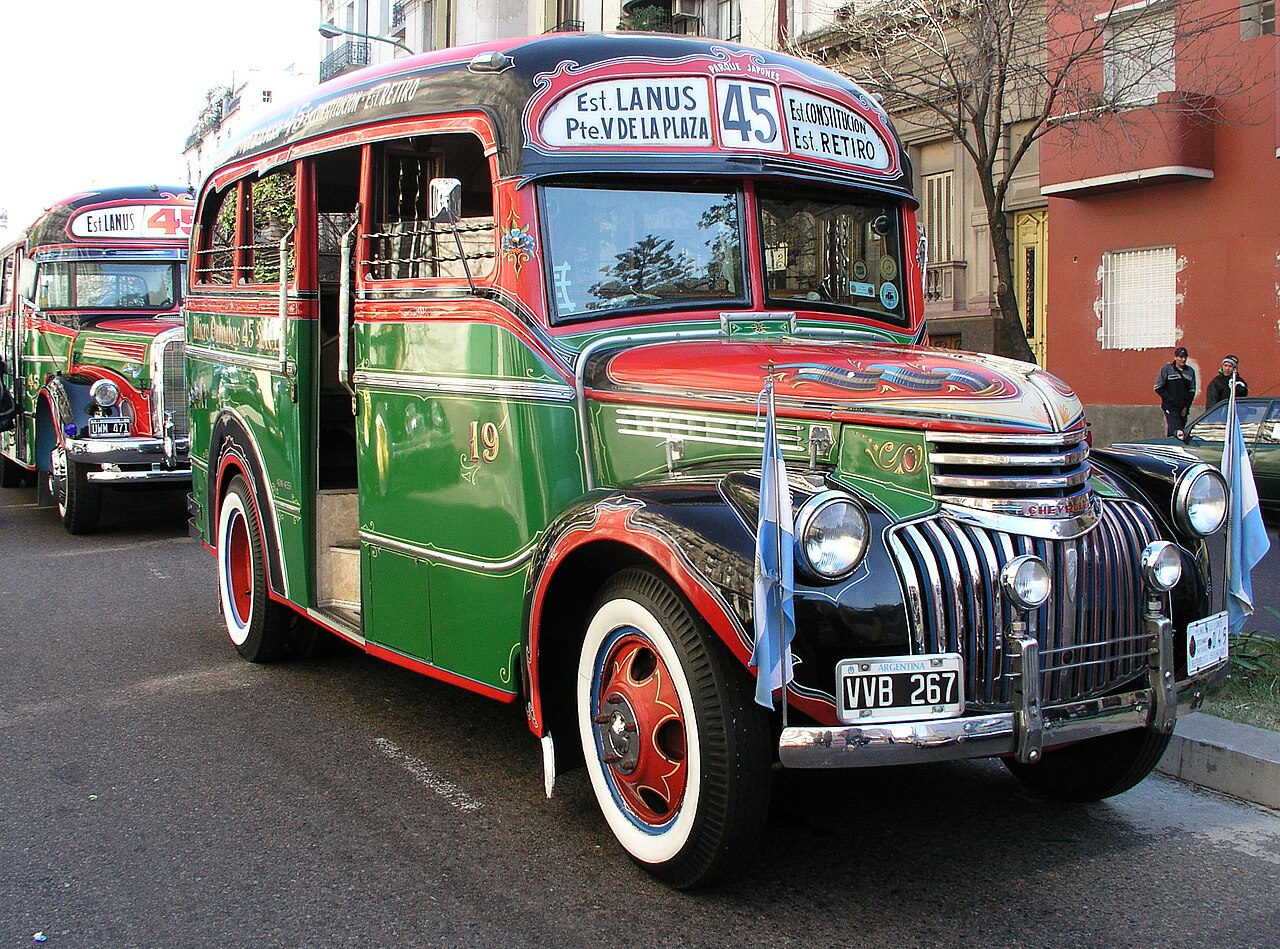
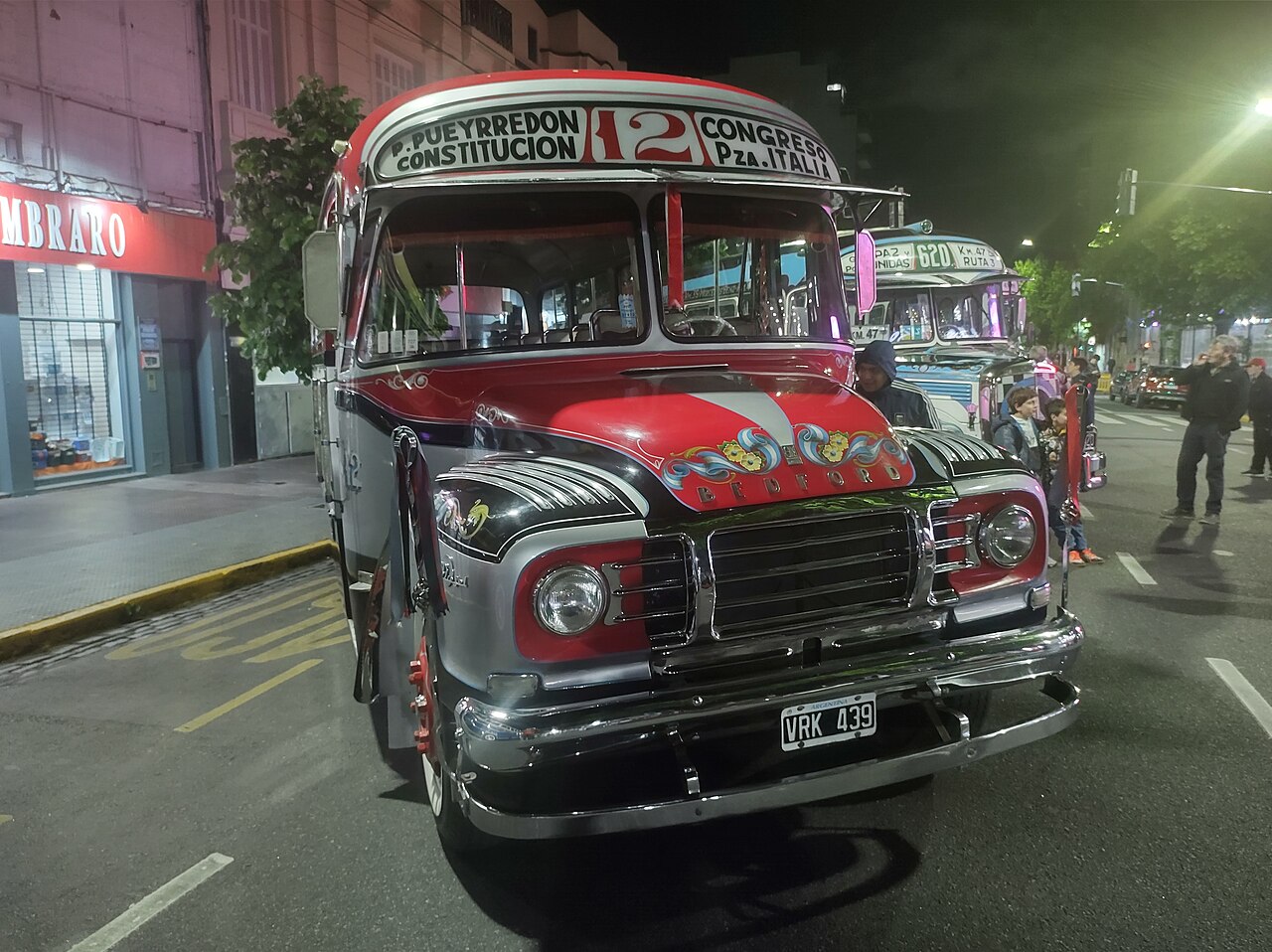
Look closely at an old Buenos Aires colectivo and it stops being just a bus. Swirling scrolls curl around the windows, flowers and stylised leaves climb the panels, the line number is drawn in elaborate shaded letters, and somewhere there's usually a saying — a bit of street philosophy, a football chant, a line of tango. This is fileteado porteño, and it is one of the reasons the colectivo became a beloved icon rather than just transport.
Fileteado isn't graffiti and it isn't a modern wrap. It's a disciplined painting craft, more than a century old, that turned every bus into a one-off artwork — and in 2015 it earned a place on UNESCO's list of the Intangible Cultural Heritage of Humanity. Here's where it came from, why it briefly vanished, and how it came back.
What is fileteado porteño?
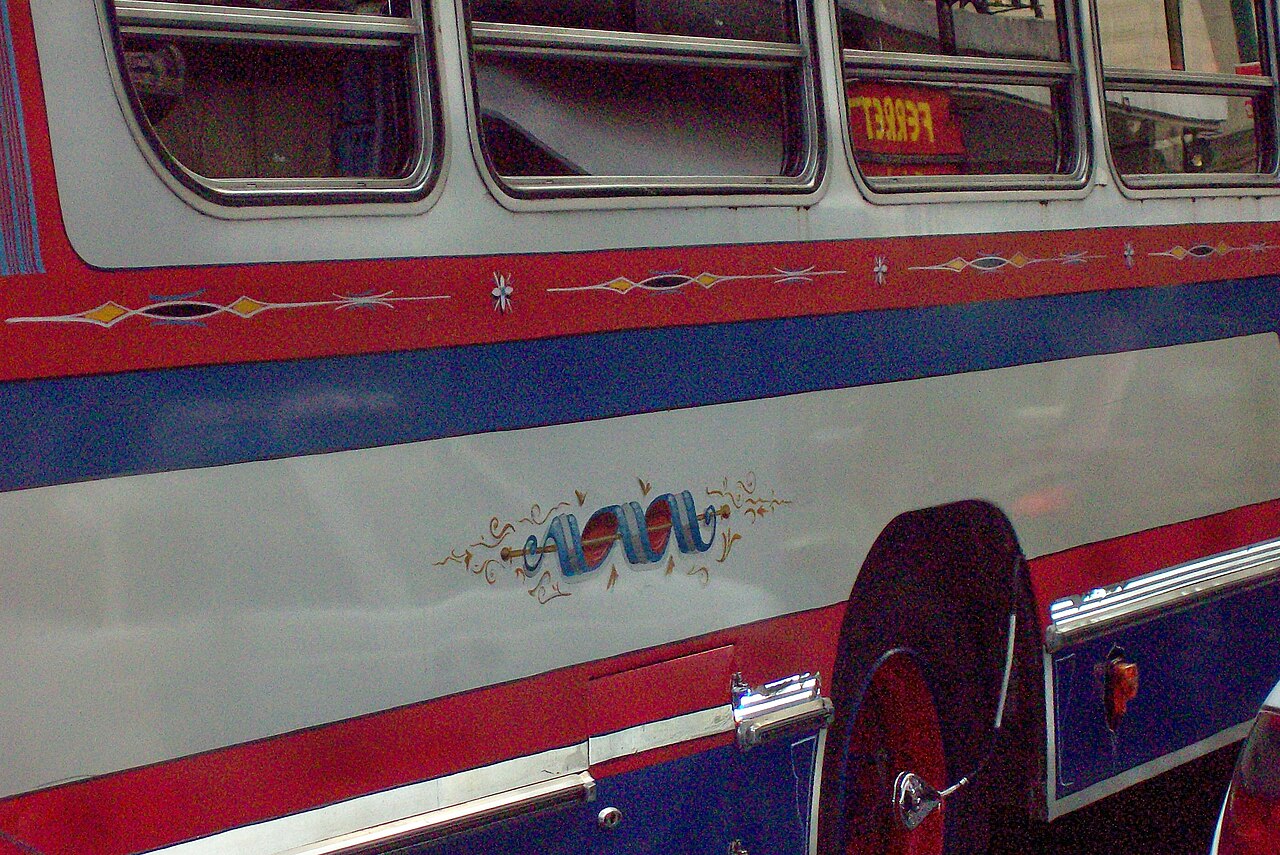
UNESCO describes it cleanly: filete porteño is "a traditional painting technique used for ornamental design that combines brilliant colours with specific lettering styles." In practice that means symmetrical scrollwork and acanthus-leaf curls, flowers and climbing plants, ribbons, stylised birds and even dragons, framing ornate, heavily-shaded lettering. The compositions are usually balanced and mirror-symmetrical, and they're traditionally finished with a phrase — a proverb, a joke, an aphorism, sometimes something heartfelt or philosophical.
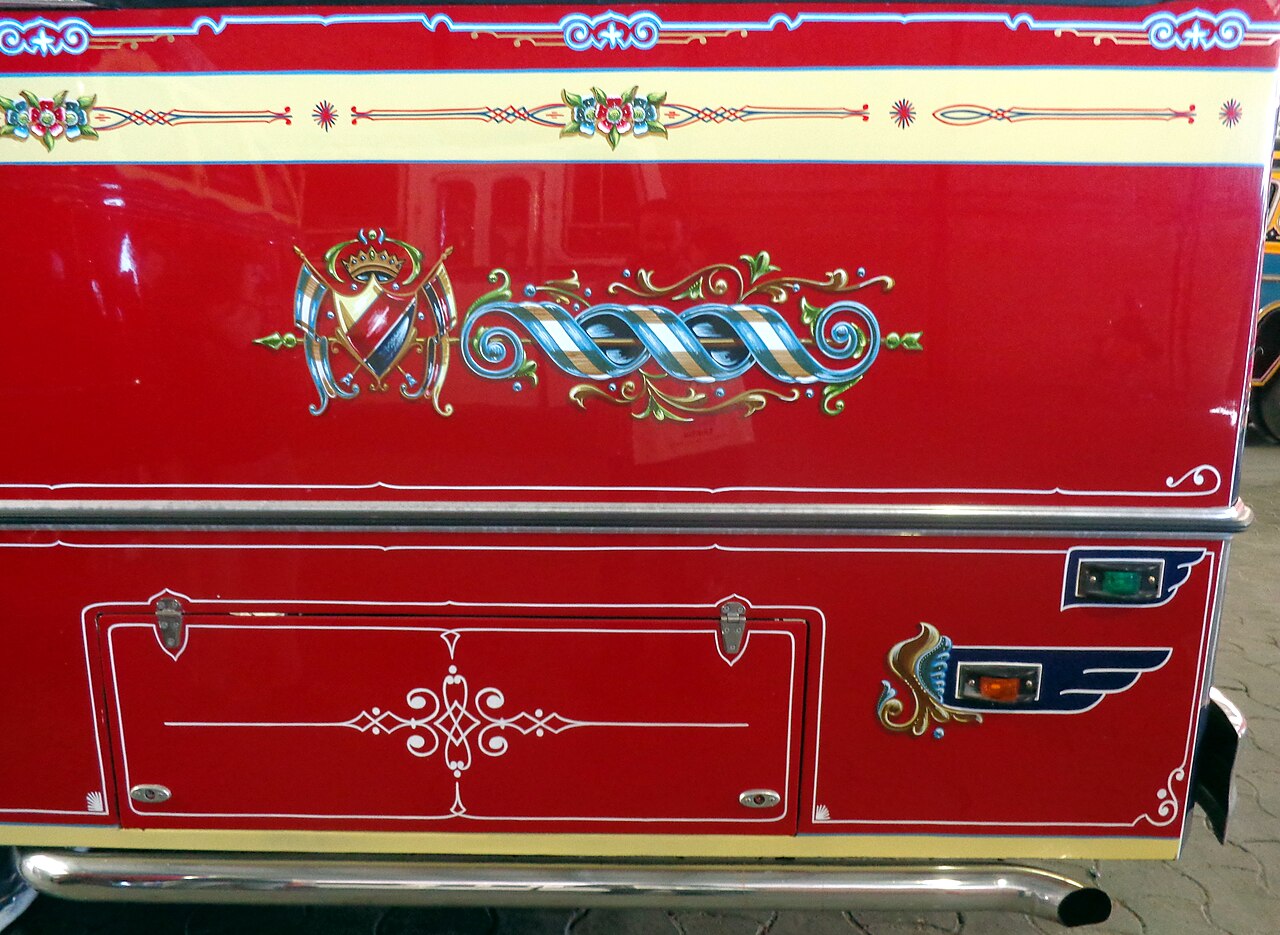
From horse carts to colectivos
The craft is older than the bus it's now famous for. Fileteado began at the end of the 19th century on the humble grey carts — pulled by horses — that carried fruit, milk, groceries and bread around Buenos Aires. Painters started embellishing them with coloured lines (filetes) and ornament, and the style grew more elaborate from there. As motor transport arrived, it migrated onto trucks, taxis and shop signs — and finally onto the colectivos, where it found its most famous canvas.
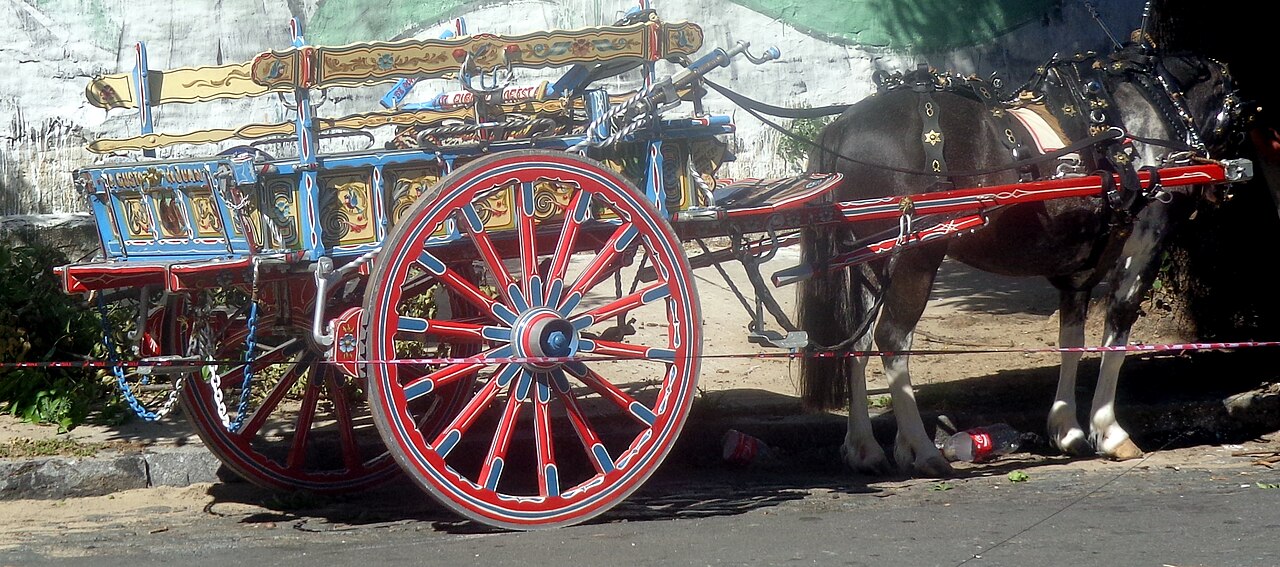
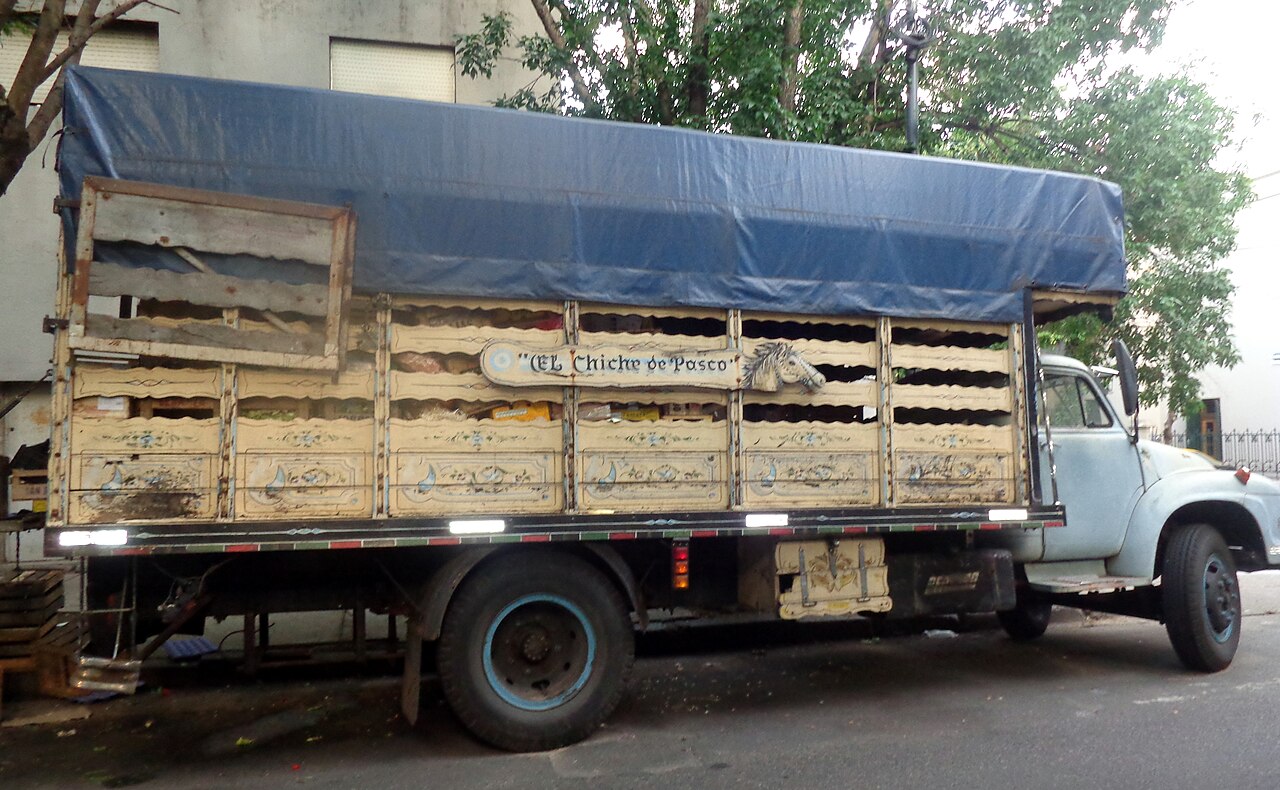
A language of symbols
Part of what makes fileteado special is that it says something. The imagery, in UNESCO's words, relates "back to the city's heritage incorporating social and religious elements, acting as a form of collective memory." Painters worked in saints and the Virgin of Luján for protection, alongside admired politicians and idols of sport and music. Above all there was Carlos Gardel, the tango legend, whose face graced the panels and bonnets of countless colectivos, often paired with a line of his lyrics. A fileteado bus wasn't just decorated — it was a moving statement of what its city and its driver loved.
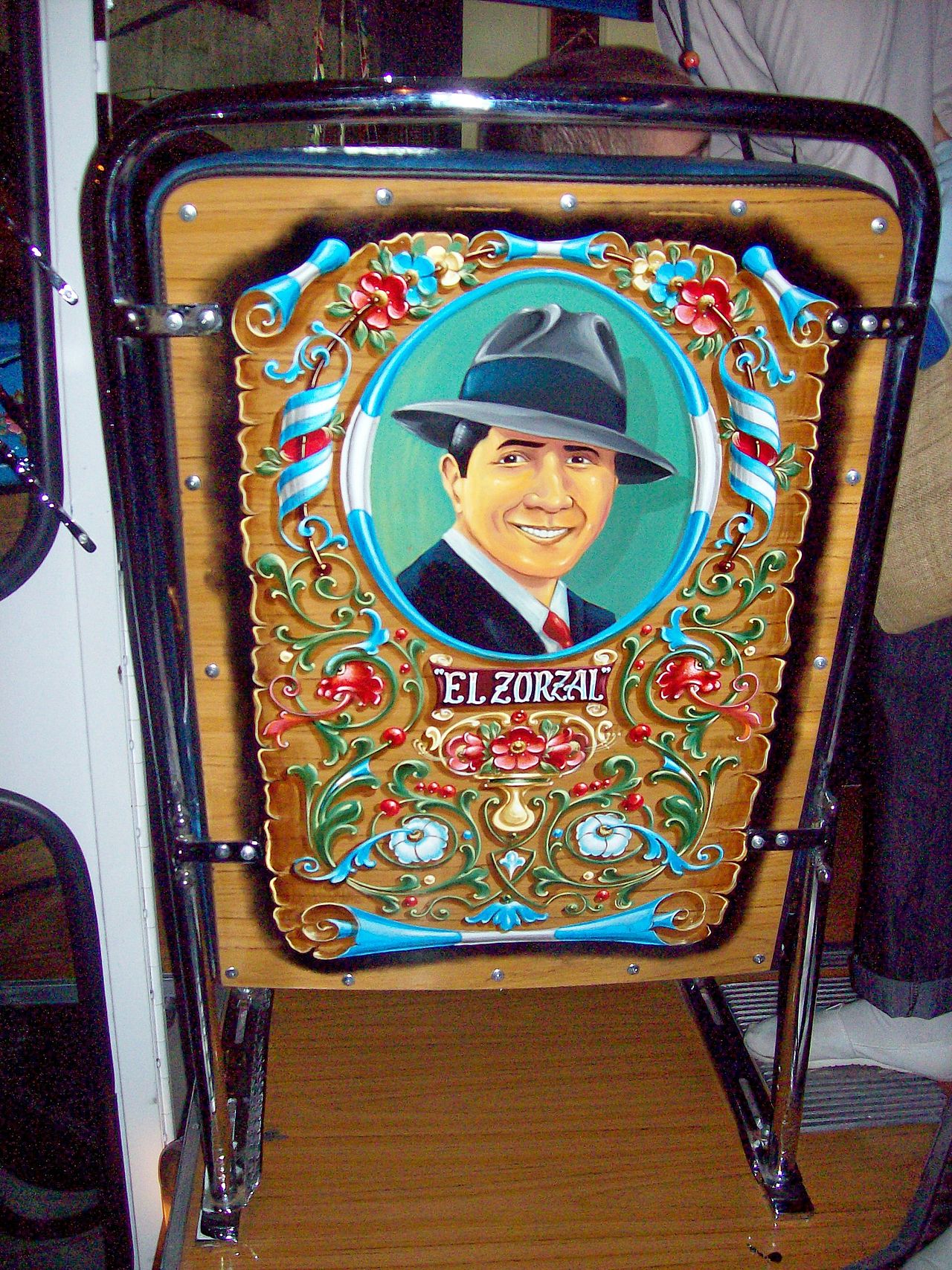
Banned from the buses
Then, in 1975, fileteado almost disappeared from the very vehicles that made it famous. A regulation removed the painting from Buenos Aires city buses — by one account, to keep route and number information clearly legible for passengers. The timing was brutal: it landed during years of economic crisis and dictatorship, the sign-shops that employed filete painters closed, and many of the old masters died without passing the craft to a new generation. Through the 1980s and early 1990s the art all but died out.
The revival — and a UNESCO crown
Fileteado came back the way many crafts do: with a few stubborn masters and a wave of renewed pride. The late 1990s saw a resurgence of interest, riding the same global wave that revived tango, and artists like Alfredo Genovese (born in Buenos Aires in 1964) worked to teach and document the technique so it wouldn't be lost again. The recognition followed: in 2015, at its 10th session in Windhoek, the UNESCO committee inscribed "Filete porteño in Buenos Aires, a traditional painting technique" on the Representative List of the Intangible Cultural Heritage of Humanity — praising it as "an element that reveals the capacity of intangible cultural heritage to integrate tradition and innovation in the context of a modern metropolis."
Fileteado in the sim
For anyone building or driving Argentine buses in Proton Bus Simulator, fileteado is exactly the detail that separates a generic bus from a believable colectivo. It's not physics — it's immersion. Get the coloured bands right along the flanks, the line number drawn in the ornate porteño style, a scroll curling around the destination box, and a virtual bus suddenly feels like it belongs on Avenida Rivadavia rather than nowhere in particular. It's why the modding community recreates these patterns so carefully.
You can see the craft on the Argentine colectivos in the catalog: the Bimet Corwin on a Mercedes OH-1721 is a classic colectivo canvas, and there are more on the Mercedes-Benz mod page. To understand the bus underneath the paint, read the story of the colectivo itself and our decoder for the Mercedes-Benz OH chassis.
FAQ
What is fileteado porteño?
Why was fileteado banned on Buenos Aires buses?
Is fileteado UNESCO heritage?
What symbols appear in fileteado?
Hero: an antique colectivo of line 45 in full fileteado porteño — Photo: Irenef74, CC BY-SA 3.0, via Wikimedia Commons. In-body photos credited individually in their captions.