Why Buses Bend Twice: The Story of the Bi-Articulated Giants
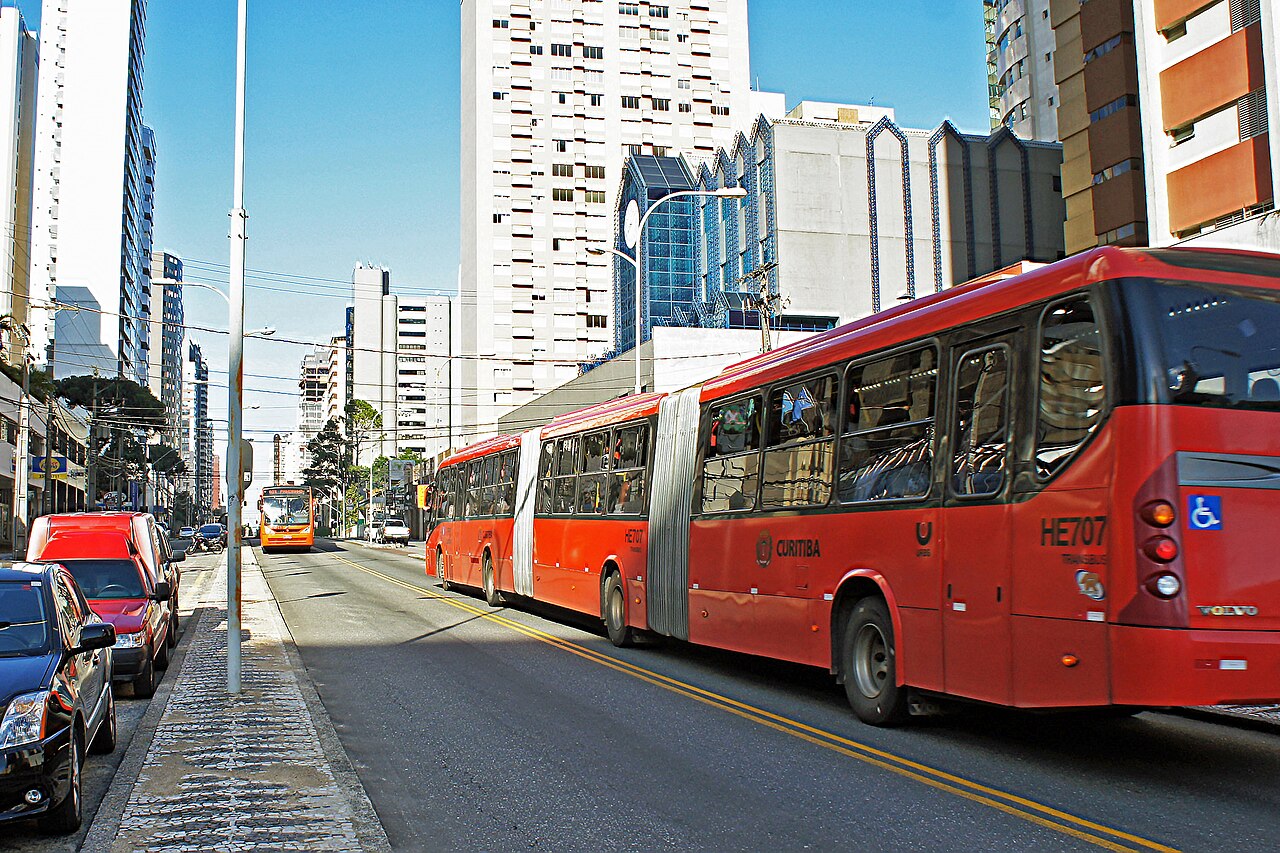
An ordinary articulated bus — a "bendy bus" — has a single joint in the middle, a concertina that lets two rigid sections pivot against each other so a long vehicle can still turn a city corner. Now picture one with two joints. Three sections. Up to twenty-eight metres of bus, bending twice, carrying a small town's worth of passengers down a dedicated lane. That is the bi-articulated bus, the longest road-going passenger vehicle in regular service anywhere on Earth — and like so much of modern mass transit, it was effectively invented in Brazil.
We traced where these giants came from, why almost all of them live in one part of the world, and what twenty-eight metres of articulated bus actually demands from a driver.
First, a quick recap: why buses bend at all
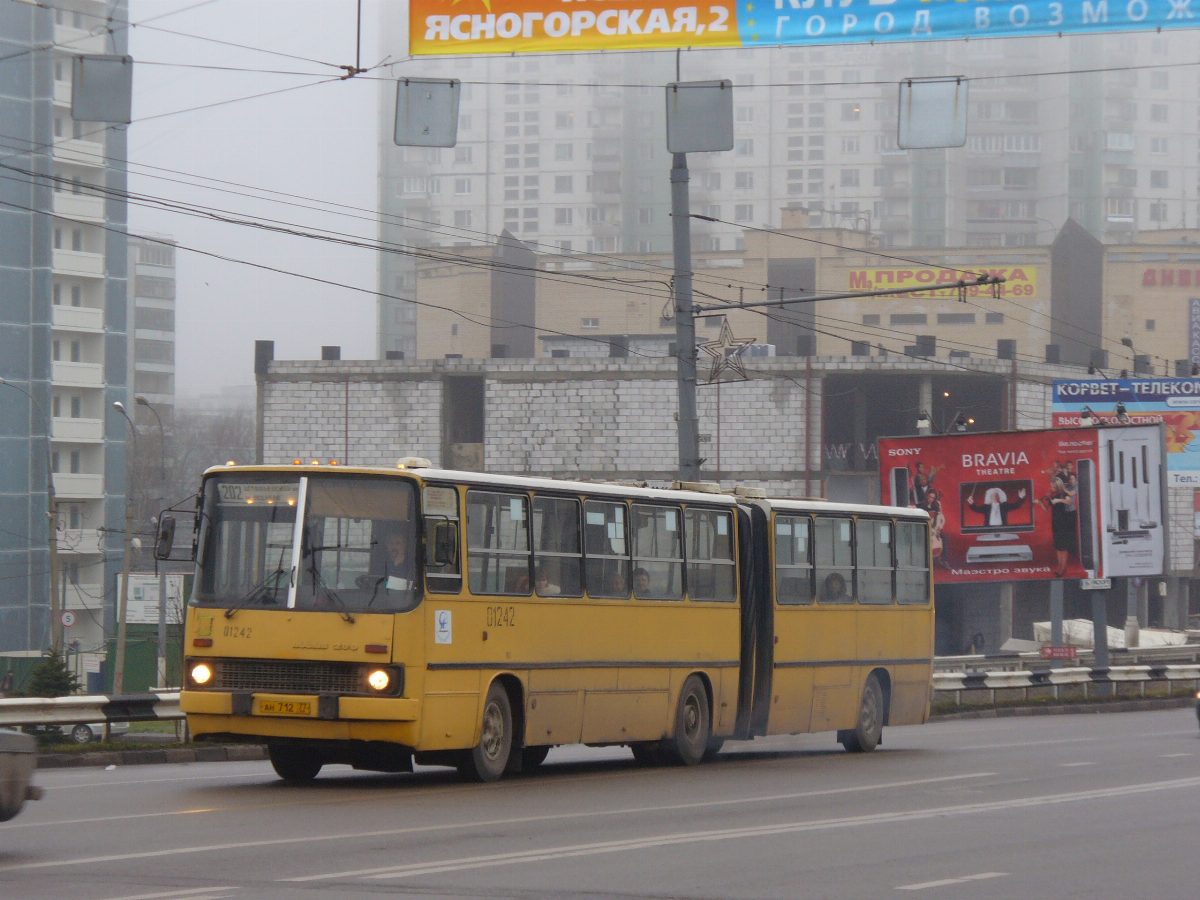
The single-joint articulated bus solved an old problem — how to add capacity without making a bus so long it can't steer. The turntable joint lets the rear half swing while the front half tracks the corner, so an 18-metre vehicle behaves, more or less, like a shorter one. (We told that origin story in full in why buses bend: the articulated bus history.) For most cities, one joint was enough.
But some corridors carry so many people that even an 18-metre bendy bus, packed and running every couple of minutes, still can't keep up. The obvious answer — run a tram or a metro — costs a fortune and takes years. So one city asked a different question: what if we just made the bus longer?
The second joint, born in Curitiba
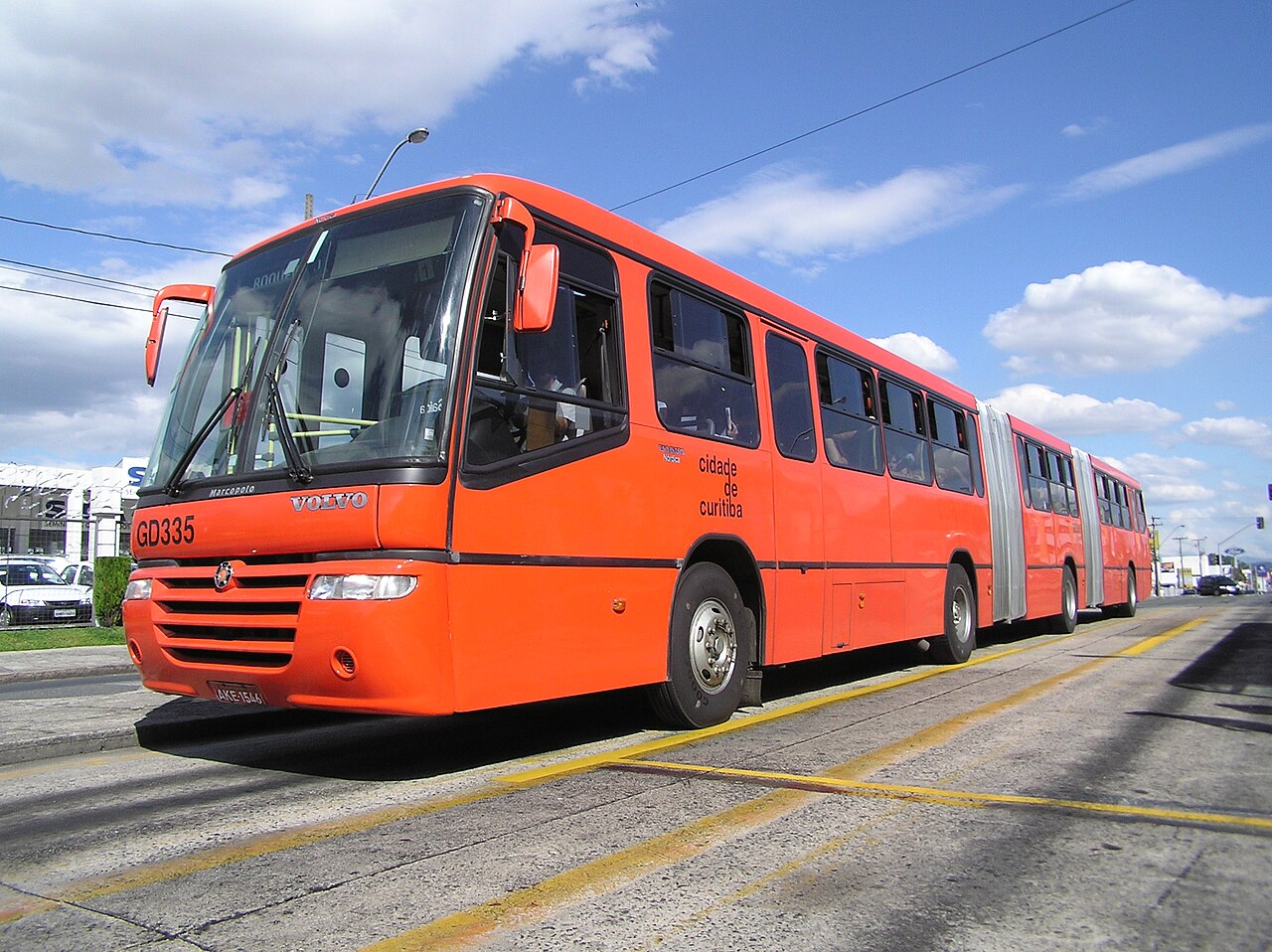
That city was Curitiba, in southern Brazil — the place that had already invented Bus Rapid Transit, treating buses like a surface metro with dedicated lanes and pre-paid boarding stations. At the end of the 1980s the municipality went to Volvo with a simple brief: build us something with even more capacity than the articulated buses we already run.
The answer, arriving in 1992, was the bi-articulated bus: add a second turntable joint and a third body section, and a single vehicle could suddenly carry up to 300 passengers. It was less a new bus than a new category — a road vehicle with the capacity of a light-rail car, but running on tyres in an ordinary (if exclusive) lane. For a BRT system built around moving huge volumes cheaply, it was the missing piece.
The world's longest bus
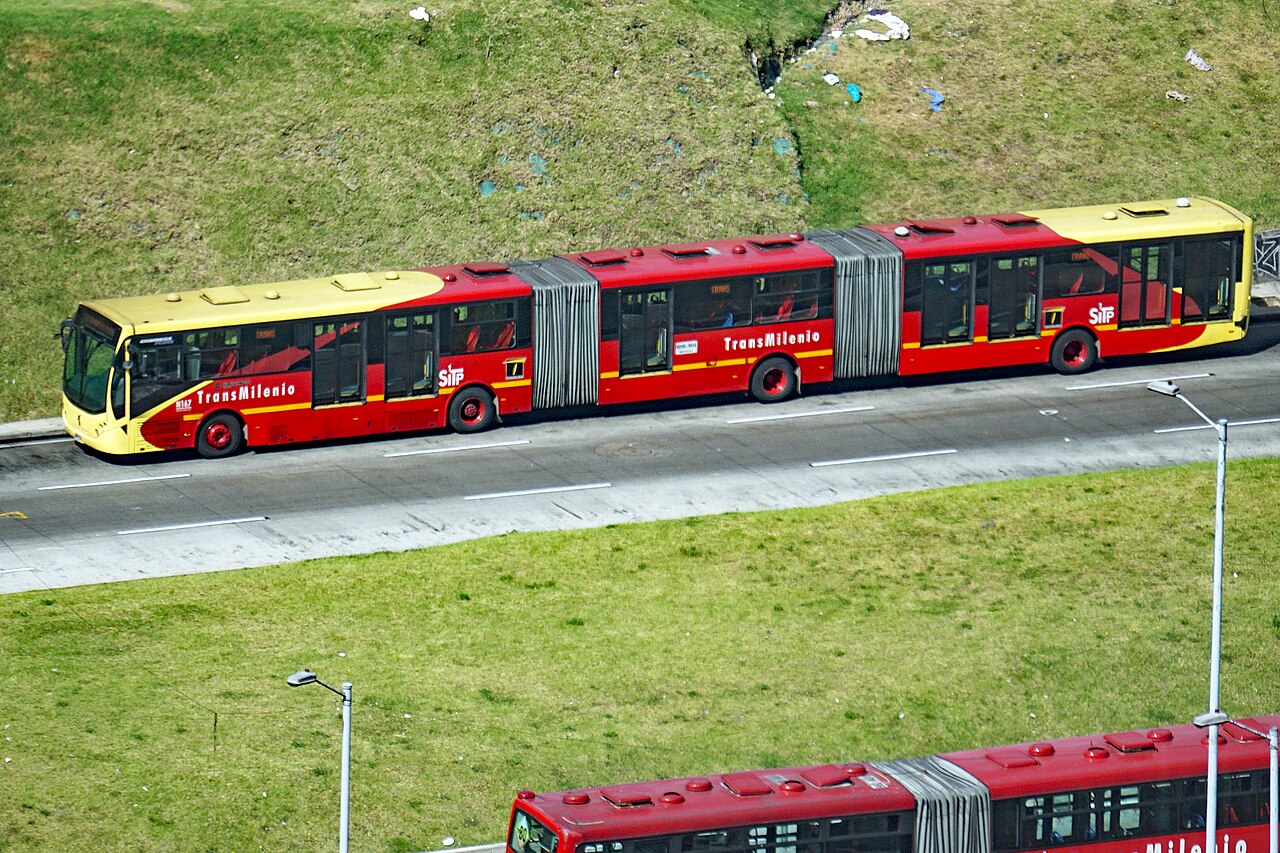
If Curitiba proved the concept, Bogotá supersized it. In August 2009, Colombia's TransMilenio BRT put a new Volvo bi-articulated into service that was billed as the longest bus in the world: 27 metres long, 2.6 metres wide, rated for up to 260 passengers — 69 seated and the rest standing. A single one of these replaces several normal buses' worth of capacity on one of the busiest transit corridors in Latin America.
The numbers have kept creeping up. Volvo's current electric bi-articulated, the BZRT, stretches to 28 metres and is built in Curitiba for BRT systems around the world — proof that the format Brazil pioneered three decades ago is now being re-engineered for the zero-emission era rather than retired.
Why the giants stayed in the Global South
Here is the curious part: you will rarely meet a bi-articulated bus in London, New York, or Paris. The format is overwhelmingly a Latin-American and BRT phenomenon, with only scattered use elsewhere in the world. Why?
Because a 28-metre bus is useless without the road to put it on. It needs a dedicated, physically segregated corridor — a busway with stations, not a shared street with traffic lights and parked cars. It needs long, level boarding platforms and turning geometry built for its length. That is precisely the package a BRT system provides and a conventional bus network does not. Cities that committed to full BRT — Curitiba, Bogotá, and dozens of others across South America — got the giants almost for free, because the infrastructure was already there. Cities that kept their buses in mixed traffic had nowhere to run one. The bi-articulated bus didn't stay in the Global South by accident; it stayed where the busways are.
Driving twenty-eight metres in a simulator
For a simulator driver, the bi-articulated is the ultimate test of spatial anticipation — and the single-joint bendy bus only half-prepares you for it. With one joint, the rear section swings out as you corner and you learn to take the turn wide. With two joints, you have two trailing sections, each with its own delay, each swinging on its own arc. Initiate a low-speed turn and the response ripples back through the bus: the first section follows the cab, the second follows the first, and the very tail tracks a path you have to predict two joints in advance. Misjudge it and the rear sweeps across a lane you thought was clear.
The saving grace is the setting these buses were built for. On a dedicated busway — wide, segregated, gently curved — the length is manageable, even majestic, the way it is meant to be. Take the same vehicle into a tight mixed-traffic junction and it stops feeling like a bus at all; it feels like steering a train that has wandered off its rails and is politely waiting for you to sort it out. That contrast — serene on the busway, terrifying at a kerb-side turn — is exactly why the bi-articulated lives where it does.
The Curitiba originals pair a Volvo chassis with a Marcopolo body — the two names behind most of the world's bi-articulated giants. Browse those catalogues to put the theory into practice, and see how the longest buses on the road handle when you finally have the busway to stretch them out.
Frequently asked questions
What is a bi-articulated bus?
Where was the bi-articulated bus invented?
What is the longest bus in the world?
Why don't most cities use bi-articulated buses?
Hero image: Curitiba BRT bi-articulated bus by Mariordo (Mario Roberto Durán Ortiz), CC BY-SA 4.0, via Wikimedia Commons.