The Rise of Yutong: How a Chinese Brand Became the World's Biggest Bus Maker
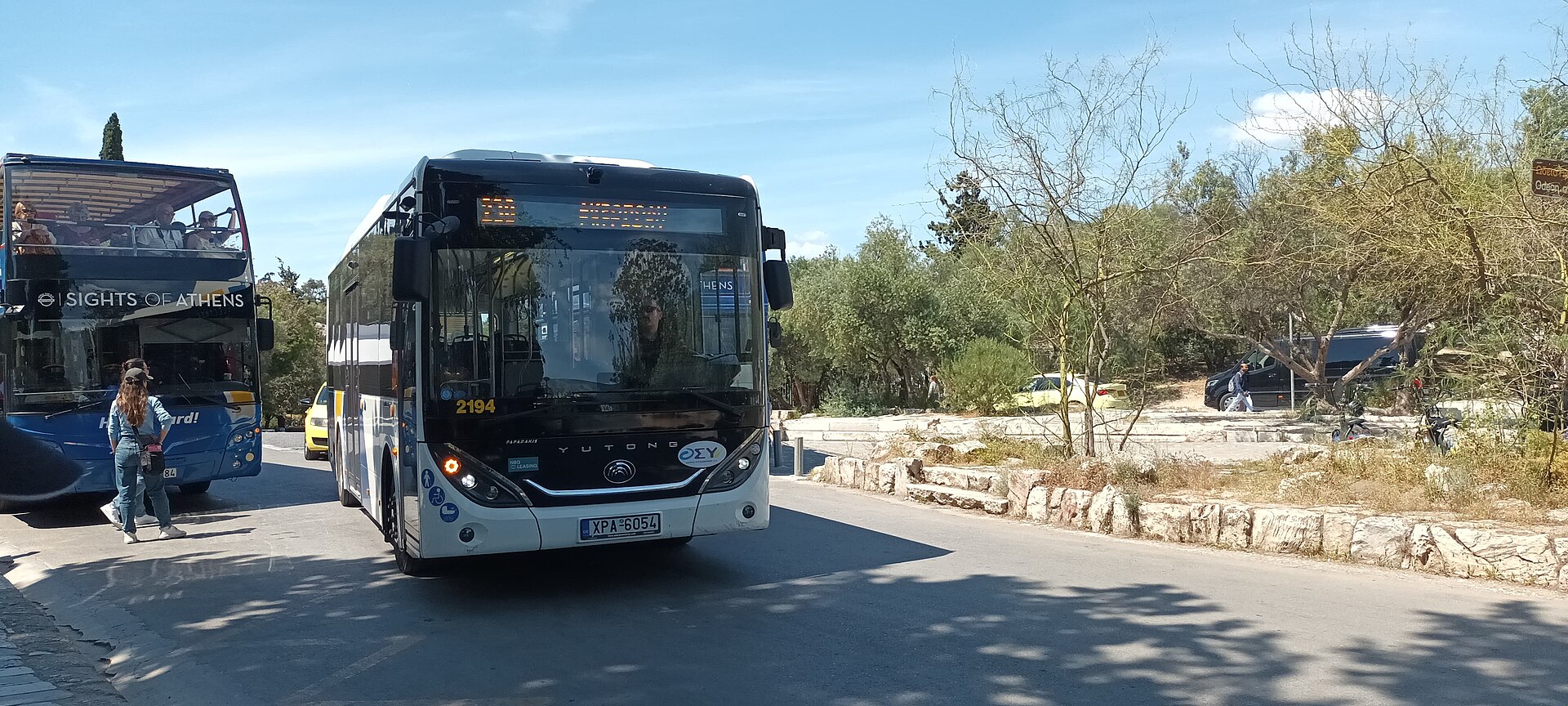
Here's a name that probably isn't on your list of legendary bus makers — and yet it builds more buses than Mercedes-Benz, Volvo and Scania combined could dream of. Yutong, from the central-Chinese city of Zhengzhou, is now the largest bus manufacturer on the planet. For an audience raised on European and Brazilian brands, that's a plot twist worth understanding, because Yutong is increasingly the bus rolling down real-world streets — and the shape of buses to come in the simulator.
Its rise is one of the great industrial stories of modern transport, and the engine of it isn't diesel. It's electric.
From a repair shop in Zhengzhou
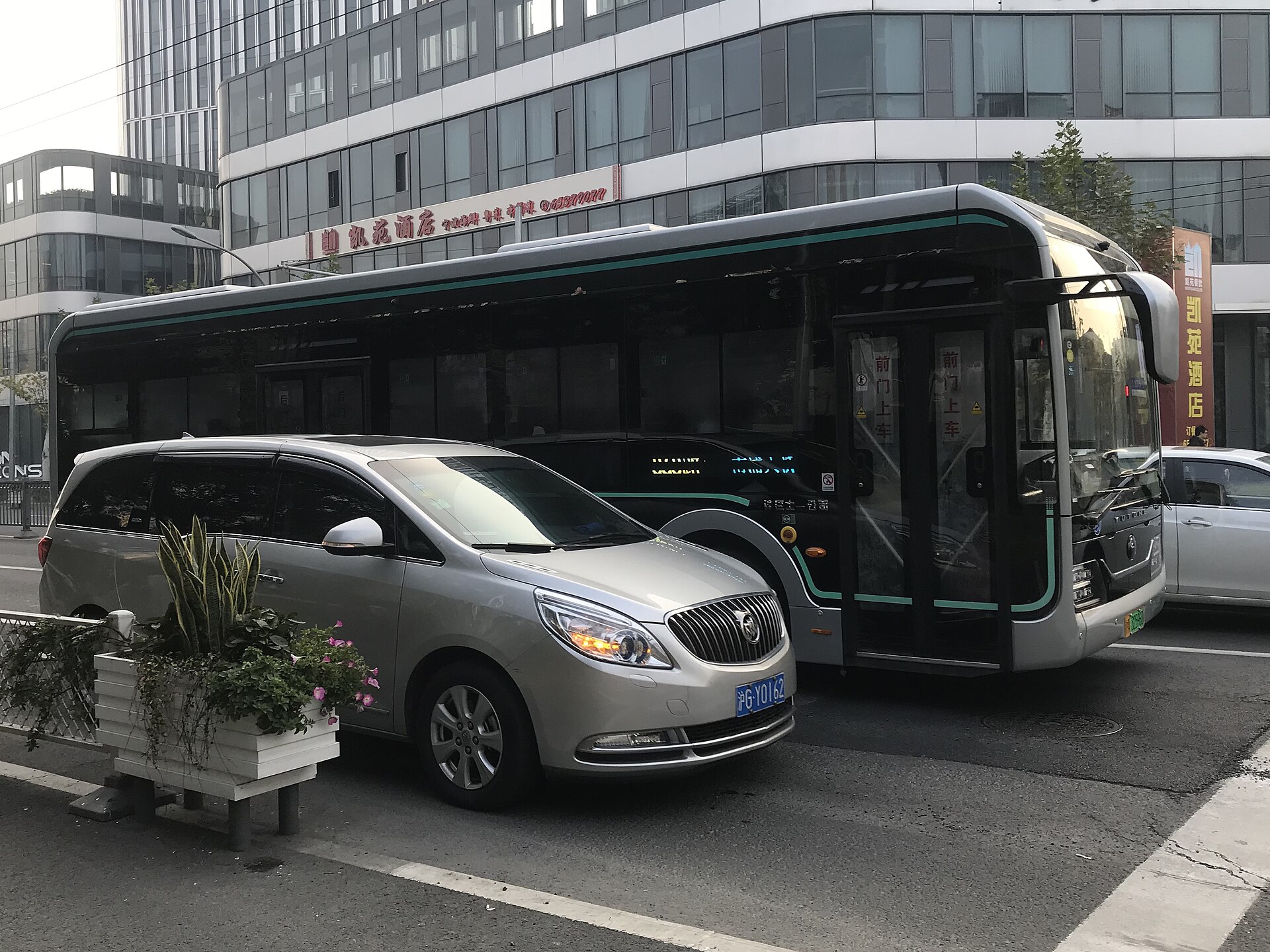
The beginnings were humble. "Yutong's origins can be traced to the Zhengzhou Bus Repair Factory, which was established in 1963." The modern company, "Zhengzhou Yutong Bus Co., Ltd. was founded in 1993," and "in March 1997, Yutong became the first bus company in China on the Shanghai Stock Exchange." Still headquartered in Zhengzhou, Henan, it spent the 2000s scaling up at a pace Western makers simply couldn't match.
The world's biggest bus maker
The numbers are staggering. "As of 2026, Yutong is recognized as the world's largest bus and coach manufacturer by volume, producing approximately 150,000 vehicles annually." Its reach is just as broad: "Yutong buses and coaches have been delivered to over 60 countries and regions," and "as of 2018, Yutong had exported more than 64,000 buses and coaches." The centre of gravity of the global bus industry has, quietly, shifted east.
The electric shortcut
Here's the clever part. Rather than chase a century of Western diesel expertise, Yutong leapt to the technology that resets the race: batteries. The company is the runaway leader in new-energy buses — "by the end of 2025, Yutong's cumulative sales of new energy buses had exceeded 210,000 units," with a commanding share of its home market. When a city anywhere decides to electrify its fleet, Yutong is one of the first names on the tender, because it has already built more electric buses than almost anyone alive.
Why Latin America drives Yutong
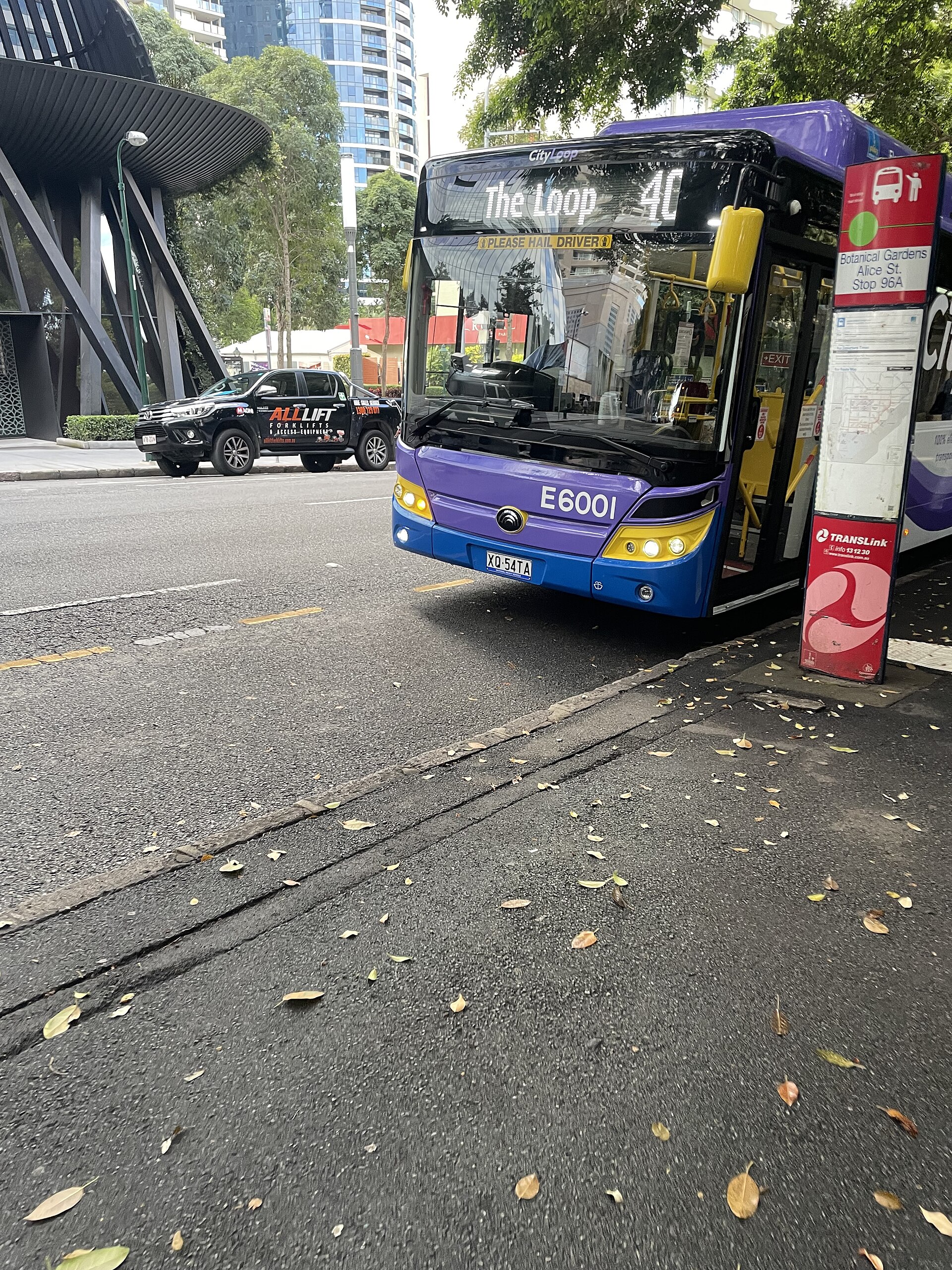
For our audience this is the part that hits home. Yutong moved into Latin America in 2005 and has since become "1st Chinese bus exporter in Latin America," sending tens of thousands of vehicles to Chile, Colombia, Mexico and Peru. The headline moment came in 2018, when "Yutong ... provided to Chile['s] capitol city as many as 100 electric buses E12" for Santiago's public fleet — a landmark order on a continent long defined by Mercedes chassis and Marcopolo bodies. The new player on those streets increasingly wears a Yutong badge.
What it feels like in the simulator
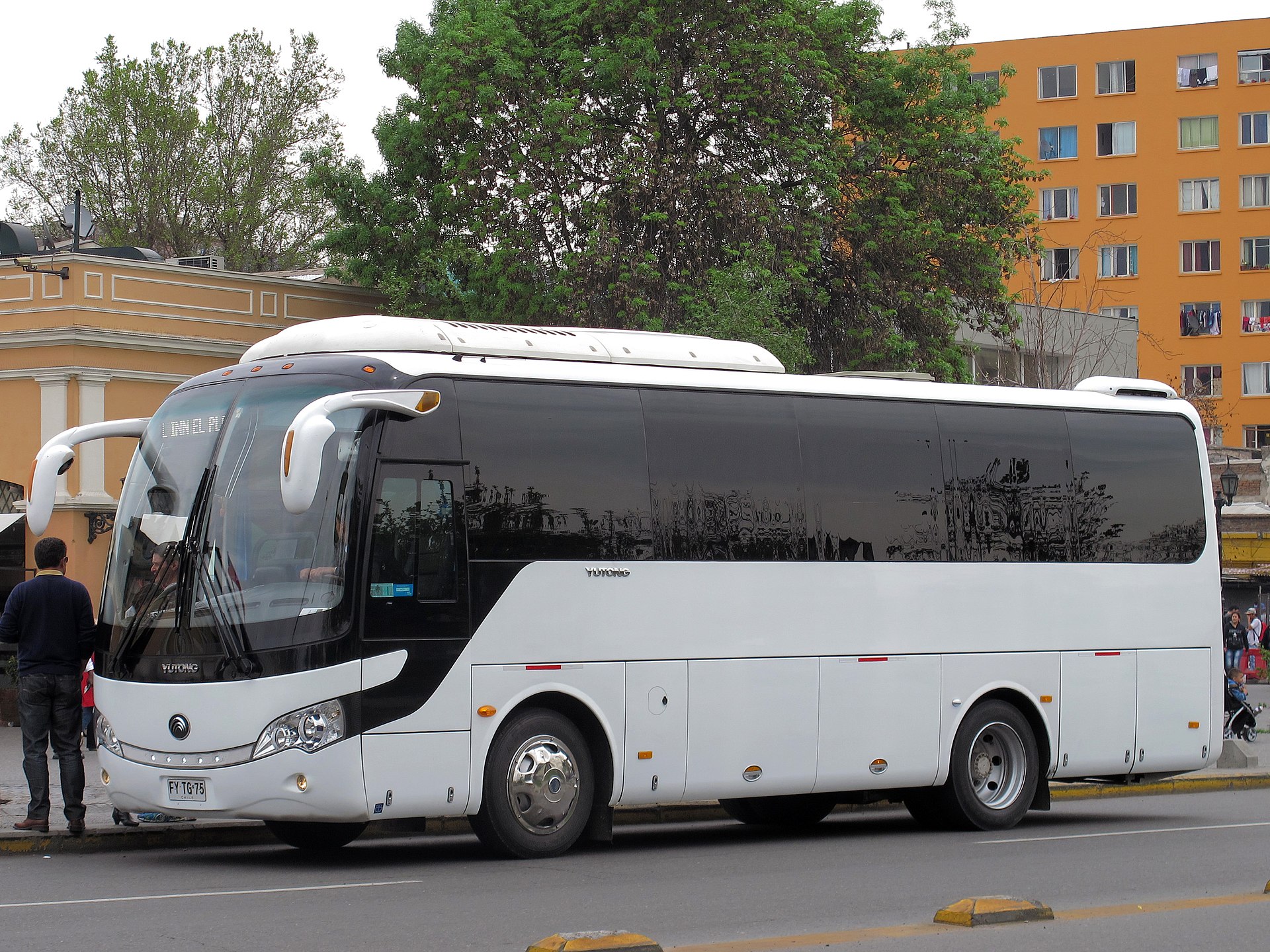
A modern Yutong electric is a different animal to the European diesel that fills most of the catalog, and you feel it the instant you pull away. There's no engine roar and no gearchange — just the faint whine of the inverter and the air-conditioning, and full torque from a standstill, so the bus surges off the stop smoothly and silently. It's the same sensory revolution we described for the battery-electric New Flyer XE: instant, quiet, effortless. Whether you love it or miss the diesel growl, this is the direction the whole industry is driving.
You can get a taste right now: the catalog's Yutong H12 Hybrid is the brand itself, and the battery-electric Mascarello BYD pairs a Brazilian body with the other Chinese electric giant's running gear. Browse the Yutong mods to drive the future of the bus.