Bus Simulator vs OMSI: Console Polish or Modding Depth?
Ask two bus-sim fans what the best game in the genre is and you can start an argument that runs for hours. One will say Bus Simulator — the slick, licensed, console-ready series from Astragon. The other will say OMSI — the rough, deep, PC-only cult classic. They are both right, because they are answering two completely different questions.
This isn't really a fight about which game is better. It's a fight about what you want from sitting in a driver's seat: a polished, ready-made experience, or an open platform you can rebuild forever. Here's how the two philosophies actually differ — and how to tell which one is for you.
The Astragon way: licensed, polished, social
The Bus Simulator series, developed by stillalive studios and published by Astragon, is the genre at its most accessible. Bus Simulator 18 (2018) and Bus Simulator 21 (2021) brought the bus sim to PlayStation and Xbox as well as PC, and built the whole experience around polish and authenticity.
Its headline feature is officially licensed metal. Bus Simulator 21 shipped with 10 real-world brands — Mercedes-Benz, MAN, Scania, Setra, Volvo, IVECO BUS, Alexander Dennis, BYD, Blue Bird and Grande West — across 30 licensed models. On top of that sit things OMSI never offered: synced co-op multiplayer, and a company-management layer where you build timetables, buy and sell buses, and plan routes like a transport boss rather than just a driver.
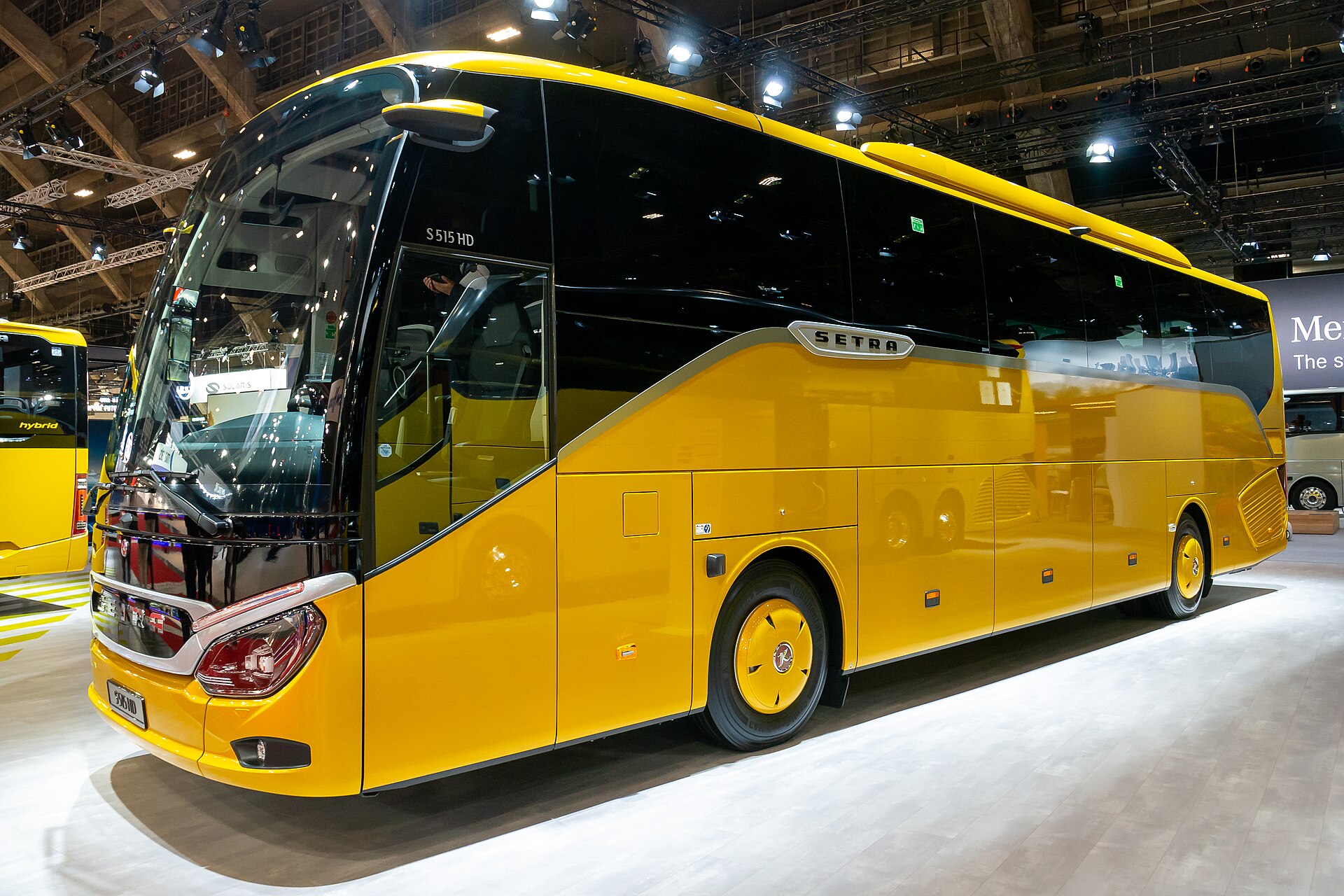
It even supports mods — but in a curated way that fits its console-and-PC reach. Bus Simulator 18 used Steam Workshop; Bus Simulator 21 moved to a mod.io system covering custom vehicles, skins, map edits and decals. It's real modding, but it's a managed storefront, not an open toolbox.
The OMSI way: open, deep, endless
OMSI comes at the hobby from the opposite direction. There's no console version, no multiplayer, no company-management meta — and the base game ships with a single manufacturer's worth of old Berlin buses. What it has instead is depth and openness that nothing else matches: a built-in script engine that lets modders rewrite how a bus behaves, and a full map editor for building entire cities from nothing.
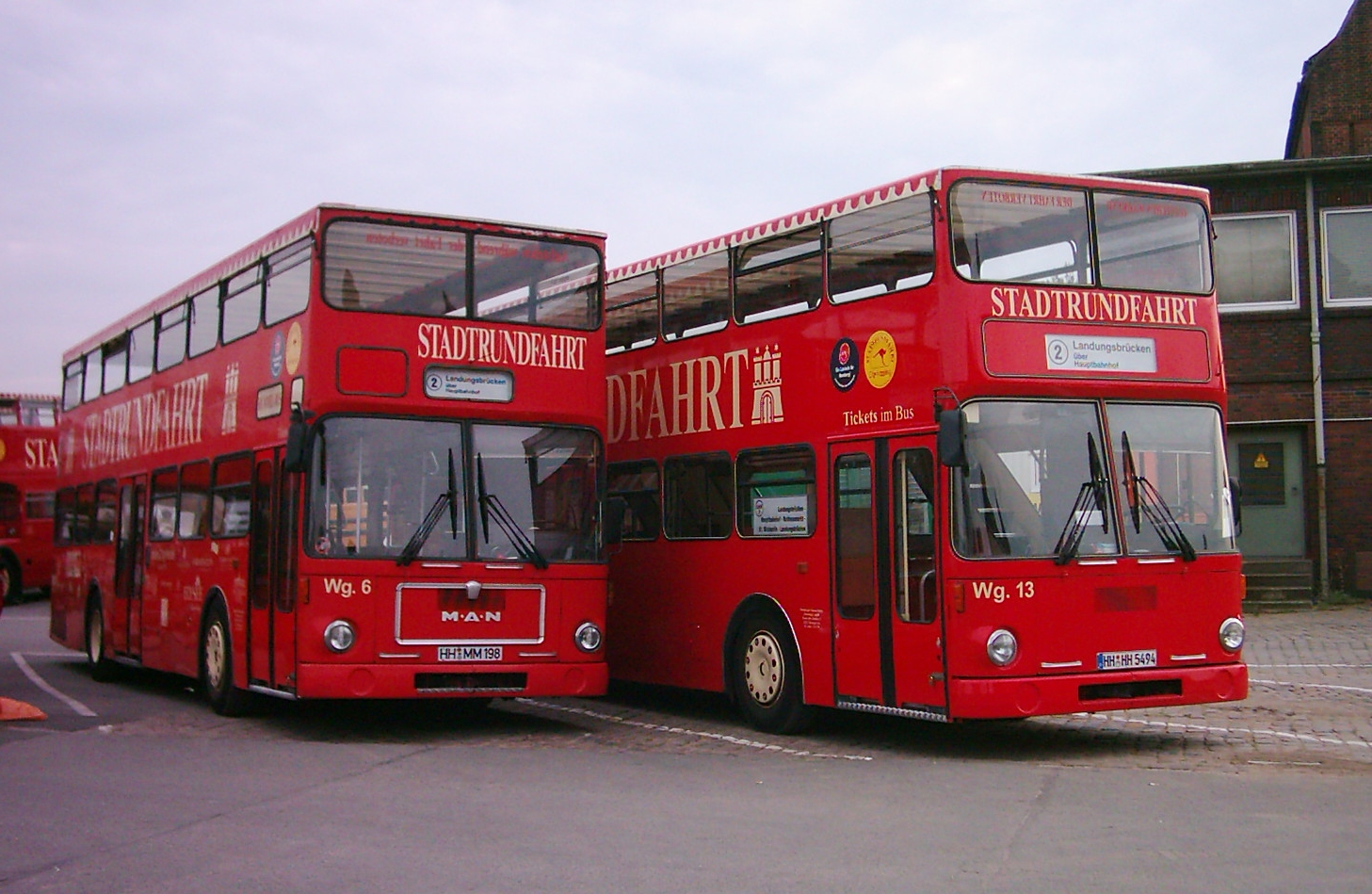
That openness is why OMSI's community is so famous (we tell its full story in our OMSI 2 deep dive). Where Bus Simulator hands you a finished, licensed product, OMSI hands you a platform and a toolkit and says "go build". The trade-off is obvious the moment you start it: it's rougher, older-looking and steeper to learn. You pay in polish for what you gain in freedom.
So which one is better?
Honestly, it depends entirely on the player:
- Choose Bus Simulator if you want to plug in a controller, drive a real licensed Mercedes or Setra through a good-looking city, run routes with a friend, and maybe manage a little bus empire — with mods as a bonus, not the main event.
- Choose the OMSI school if the modding is the point — if you want to recreate your own city, tweak how every switch behaves, and never run out of community content, and you don't mind a rougher ride to get there.
Most newcomers are happier starting with the polish. The people who stay in the hobby for years almost always drift toward the open platforms — because a finite, licensed fleet eventually runs dry, and an open one never does.
Where Proton Bus fits
This is exactly the gap Proton Bus Simulator fills. It took OMSI's open-everything philosophy and put it on mobile — deep modding, custom maps, a bottomless community library — without needing a gaming PC or a console (its origin story is here). It's the modding-depth answer, in your pocket.
And that's where this catalogue comes in: every mod here is made for Proton Bus Simulator (Android and PC), not for OMSI or the Astragon games, which all use different formats. If the "open platform" side of this debate is the one that appeals to you, you can browse the catalogue right now — including the Mercedes-Benz buses like the Citaro O530 — drop a .zip into the game's folder, and drive your own city.
Frequently asked questions
Is Bus Simulator 21 better than OMSI 2?
Does Bus Simulator have mods like OMSI?
Which bus simulator has the most mods?
Can I use OMSI or Bus Simulator mods in Proton Bus Simulator?
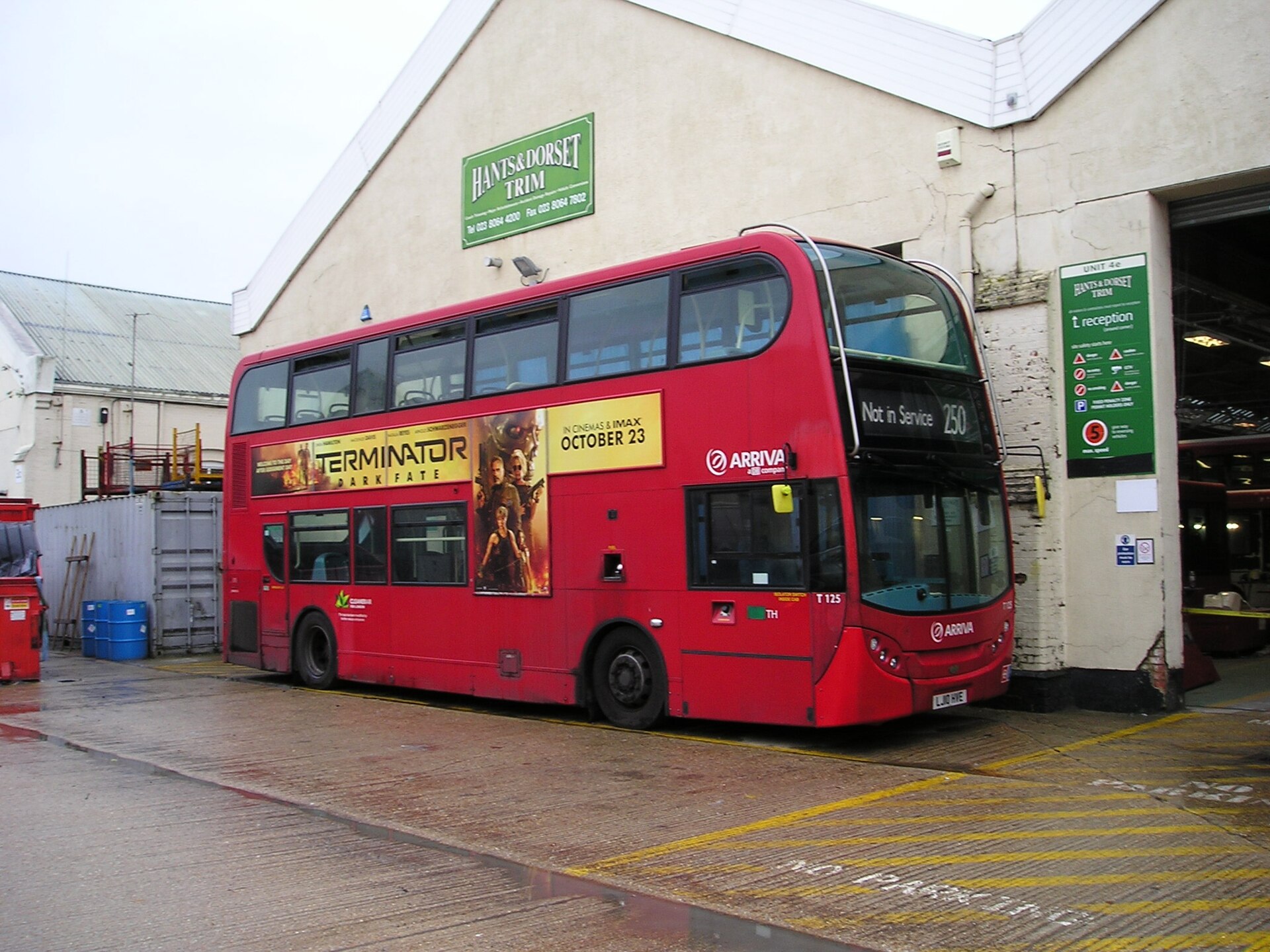
Hero image: an Alexander Dennis double-decker in London — Photo: Kk70088, CC BY-SA 4.0, via Wikimedia Commons.