What Do BYD Bus Names Mean? (K6, K7, K8, K9 and the Electric K-Series)
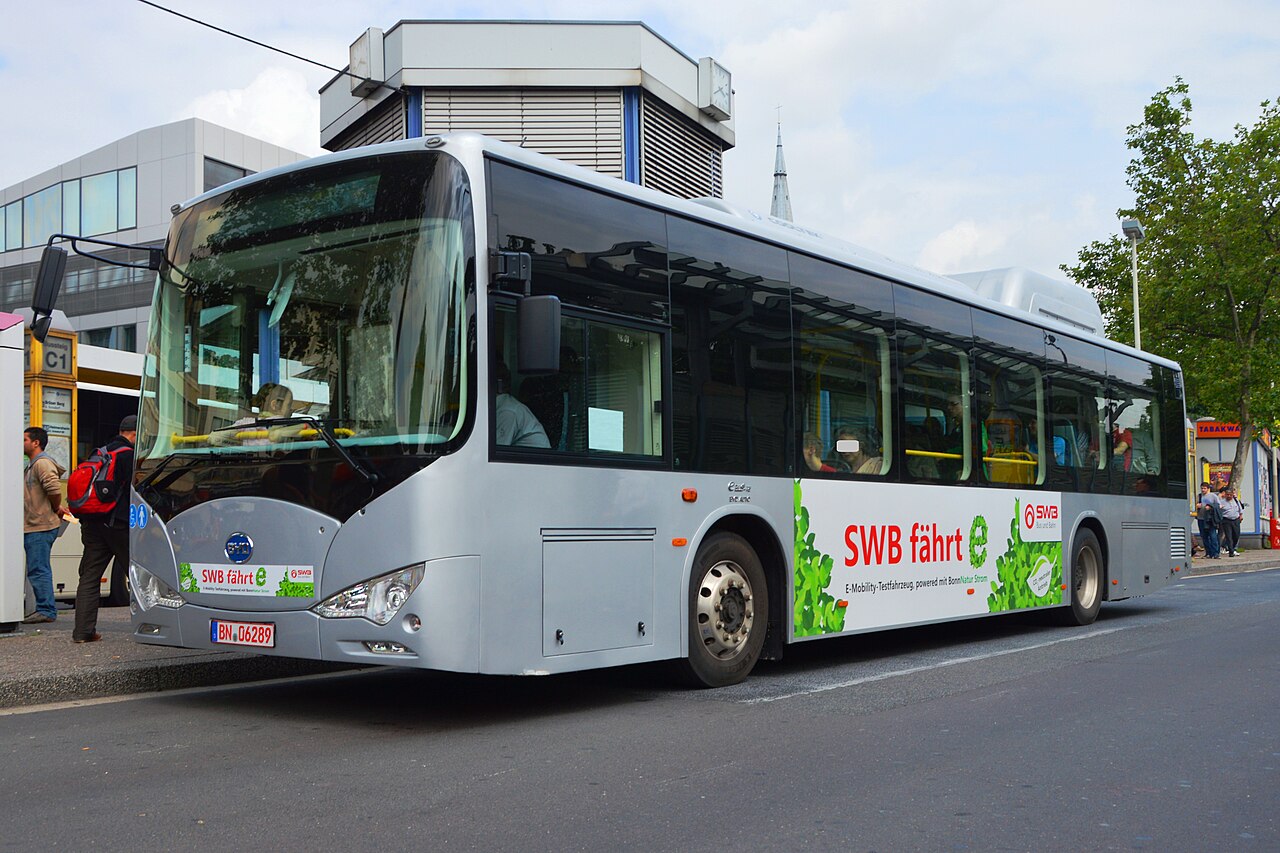
Open the Chinese section of the garage and BYD's buses all wear the same kind of badge: a K, then a number. K7, K8, K9. It looks like an anonymous product code — and it is one — but it is also one of the easiest bus names in the world to read, once you know the single trick behind it. Here is what BYD's "K" means, what each size actually is, and how reading the badge tells you how the bus will drive before you even pull away.
The code is length, and almost nothing else
Most bus names hide a chassis or an engine. A Volvo B7R points at a 7-litre engine; a Mercedes O500 names a chassis family. BYD does something far simpler. In its model numbers the K stands for "transit bus," and the number is the nominal length — a bigger number means a longer bus, and that is the whole system. Learn one number line and you have read the entire range.
That simplicity is not an accident. It comes straight from what a BYD bus is, which is where the names stop looking like anyone else's.
Why BYD names look nothing like a diesel bus's
A diesel bus name has to describe an engine and a chassis, because those are the parts that change. A BYD is battery-first: it runs on BYD's own lithium iron-phosphate (LiFePO4) batteries driving an electric motor, and that drivetrain is essentially the same idea scaled up and down the range. There is no engine litreage to name and no separate chassis maker to credit.
So the only thing really worth putting in the name is the size of the box — which is exactly what the number is. One useful side effect for a driver: the heavy battery packs sit low, in the rear and along the sides of the bus, not up on the roof. That low, rearward mass is something you can feel, and we will come back to it.
The BYD K-series, decoded
Here is the whole ladder. Read down the number and you are reading up the length:
| Model | Length | Body |
|---|---|---|
| K6 | 6.5 m (20 ft) | Compact single-deck |
| K7 | 8.5 m (30 ft) | Midibus |
| K8 | 10.5 m (35 ft) | Single-deck |
| K8S | 10.5 m | Double-deck (the "S") |
| K9 | 12 m (40 ft) | Standard city bus — the flagship |
| K10 | 14 m (45 ft) | Long single-deck (airport) |
| K11 | 18 m (60 ft) | Articulated (two sections) |
The one you will meet most is the K9: a 12-metre, 40-foot standard city bus that has become BYD's global default and the model most people picture when they hear "electric bus."
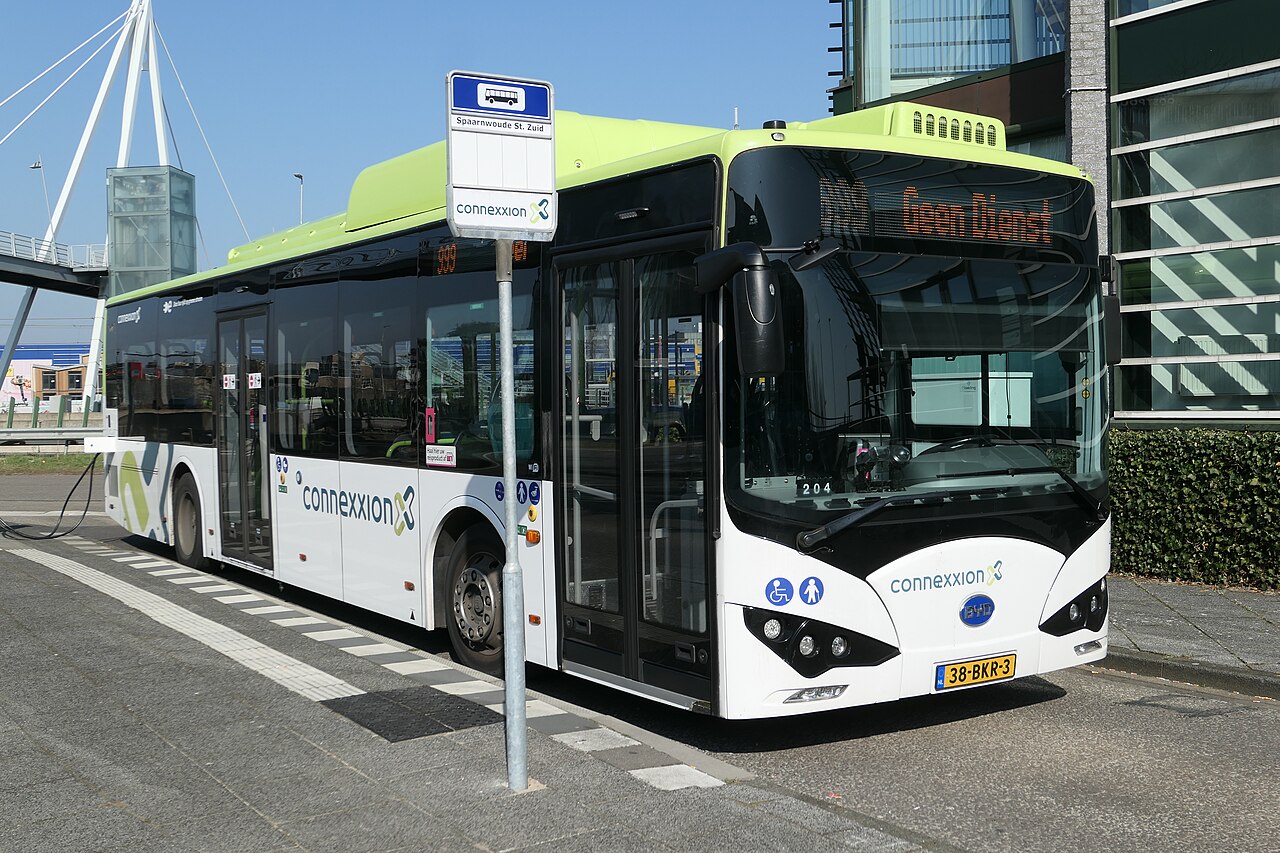
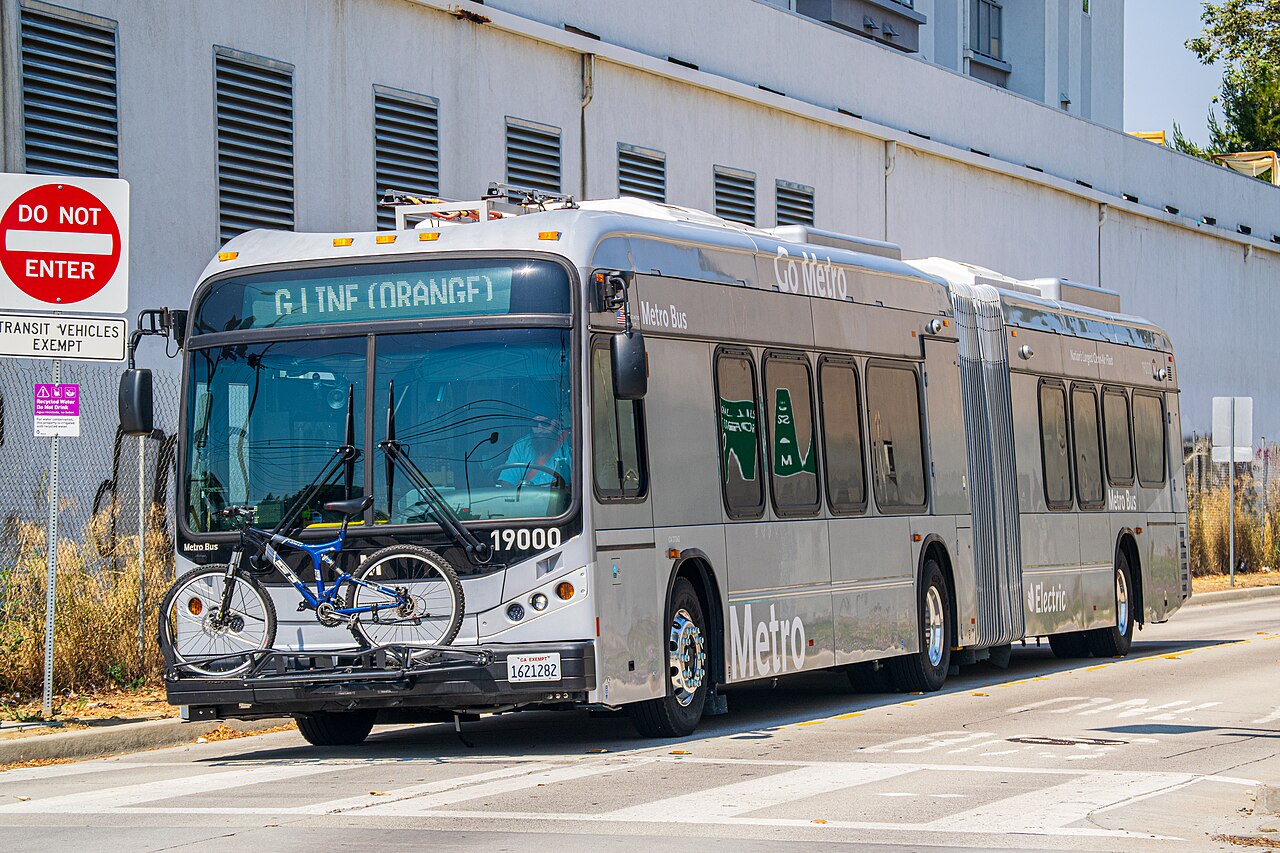
Two small twists are worth knowing. An S after the number, as in K8S, means a double-decker — same footprint, two floors. And at the top of the ladder the K11 stretches to a full 18-metre articulated bus, with the familiar bending joint in the middle.
What the code tells you before you drive
This is where reading the badge pays off in the simulator. A K9 is not a diesel you conduct through revs and gears; it is electric, and it feels it. Three things follow straight from the code and the battery layout:
- It launches in near silence. There is no engine note — just a faint inverter whine and instant torque off the stop, smooth and immediate.
- It feels planted and rear-heavy. Those low, rearward battery packs sit the mass down near the road, so the bus settles rather than leans, with the weight noticeably toward the back.
- You drive it on the brake pedal early. With regenerative braking, lifting off sooner and letting the motor slow the bus is how you drive it well — engine-braking habits do not apply.
Read "K9" and you already know most of it: 12 metres, city-standard, silent, torquey, heavy-tailed. The number sets the size; the "electric" sets the feel.
The BYD you might not know was a BYD
Sometimes the K-series hides under a very different badge. Britain's Alexander Dennis built the first generation of its Enviro400EV electric double-decker (from 2018 to 2024, at its Scarborough factory) as an ADL body sitting on a BYD K-series electric chassis — a British bus on Chinese running gear. It is a neat reminder that one bus can carry two makers' names: the body builder on the outside, and the electric chassis underneath. (Alexander Dennis later moved the Enviro400EV to its own in-house platform.)
BYD vs Yutong: two Chinese giants, two philosophies
BYD is not China's only electric heavyweight, and it is easy to mix it up with Yutong, the country's overall volume champion. The split is simple. Yutong is the biggest bus maker by sheer numbers across every fuel type; BYD is the battery-first specialist that also makes its own battery cells, and it counts its electric buses in the tens of thousands worldwide. They are two different bets on what a bus company should be — and both sit in the same Chinese garage alongside the King Long, Higer and Golden Dragon family.
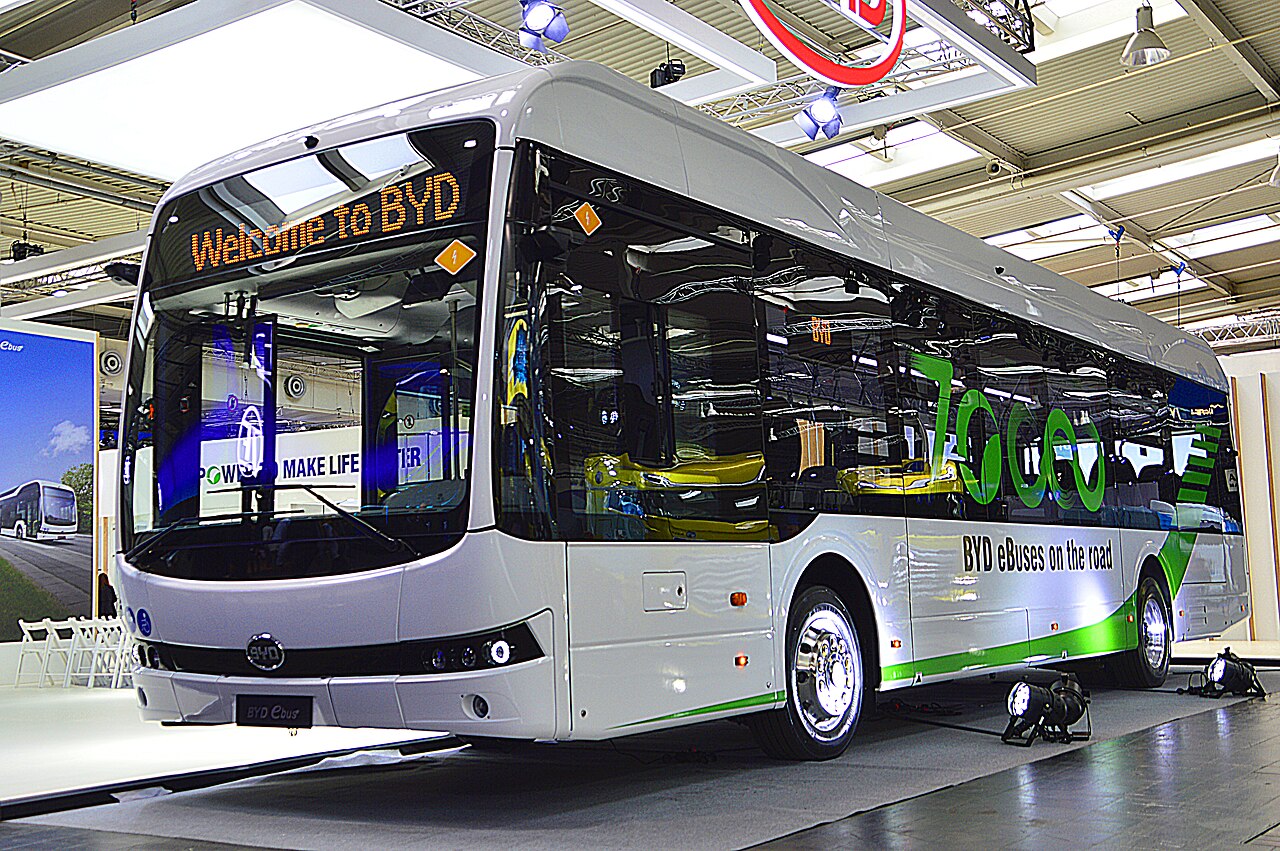
Want to feel the silent surge for yourself? The BYD K8 electric city bus mod is a fine place to start, and you can browse the rest on the BYD bus mods page. For the wider story of how the electric bus came back, read our history of 140 years of the electric bus.
FAQ
What does K9 mean on a BYD bus?
How long is a BYD K8?
Is BYD the biggest electric bus maker?
What does the K stand for in BYD bus names?
Sources
- BYD K series — Wikipedia — the naming logic (K = transit bus, number = nominal length), the model lengths (K6–K11), and the LiFePO4 batteries mounted in the rear and sides.
- BYD Bus — BYD USA — the K-series line-up and battery-electric specifications.
- Alexander Dennis Enviro400EV — Wikipedia — the first-generation Enviro400EV (2018–2024) built on a BYD K-series chassis at ADL's Scarborough factory.
- Enviro400EV — Alexander Dennis — the BYD–ADL electric double-decker partnership.
Hero: a BYD K-series electric bus by Spielvogel, CC0, via Wikimedia Commons. In-body photos credited in their captions.