The Toyota Coaster: The Minibus That Runs the World
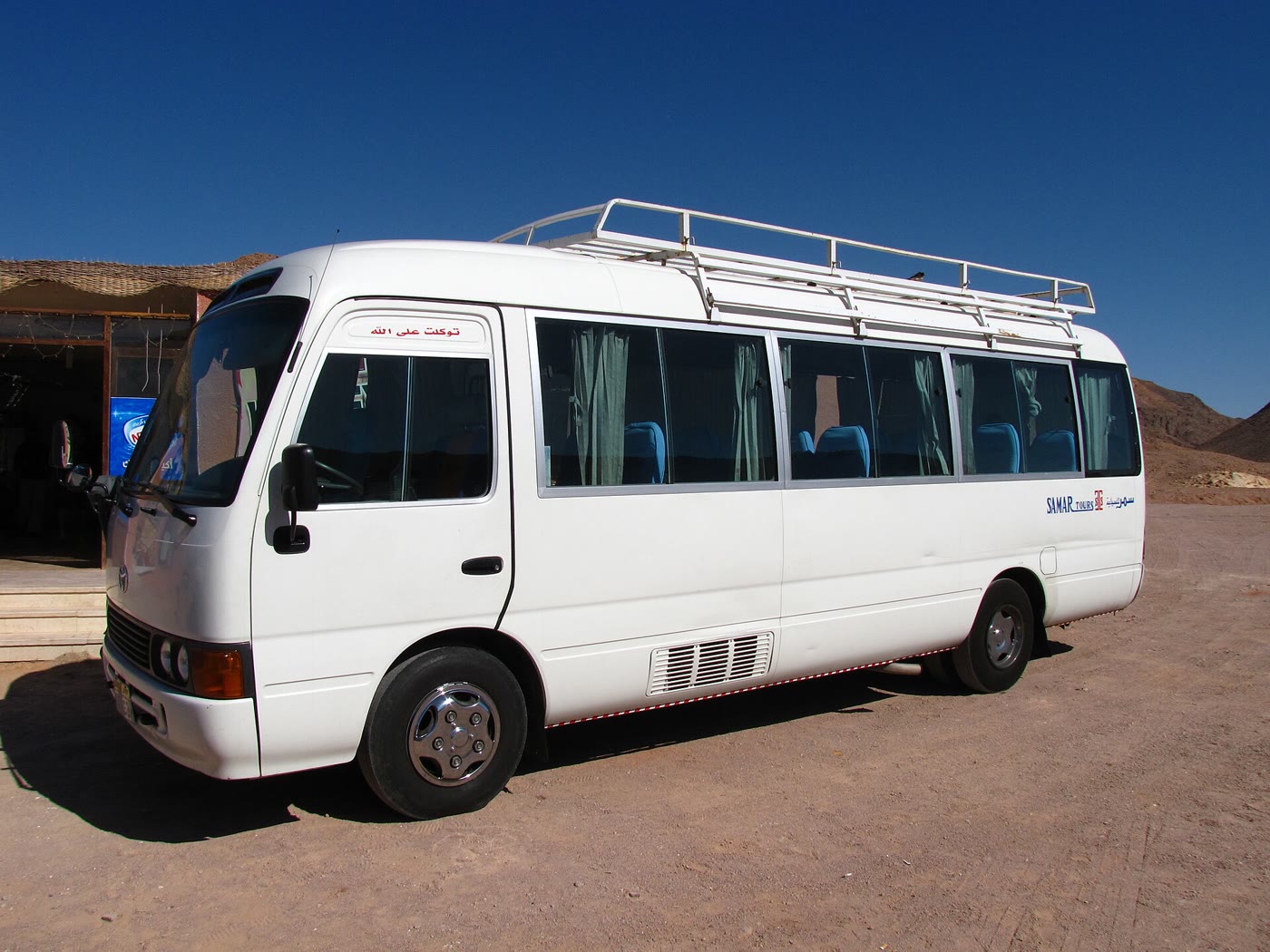
Across half the world, "the bus" is a small white Toyota. The Toyota Coaster has carried passengers since 1969, and in much of Asia, Africa and the Pacific it is the everyday minibus people ride to work, school and church.
This is the story of the Toyota Coaster: what it is, its four generations, why it spread so far, and how this little truck-with-seats feels to drive. It is also a perfect example of the minibus — a bus built deliberately small.
What the Toyota Coaster is
The Coaster is a light-duty minibus. In February 1969 Toyota took the "light bus" version of its Dyna truck, fully remodelled it, and launched it as the Coaster — a 26-seat minibus on its own frame (Toyota). That truck DNA never left: the engine sits up front, drive goes to the rear wheels, and the whole thing is closer to a small lorry than to a city bus.
Seating depends on the version. The current generation seats about 25 in standard form, with long-wheelbase versions up to 29 (Wikipedia).
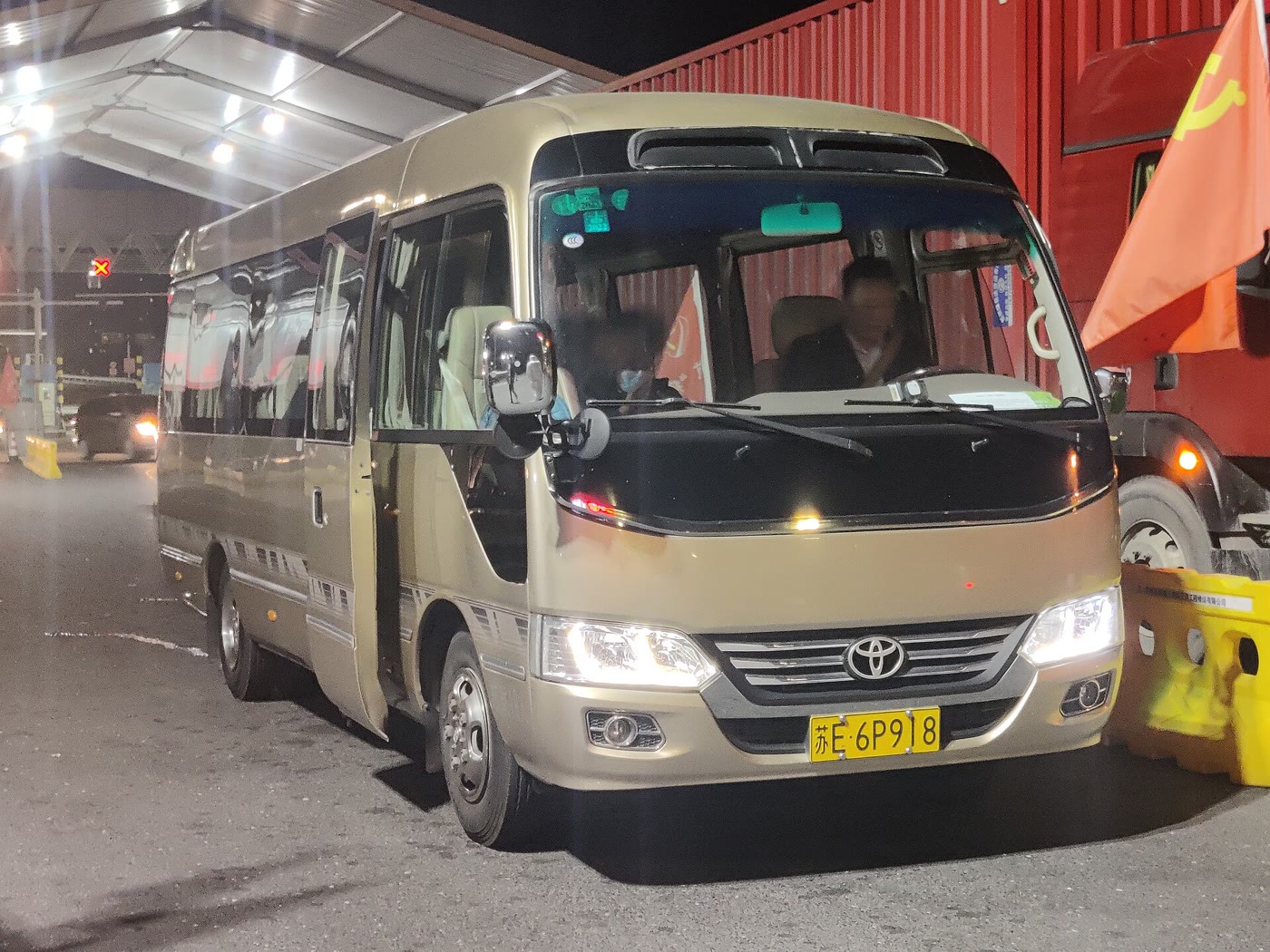
In the sim you feel the truck roots straight away. The Coaster steers lighter than a heavy urban bus and the front diesel mutters right beside you, not behind the back row.
Four generations, barely changed
What makes the Coaster remarkable is how little it has changed. In over fifty years it has had only four generations, and the third one alone ran for 23 years.
| Generation | Years | What changed |
|---|---|---|
| First | 1969–1980 | 26-seat minibus derived from the Dyna light truck |
| Second | 1982–1992 | wraparound windscreen, thicker rear pillars |
| Third | 1993–2016 | aerodynamic restyle, all-diesel, a 23-year run |
| Fourth | 2016–present | first full redesign in 24 years |
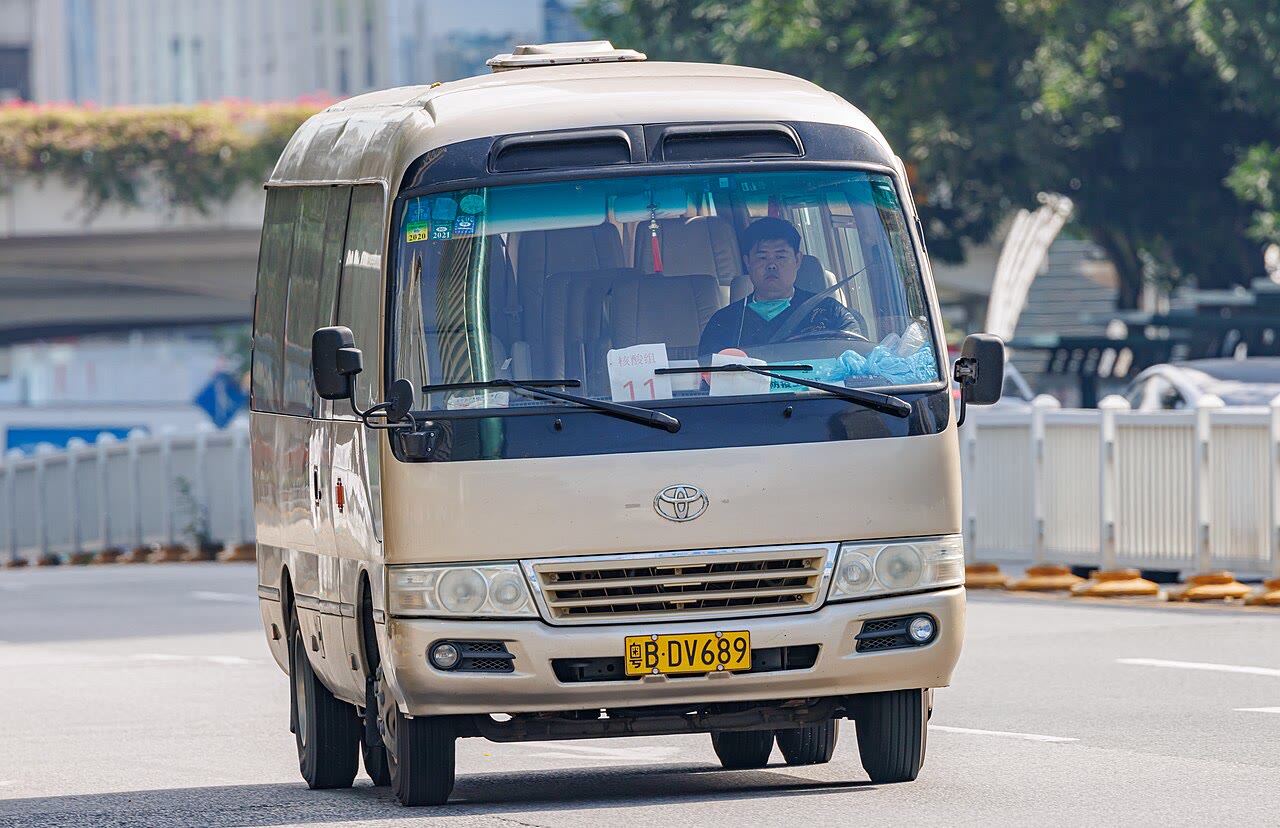
(Generations per Wikipedia; the 1993 third generation is confirmed on Toyota's own history.) Park an older Coaster mod next to a new one in the sim and the family resemblance is obvious — the proportions barely moved across half a century.
Why the Coaster is everywhere
The Coaster's reach is its real story. It is common in Japan, Singapore, Hong Kong and Australia, and it is a backbone of everyday transport across Africa, the Middle East, South Asia, the Caribbean and Latin America (Wikipedia).
The reasons are simple. It is tough, it is cheap to keep running, and Toyota's parts and service reach almost everywhere. For a small operator, a Coaster is a bus you can actually afford to own and fix.
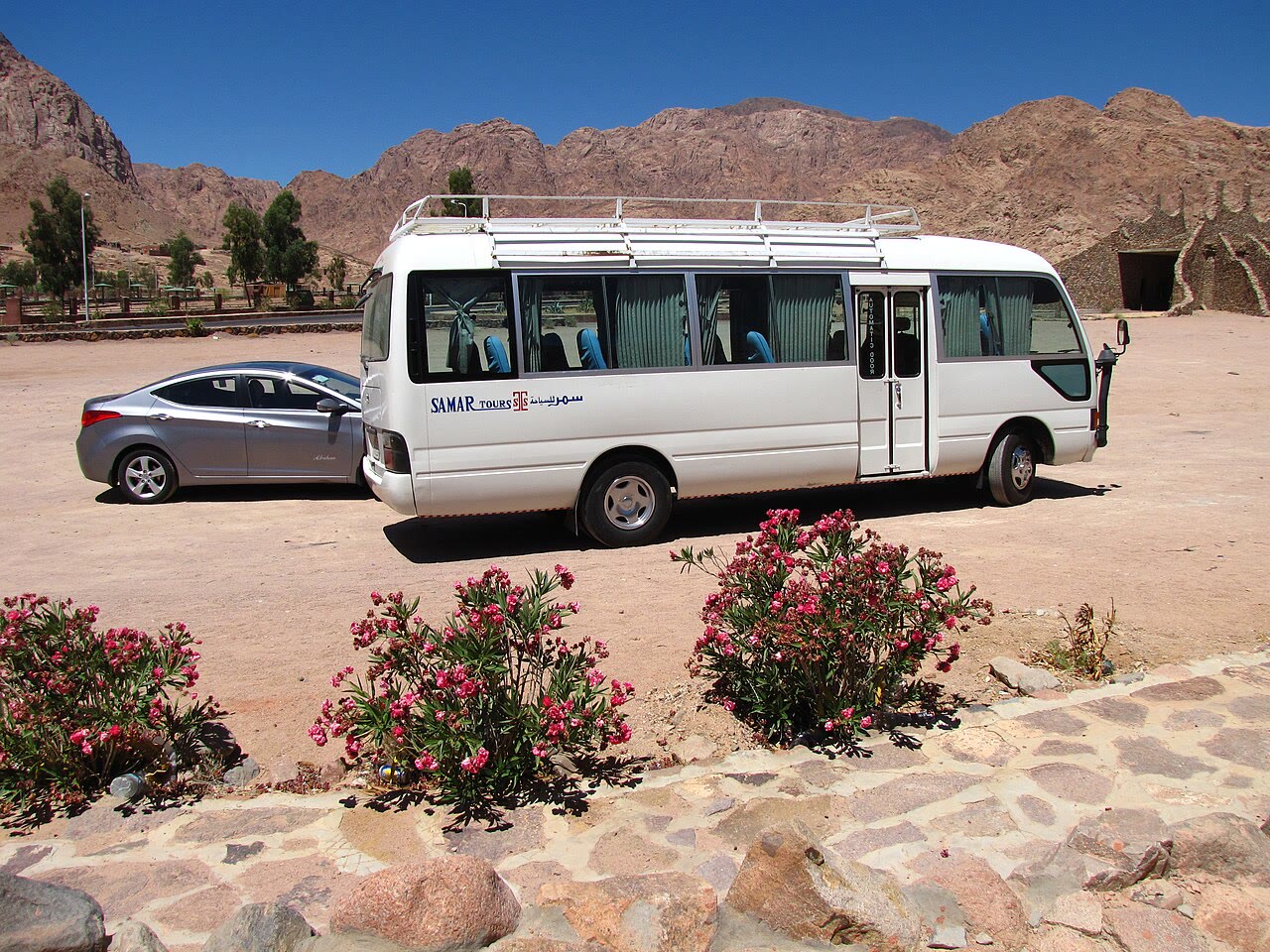
It is the bus you end up recreating on a dusty rural line in the sim, because that is precisely where the real one lives.
What it's like to drive
The Coaster does not pretend to be a luxury coach. It is honest, and that is half the charm.
Early Coasters mixed petrol and small diesels; by the 1990s the third generation ran a diesel line-up — the 4.2-litre 1HD-T turbo, the 1HZ and the 3B (Toyota) — and the current generation uses Toyota's modern diesel (Wikipedia). With the engine up front and drive at the rear, it behaves like a small truck: short gearing, a firm ride, and a gearbox that wants smooth, deliberate shifts.
In Proton Bus Simulator we notice it most after a big low-floor city bus. The Coaster feels light and a little rough — it rocks over bumps a heavy bus would flatten, and it asks you to drive it gently rather than fling it about.
Driving the Coaster in Proton Bus Simulator
If you have only driven the big urban buses in the sim, the Coaster is worth a try precisely because it feels nothing like them. A short, light, front-engined minibus changes how you plan a stop, a hill and a tight turn.
Browse the Toyota bus mods to put one on your route, and if you want the wider context, read how the minibus and the midibus came to be.
FAQ
How many passengers does a Toyota Coaster seat?
Is the Toyota Coaster still in production?
What engine does the Toyota Coaster have?
What is a Toyota Coaster based on?
Why is the Toyota Coaster so popular?
Sources
- Toyota — 75 Years of Toyota: Coaster (1st generation) — February 1969 launch, derived from the Dyna light bus, 26 seats.
- Toyota — 75 Years of Toyota: Coaster (3rd generation) — the January 1993 third generation and its 1HD-T / 1HZ / 3B diesel line-up.
- Toyota Coaster — Wikipedia — the four generations, current seating, and worldwide use.