Why Soviet Buses Look So Different: The PAZ and LiAZ Story
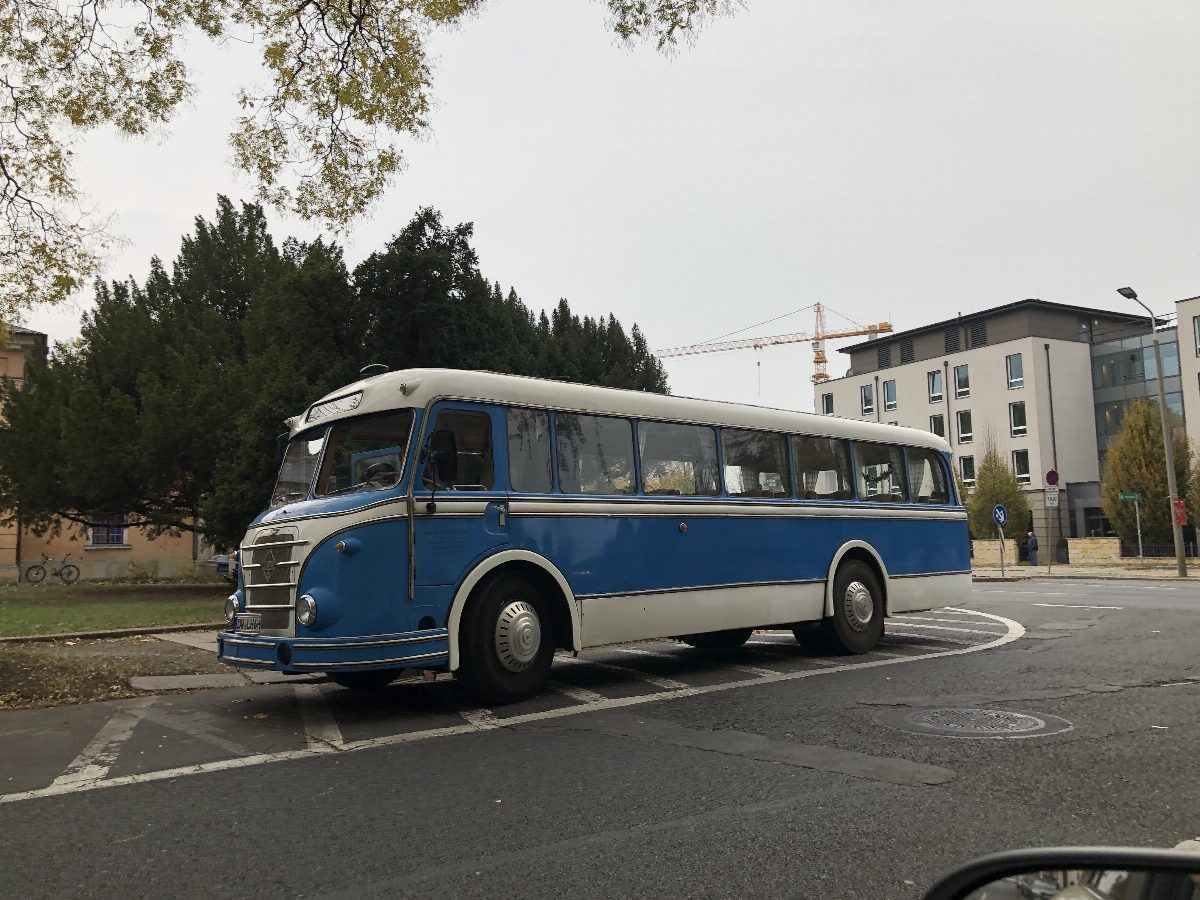
If you have driven a Russian bus mod, you have met them: boxy, rugged machines that look like nothing from Western Europe. Soviet and Russian buses follow their own design logic, and two factories tell most of the story — PAZ and LiAZ.
This is why Soviet buses look and feel so different: the little PAZ that runs the countryside, the big LiAZ that ran the cities, and the rugged simplicity behind both.
Two factories, two kinds of bus
Russian buses split neatly into two families. PAZ — the Pavlovo Bus Factory — builds small, front-engined buses for towns and villages. LiAZ — the Likinsky Bus Plant — builds the big city buses that filled Soviet streets. Learn those two names and most Russian bus mods suddenly make sense.
The PAZ: Russia's little workhorse
The PAZ-3205 is the small bus you see everywhere east of Poland. Launched on 1 December 1989, it became so dominant that it made up at least 80% of PAZ's output through the 2000s (Wikipedia). It is still built today, with a facelift added in 2013.
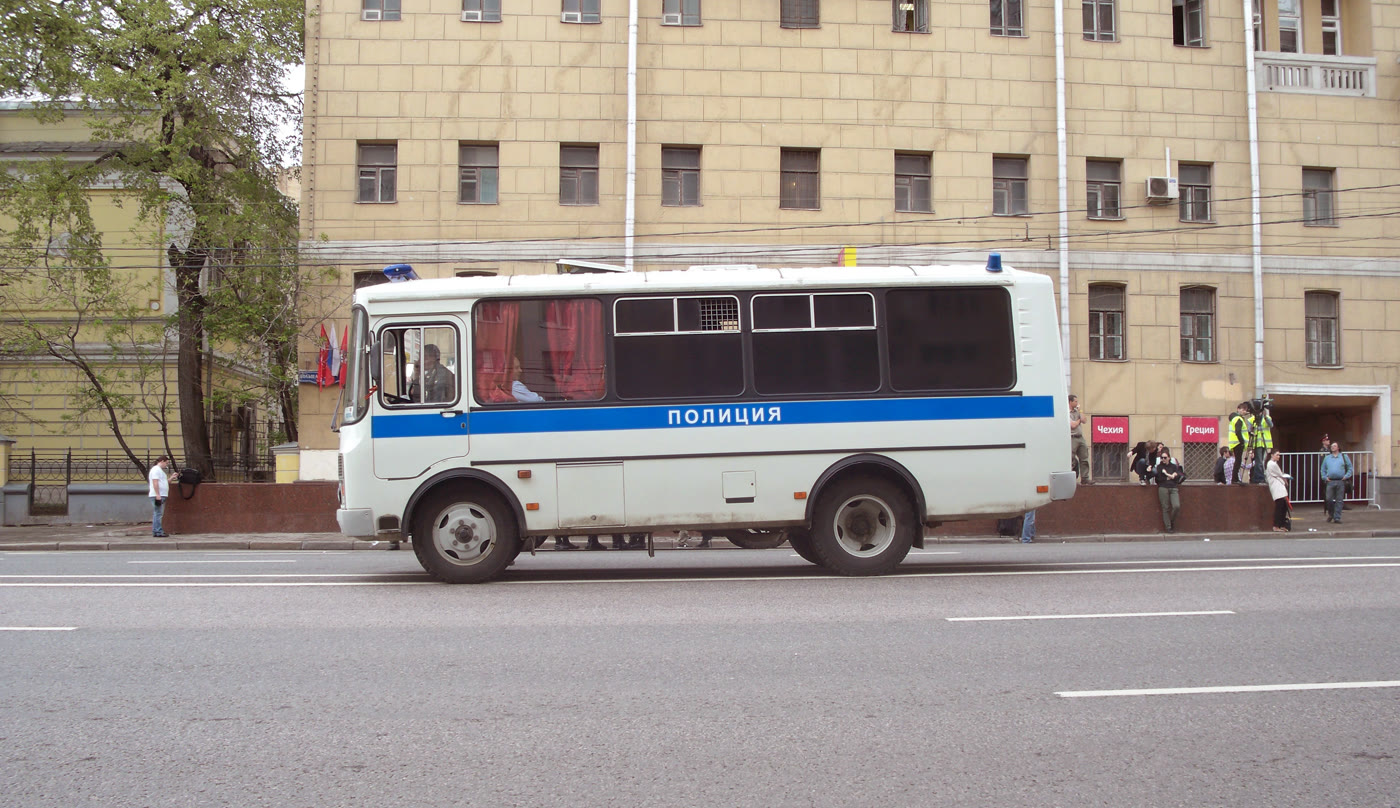
It is a simple machine: a front-mounted engine, a step up at the door, and bench seats for about 28 with room for more standing (Wikipedia). You find it as a city marshrutka, a rural service bus, a school bus, even a police van.
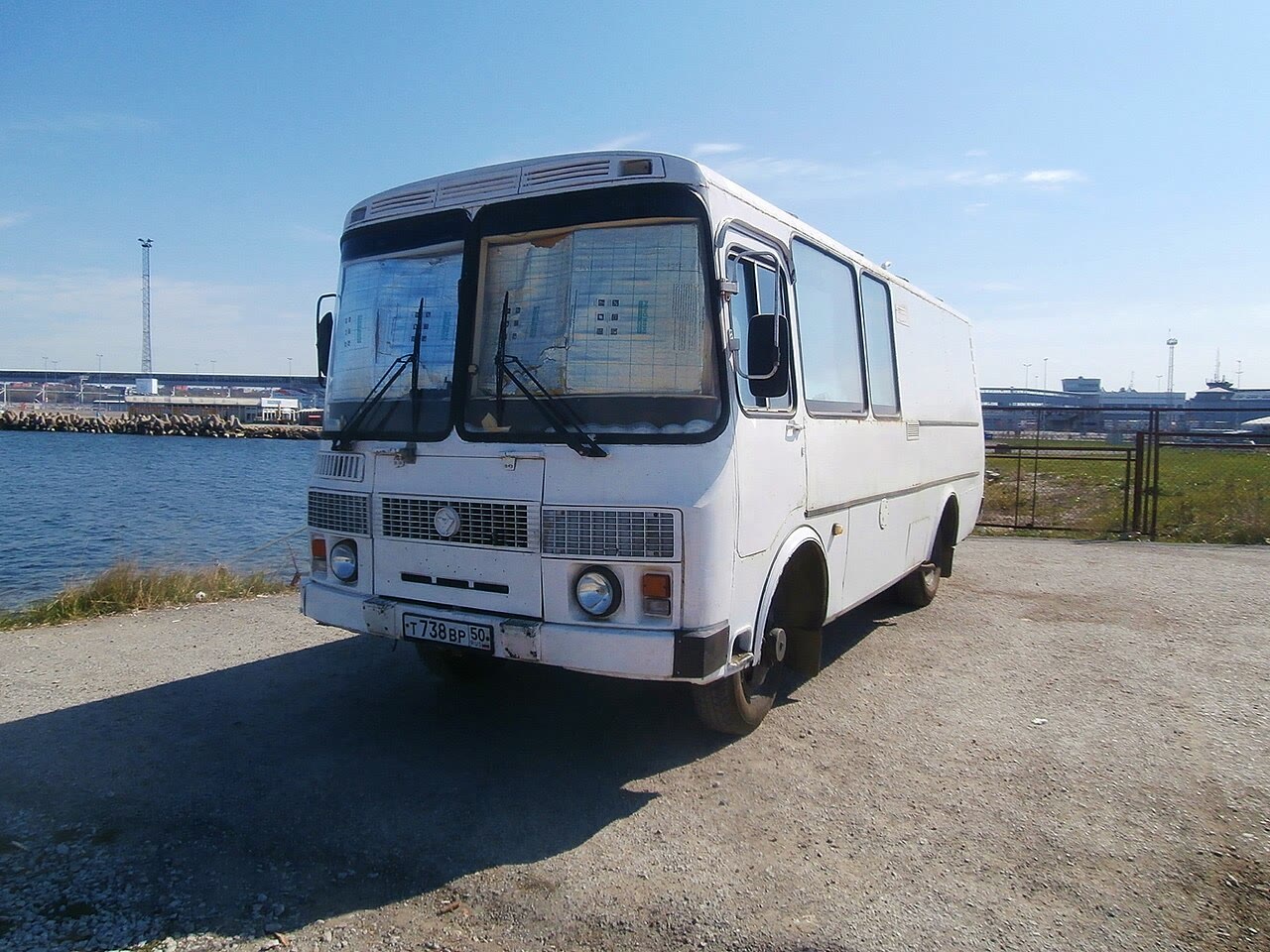
In the sim the PAZ drives exactly like it looks: short, light and hard. The engine sits up front beside you, the gearbox is manual and deliberate, and you feel every joint in the road. It is the opposite of a cushy low-floor bus.
The LiAZ: the bus that ran Soviet cities
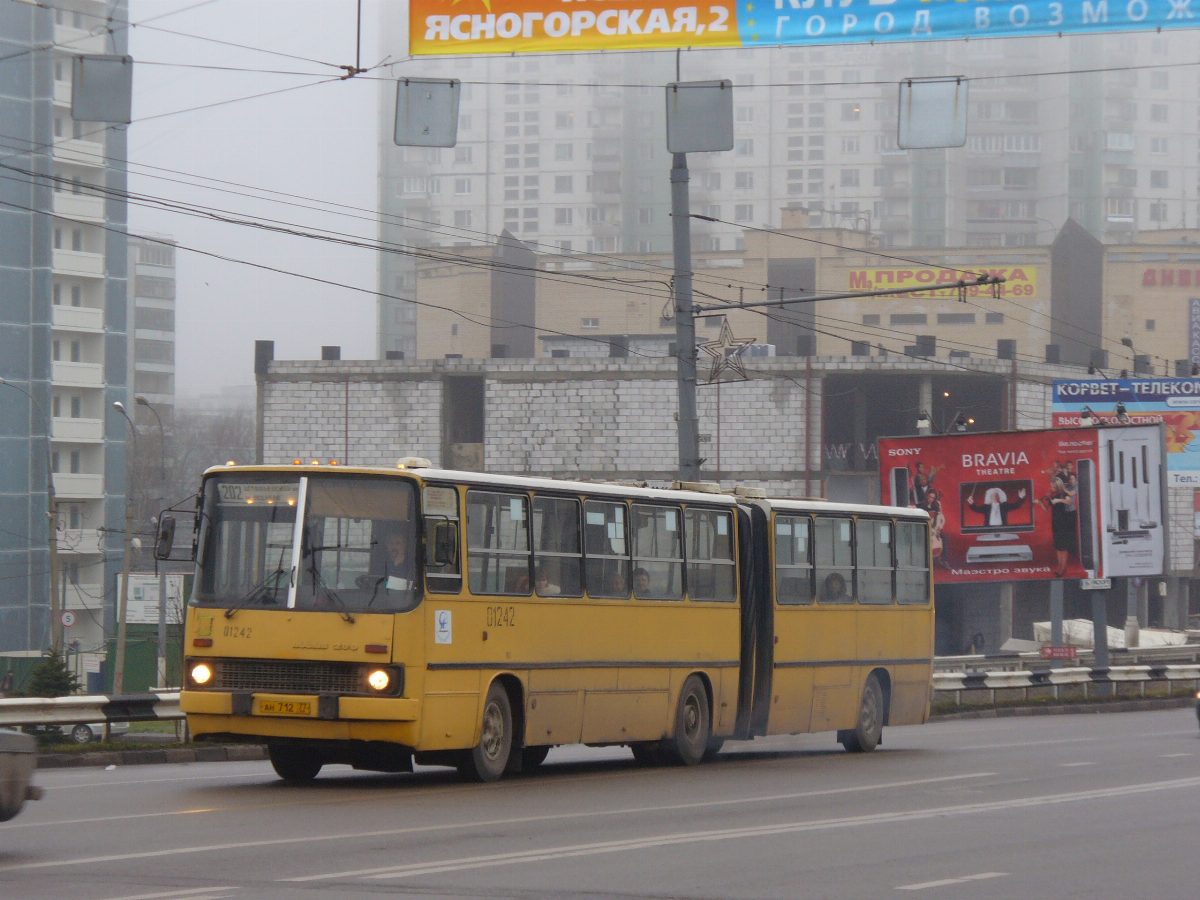
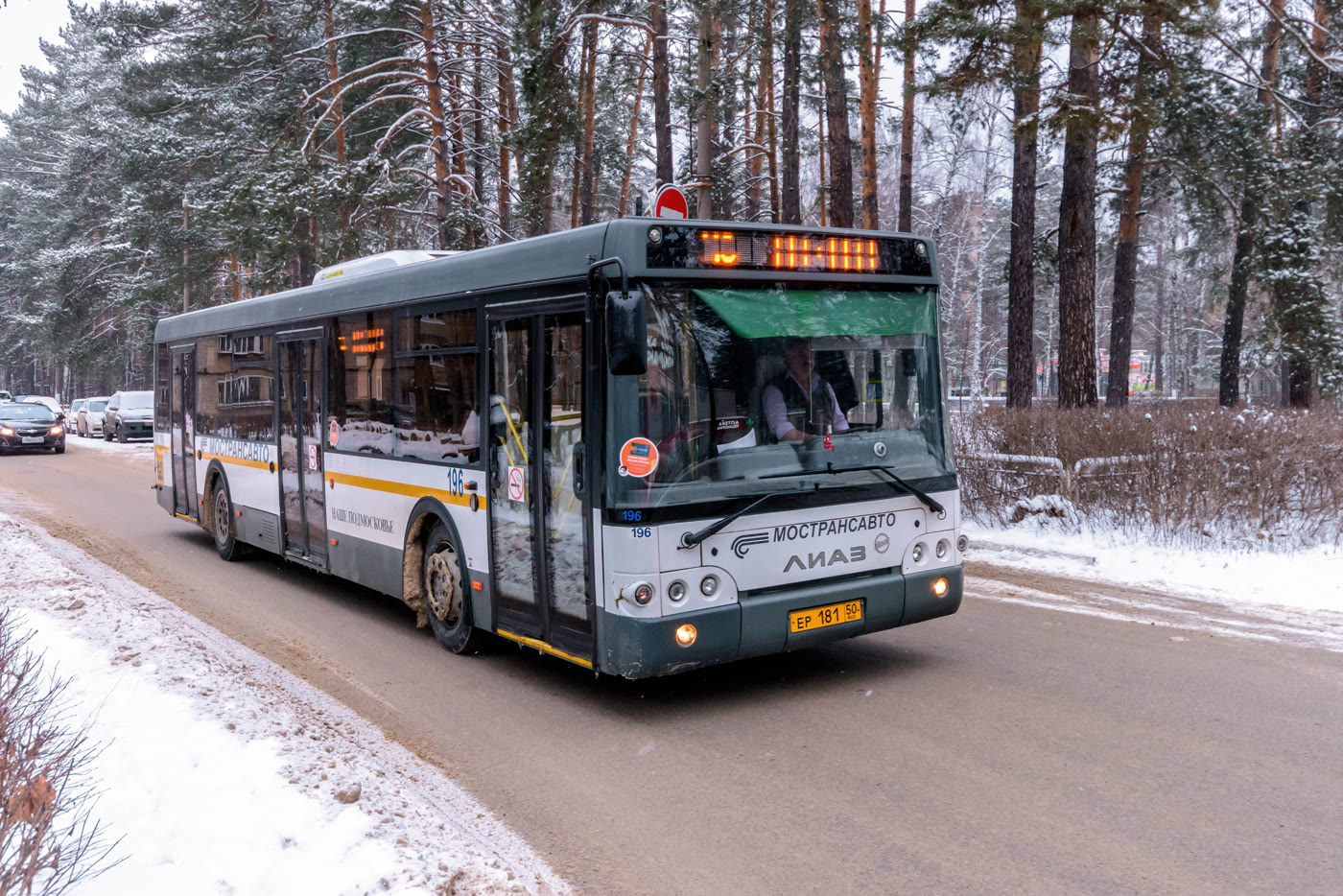
If the PAZ is the countryside, the LiAZ-677 is the city. Built by the Likinsky Bus Plant, it ran in mass production from 1967 to 1994 and was the plant's most popular model (Wikipedia). For a whole Soviet generation, this high-floor bus simply was the city bus.
It hid a surprise under the floor: the LiAZ-677 was the first Soviet bus with a hydromechanical (automatic) gearbox (Wikipedia). In the sim that changes the whole rhythm — no clutch work, just the old automatic shifting itself as you roll between stops.
Why Soviet buses feel different
The look is not an accident. These buses were built for bad roads, hard winters and cheap repair, far from the comfort-first thinking of Western European designers.
So the shapes are boxy and the engineering is rugged and simple. A PAZ can be fixed by the side of a road; a LiAZ-677 was built to keep running through a Russian winter. That honesty is exactly why sim players love them — they feel mechanical and real in a way a polished modern bus does not.
Driving the PAZ and LiAZ in Proton Bus Simulator
The two together cover the whole Russian map: a PAZ for the village marshrutka run, a LiAZ for the big city line. Each one drives nothing like a Western bus, which is half the fun.
The little PAZ is also a great example of the minibus and the midibus — a bus built deliberately small for the routes a full-size bus would waste.
FAQ
What is a PAZ bus?
What is a LiAZ?
What is one of the most common buses in Russia?
Is the PAZ-3205 still made?
Why are Soviet buses built so simply?
Sources
- PAZ-3205 — Wikipedia — the Pavlovo Bus Factory, the December 1989 launch, ~80% of PAZ output, seating and uses, still in production.
- LiAZ-677 — Wikipedia — the Likinsky Bus Plant, 1967–1994 mass production, the plant's most popular model, and the first Soviet bus with an automatic gearbox.