The Volvo B-Series: How One Swedish Chassis Conquered Every Continent
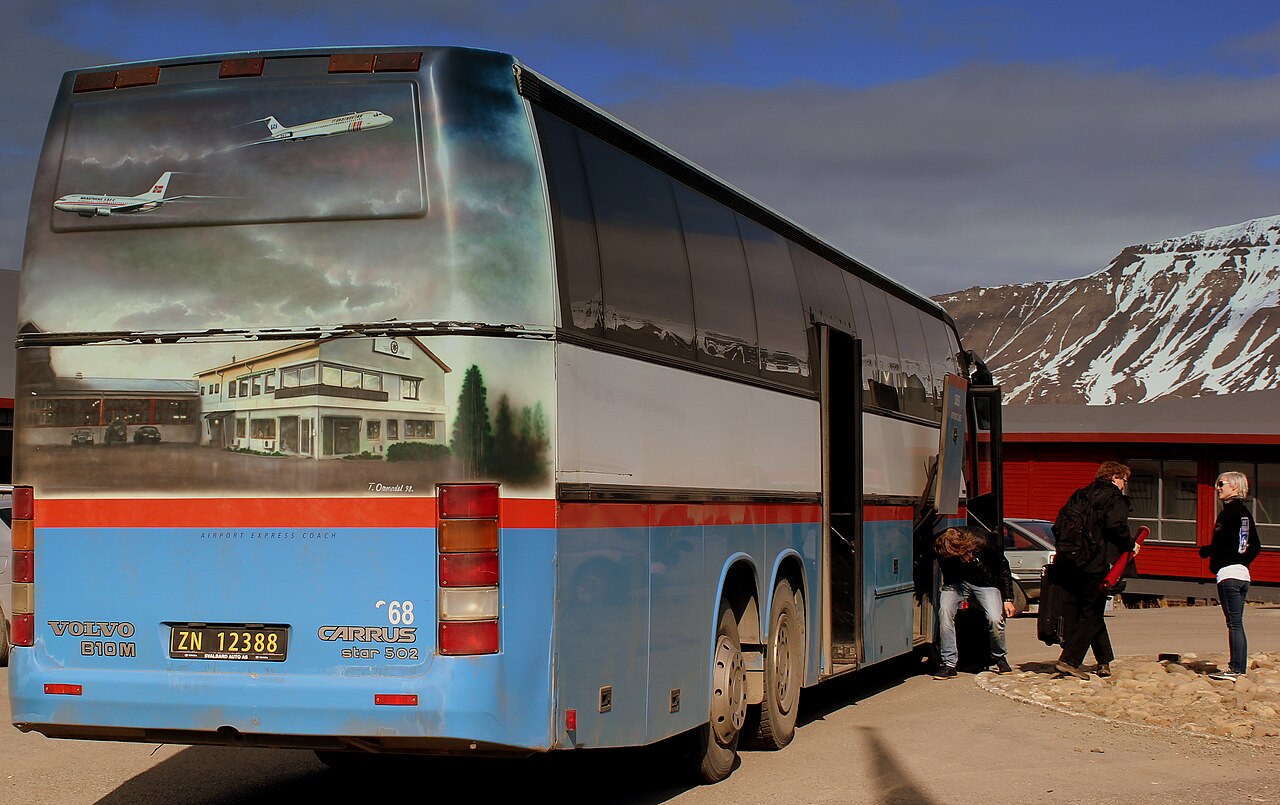
A coach parked at the edge of the Arctic in Svalbard. A double-decker grinding through London traffic. An air-conditioned express crossing India by night. A 28-metre giant gliding down a dedicated busway in Brazil. Four completely different buses, on four continents — and underneath a surprising number of them, the same Swedish DNA: a Volvo "B" bus chassis.
Volvo Buses has never been the flashiest name in transit, but its chassis are everywhere, quietly doing the work. We run a lot of them in Proton Bus Simulator, and the more you drive them the more one thread stands out: where Volvo put the engine. That single decision — mid, rear, or hybrid — is the throughline of the whole B-series story, and it explains how one platform ended up on every continent.
The B10M: the chassis that started it all
The story really begins with the Volvo B10M, built from 1978 to 2003 and one of the best-selling bus and coach chassis the United Kingdom ever saw through the 1980s and 1990s. Its trick was the engine: a 9.6-litre diesel mounted horizontally, under the floor, behind the front axle — roughly amidships. Lying the engine flat in the middle kept the weight low and central and left both ends of the chassis free for the body builder to do as they pleased.
That flexibility is why the B10M turned up as everything. The same chassis became a luxury coach, a rugged city bus and an intercity workhorse, bodied by firms like the Finnish coachbuilder Carrus across Northern Europe. A large share were built in Sweden, but others rolled out of plants in the UK and Brazil. In Proton Bus Simulator you can drive the Finnish flavour directly — the 12-metre Carrus City L on B10M chassis and its 18-metre articulated B10MA sibling are both in the catalog.
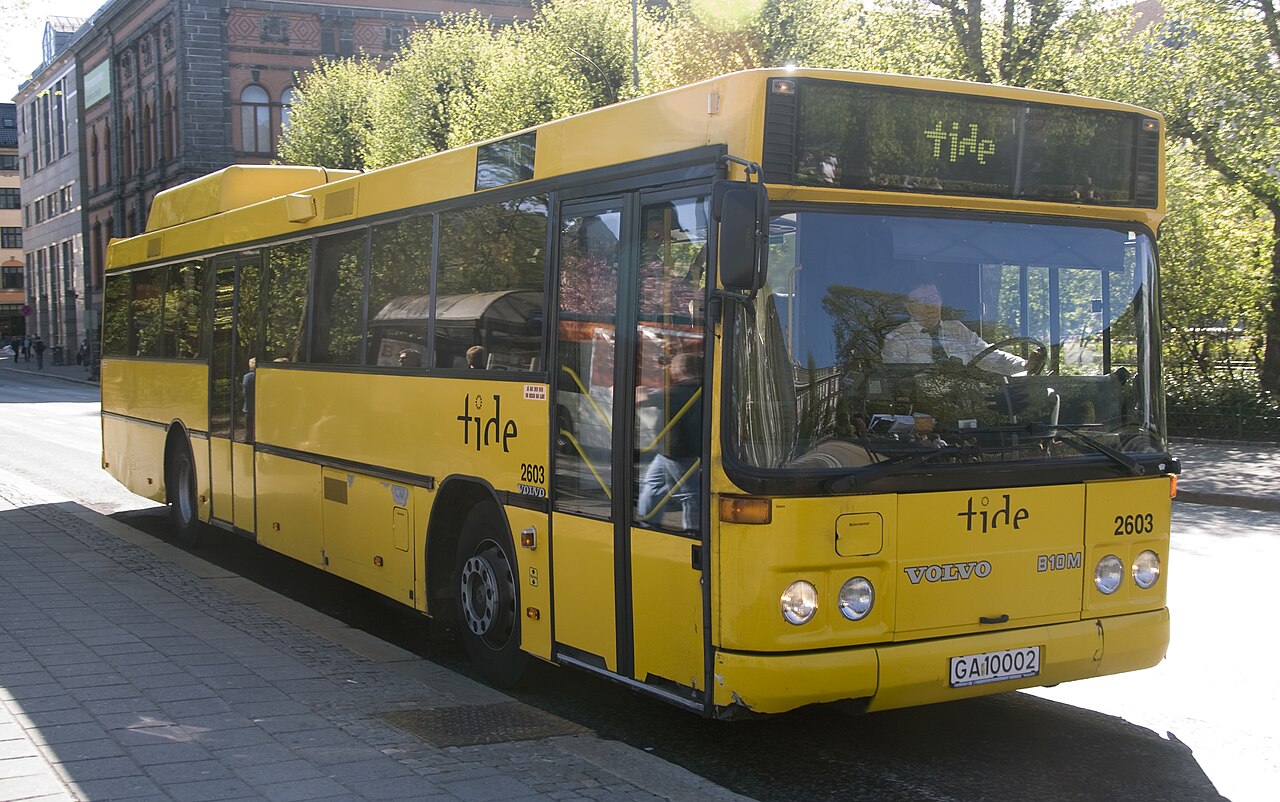
In the driver's seat, that mid-mounted engine has a distinct character. With the mass sitting between the axles, the B10M feels balanced and neutral — it doesn't have the heavy, pendulum-like tail of a rear-engined bus — and the engine note rises from beneath and behind you rather than from over the back axle. It's a subtle thing, but once you've driven a few you can feel where the weight lives.
Going rear-engined: the low-floor revolution
So why did Volvo eventually walk away from such a versatile layout? One word: accessibility. You cannot lay a flat, step-free low floor over an engine mounted under the middle of the bus. As cities demanded low-floor buses through the 1990s, the mid-underfloor engine became a liability for urban work, and Volvo moved the engine to the rear corner — freeing the whole cabin for a low, flat floor.
That gave rise to the low-floor B7L and later B9L city chassis, and the bus most people picture them under: the Volvo 7700, an integrally-built low-floor single-decker and articulated bus made from 1999 to 2012. It came as a 12-metre and an 18-metre, in diesel and CNG, and from 2010 even as a hybrid. The Volvo 7900 succeeded it in 2011.

Drive the Volvo 7700 mod straight after a B10M and the contrast is immediate. The engine note now comes from directly behind you, the back axle feels loaded and planted in a way the balanced B10M never did, and the cabin floor is low and level from door to door. Same letter on the badge, completely different feel — because the engine moved.
The rear-engined coach and the road to India
City buses weren't the only ones to change. When the B10M bowed out, Volvo split the coach line: the heavier B12M kept a mid-mounted engine, but a new family of lighter, rear-engined intercity chassis took over the long-distance work — the B12B (built 2001–2009) and, crucially, the B7R.
The B7R is where the "every continent" claim really earns itself. A rear-engined lightweight coach chassis, it was launched in 2001 for India's intercity and tourist market after a six-month demonstration using two B7Rs borrowed from Hong Kong and Singapore. It became the most popular "deluxe" long-distance air-conditioned bus in India, with the chassis manufactured locally at Volvo's Hoskote plant in Karnataka. A Swedish chassis design, built in India, redefined what an overnight bus journey there felt like.

Double-deckers — and the London hybrid that saw the future
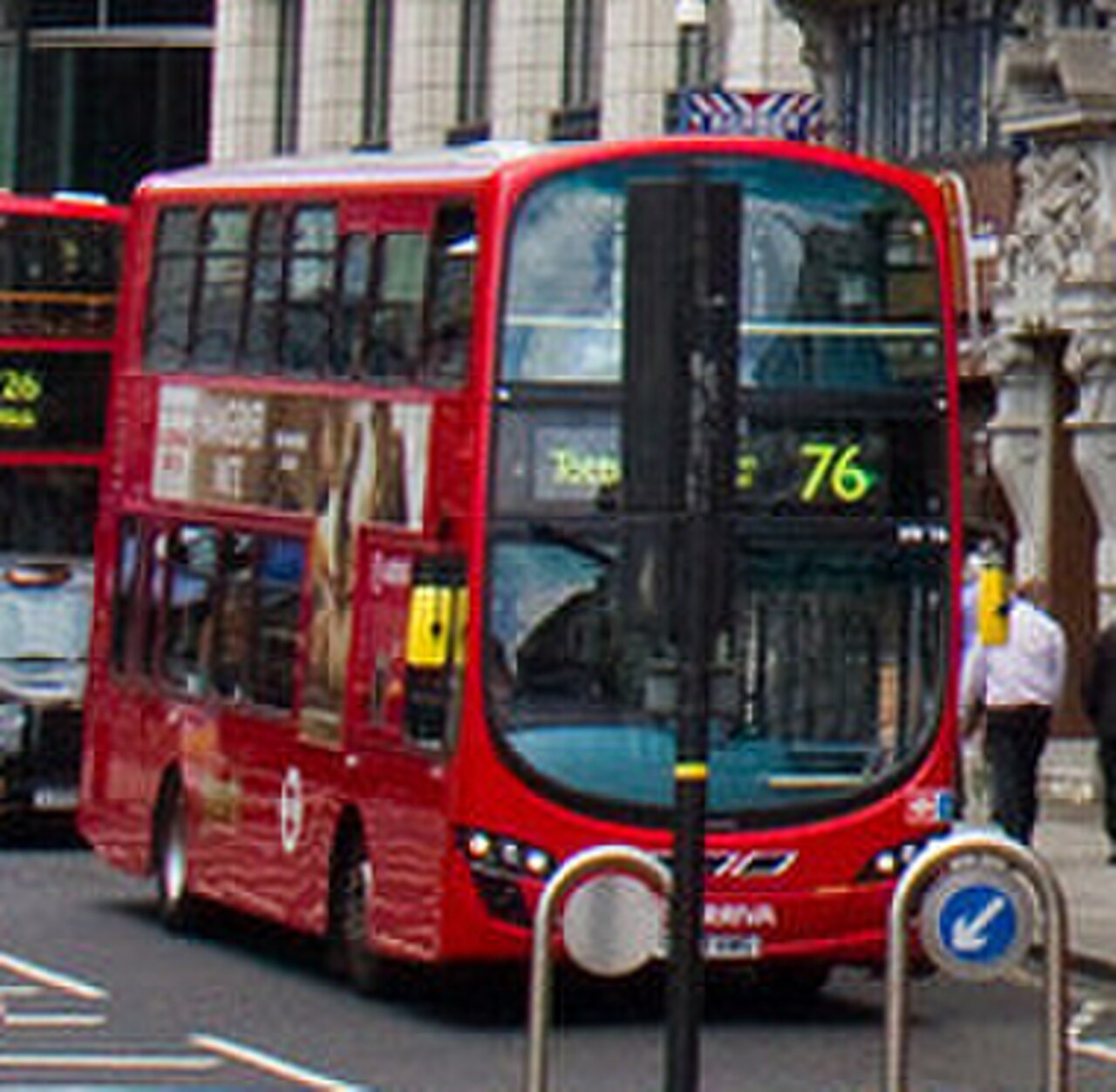
Where double-deckers are standard, Volvo had an answer too. The Volvo B9TL, a low-floor double-decker chassis built from 2002 to 2018, superseded the Volvo Super Olympian and B7TL and went on to dominate British and Asian fleets. The two-axle version didn't reach the UK until the middle of 2006, but once it did — usually wearing Wright's Eclipse Gemini bodywork — it became one of the defining shapes of modern London. You can put one on the road in the Volvo B9TL Wright Gemini 2 mod.
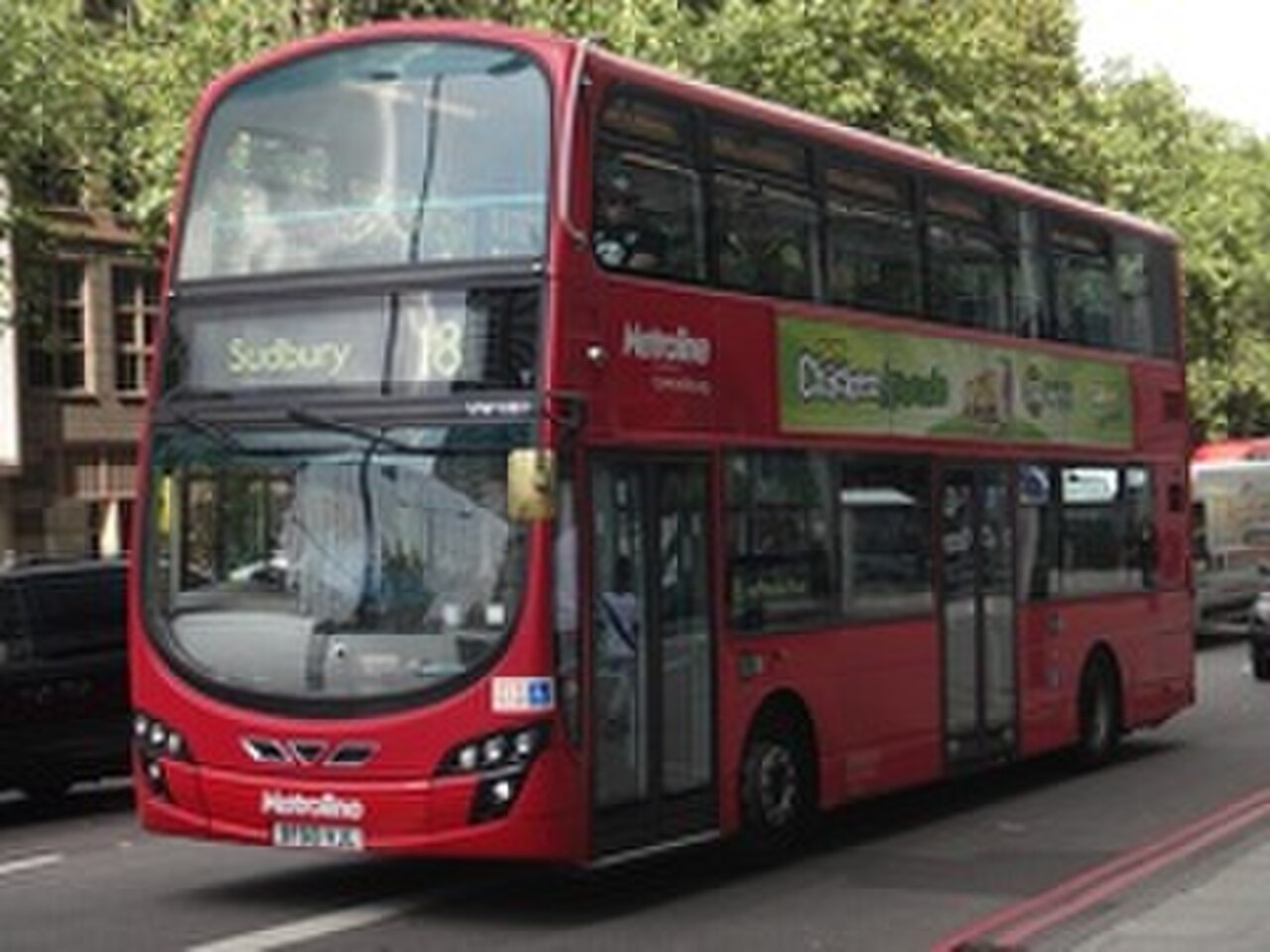
Then came the chassis that quietly pointed at today: the Volvo B5LH, a low-floor parallel-hybrid built since 2008. The first batch of six pre-production B5LH double-deckers entered service with Arriva London in 2009. Its drivetrain coupled Volvo's I-SAM electric motor to a 5-litre D5 diesel through the I-Shift transmission, and it could pull away on electric power alone from standstill up to 20 km/h. Years before the all-electric buses now arriving in cities, London's drivers were already easing away from stops in near silence — the hybrid was the rehearsal for the electric era.
Every continent: Curitiba and beyond
For the boldest chapter, look to Brazil. Working in partnership with the city of Curitiba — home to Volvo's Latin American headquarters — Volvo developed the bi-articulated bus, the multi-section giant that turned Curitiba's busways into a Bus Rapid Transit system the whole world copied. The B10M was assembled in Brazil too, and the lineage runs straight through to the enormous bi-articulated buses that still define the city's corridors today.
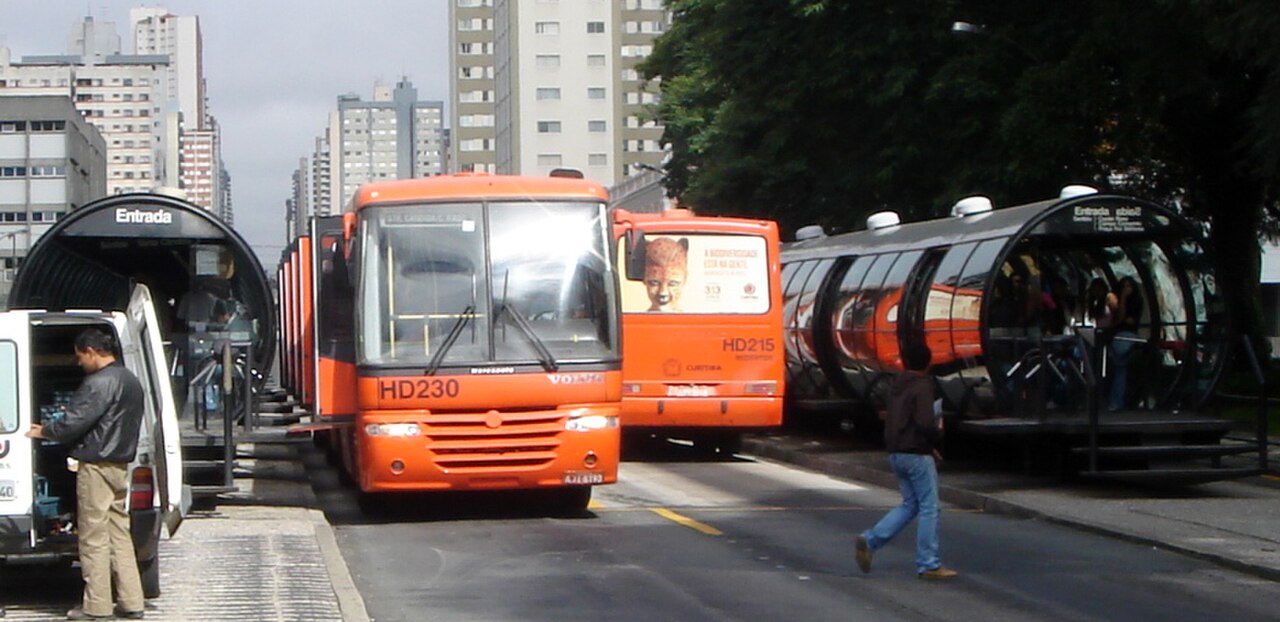
Line them all up — the Arctic coach in Svalbard, the gas-powered city bus in Bergen, the low-floor 7700 in Wrocław, the air-conditioned B7R in India, the double-decker in London, the bi-articulated giant in Curitiba — and the pattern is clear. Volvo never built one bus for the world; it built one set of chassis and let the world's body builders dress them for every climate, every road and every kind of passenger.
Why it matters in the driver's seat
You don't need to memorise every model number to enjoy this. The useful takeaway is the one Volvo's own history keeps repeating: find the engine, and you've found the bus. A mid-engined B10M sits balanced and sounds like it's humming from beneath you; a rear-engined 7700 or B9TL plants its tail and growls from behind; a B5LH hybrid slips away in silence. Reading the chassis is reading the drive before you've even pulled out.
The best way to feel the difference is to drive them back to back. Our full collection of Volvo bus mods spans the family — from the mid-engine Carrus B10M to the rear-engine 7700 to the London B9TL — so you can trace one Swedish idea across decades and continents from the cab.
FAQ
What made the Volvo B10M so successful?
Why did Volvo switch from mid-engine to rear-engine bus chassis?
Where was the Volvo B7R popular?
What was special about the Volvo B5LH?
Hero image: a Volvo B10M Carrus coach at Longyearbyen, Svalbard. Photo: calflier001, CC BY-SA 2.0, via Wikimedia Commons.