What Do MAN Bus Codes Mean? A21, A23, NL/NG and Lion's City Decoded
Every MAN bus carries a name you can read from the pavement — Lion's City — and a code you usually can't. Stencilled on a build plate, buried in a spec sheet, or hiding in a mod's filename, that code is a compact description of the whole vehicle: how long it is, how many axles it rides on, whether it bends in the middle. Learn to read it and you can call out a bus's layout before it even pulls up to the stop.
We spend a lot of time with these buses in Proton Bus Simulator, and the codes turn out to be more than trivia — they're a shortcut for knowing how a given MAN will sound, steer and settle into a corner. Here's how MAN's naming actually works, from today's Lion's City back through the NL and NG low-floor codes to the Standard-Linienbus era and the Berlin double-decker that started a lot of it.
Two names for every bus: the sales name and the type code
MAN runs two parallel naming systems, and most of the confusion comes from mixing them up. One is the sales name — the friendly marketing label you see on the brochure and on the bus itself. The other is the type code — MAN's internal engineering designation, the letter-and-number string that actually tells you what the vehicle is.
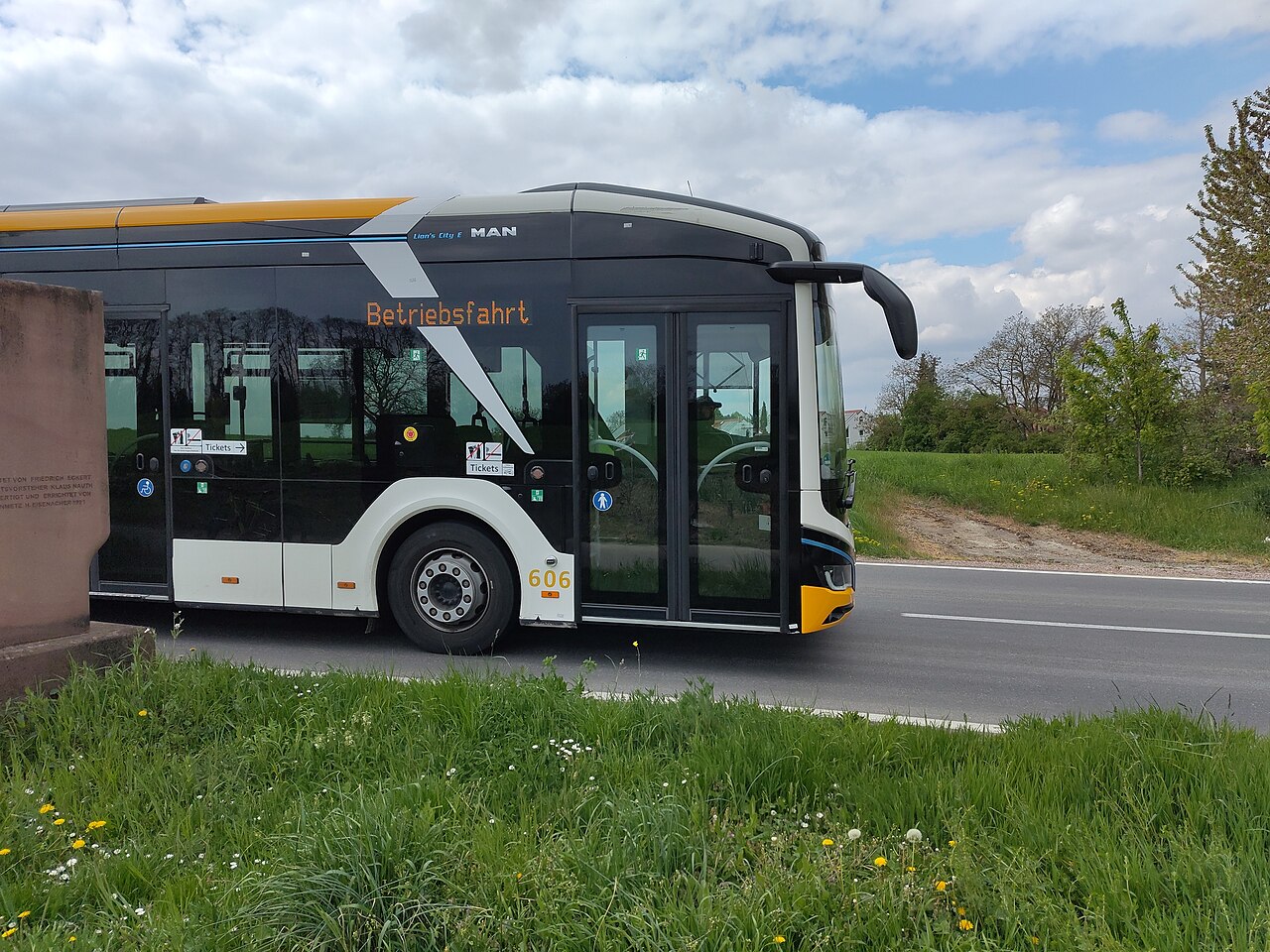
The sales name you already know: Lion's City. MAN introduced it as a sales designation in September 2004, gathering a range of city buses that had been marketed separately into one family. The type codes are the quieter half — A21, A23, NL263, NG363 — and they are the ones worth learning, because they describe the bus rather than just badge it.
The A-numbers: length and layout, decoded
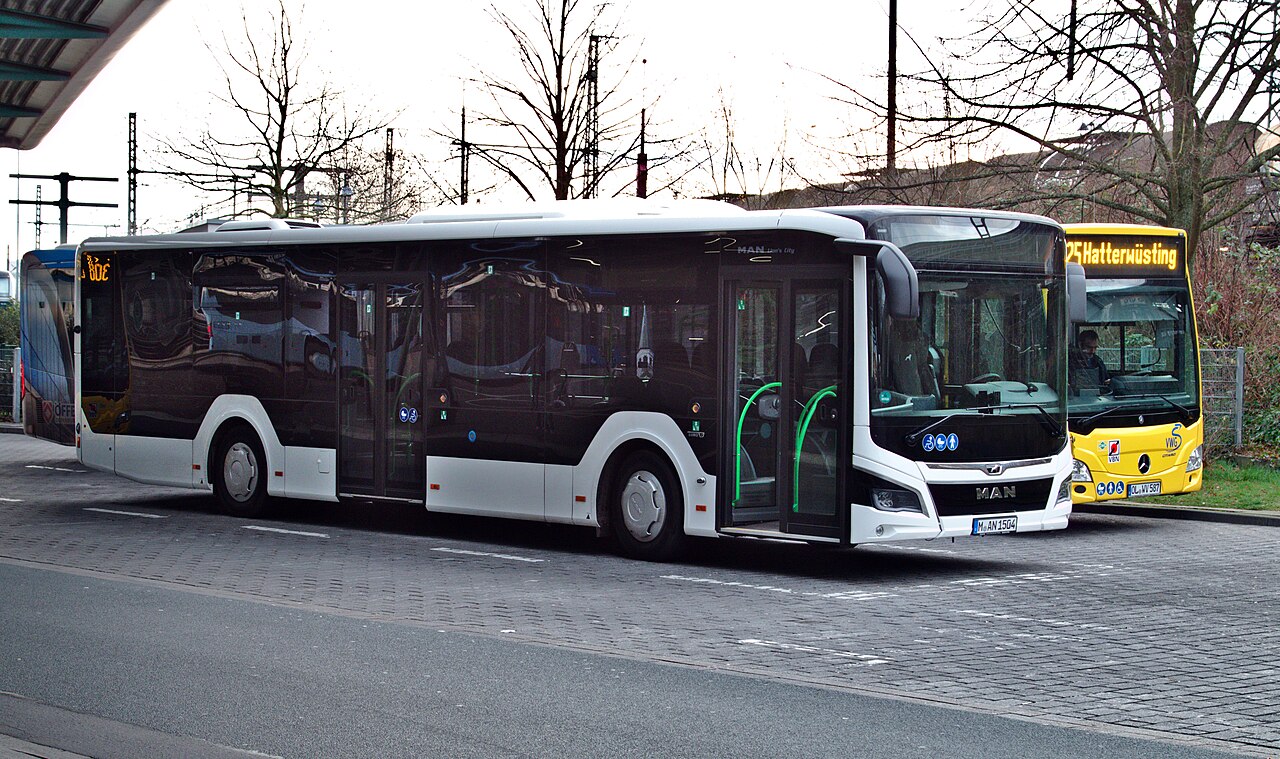
Since the mid-2000s, MAN's Lion's City variants have carried short "A" type numbers. They aren't a tidy sequential list, but once you line them up the logic is clear — each one pins down a length and a body layout:
- A20 / A21 — the 12-metre, two-axle rigid city bus. The everyday workhorse: one solid body, an axle at each end, the shape most people picture when they hear "city bus".
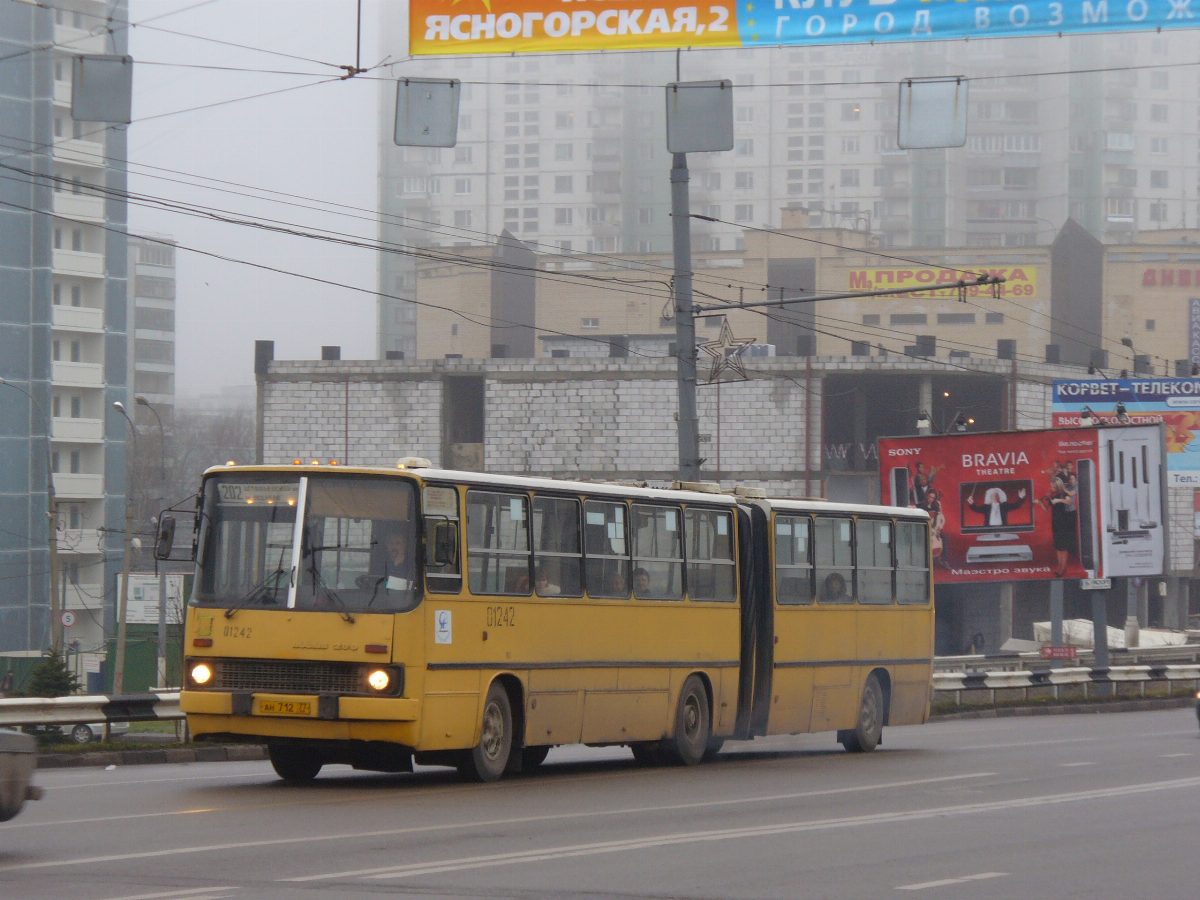
- A23 / A40 — the 18-metre (and 18.75 m) articulated bus: two rigid sections joined by a turntable so the whole thing bends through corners.
- A37 — a 12-metre variant built around a hybrid driveline.
- A43 — the extreme of the range: the 20.5-metre, four-axle Lion's City GXL. More on that one below.
So a code like A23 isn't random — it reads as "18-metre articulated", and that single fact tells you most of what you need to know before you climb in. If you want to feel the contrast, the 12-metre rigid MAN Lion's City A21 mod and the bending A23 GL articulated mod sit side by side in our catalog.
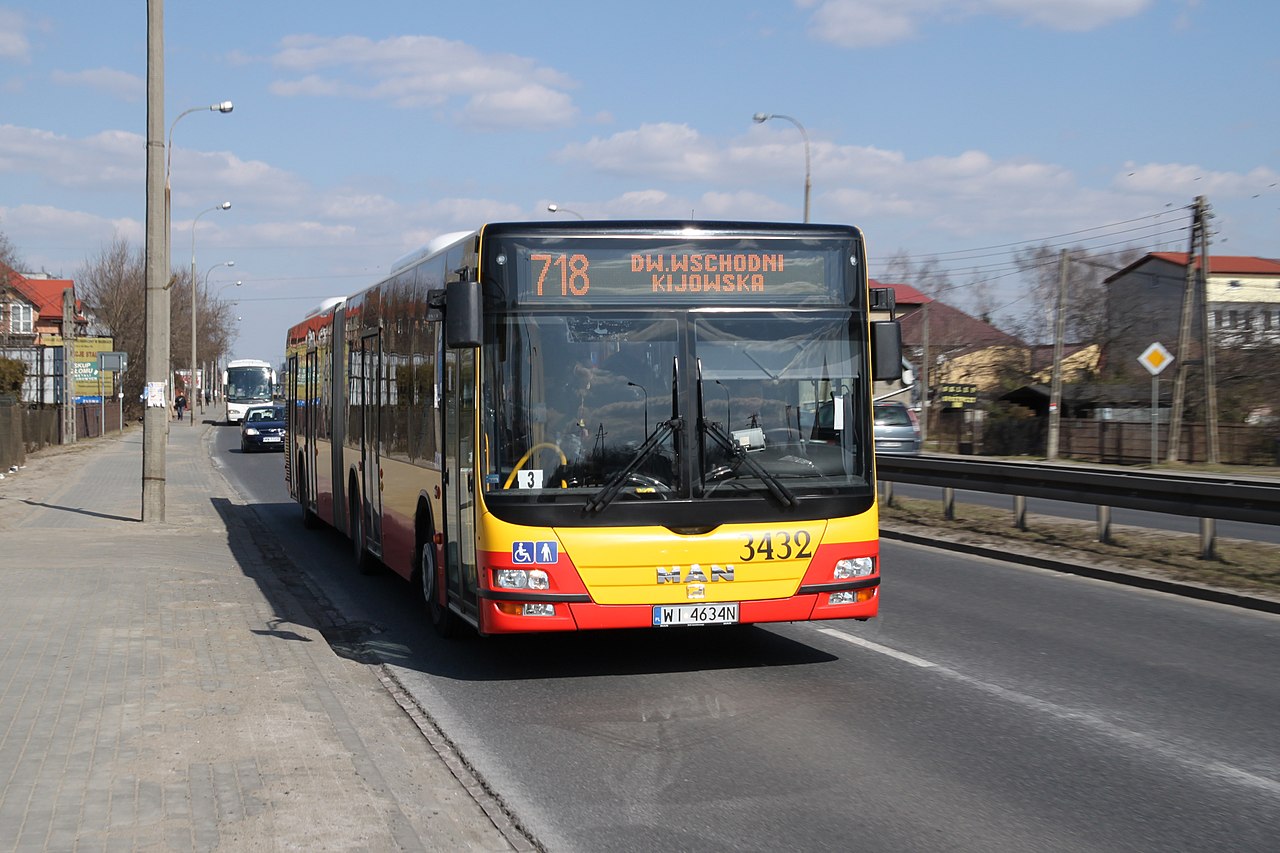
In the driver's seat that code turns straight into physics. An A23 carries its articulation joint just behind the middle doors, so the rear section tracks a wider arc than the front — you learn to swing out before a tight turn or the tail clips the kerb. The underfloor diesel sits at the very back, so the engine note comes from over your shoulder rather than ahead of you, and the loaded rear axle gives the back end a heavy, planted feel through a roundabout. An A21's single rigid body, by contrast, is far more predictable. Reading "A23" before you even spawn the bus is reading "mind the tail".
One modern footnote: in 2018 MAN unveiled an all-new Lion's City generation — series production from 2019 — and switched its public model names to plain metric lengths, so today you'll see Lion's City 10, 12, 18 and 19. The engineering type codes carry on underneath; only the label on the brochure changed.
Before Lion's City: the NL and NG low-floor codes
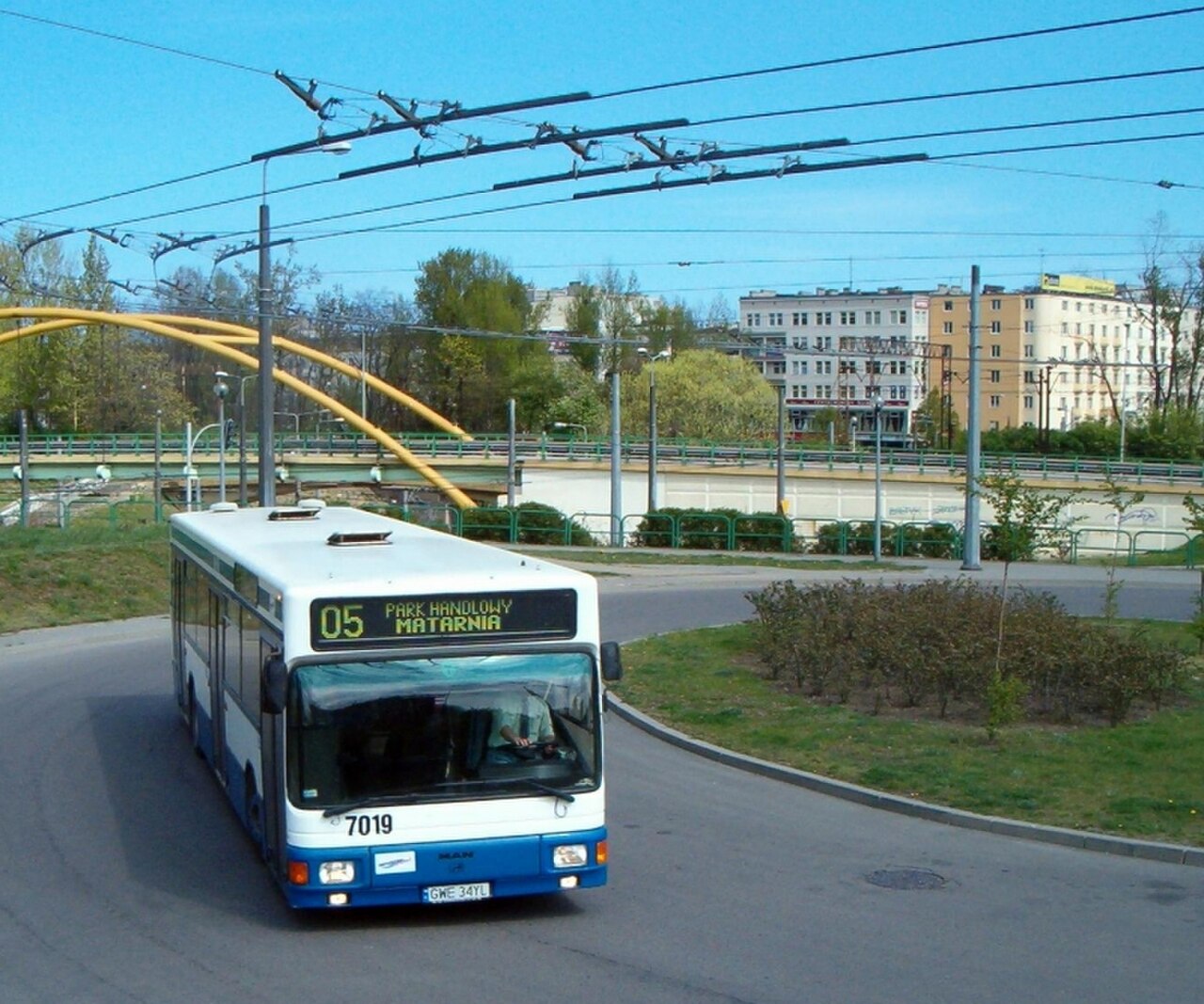
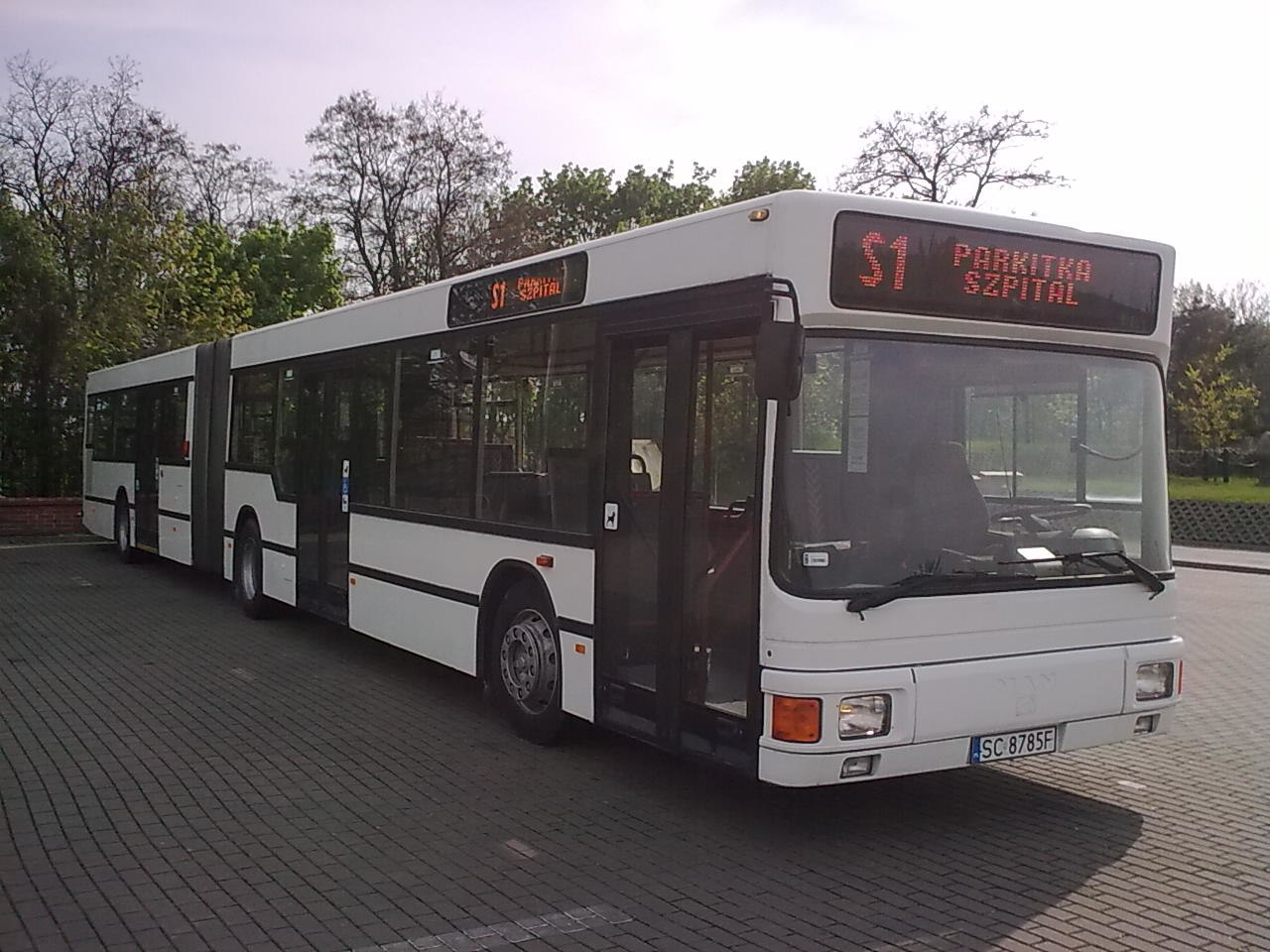
Rewind to the 1990s and MAN's city buses wore a different, even more literal code. These were the Niederflur ("low-floor") designations, and they spelled out the body type in German:
- NL — Niederflur-Linienbus: a low-floor service (city) bus. The MAN NL202 of 1989 was an early one — a step-free, rigid 12-metre bus.
- NG — Niederflur-Gelenkbus: a low-floor articulated bus. MAN presented its first, the NG272, in 1990.
- NÜ — Niederflur-Überlandbus: the low-entry version for interurban and overland routes.
The number after the letters encoded the engine output and generation — an NL263 being a later, more powerful relative of that NL202. When the Lion's City sales name arrived in 2004, these NL/NG codes didn't vanish; they slid under the surface as the engineering designation while "Lion's City" did the talking. That's why one modern bus can be both a "Lion's City" and an "NL 263" at the same time.
Deeper roots: the Standard-Linienbus and the Berlin double-decker
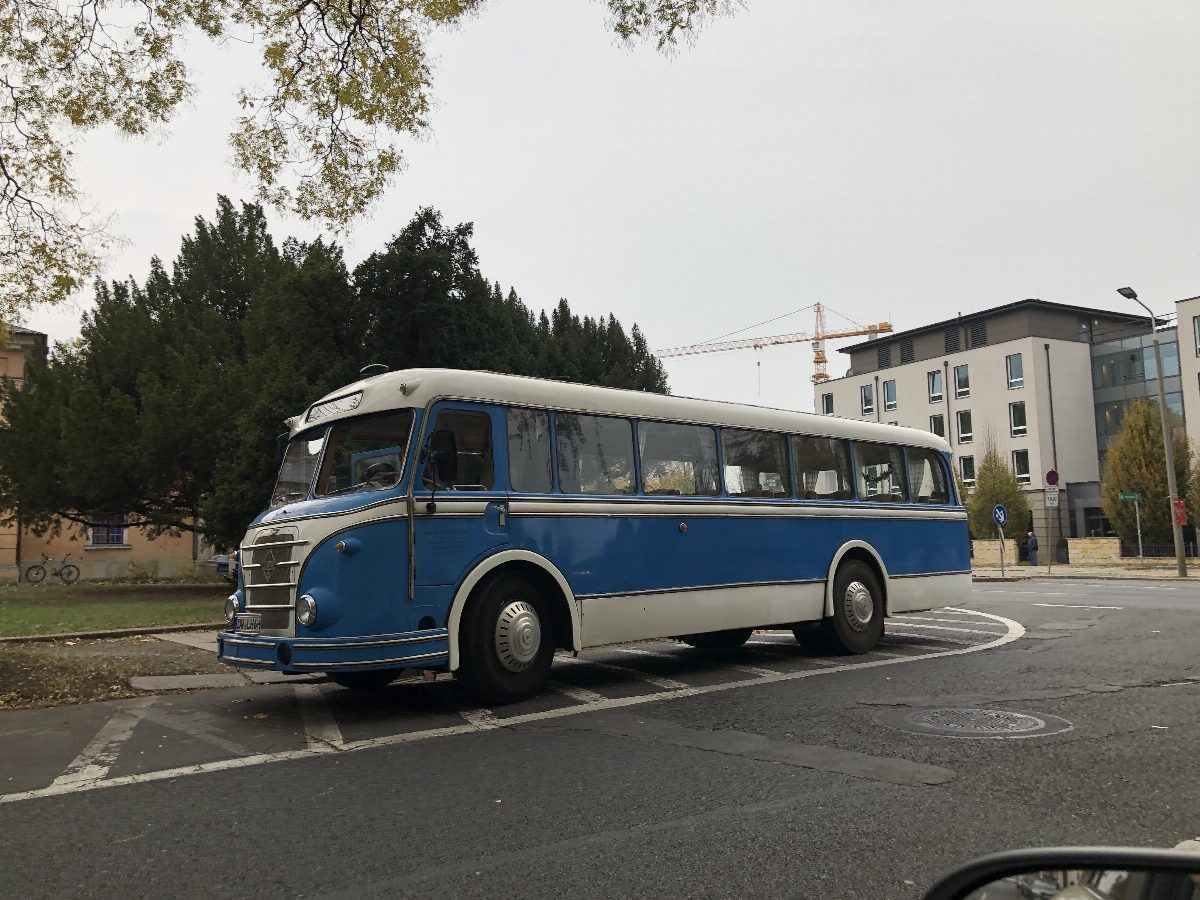
The low-floor codes themselves grew out of an older German idea. In the post-war decades the VöV — the Association of German Transport Companies — defined a Standard-Linienbus, a standardised city bus that many manufacturers, MAN included, built to a common specification. That gave us the SL (Standard-Linienbus) and SÜ (Standard-Überlandbus, the interurban cousin) codes; MAN's NL202 was openly derived from the VöV SL II standard.
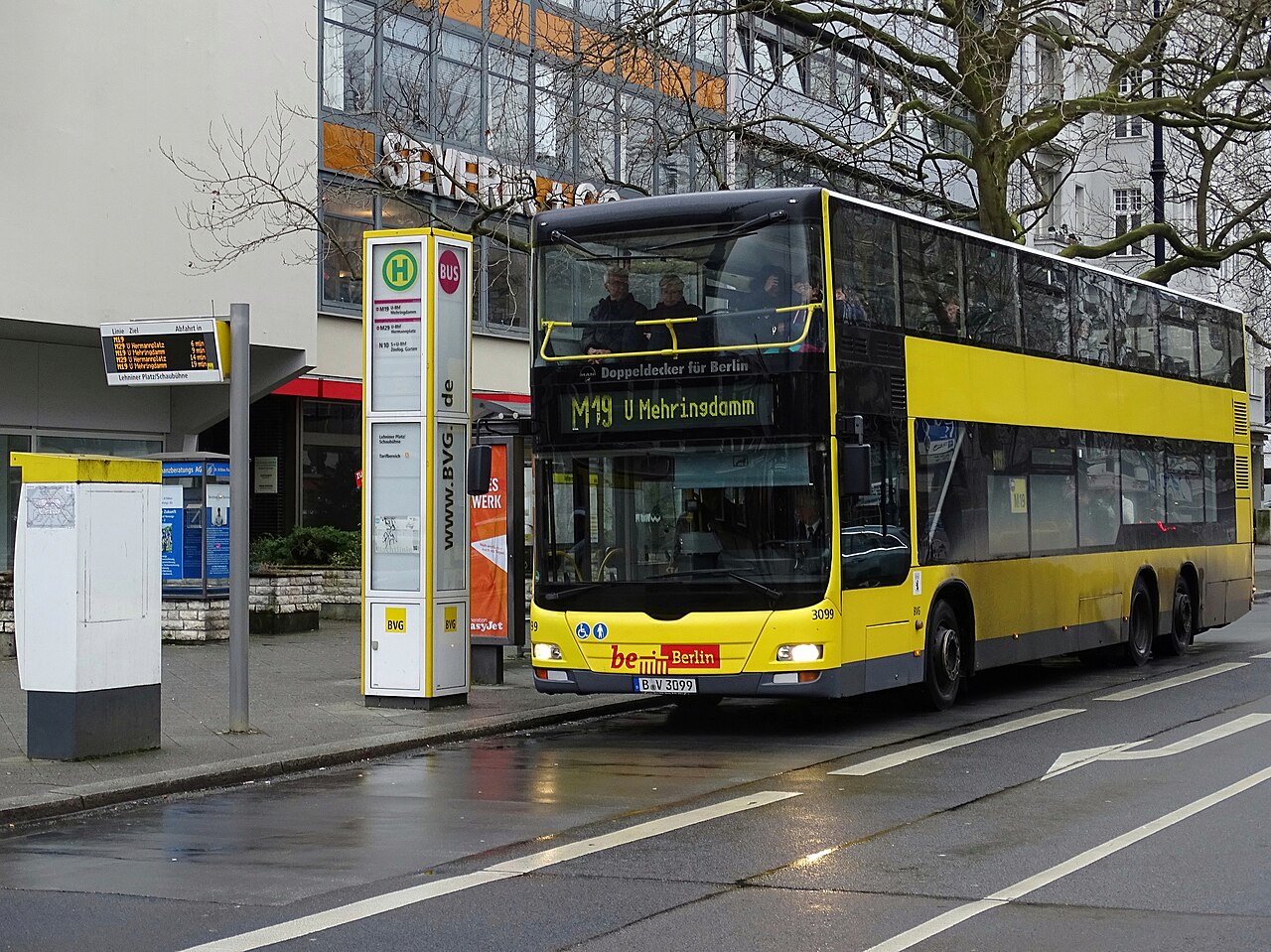
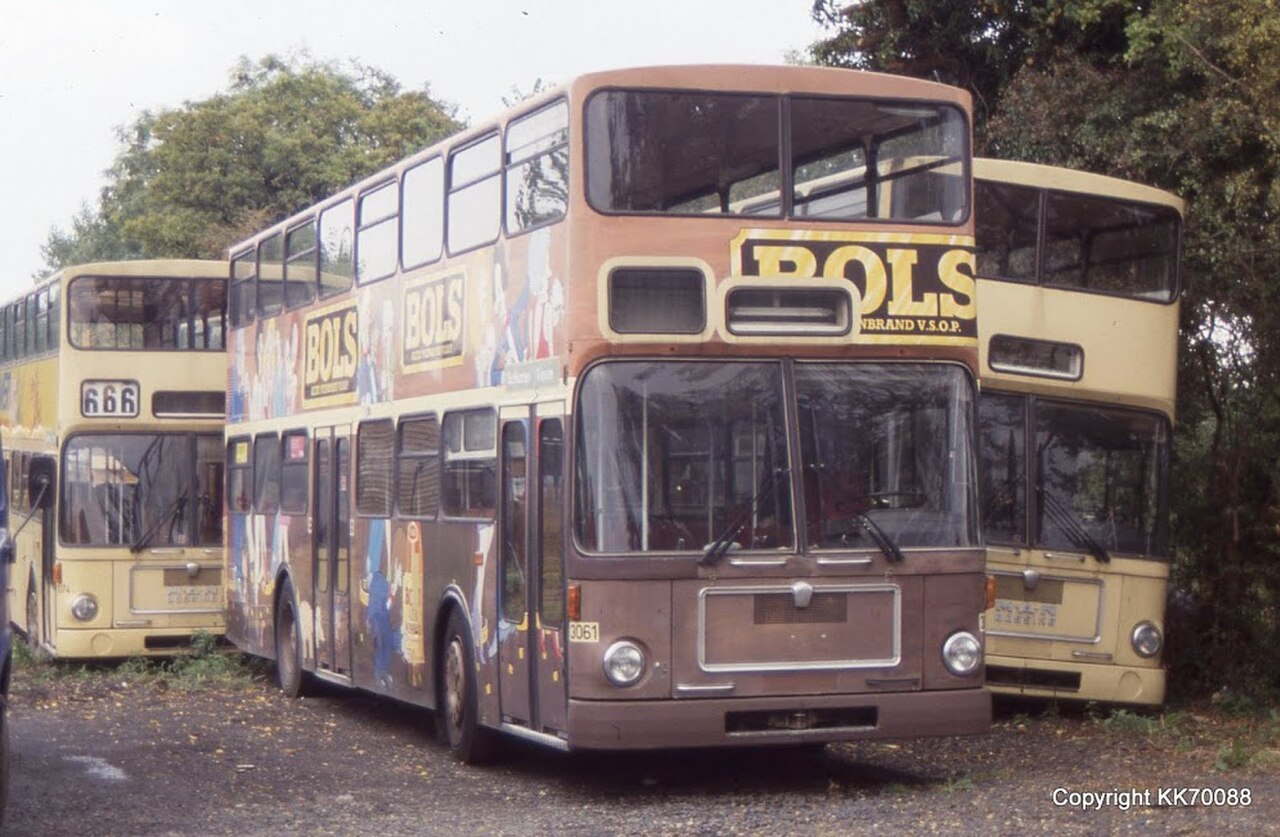
And then there's SD — the code MAN used for a Doppeldecker, a double-decker. The most famous is the MAN SD200, which appeared in 1973 as the successor to the Büssing DE for West Berlin's transit operator, the BVG. It became a Berlin icon: 956 were delivered, they ran from 1973 to 1985, and the type stayed on the streets for decades afterward.
The biggest code of all: A43, the Lion's City GXL
If A21 is the everyday bus, A43 is the showpiece. MAN unveiled the four-axle, 20.5-metre Lion's City GXL in May 2007 — one of the longest buses it has ever put a badge on. It never became a volume seller (MAN's mass-produced four-axle XXL bus was the closely related CapaCity), but the GXL is the purest demonstration of what these codes are for: the moment you read "20.5 m, four axles", you already know this is a high-capacity machine built for the busiest corridors.
The fourth axle is the clever part. A bus that long can't simply pivot around one rear axle without its tail carving across the next lane — so the rearmost axle steers, swinging the back of the bus inward to follow the front through a turn. It's the difference between a 20-metre bus that can take a city corner and one that simply can't.
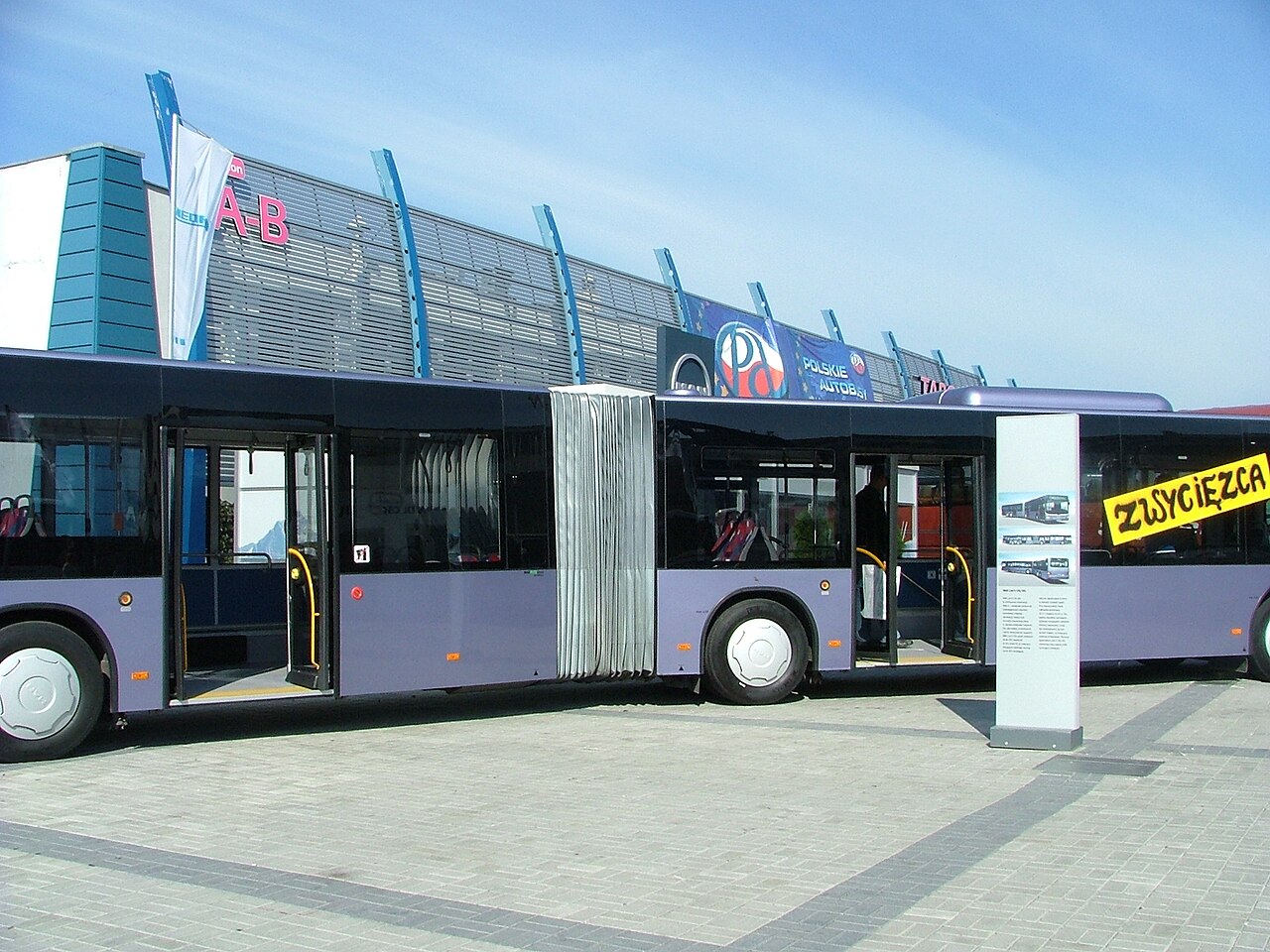
Driving the 20.5-metre GXL mod is an exercise in patience and spatial awareness. The mass of a four-axle bus neither starts nor stops in a hurry, and threading it through a junction means thinking two sections ahead — exactly the behaviour the A43 code quietly promises before you ever touch the throttle.
One more code: the lion on the badge
The name "Lion's City" isn't just marketing whimsy — there's a real lion behind it. MAN's lion comes from Büssing, the Braunschweig (Brunswick) truck and bus maker whose vehicles wore the Brunswick Lion emblem. When MAN took over Büssing in 1971, it inherited the lion and kept it, and the cat has prowled across MAN's badges ever since. So when MAN christened its city-bus range "Lion's City" decades later, it was nodding to an emblem it had already been carrying for a generation.
Reading the badge from the driver's seat
Put it all together and a MAN bus stops being anonymous. "A21" is a 12-metre rigid; "A23" bends in the middle; "NL" and "NG" are the low-floor service and articulated codes that came before; "SD" was the Berlin double-decker; "A43" is the 20-metre-plus giant. None of it is decoration — every character is a spec.
That's exactly why it matters in a simulator, where length, axle count and engine position decide how a bus feels to drive. Once you can read the code, you can pick the bus you actually want behind the wheel. Our full collection of MAN bus mods is the place to put the theory into practice — from the 12-metre A21 to the four-axle GXL.